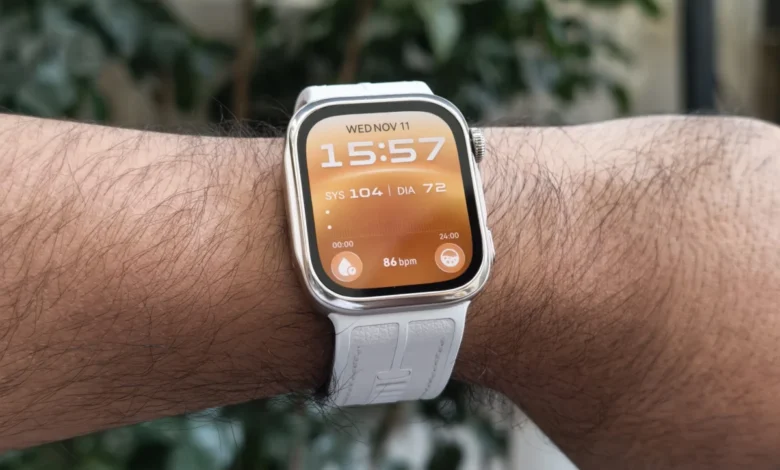
The Huawei Watch D3 represents a significant evolution in the intersection of consumer electronics and medical-grade diagnostics. Priced at an MSRP of $500.00, the device distinguishes itself from the current market of fitness trackers by integrating a miniaturized, inflatable blood-pressure cuff directly into the watch strap. This hardware-centric approach moves beyond the optical heart-rate and blood-oxygen estimates that define most modern smartwatches, offering an oscillometric measurement methodology that mirrors traditional medical equipment.

The Engineering Feat: Mechanical Precision on the Wrist
The development of the Watch D3 is the result of years of refinement in miniaturizing clinical hardware. Unlike previous attempts at wrist-based blood-pressure monitoring, which relied on pulse transit time or optical sensing—methods often criticized for their lack of consistency—the D3 employs an internal micro-pump and an inflatable bladder. When a user initiates a reading, the strap tightens around the wrist, creating a controlled, localized pressure environment that allows the device to measure systolic and diastolic pressure with a level of mechanical accuracy previously confined to hospital or home-use arm cuffs.

The device measures 46.5 x 41 x 11.3mm and is constructed from a durable aluminum alloy. Despite the complexity of the internal airbag assembly, the watch maintains a relatively slim profile. Huawei has implemented a rigorous setup process that requires users to measure their wrist circumference and select the appropriate cuff size from the included kit. This emphasis on anatomical fit is crucial, as the accuracy of oscillometric measurement is highly dependent on the contact surface between the device and the radial artery.

Chronology and Regulatory Context
Huawei’s entry into the medical-grade wearable space has been a multi-year project. The original Watch D series was met with skepticism regarding whether a consumer device could truly replicate the experience of a medical diagnostic tool. Following successful CE-MDR (Medical Device Regulation) certification in Europe, the D3 iteration serves as a testament to the company’s pivot toward health-specialized hardware.

The timeline of the device’s release follows a growing trend in the industry: major technology firms are increasingly seeking clinical validation to differentiate their products from generic fitness trackers. By achieving medical certification, the D3 shifts from a "wellness accessory" to a "clinical-reference tool," a distinction that significantly alters its utility for patients with hypertension or cardiovascular concerns.

Clinical Capabilities and Data Integration
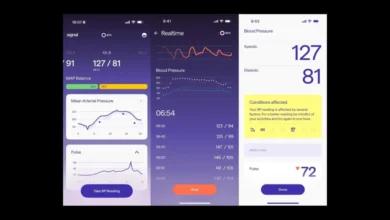
The core utility of the Watch D3 lies in its support for 24-hour Ambulatory Blood Pressure Monitoring (ABPM). In clinical settings, ABPM is the gold standard for diagnosing hypertension, as it captures the natural fluctuations of blood pressure throughout a full day and night cycle. By allowing the watch to conduct automated readings at set intervals—typically every 30 minutes—the D3 provides a comprehensive data set that can be exported and reviewed by medical professionals.

The device’s sensor suite is extensive, including an ECG (electrocardiogram) monitor, temperature sensors, an SpO2 monitor, and a barometer for altitude and environmental tracking. When combined, these sensors populate the Huawei Health dashboard with a holistic view of the user’s cardiovascular status. For individuals prone to white-coat hypertension—where blood pressure spikes due to the anxiety of being in a medical office—the ability to record data in a relaxed, home environment provides a more accurate longitudinal picture.

Performance and User Experience
In practical application, the Watch D3 balances its medical functionality with the requirements of a daily-use smartwatch. The 1.92-inch AMOLED display, featuring a resolution of 408 x 480 pixels and a peak brightness of 3,000 nits, ensures legibility in various lighting conditions. While the bezel-to-screen ratio leaves room for future aesthetic improvements, the display is functional and responsive.

Battery life, a common point of failure for high-performance wearables, is a strength for the D3. Under typical conditions—defined as standard smartwatch usage with periodic health tracking—the device provides approximately six days of battery life. When the ABPM mode is fully activated for 24-hour monitoring, the power consumption increases significantly due to the repetitive use of the mechanical pump, reducing battery performance to roughly one day. The inclusion of wireless charging, capable of a full charge in approximately 75 minutes, mitigates the inconvenience of this power drain.

Comparative Analysis and Market Positioning
When compared to its primary competitors, the D3 occupies a unique niche. The Apple Watch Series 12 offers a superior third-party app ecosystem, seamless integration with the iOS environment, and cellular connectivity options that the D3 lacks. However, Apple’s current approach to blood pressure remains focused on long-term trend analysis rather than on-demand, clinical-style cuff readings.

Similarly, the Samsung Galaxy Watch 9 caters to users deeply invested in the Android/Wear OS ecosystem. While Samsung provides advanced health monitoring, its blood-pressure measurement approach differs fundamentally from the D3’s mechanical system. The Google Pixel Watch 5, while excellent for general-purpose use, relies heavily on optical analysis for its blood-pressure trends. The D3 is not a "jack of all trades" in the way that these competitors are; rather, it is a specialized tool. It is not intended for high-intensity aquatic sports, nor does it compete with ruggedized watches like the Huawei Watch GT 7 Pro, which offers better water resistance and outdoor durability.

Broader Implications for Digital Health
The implications of the Watch D3 for the healthcare industry are substantial. As the global population ages and the prevalence of chronic conditions like hypertension increases, the demand for remote patient monitoring (RPM) is rising. The D3 acts as a bridge between the patient and the physician. By providing reliable, timestamped data, the device allows for more informed consultations.

However, experts in the medical field emphasize that such devices should complement, not replace, professional diagnosis. The accuracy of the D3, while impressive for a wearable, is still contingent upon strict adherence to measurement protocols—such as remaining motionless and keeping the arm at heart level during the inflation cycle. Users who ignore these instructions may encounter variability in their readings, which could lead to unnecessary concern or false reassurance.

Future Outlook and Conclusion
The Huawei Watch D3 is currently available in the UK and Europe for £399.99 and €449.99, respectively. It has not received an official retail launch in the United States, which limits its accessibility in that market. Prospective buyers should be aware that the device’s health-specific features, such as regional-dependent ECG or blood-pressure certifications, may be subject to local regulatory variations.

As technology continues to advance, the D3 sets a high bar for the integration of mechanical diagnostic systems into consumer wearables. For the average, healthy user, the D3 may offer more data than necessary. But for the aging demographic or those currently managing cardiovascular health, the D3 provides a level of peace of mind that is currently unmatched by optical-only competitors. By stripping away the "medical" stigma and housing complex engineering in a design that feels like a standard, everyday watch, Huawei has successfully created a product that justifies its place on the wrist of the health-conscious consumer.

In the broader context of the wearable industry, the D3 signals a shift toward devices that provide actionable, clinical-grade insights. As software integration with electronic health records (EHR) improves, devices like the D3 may soon become a standard component of preventative healthcare, turning the smartwatch into a genuine extension of the doctor’s office. For now, it stands as a sophisticated, albeit specialized, piece of technology that rewards the user who values precision, data, and the proactive management of their cardiovascular well-being.