SpaceX wants a Starbase tax break for a $24 billion gas plant and supercomputer campus


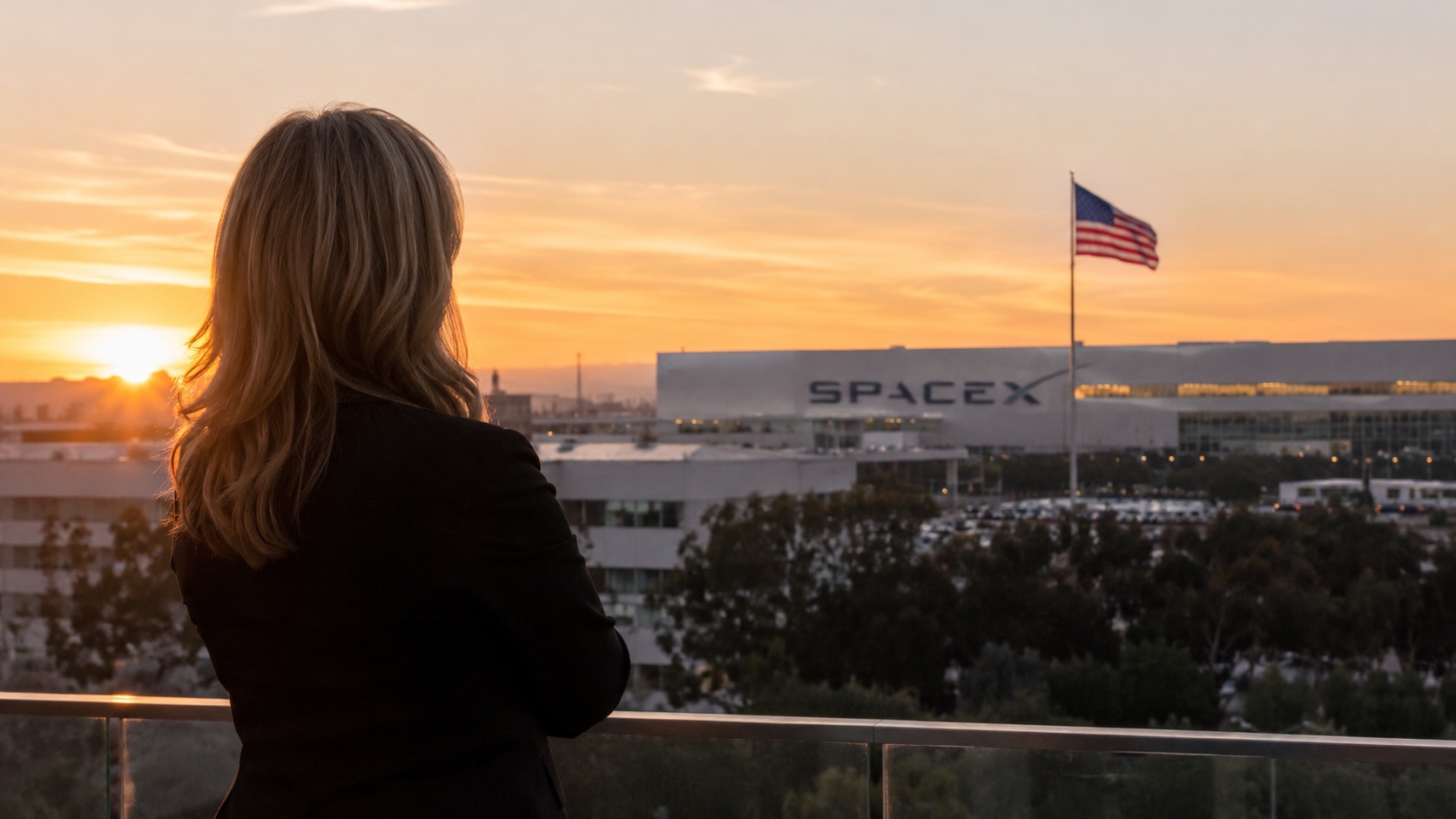
SpaceX is currently seeking a significant property tax abatement from the City of Starbase, Texas, to facilitate the development of a massive $24 billion project centered on a natural gas-fired power plant and an advanced supercomputing facility. The proposed site, spanning approximately 444 acres between Boca Chica Boulevard and the Port of Brownsville, is strategically positioned just outside the jurisdictional boundaries of a recently enacted 90-day moratorium on data center applications in neighboring Brownsville.
The Starbase City Commission has scheduled a public hearing for December 9 at 7 p.m. to deliberate on the property tax abatement and an accompanying economic development agreement. While the initial investment is pegged at $24 billion, official notices indicate that the proposal includes provisions for future expansion, suggesting that the scale of the facility could grow significantly beyond its initial footprint.
A Strategic Relocation and Regulatory Navigation
The land acquisition process for this project has been characterized by complex maneuvering between municipal entities. Earlier this year, SpaceX requested that Brownsville remove the specific tract from its city limits, offering $220 million in funding for local water and wastewater infrastructure projects as a gesture of good faith. The Brownsville City Council approved this de-annexation in August, after which the land was promptly annexed by the City of Starbase.
This geographical pivot proved critical. Last week, Brownsville implemented a 90-day pause on all new data center permit applications to assess infrastructure impacts and grid capacity. By shifting the project site to Starbase, SpaceX effectively bypassed this regulatory hurdle, keeping the project on an accelerated timeline.
The project is already under scrutiny by state-level environmental regulators. SpaceX has submitted applications to the Texas Commission on Environmental Quality (TCEQ) for air permits. These permits would authorize the installation and operation of 35 mobile natural gas turbines, projected to generate approximately 750 megawatts of electricity. This independent power generation capability is a strategic choice; by operating its own "behind-the-meter" power plant, SpaceX avoids reliance on the Electric Reliability Council of Texas (ERCOT) grid, thereby circumventing Governor Greg Abbott’s August directive that paused new data center grid connections pending a comprehensive audit.

Corporate Governance and Oversight Concerns
The optics of the upcoming tax abatement hearing have drawn attention from industry analysts and public policy advocates due to the composition of the local governing body. According to recent reporting, two of the three commissioners tasked with voting on the incentive package are SpaceX employees. This concentration of corporate influence within the municipal commission has raised questions regarding conflict of interest protocols, though the arrangement remains technically consistent with the governance structure of the company town.
The political landscape is also shifting. Governor-elect Gina Hinojosa, who won the recent gubernatorial election, has signaled a more restrictive approach to industrial permitting. Hinojosa has pledged to block new data center approvals until the Texas legislature implements updated regulatory protections. Furthermore, she has requested that state officials postpone any land sales involving Boca Chica State Park to SpaceX until her administration is inaugurated in January. These developments have created a high-stakes environment for SpaceX, as the company seeks to lock in its incentives before the new administration takes office.
The Broader Vision: From Terrestrial to Orbital Compute
The drive for massive terrestrial computing power is part of a broader, multi-year strategy for SpaceX. Elon Musk has frequently positioned ground-based data centers as a temporary necessity, frequently referring to them as "peanuts" compared to his long-term goal of an orbital compute constellation, internally referred to as "Starmind."

SpaceX’s internal projections suggest that monthly orbital deployments of computing capacity are expected to surpass ground-based deployments by the end of 2028. However, until that infrastructure is fully realized, the company requires gigawatts of reliable, high-speed compute to support its expanding aerospace and AI operations. By the end of the third quarter, SpaceX reported 1.7 gigawatts of nameplate compute capacity. The company has set an ambitious target of reaching 2.5 to 3 gigawatts by the end of 2026, with an additional 10 gigawatts required by 2027 to meet its operational milestones.
The model for the Starbase project appears to follow the blueprint established by existing "Colossus" compute sites near Memphis, Tennessee. Those facilities also rely on natural gas turbines for power. However, the Memphis sites have faced significant pushback from local communities, including ongoing litigation regarding noise pollution and air quality concerns.
Economic Impact and Local Community Response
Public sentiment regarding the project remains polarized. Proponents of the development, including segments of the Brownsville and Starbase workforce, emphasize the potential for job creation and the infusion of billions of dollars into the regional economy. For a region historically reliant on traditional industry and agriculture, the promise of a multi-decade technology hub is viewed as a transformative opportunity.

Conversely, organized opposition has begun to coalesce. The South Texas Environmental Justice Network has publicly announced its intent to protest the project. Their concerns center on the potential degradation of local air quality, the significant volume of water required to cool such a massive computing operation, and the long-term impact on regional electricity pricing. Critics argue that the tax abatements requested by a company of SpaceX’s valuation place an undue burden on public services while providing limited direct benefit to the local tax base.
Implications for the Tech and Energy Sectors
The Starbase project is a bellwether for the intersection of the aerospace industry, artificial intelligence, and private energy production. If successful, it demonstrates a roadmap for large-scale technology companies to operate outside of traditional municipal and state grid oversight. By controlling the entire stack—from power generation to hardware deployment—SpaceX is attempting to mitigate the risks associated with grid instability and regulatory red tape.
The move also coincides with a period of turbulence for Musk-led companies. Following the recent election results, shares in both Tesla and SpaceX experienced volatility, reflecting broader market uncertainty regarding future industrial policy. Musk’s reaction on social media, suggesting that "data centers in space look pretty appealing," underscores the company’s pivot toward autonomy from terrestrial infrastructure.

The Road Ahead: A Timeline of Challenges
The next sixty days will be defining for the project. The immediate focus is the December 9 public hearing, where the Starbase City Commission will weigh the fiscal merits of the tax abatement. Following this, the company must navigate the TCEQ air permitting process—an environment made more complex by the upcoming gubernatorial transition.
Should the project proceed as planned, it will mark one of the most significant private industrial investments in Texas history. However, the combination of environmental opposition, potential state-level legislative pushback, and the logistical challenges of scaling such a massive, proprietary energy and data ecosystem ensures that the Starbase supercomputer campus will remain a focal point of debate in the technology and policy spheres through the end of the decade.
The outcome of this project will likely influence how other large-scale technology entities approach infrastructure development. If SpaceX successfully builds and powers a $24 billion facility on its own terms, it may set a precedent for "corporate sovereignty" in large-scale industrial projects, fundamentally altering the relationship between private, high-tech entities and the municipalities that host them.
Related posts: