Starlink is ‘biggest competitive advantage,’ but it’s temporary, United CEO says


United Airlines has solidified its position at the forefront of the aviation industry’s digital transformation by accelerating the integration of SpaceX’s Starlink high-speed, low-Earth-orbit (LEO) satellite internet across its fleet. While CEO Scott Kirby has characterized this technology as the carrier’s most significant competitive edge, he remains clear-eyed regarding the nature of this advantage. In recent executive remarks, Kirby acknowledged that the current dominance provided by Starlink is a temporary, albeit strategic, window of opportunity.
As the global telecommunications infrastructure continues to evolve, high-speed, reliable in-flight connectivity is shifting from a premium amenity to an industry-standard requirement. United’s current mission is to capitalize on its significant head start, utilizing the next several years to convert trial passengers into long-term, loyal customers before the service becomes ubiquitous across the competitor landscape.
A Strategic Rollout Timeline
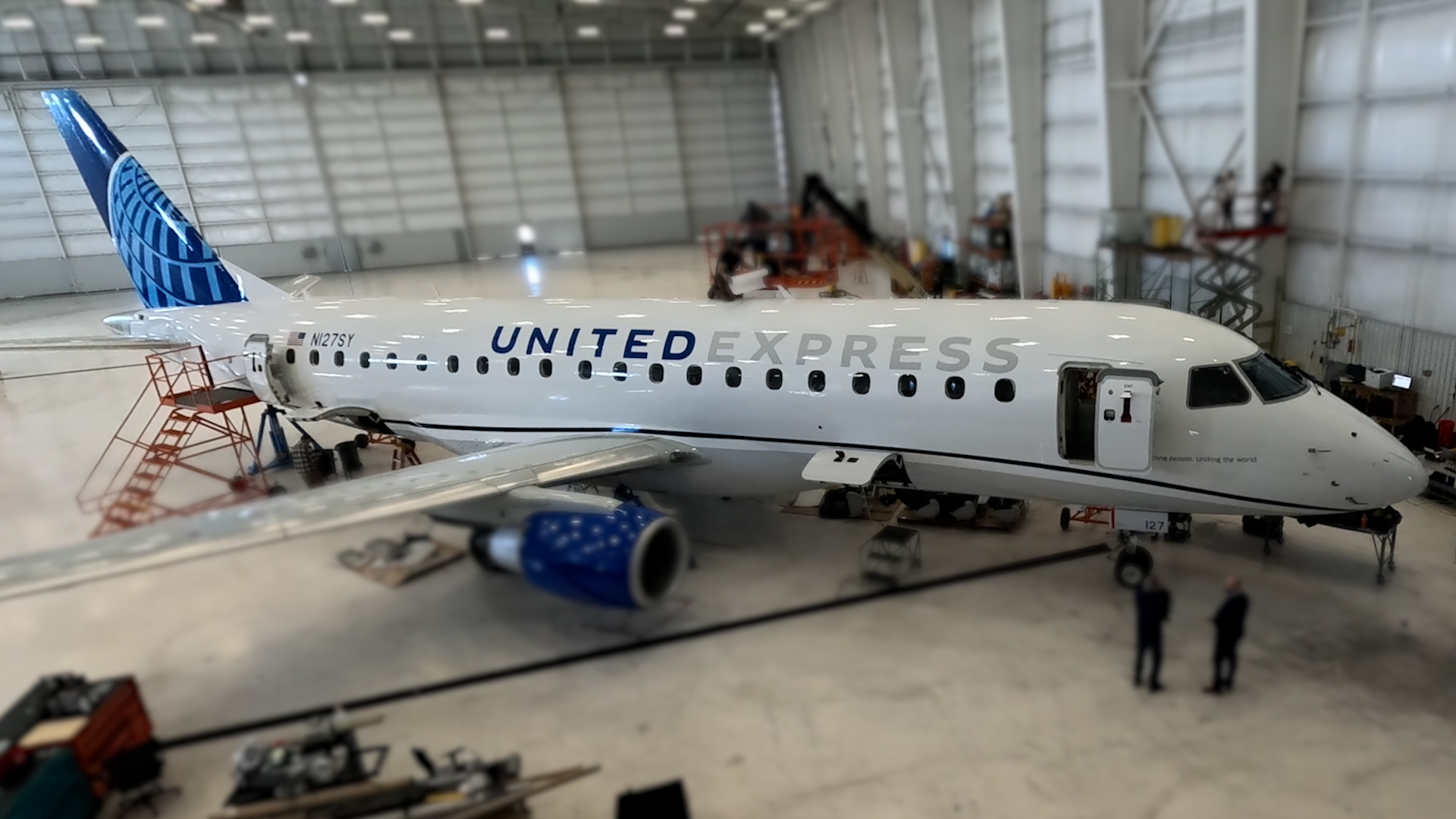
United’s implementation of Starlink has proceeded at a pace that has left much of the domestic competition behind. As of late October 2026, the satellite system was operational on approximately 43 percent of the airline’s fleet. The company’s internal projections suggest a rapid acceleration, with coverage expected to reach 61 percent by the end of 2026, 87 percent by June 2027, and full, fleet-wide integration by the conclusion of 2027.
This aggressive deployment schedule has already resulted in United operating more Starlink-equipped flights than the rest of the U.S. airline industry combined. A key milestone in this expansion is the designation of Los Angeles International Airport (LAX) as the carrier’s first 100 percent Starlink-equipped hub, a status it is expected to reach within the first half of 2027. To further assist passengers, the updated United mobile application now includes features that allow travelers to check the likelihood of Starlink availability for specific flights, providing transparency that influences booking behavior.
Market Dynamics and Customer Loyalty
The decision to prioritize Starlink is not merely a technical upgrade; it is a calculated marketing and retention strategy. Kirby has observed early evidence that the availability of high-speed internet is actively driving booking decisions. Passengers who have historically maintained loyalty to competing carriers are increasingly switching to United for flights equipped with reliable, high-speed connectivity.

United is effectively leveraging this technological lead to capture market share. By utilizing status-match programs and encouraging the adoption of United-branded credit cards, the airline aims to lock in these new customers. Kirby’s strategy is rooted in the belief that while Starlink acts as the primary draw—the "hook" that encourages a first-time experience—the broader suite of product enhancements will ensure long-term retention. These include upgraded cabin interiors, expanded overhead bin capacity, and an integrated digital ecosystem that the airline claims is significantly more robust than those of its peers.
Internal metrics appear to support this approach, with customer satisfaction scores for in-flight Wi-Fi on Starlink-equipped aircraft reportedly doubling those found on planes using legacy connectivity systems.
Competitive Landscape and Industry Response
The broader airline industry is responding to the shift toward LEO satellite internet at varying speeds. Southwest Airlines initiated its own installation process in 2025 and is nearing completion, though the specific performance metrics of its chosen systems differ from the Starlink architecture. Meanwhile, Delta Air Lines has opted for a different path, pursuing the Amazon-backed LEO system, a move that highlights the fragmented nature of the current connectivity arms race.

American Airlines has been more conservative, with plans to commence Starlink installations in early 2027. The absence of detailed plans for American’s regional fleet creates a significant "timeline gap," providing United with a multi-year window of relative exclusivity in providing a consistent, high-speed experience for the majority of its domestic passengers.
Implications for Financial and Operational Targets
United’s push for technological superiority is inextricably linked to its long-term financial objectives, including the goal of achieving a 10 percent pre-tax margin. By investing heavily in the "tech stack" of its aircraft, the airline is attempting to create an insurmountable gap between itself and its competitors.
For business travelers, who often view in-flight connectivity as an extension of the office, the reliability offered by LEO satellites is a critical differentiator. As the service becomes standard across the industry, the "pure connectivity" advantage will naturally diminish. Consequently, United’s ability to retain the customers it is currently acquiring will depend on the airline’s success in continuous innovation across its entire product offering. The "gap" that Kirby refers to is designed to be self-perpetuating: as the airline’s infrastructure improves, the cost and complexity for competitors to close the distance increase.

The Role of First-Principles Thinking
United’s approach mirrors the broader, tech-centric philosophies seen in modern industrial management, where questioning entrenched requirements is standard. Just as other sectors, such as the automotive industry, are moving away from traditional, capital-intensive processes—exemplified by Tesla’s removal of traditional paint shops in favor of in-mold coloring—United is questioning the traditional, slow-moving pace of airline cabin upgrades.
By treating in-flight connectivity as a critical utility rather than an optional add-on, United is attempting to future-proof its fleet. The company’s reliance on SpaceX’s rapid innovation cycle—where hardware and software are updated iteratively—aligns with the airline’s broader strategy of rapid deployment.
Broader Impact on Global Aviation
The ripple effects of this deployment are expected to be felt across the global aviation sector. As passengers become accustomed to the "at-home" internet speeds provided by Starlink while at 30,000 feet, the tolerance for legacy, slow-speed, or intermittent Wi-Fi will likely plummet. This creates an existential pressure on airlines that fail to modernize their inflight connectivity infrastructure.

Furthermore, the data generated by a more connected cabin allows for enhanced operational efficiency. From real-time maintenance updates to personalized passenger experiences and more efficient logistics management, the integration of high-speed LEO internet is likely to catalyze improvements in areas of aviation that extend far beyond the passenger’s seat-back screen.
As United enters the next phase of its rollout, the focus will shift from the novelty of the technology to the reliability and scalability of the network. If the airline can maintain its current trajectory, it will have successfully transformed a fleeting technological advantage into a permanent shift in customer preference and loyalty. However, the clock is ticking; as Kirby noted, the ultimate goal is not just to be the first, but to be the best in a market that will eventually be defined by ubiquitous, high-speed connectivity. The coming months will be critical in determining whether United’s, and indeed the industry’s, bet on Starlink-style connectivity will yield the sustained profitability and market dominance that executives like Kirby envision.