Apple CEO John Ternus pressures Craig Federighi to accelerate software development amid internal leadership shifts and AI strategy concerns

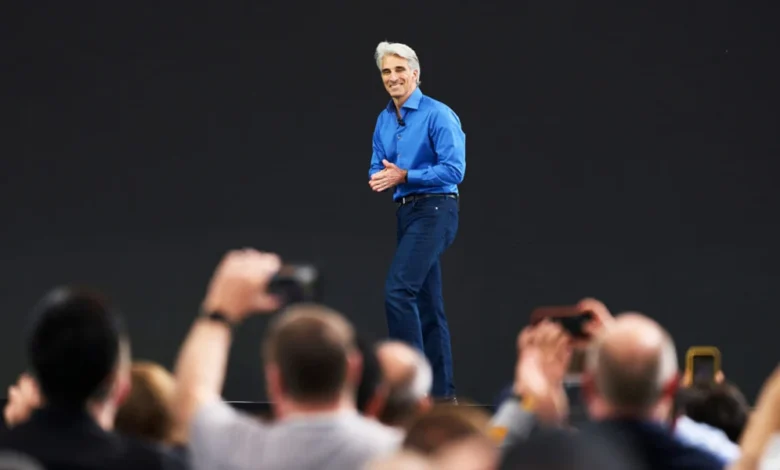
In a significant pivot for the technology giant, Apple’s leadership is reportedly navigating a period of intense internal friction as CEO John Ternus pushes for a more aggressive trajectory in the company’s software and artificial intelligence roadmap. The directive, which centers on the performance of Senior Vice President of Software Engineering Craig Federighi, signals a potential turning point for a company that has long prioritized deliberate, measured releases over the rapid, iterative pace common among its Silicon Valley competitors.
The tension, detailed in recent reports by Bloomberg, highlights a fundamental misalignment between the current software development culture at Apple and the urgent demands of the modern generative AI era. As competitors like Google, Microsoft, and OpenAI continue to set the narrative in the AI space, the pressure on Apple to transform Siri from a basic voice assistant into a sophisticated, agentic intelligence system has reached a critical juncture.
A Shifting Management Paradigm
The core of the current internal debate stems from a recent closed-door meeting between John Ternus and Craig Federighi. Since the departure of Apple’s previous AI lead, Federighi has assumed the role of the company’s de facto "AI czar." However, Ternus, having taken the reins as CEO, has signaled that the current pace of innovation is insufficient. The directive from the executive suite is clear: move beyond incremental improvements to Siri and embrace a more rapid, high-stakes development cycle.
This shift represents a significant challenge for Federighi, who has cultivated a management style defined by extreme attention to detail and a hands-on approach to every facet of software design. While this methodology has historically ensured the high-quality, polished user experience for which Apple is renowned, it has also created a bottleneck. Insiders have described a culture where competing ideas often struggle to gain traction against Federighi’s rigorous, often adversarial, debate process. By leveraging his deep technical expertise, Federighi has maintained a firm grip on product direction, but critics within the organization argue that this approach leaves little room for the lateral thinking required to compete in the fast-moving AI sector.
The Challenge of Long-Term Planning
One of the most profound structural differences highlighted in the ongoing internal review is the discrepancy between hardware and software planning horizons. Historically, Apple’s hardware engineering division has operated on multi-year development cycles, planning technologies and form factors long before they reach the consumer market. In contrast, the software division under Federighi has largely functioned on a 12-to-18-month roadmap.
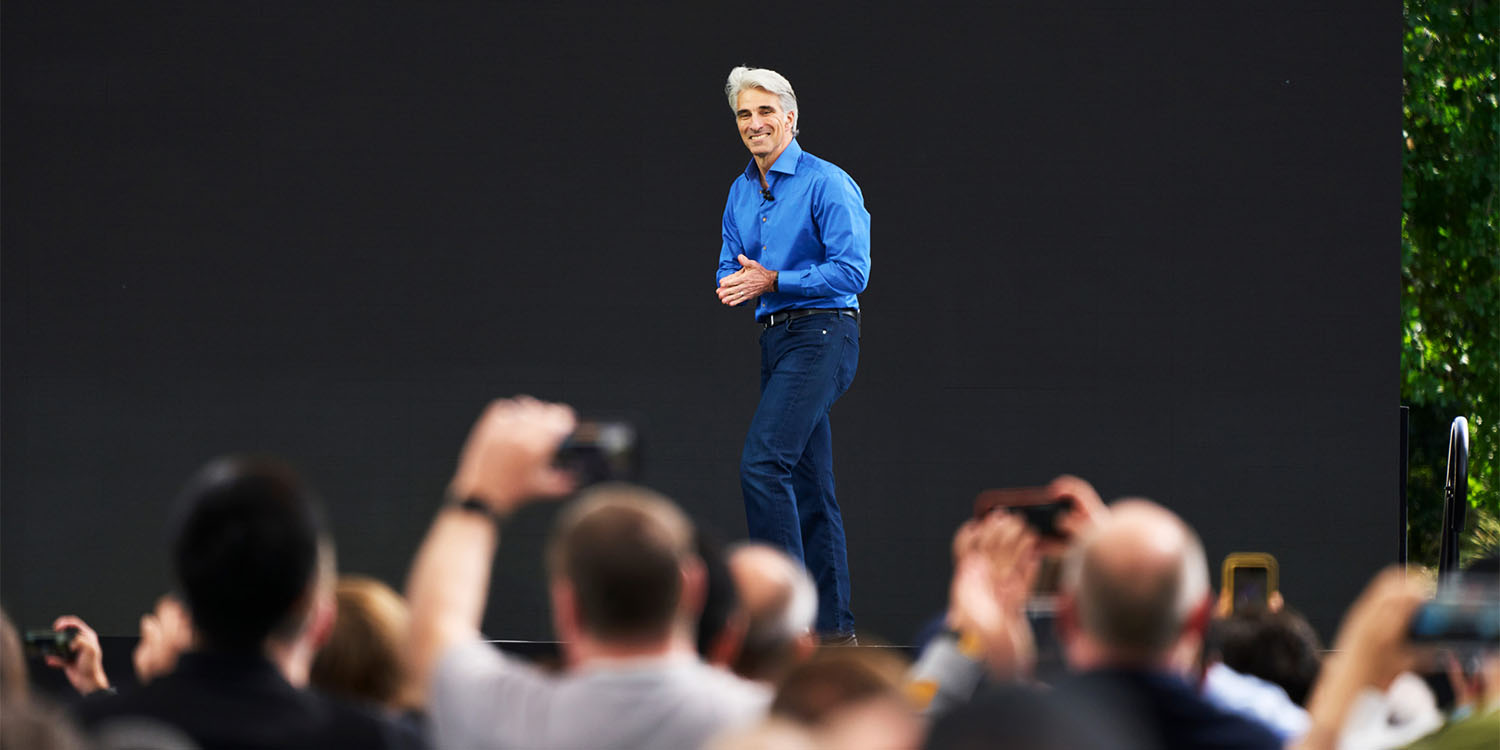
This short-term focus has proven successful for annual iOS updates, but it is increasingly viewed as a liability in the development of foundational AI models. AI development requires massive, long-term investments in compute, data curation, and architecture design—processes that do not fit neatly into a 12-month release cycle. For Apple to close the gap with its competitors, analysts suggest that the company must align its software strategy with the long-term vision typically reserved for its silicon and hardware divisions.
Leadership Instability and Future Risks
Adding to the complexity of this strategic pivot is the potential departure of key personnel. Mike Rockwell, a long-serving vice president who has been instrumental in both the development of the Vision Pro headset and the recent overhaul of Siri, is reportedly considering stepping down.
Rockwell’s potential exit comes at a precarious time. His leadership was pivotal in navigating the development of Apple’s new AI initiatives, particularly after a protracted two-year delay that caused significant frustration among stakeholders. Should a figure as central to Apple’s "next big thing" strategy depart, it would leave a void in both the Vision Pro and AI divisions, forcing the company to expedite succession planning—a process that has historically been a low priority for the current software leadership.
Structural Changes to the Development Pipeline
In response to these challenges, Apple is reportedly experimenting with a new development pipeline designed to foster innovation and efficiency. Recognizing that the integration phase of software development—the time spent ensuring various components work seamlessly together—often consumes the majority of an engineer’s time, Apple is looking to streamline this process.
The proposed changes include giving engineers 50% more time to dedicate to coding and independent exploration, rather than focusing solely on integration. This shift is partially facilitated by the increasing capabilities of AI-powered coding agents, which can handle routine debugging and boilerplate code generation. By automating these lower-level tasks, Apple aims to empower its top engineering talent to focus on high-level architecture and the creation of "agentic" AI features—AI that can perform complex, multi-step tasks on behalf of the user.
Broader Implications for the Market
The implications of this internal shake-up extend far beyond Cupertino. For years, Apple’s brand has been synonymous with "doing it right" rather than "doing it first." However, in the realm of artificial intelligence, the cost of being late is significantly higher than in the smartphone or tablet markets. If Apple fails to deliver a truly competitive, agent-based AI experience, it risks losing the tight ecosystem lock-in that has driven its revenue for over a decade.

Market analysts observe that Apple is currently in a "show me" phase. Investors are watching closely to see if the company can maintain its signature polish while adopting a more agile, perhaps even "fail-fast," approach to software. The tension between Federighi’s legacy of perfectionism and the new, urgent mandate from the C-suite will likely define the next several years of Apple’s product roadmap.
Historical Context and Competitive Landscape
The current crisis of pace is not entirely unprecedented. Apple has historically been a "fast follower," arriving late to markets—such as the smartphone, smartwatch, and tablet sectors—only to redefine them with superior user experiences. However, the AI revolution is fundamentally different because it is a platform-level shift, not merely a device category.
Whereas Apple could take its time perfecting the iPhone, the company now faces a landscape where AI capabilities are being integrated into the core operating systems of its primary rivals. The "Apple way"—characterized by internal siloing and intense executive oversight—is being tested against the more open, collaborative, and rapid-release models favored by companies like Meta and Google.
Moving Forward: The Need for Decentralization
For Apple to succeed in this transition, experts suggest that a degree of decentralization may be necessary. If Federighi is to remain at the helm, he may need to delegate more authority to emerging leaders within the engineering org. By allowing sub-teams to act with greater autonomy, Apple could potentially accelerate its development cycles, allowing for more diverse ideas to reach the prototype stage.
Furthermore, the integration of generative AI into the Apple ecosystem is not merely a software task; it is a hardware-software synergy problem. With the development of the A-series and M-series chips, Apple has the most efficient hardware in the industry for running on-device AI. The company’s success will ultimately depend on its ability to marry this hardware prowess with a software strategy that is as nimble as it is secure.
As the company prepares for the next phase of its software evolution, the focus will remain on whether these organizational changes can produce tangible results. The directive from John Ternus is a clear acknowledgment that the status quo is no longer an option. Whether this leads to a successful transformation of the company’s development culture or further instability remains one of the most significant questions in the technology industry today. For now, all eyes are on the leadership at Apple to see if they can reconcile their past successes with the future demands of an AI-driven world.