The Winning Shot: How a Drone Captured an Extraordinary Moment of Human Endurance on an Arctic Glacier

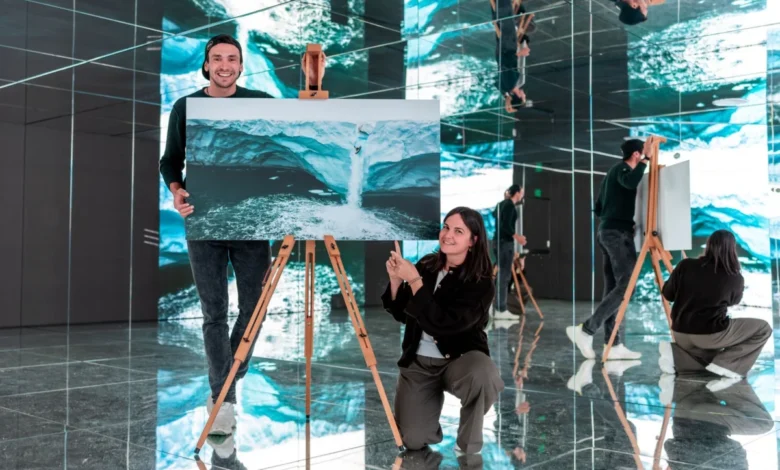
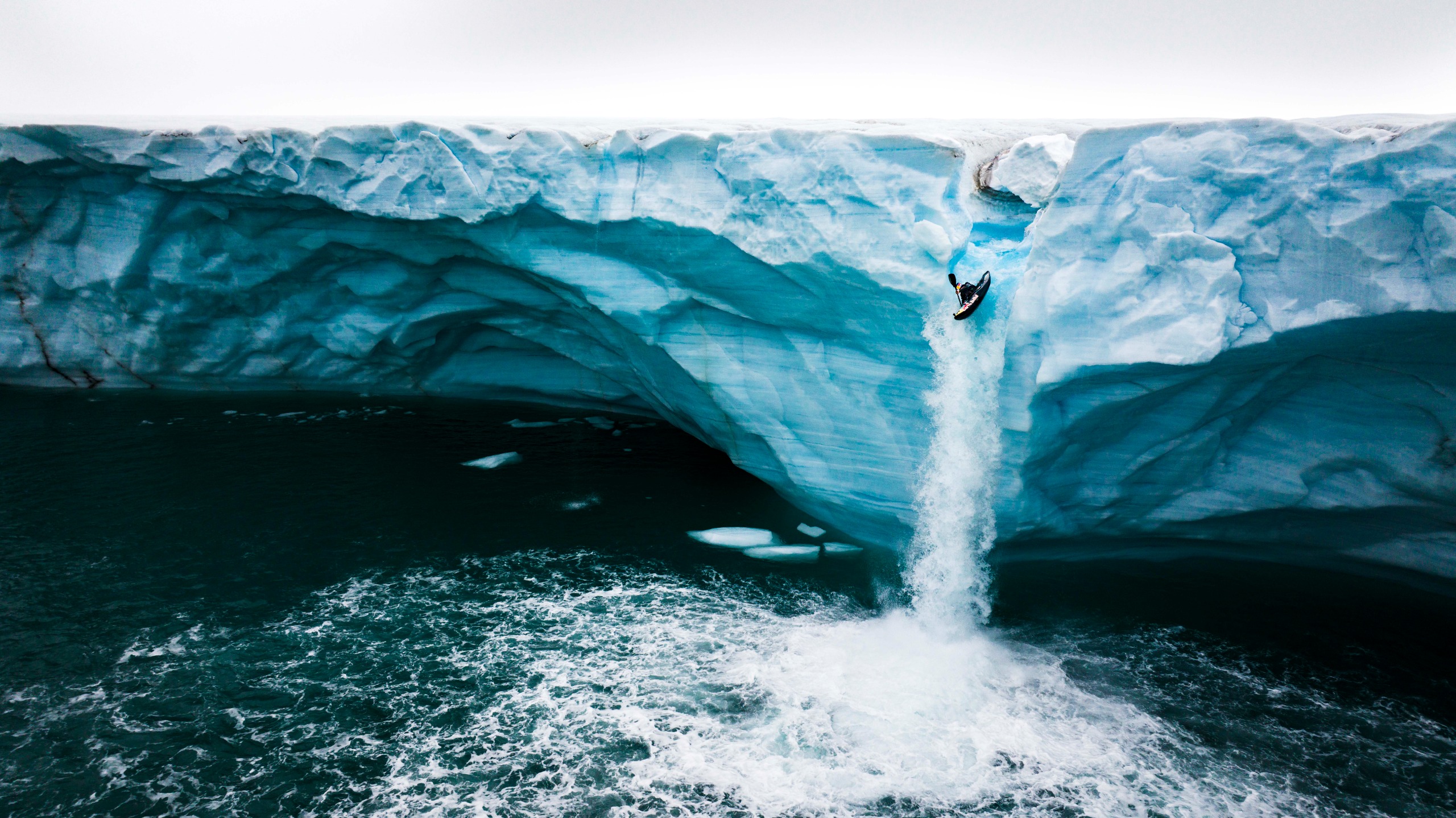
At first glance, the image appears to be a study in minimalist abstraction, a vast, imposing wall of blue-white glacial ice dominating the frame, contrasted against a flat, sterile sky and dark, churning waters. Only upon closer inspection does the eye register the minute, human presence: a lone kayaker, Aniol Serrasolses, captured in the precise moment of plunging down a waterfall carved into the side of a Norwegian glacier. This striking photograph, taken by Chilean lensman Gonzalo Robert Parraguez in the remote wilderness of Svalbard, has been crowned the winner of the Adventure Category at The Illume Awards 2026, marking a significant milestone in the intersection of extreme sports and technical photography.
The accolade serves as a testament to the evolving nature of adventure photography, where the traditional reliance on heavy, terrestrial equipment is increasingly being challenged by the agility and precision of high-end aerial technology. Rather than utilizing a DSLR or mirrorless system equipped with a telephoto lens, Parraguez secured the winning shot using a DJI Mavic 3 Pro, a choice that underscores how modern drone technology has democratized the ability to capture remote, high-risk environments.
The Technical Execution of an Impossible Shot
The technical specifications of the photograph are as impressive as the composition itself. Captured at 1/1000 sec, f/2.8, and ISO 100 with a 24mm focal length, the image demonstrates the capability of the Mavic 3 Pro’s sensor to handle high-contrast environments. The high shutter speed was essential to freezing the motion of the kayaker, ensuring that Serrasolses remained sharp against the chaotic backdrop of cascading water. Meanwhile, the decision to keep the ISO at its base setting of 100 was a calculated move to preserve the fine textural details of the ancient ice, preventing the noise that often plagues digital photography in low-light or high-dynamic-range conditions.
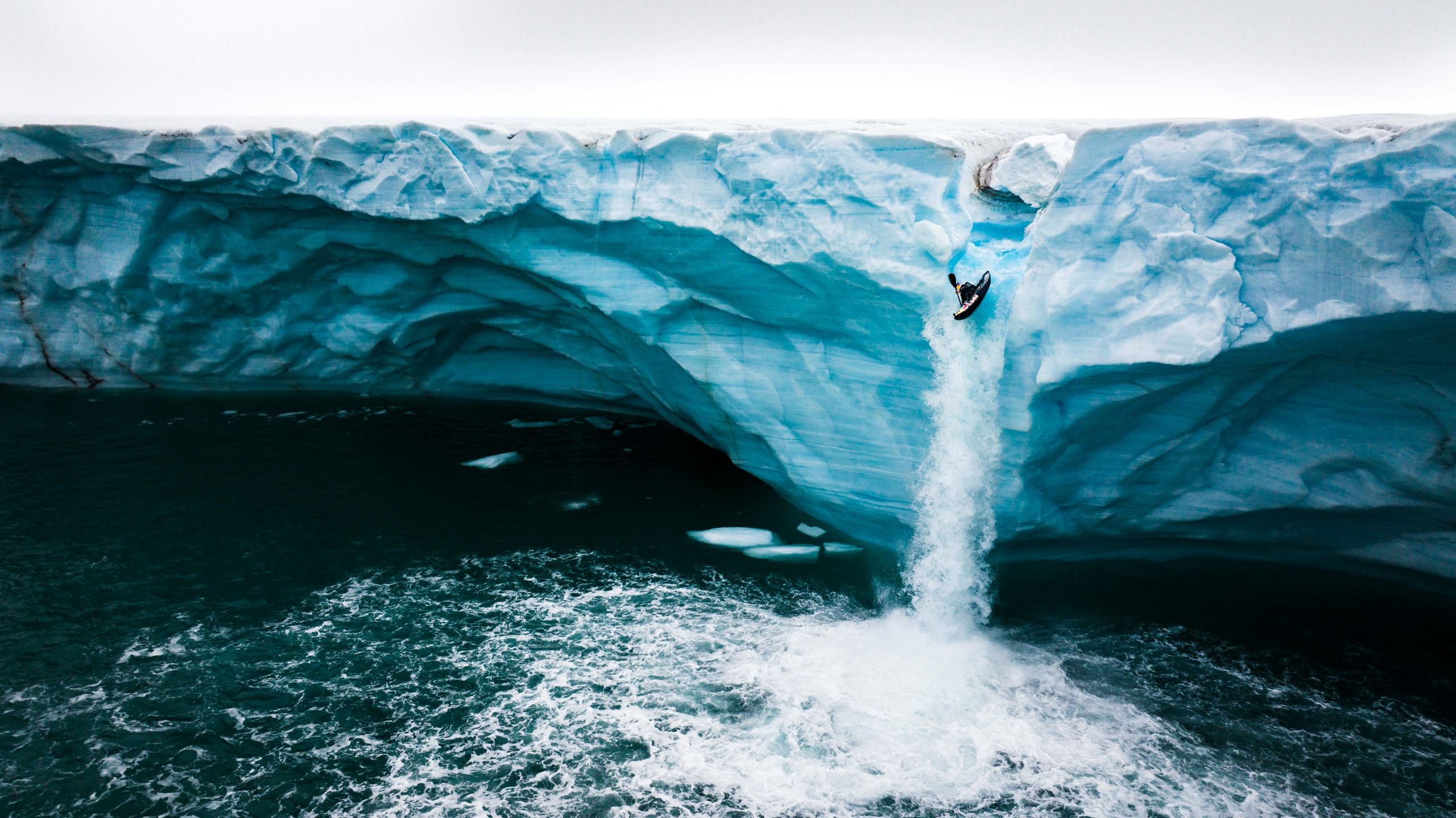
The choice of equipment was not merely a matter of convenience, but a necessity dictated by the unforgiving terrain of the Arctic. Hovering over the turbulent water, the drone provided an vantage point that would have been virtually impossible for a human photographer to occupy safely. The aerial perspective allowed Parraguez to flatten the perspective of the glacier, emphasizing the sheer scale of the landscape compared to the fragility of the athlete. By keeping the subject small and positioned off-center, the photographer successfully evoked a sense of isolation and the profound risk inherent in the stunt.
Contextualizing The Illume Awards 2026
The Illume Awards, an annual celebration of the most compelling adventure and action sports imagery, has grown into a benchmark for global outdoor photographers. The 2026 edition of the competition saw a record number of entries, with a judging panel comprised of industry heavyweights, including acclaimed photographer and author Chris Burkard, filmmaker Savannah Cummins, and creative director Tim Kemple. The panel’s collective expertise ensured that the winning selection was judged not only on its aesthetic impact but also on the level of technical difficulty and the narrative weight of the image.
Christian Bugnon, publisher of Sidetracked Magazine and a key figure on the judging panel, noted that the winning entry displayed a "perfect harmony" between the raw, indifferent majesty of the glacial landscape and the absolute, singular commitment of the athlete. For the judges, the image represents the pinnacle of "action sports" photography, where the narrative is not just about the sport itself, but about the relationship between the human element and the natural world.
The Human Element: Aniol Serrasolses and the Arctic Expedition
While the photographic achievement is significant, it is inextricably linked to the physical prowess and preparation of Aniol Serrasolses. The expedition to Svalbard was a massive undertaking, requiring logistical coordination that often goes overlooked in the final, polished image. Parraguez has been vocal about the collaborative nature of the project, emphasizing that while the photographer receives the award, the vision for the expedition was driven by the athlete’s desire to push the boundaries of what is possible in extreme kayaking.
"We always talk about the photo, but we rarely talk about the athletes," Parraguez stated following the announcement of the award. "I dedicate this 100% to him: he was the one who pushed for this whole project to happen." This recognition highlights a shift in the industry toward acknowledging the immense logistical and physical labor required to facilitate extreme sports photography. The Arctic setting, far from the reach of traditional rescue or supply chains, meant that the success of the mission relied entirely on the preparedness and endurance of the small team.
The Evolution of Aerial Photography in Extreme Environments
The success of the Mavic 3 Pro in winning such a prestigious award signals a broader trend in professional photography. Drones have evolved from being viewed as novelties or "gimmick" tools into essential gear for professionals working in inaccessible environments. The ability of the Mavic 3 Pro to maintain stability in the erratic wind conditions typical of glacial valleys, combined with its high-fidelity optics, has made it a favorite among photographers who document high-risk sports.
The implications for the industry are profound. With the barrier to entry for high-quality aerial photography dropping, the focus for professionals is shifting from "how to get the shot" to "how to frame the narrative." Photographers like Parraguez are proving that the equipment is only as good as the eye behind the flight controls. The use of a drone in this context did not simply facilitate the shot; it dictated the composition, allowing for the wide-angle, sweeping view of the ice notch that a traditional camera operator, restricted by physical safety, could never have achieved.
The Significance of the "Critical Moment"
Chris Burkard, in his assessment of the winning photo, underscored the concept of the "critical moment"—a term popularized by Henri Cartier-Bresson, but applied here to the high-stakes world of adventure photography. In the context of the Arctic waterfall, the moment of capture was fleeting. If the drone had been positioned a few seconds too early or late, the narrative of the image would have changed entirely.

This level of precision is increasingly required in professional photography. As audiences become more accustomed to high-definition, perfectly composed imagery, the bar for "epic" content continues to rise. The Illume Awards 2026 serves as a snapshot of this trend, highlighting that modern success in the field requires a synthesis of extreme athletic ability, advanced technical mastery, and the patience to wait for a moment that may only present itself once.
Looking Ahead: The Future of Adventure Documentation
As we look toward the 2027 season, the standard set by Parraguez’s work will likely influence the next generation of outdoor photographers. The 2026 winning image is more than just a picture of a stunt; it is a document of a changing climate and a human desire to interact with the most hostile parts of the planet.
Competitions such as The Illume Awards are now serving as vital platforms for highlighting the work of artists who operate in the margins of the globe. With dozens of global photo contests now opening their doors for the 2026-2027 cycle, the industry is witnessing an influx of high-quality submissions that leverage both traditional skills and modern technology.
Ultimately, the Svalbard project stands as a reminder of the power of visual storytelling. Whether through a drone or a traditional camera, the goal remains the same: to transport the viewer to a place they have never been and show them a perspective they would otherwise never see. Through the lens of Gonzalo Robert Parraguez, we are given a brief, breathtaking look at the intersection of human courage and the indifferent, icy beauty of the Arctic—a moment frozen in time, thanks to the seamless blend of human vision and technical innovation.