The Comprehensive 2026 Electric Bike Buyer Guide Hand Tested Across Every Budget Range

The global electric bicycle market has matured significantly, shifting from an experimental niche into an integral component of urban mobility, logistical transport, and recreational adventure. Following years of extensive hands-on evaluations, grueling distance trials, and rigorous component analysis conducted by industry experts, the e-bike landscape in November 2026 presents unprecedented value across every conceivable price point. As manufacturing efficiencies improve and safety standards, such as UL certifications, become standardized, consumers face a buyer’s market characterized by advanced gearboxes, torque-sensing pedal assist, and increased battery capacities.

Market Evolution and Testing Methodology
The evaluation of modern electric bicycles requires a standardized methodology that transcends marketing specifications. Over thousands of miles of real-world testing—spanning steep urban inclines, unpaved gravel trails, and heavy cargo-hauling scenarios—experts examine frame integrity, electrical system efficiency, braking performance, and long-term durability.

The current market is shaped by a transition away from crude cadence sensors toward refined torque sensors, which translate pedaling effort into proportional, natural-feeling motor output. Furthermore, the integration of automotive-grade safety protocols, hydraulic disc braking systems as standard equipment on mid-tier models, and sophisticated internal drivetrains have redefined consumer expectations. To navigate this expansive ecosystem, the market is best categorized by distinct budgetary tiers, ranging from ultra-affordable entry-level models to ultra-premium, car-replacement machines.

Sub-$1,000 Category: Maximum Value on a Tight Budget
The sub-$1,000 electric bike sector represents the entry point for curious consumers hesitant to invest heavily in a new mobility concept. Historically, manufacturing a reliable e-bike under this price threshold necessitated compromising on structural longevity or electrical safety. However, recent manufacturing advancements have introduced viable options that maintain core quality standards.
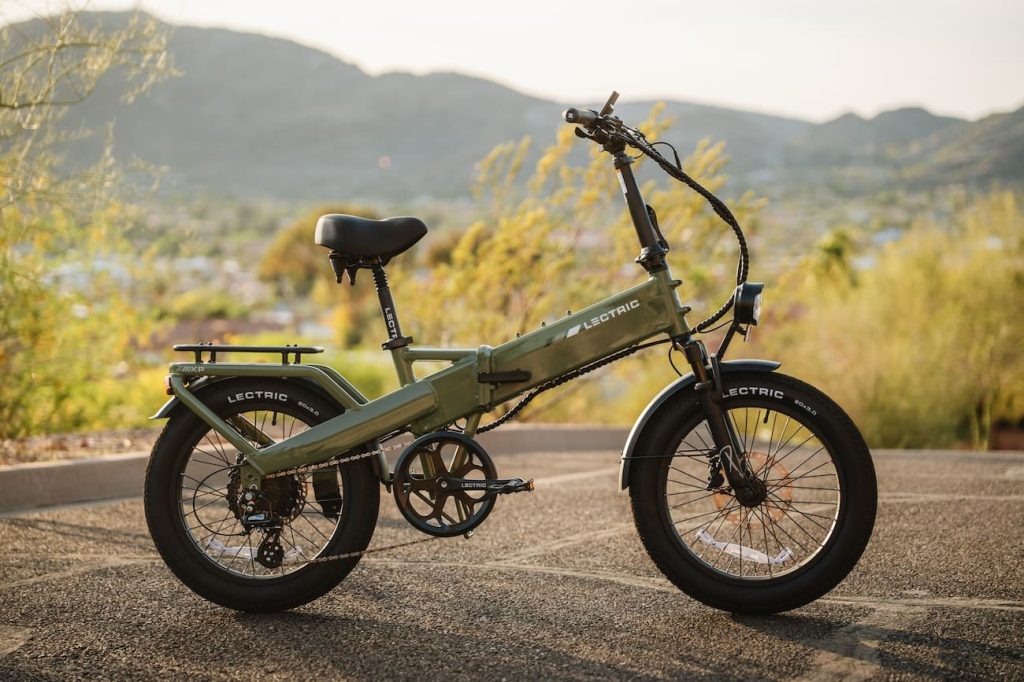
The Lectric XP Lite 3.0, retailed at approximately $799, establishes a benchmark for lightweight, folding budget transport. Unlike many competitors in the sub-$800 bracket that rely on weaker 36-volt electrical architectures, the XP Lite 3.0 utilizes a 48-volt system, delivering superior acceleration and hill-climbing capabilities. Weighing significantly less than full-sized fat-tire alternatives, it features hydraulic disc brakes, a color LCD screen, and optional Gates carbon belt drive systems.

Dominating sales volume in the United States, the Lectric XP4 bridges the gap between ultra-budget models and high-performance commuters. Available in standard and long-range configurations ranging from $999 to $1,299, the XP4 incorporates an 8-speed transmission, torque-sensing pedal assist, and a robust frame capable of achieving speeds up to 28 mph.

Competitors like the Ride1Up Portola 02 series provide alternative folding formats starting at $895. By offering dual battery capacity choices and integrated hydraulic disc brakes, manufacturers in this tier ensure that budget-conscious buyers do not have to forfeit essential safety and performance metrics.

The $1,000 to $2,000 Tier: Versatility and Specialized Platforms
As budgets expand beyond $1,000, the market diversifies into specialized categories, including micro-mobility devices, heavy-duty cargo haulers, and high-speed commuters.
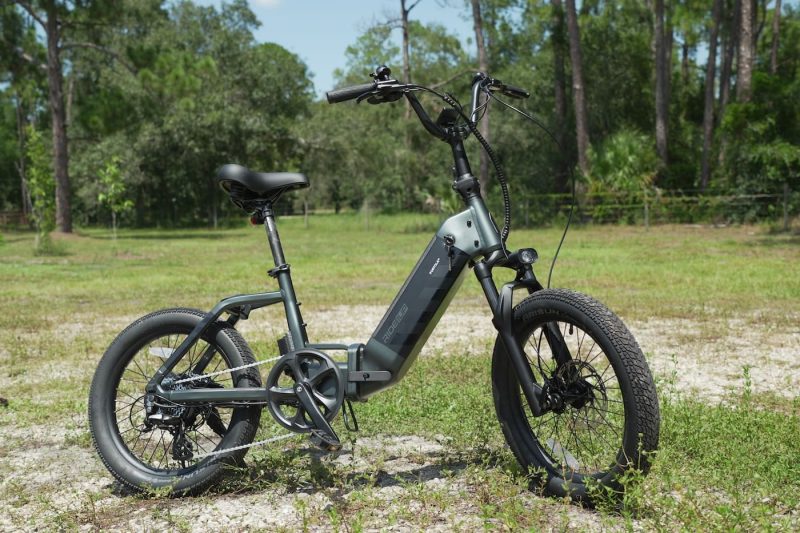
The JackRabbit OG2 redefines ultra-lightweight urban transit. Straddling the classification line between an electric scooter and a compact e-bike, it omits mechanical pedals to achieve an astonishingly low weight of just 25 pounds. Powered by a 300W motor, it serves commuters seeking portability without the bulk of traditional frames.

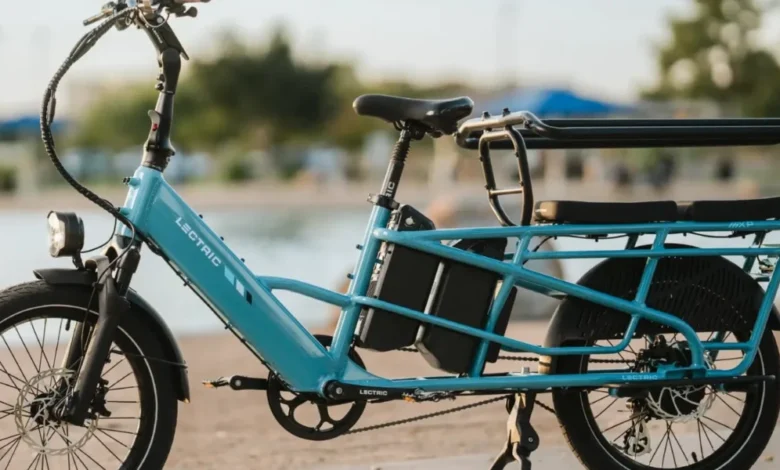
For logistical utility, the Lectric XPedition 2.0 has transformed the cargo e-bike segment. Priced at $1,399, it provides heavy-hauling capacity, dual-battery redundancies, and intuitive torque-sensing technology, making car-free suburban errands financially accessible.

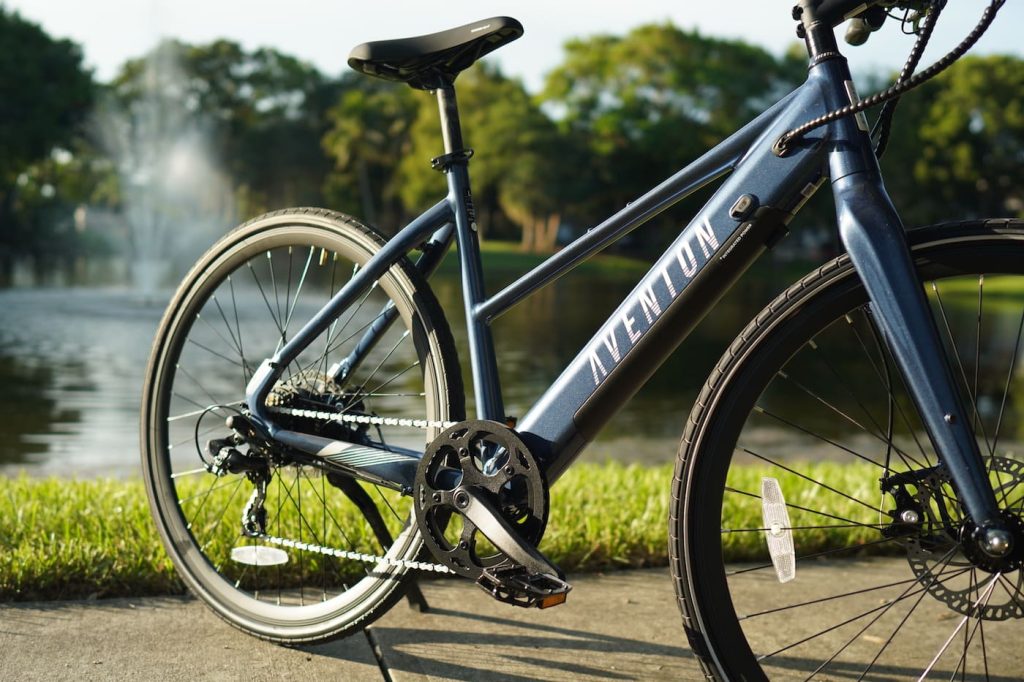
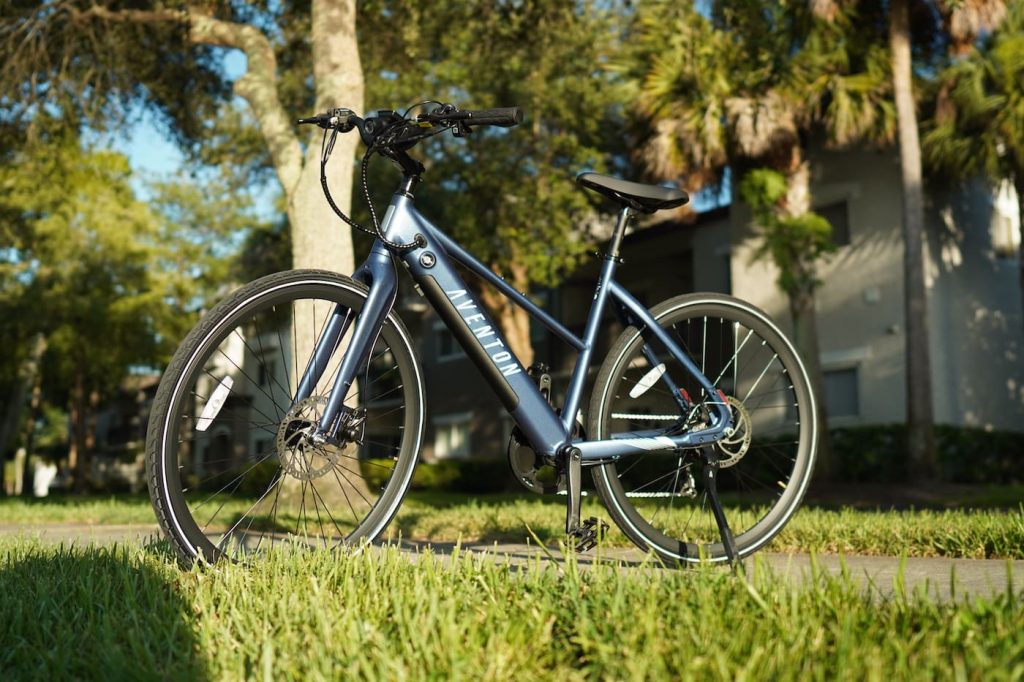
In the commuter and adventure space, models such as the Aventon Soltera.2, Ride1Up Roadster V3, and the newly introduced Ride1Up Vorsa SUV-style e-bike demonstrate sophisticated engineering. The Vorsa, retailing near $1,495, features a 750W hub motor producing 95 Nm of torque, a 100mm suspension fork, and a massive 440-pound payload capacity, outperforming many legacy models priced hundreds of dollars higher. Additionally, brands like Monarc—spun out of Lectric to target premium segments—offer robust offerings like the Marker, featuring four-piston brakes and extended warranties to instill consumer confidence.

Mid-Tier Performance: $2,000 to $3,500
Entering the $2,000 to $3,500 bracket introduces high-end componentry, premium mid-drive motors, and specialized designs tailored for enthusiasts.
The Ride1Up TrailRush brings German-engineered Brose mid-drive performance into the budget mountain biking space. Equipped with Maxxis Minion tires, Tektro Orion quad-piston hydraulic disc brakes, and a RockShox Judy Silver TK Air Fork for $2,095, it challenges traditional cycling brands that charge double for equivalent component lists.
Similarly, the Priority Current Plus utilizes a powerful mid-drive motor capable of 140 Nm of torque, paired with an internally geared hub and a Gates carbon belt drive. This configuration offers zero-maintenance durability for daily commuters. For moped enthusiasts, the Ride1Up REVV1 FS and Ariel Rider X-Class deliver motorcycle-inspired aesthetics, dual-suspension frameworks, and unlocked top speeds exceeding 35 mph for private-property usage.

Cargo solutions in this range, such as the Tern Quick Haul and Xtracycle Hopper, provide refined bicycle geometries that prioritize stable handling over sheer size, proving that utility transport does not necessitate awkward ride dynamics.

Premium and Luxury Class: Above $3,500
For consumers treating e-bikes as primary automobile replacements or high-end sporting goods, the market above $3,500 showcases peak engineering and luxury integration.

The Priority Skyline incorporates Pinion’s 12-speed automatic gearbox, eliminating manual shifting burdens while pairing a carbon belt drive with a 750W hub motor. For ultra-premium folding capabilities, the GoCycle G4i+, designed by a former McLaren automotive engineer, utilizes carbon fiber construction, single-sided wheel mounts, and a fully enclosed drivetrain, commanding a retail price near $6,999.

Cargo heavyweights such as the Tern GSD and Xtracycle Swoop ASM represent the pinnacle of car-replacement technology. Featuring automatic electronic shifting, integrated heavy-duty hauling racks, and automotive-grade hydraulic braking, these machines are built to withstand daily family transport duties across urban environments.

Industry Implications and Future Outlook
The expansion of the electric bicycle market reflects a broader cultural and infrastructural shift toward sustainable, efficient transportation. With component manufacturers introducing advanced automotive-derived technologies—such as automated gearboxes, high-capacity UL-certified battery systems, and integrated tracking software—the gap between traditional bicycles and motorized transport continues to narrow.

Market analysts project that continued competition among direct-to-consumer and hybrid retail brands will drive further innovation, pushing sophisticated torque-sensing and mid-drive technologies into lower pricing tiers. For consumers, the current market offers unprecedented value, ensuring that regardless of budget constraints, reliable and high-performing electric mobility is accessible to the public.