The Evolution of the 14-Inch Form Factor
The rise of the 14-inch laptop is not merely a trend; it is a calculated response to changing workforce dynamics. Early iterations of portable computers often forced a binary choice: sacrifice power for a 13-inch frame or carry the weight of a 15-inch powerhouse. By 2024 and moving into 2025, advances in heat dissipation and battery density have allowed manufacturers to pack high-performance processors—such as Apple’s M4 and the latest Intel Core Ultra 200V series—into thinner envelopes. This evolution addresses the ergonomic concerns of frequent travelers who previously risked repetitive strain from lugging heavier hardware, while simultaneously ensuring that modern office suites, creative software, and browser-heavy workflows function with zero latency.
Benchmark Dominance and Performance Metrics
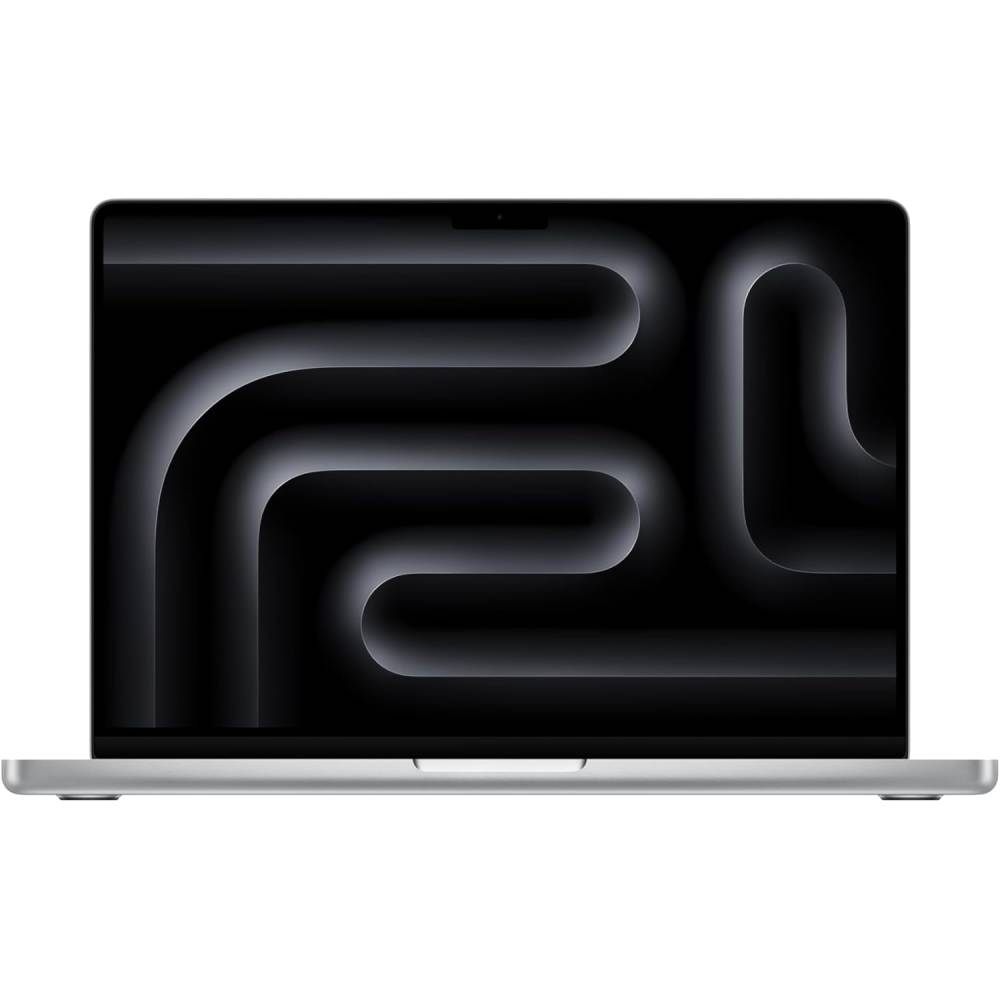
Performance in this category is currently defined by a delicate balance of single-core speed and power efficiency. The Apple MacBook Pro 14 M4 leads the pack, with benchmark scores on Geekbench 6 hitting 15,114. This represents a 21% increase over the previous generation, a substantial leap that underscores Apple’s focus on architecture optimization.
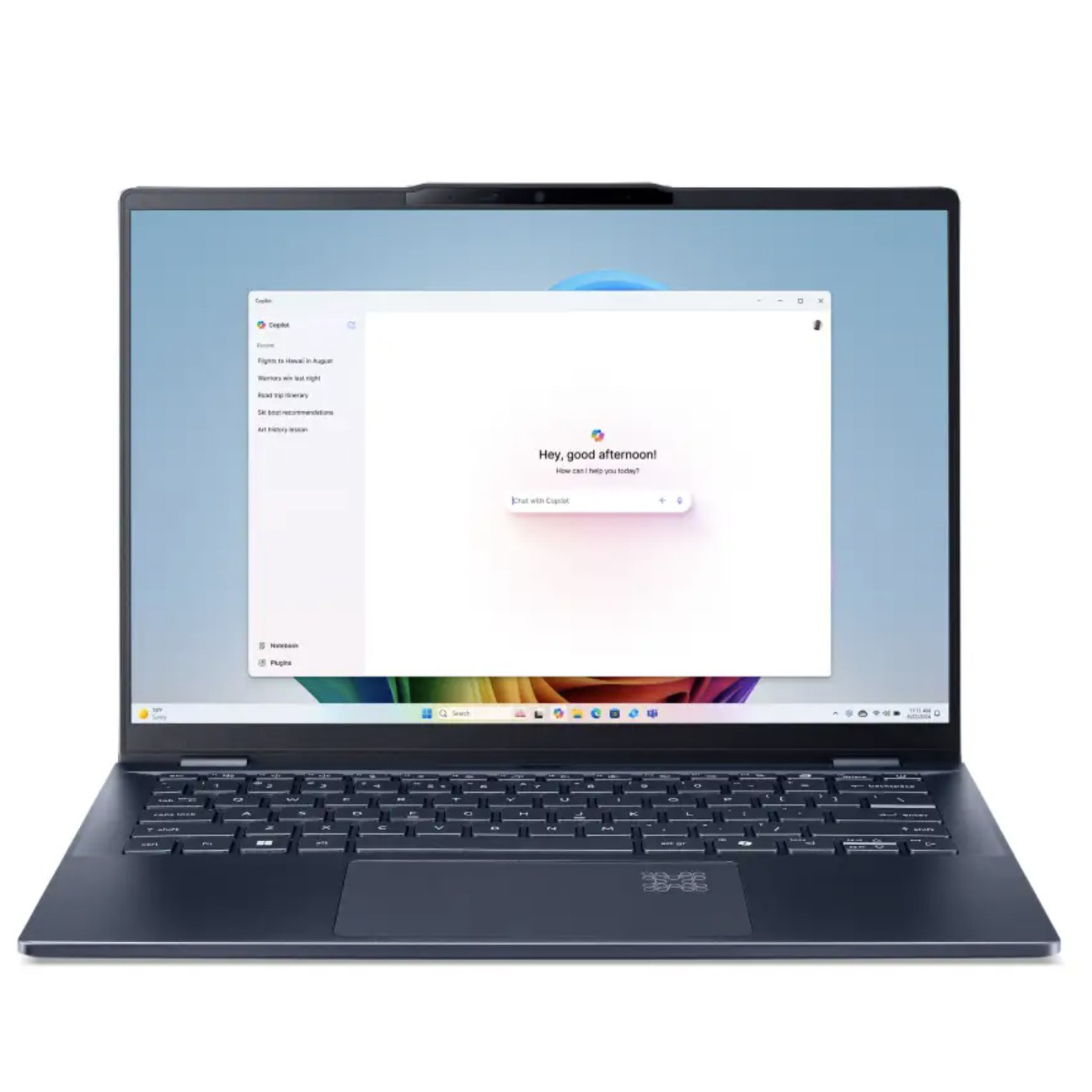
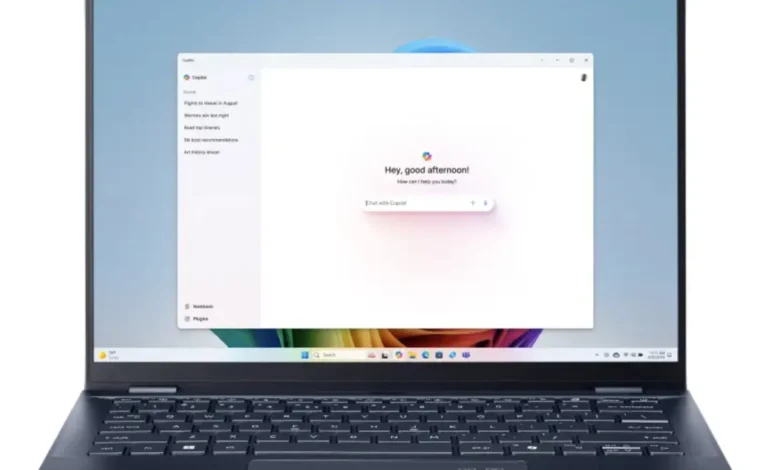
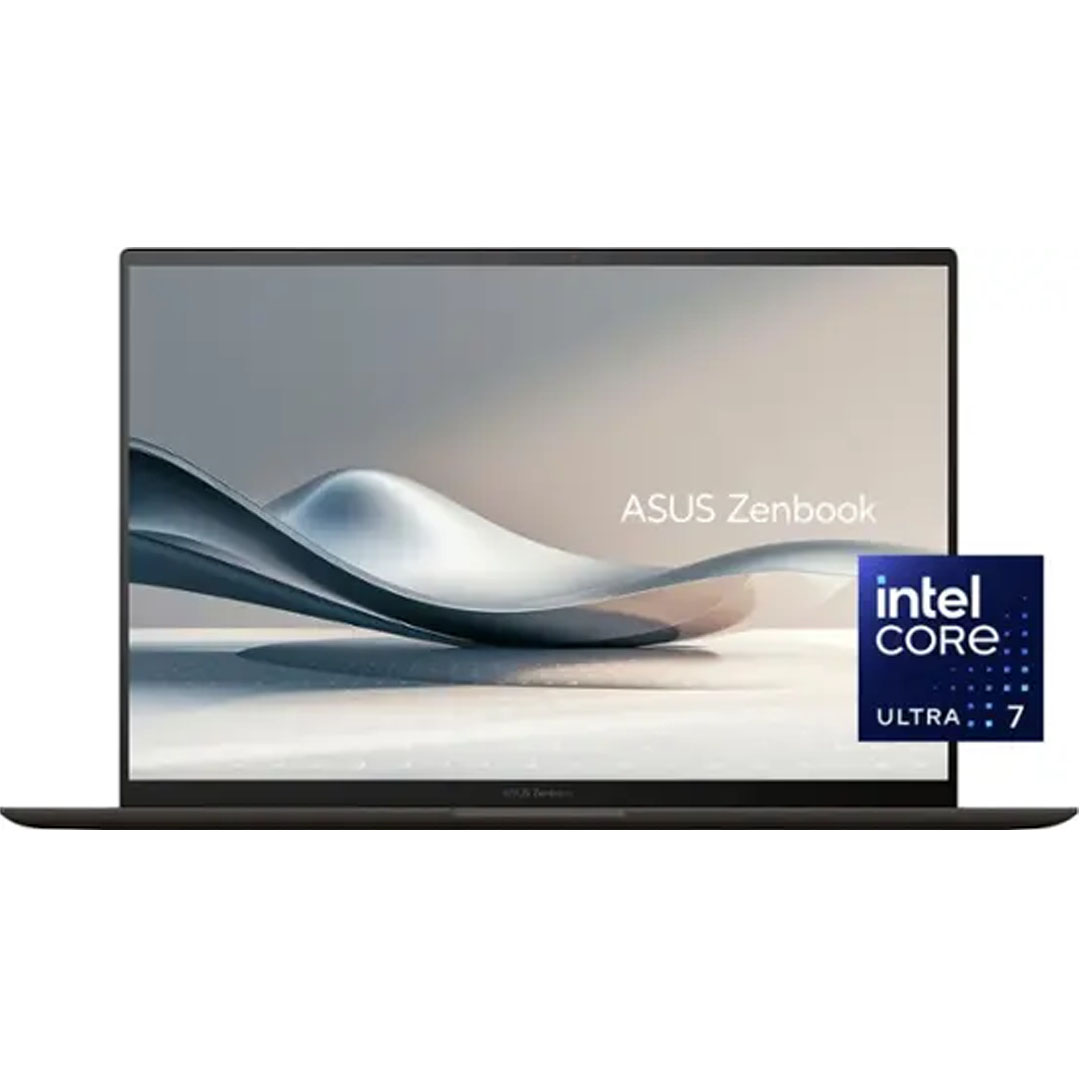
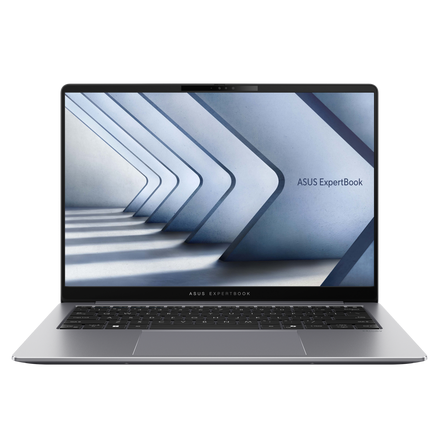
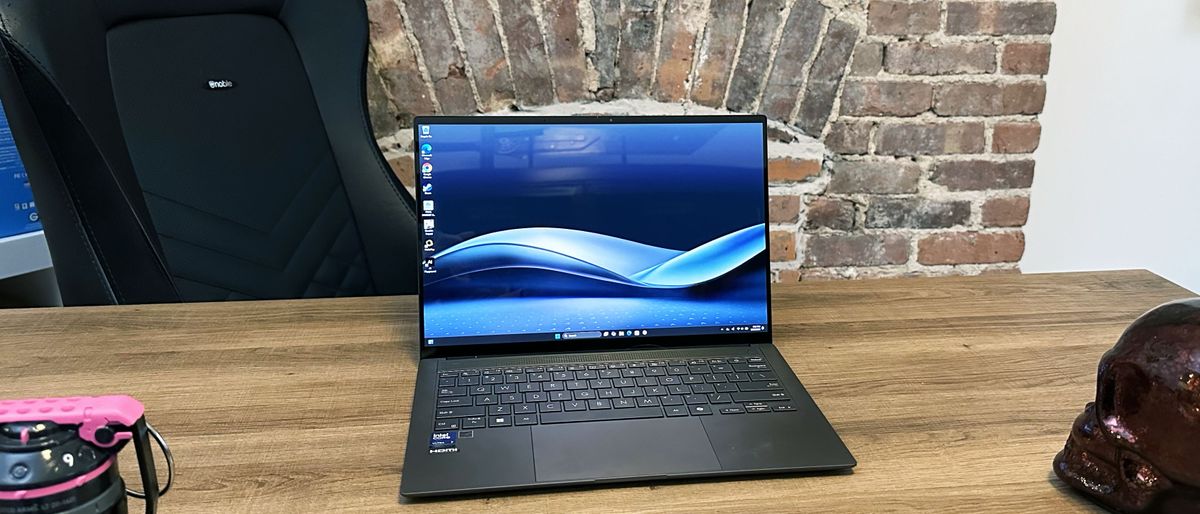
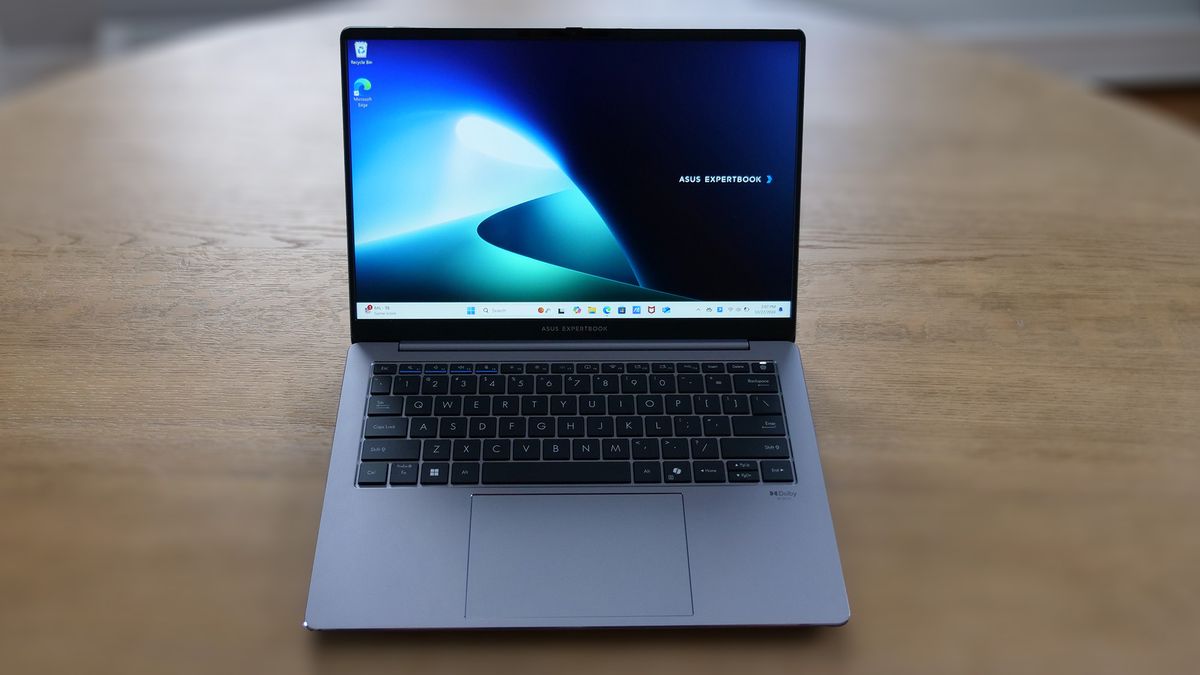
However, the Windows ecosystem is closing the gap with impressive strides. The Asus Zenbook S 14, utilizing the new Intel Lunar Lake architecture, manages to deliver a highly competitive experience for users who prefer the Windows OS. While it may trail the M4 in raw multi-core output, its rapid SSD transfer rates—averaging 1,513 MBps—ensure that file management and application loading times remain lightning-fast. For business professionals, the Asus ExpertBook P5 offers a compelling alternative, focusing on thermal management and port variety. Notably, during rigorous heat testing, the ExpertBook P5 maintained temperatures significantly lower than competitors like the Dell XPS 13, which reached an internal heat threshold of 120 degrees in similar stress tests.
A Detailed Look at Category Leaders
The current landscape of 14-inch devices can be categorized into four distinct user needs: general productivity, budget-conscious reliability, creative multitasking, and gaming portability.
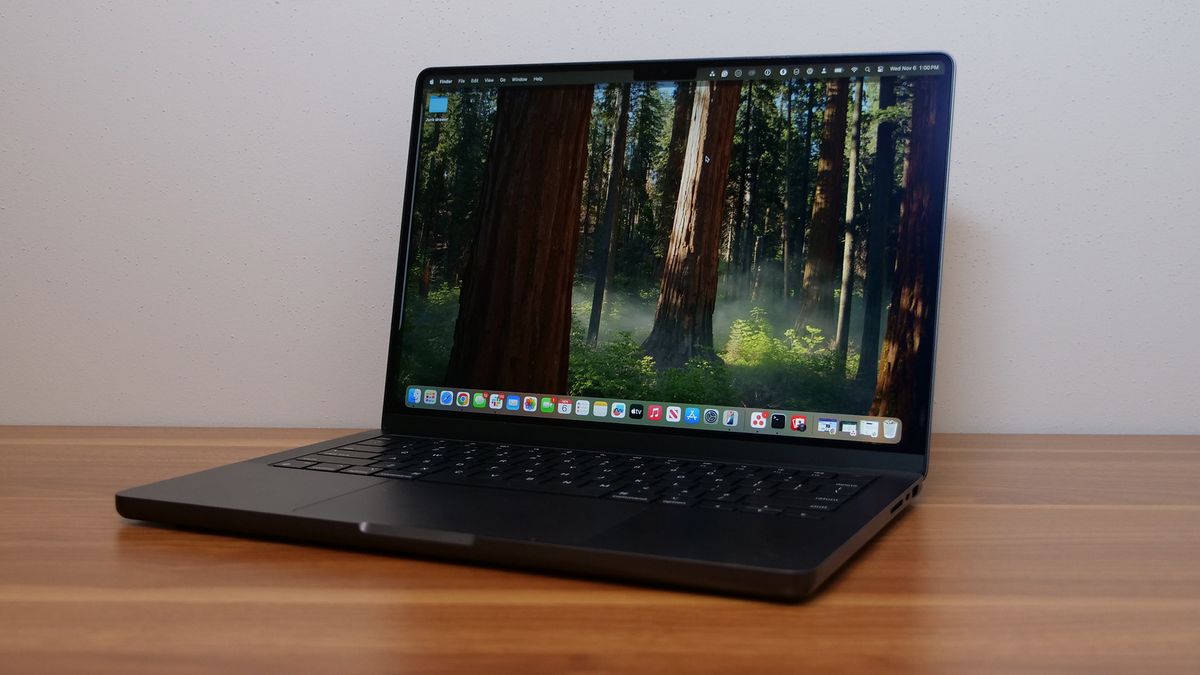
The Apple MacBook Pro 14 M4 remains the industry benchmark for overall quality. Its inclusion of a 14.2-inch Liquid Retina XDR display, capable of 1,096 nits in peak HDR, makes it the preferred tool for color-accurate work. Its battery longevity—reaching over 18 hours in controlled web-browsing tests—sets a standard that few competitors can match.
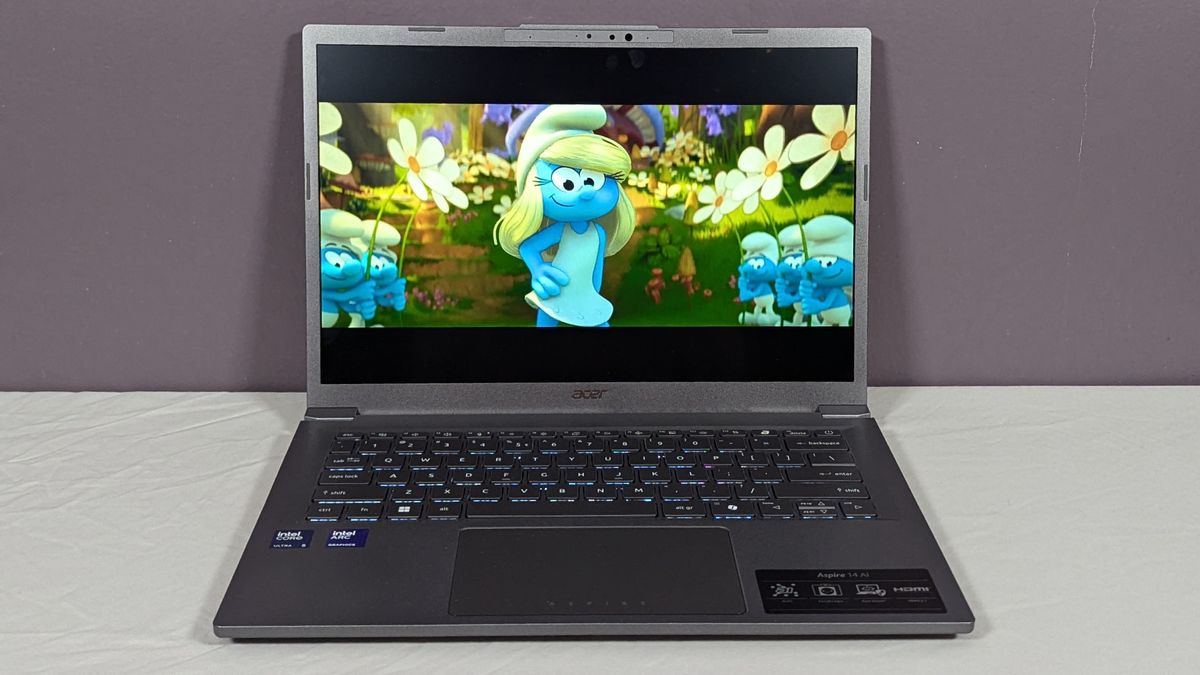
In the budget segment, the Acer Aspire 14 AI has disrupted the market by offering an Intel Core Ultra 5 processor and 16GB of RAM for $700. While the display quality—peaking at 284 nits—is admittedly the device’s primary compromise, it provides a high-value entry point for students and office workers who prioritize performance over screen vibrancy.
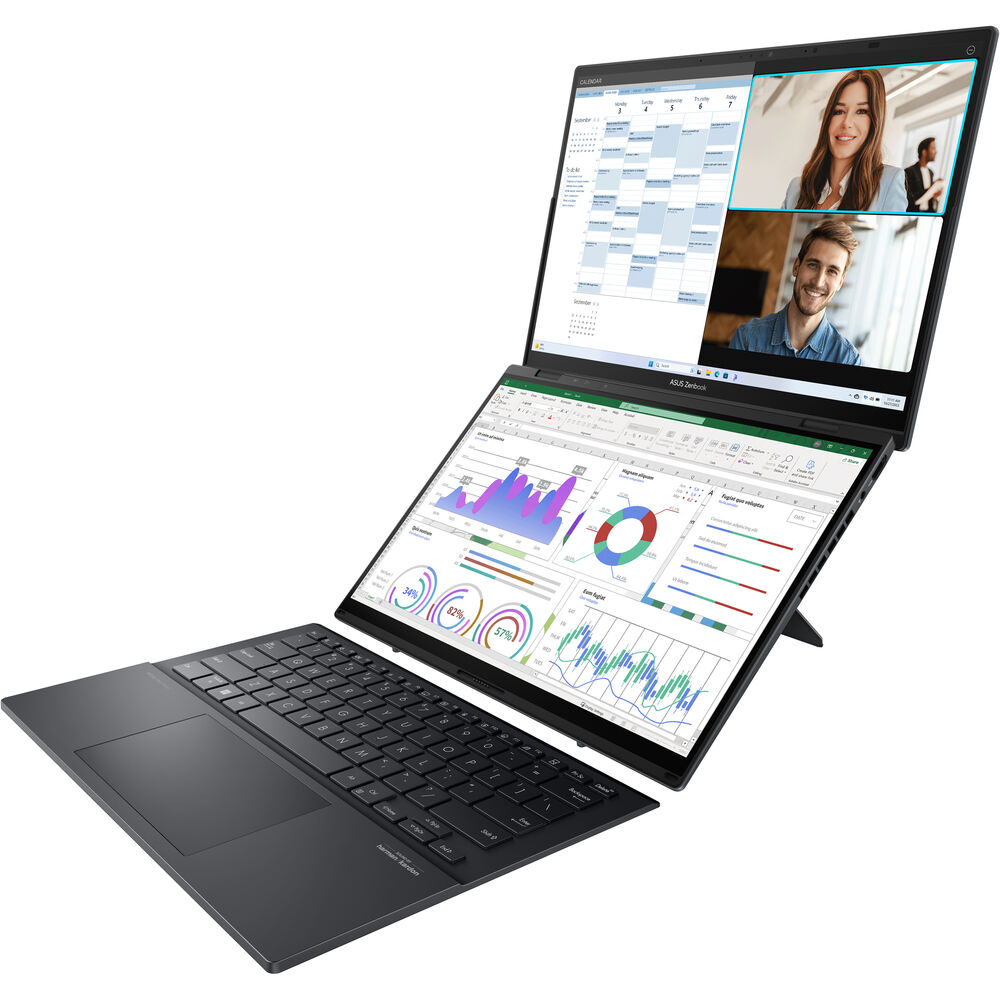
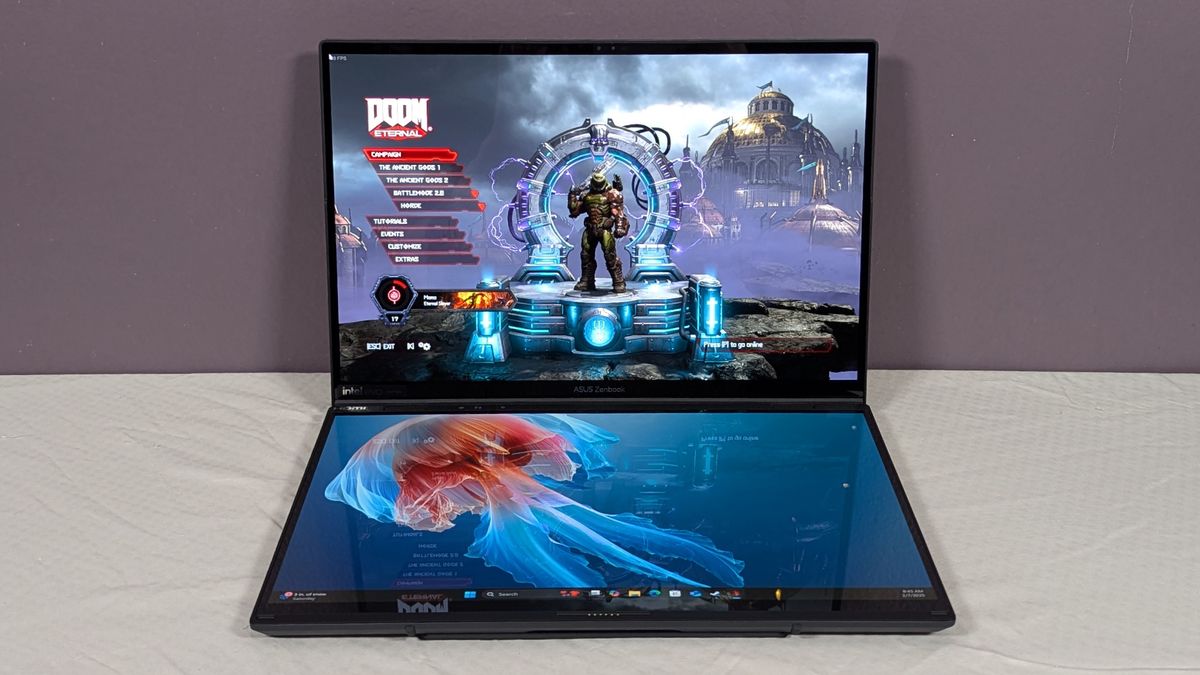
The Asus Zenbook Duo (2025) targets the "power user" who requires dual screens. By providing two 14-inch OLED touch panels, the device effectively replaces the need for a secondary desktop monitor. While this increases the device weight to 3.8 pounds and reduces battery runtime to approximately 8.5 hours, the workflow versatility is unmatched for those who manage multiple data streams simultaneously.
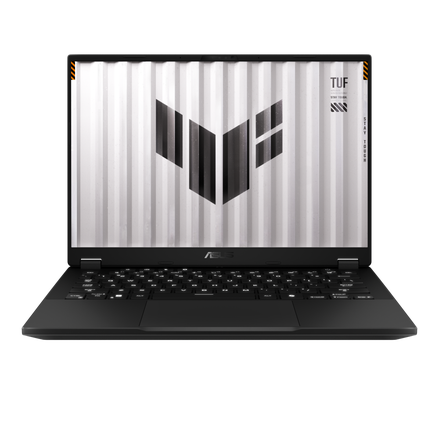
Finally, the gaming sector has been transformed by the Asus TUF Gaming A14. Historically, gaming laptops were heavy, hot, and required a tether to a power outlet. The A14 defies this by delivering 10 hours of battery life and maintaining a 3.2-pound weight, while still housing an Nvidia GeForce RTX 4060 GPU that handles demanding titles at 60+ frames per second.

Implications of Advanced Display Technology
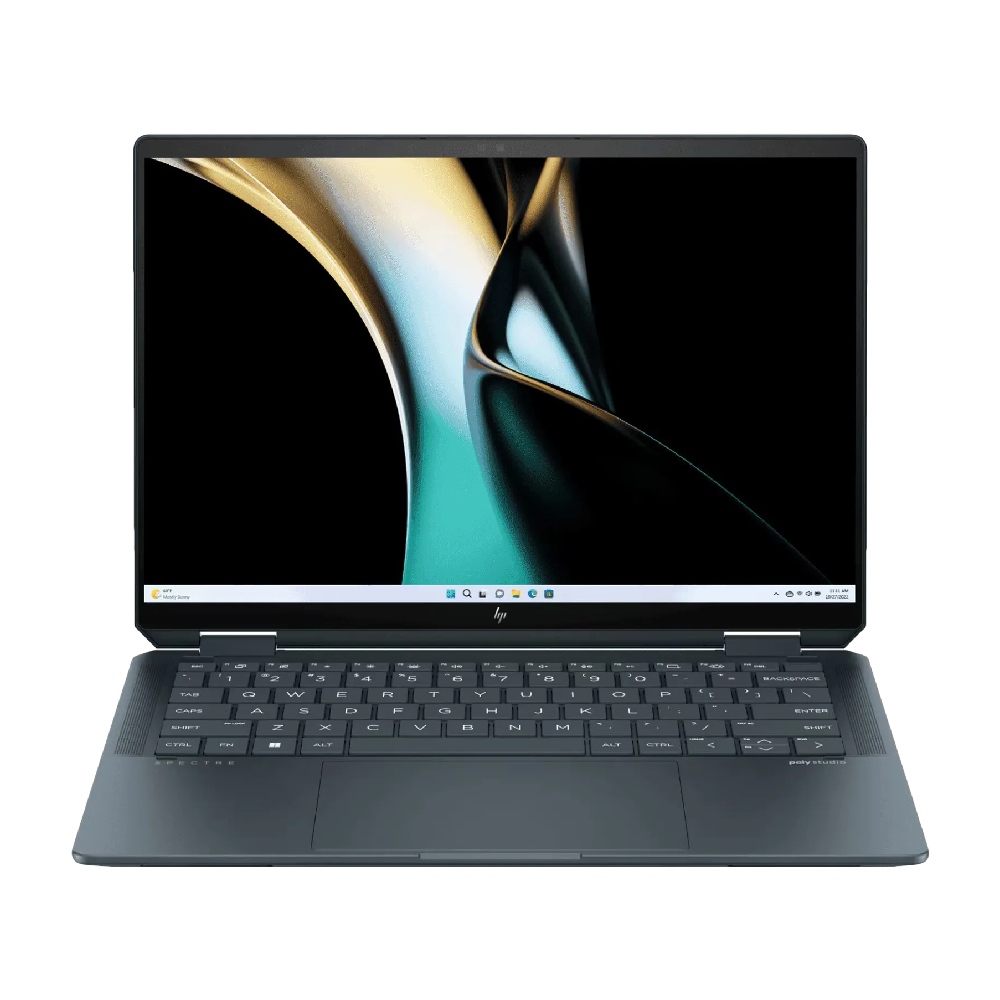
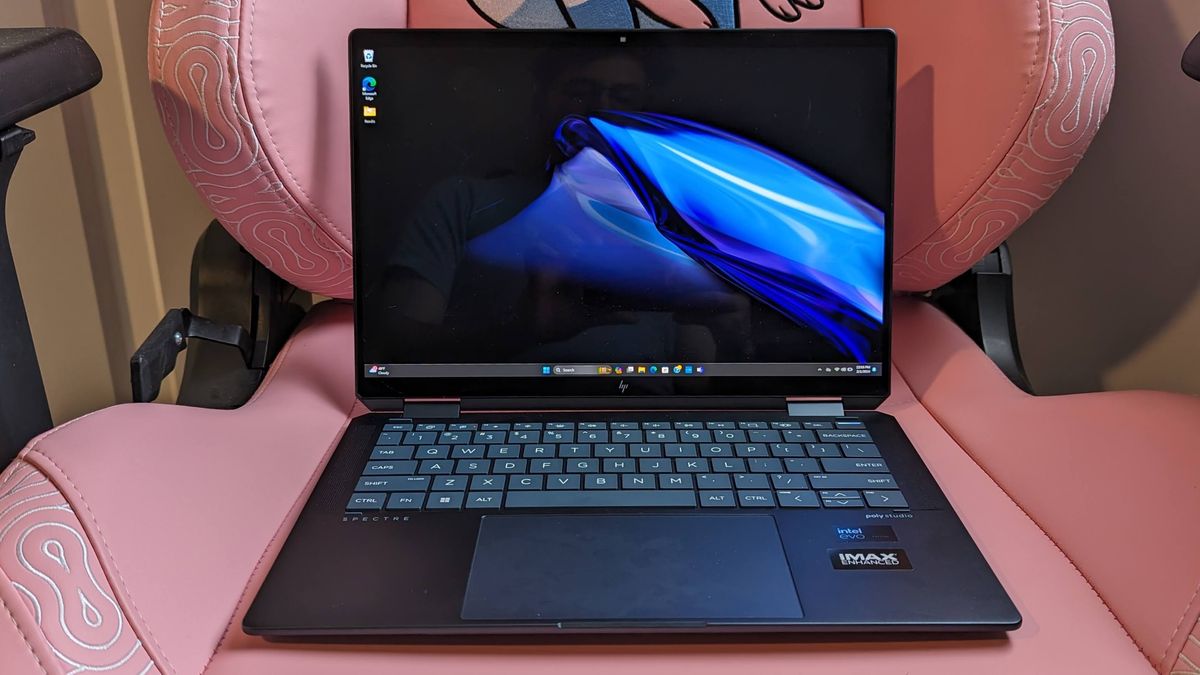
The integration of OLED technology across the 14-inch category has fundamentally changed user expectations for visual fidelity. OLED panels offer deeper blacks and higher contrast ratios compared to traditional IPS screens. While IPS remains the standard for business-class laptops—such as the ExpertBook P5—because of its anti-glare properties and reliability, the move toward OLED in ultrabooks like the HP Spectre x360 14 indicates a market-wide push for premium aesthetics.
However, manufacturers face a persistent challenge regarding color accuracy in the DCI-P3 gamut. While premium models hover around 85-86% coverage, budget-tier models often struggle to hit 50%. This disparity highlights a growing stratification in the laptop market: users who perform professional graphic design are increasingly pushed toward specific, high-cost models, while general users benefit from the "trickle-down" of improved processing power.
Battery Efficiency and Thermal Management
The industry has reached a point where 10 hours of battery life is the minimum requirement for a professional-grade device. The transition to ARM-based processors and the efficiency of Intel’s latest Lunar Lake chips have been the primary drivers of this change. These chips allow for lower power consumption during idle or low-intensity tasks, effectively doubling the usable life of the device compared to hardware from five years ago.
Thermal management remains the "final frontier" for these compact machines. As devices get thinner, the physical space for airflow decreases. The Asus TUF Gaming A14 demonstrates the extreme end of this, reaching 116 degrees under heavy gaming loads, which makes lap-usage ill-advised. In contrast, the ExpertBook P5’s ability to stay below the 95-degree comfort threshold while under load shows that sophisticated internal engineering can mitigate the risks of high-performance computing in a small chassis.
Future Outlook and Consumer Guidance
Looking ahead, the 14-inch segment is expected to continue its dominance as the "goldilocks" size for the global workforce. Consumers should weigh their purchasing decisions based on three core pillars: battery longevity, port necessity, and display type. For those who travel, a device that can last 11+ hours is essential. For those who connect to peripherals, the lack of ports in ultra-thin devices—such as the HP Spectre x360 14—may necessitate the additional cost of a USB-C hub.
The current market suggests that there is no "perfect" laptop, but rather a "perfect fit." The MacBook Pro 14 M4 is the best all-rounder, but the specialized utility of the Zenbook Duo or the affordability of the Acer Aspire 14 AI offers better solutions for specific use cases. As testing protocols become more stringent—incorporating more realistic, multi-threaded workloads and varied screen brightness levels—the data shows that the 14-inch laptop has successfully matured into the most reliable and efficient form factor in personal computing.
The Role of Independent Testing
To ensure objective results, organizations such as Laptop Mag utilize standardized testing, including the use of Klein K10 colorimeters for display testing and Geekbench 6 for CPU evaluation. This rigorous approach is necessary because manufacturer-claimed specs often rely on optimal, lab-controlled environments. By testing real-world tasks like 4K video transcoding and large-file copying, consumers can distinguish between marketing hype and actual performance. As we move further into 2025, these benchmarks will serve as the primary map for consumers navigating a crowded, increasingly competitive, and technologically advanced landscape of portable computing devices.