Canon boosts its two full-frame powerhouses with new enhancements and fixes


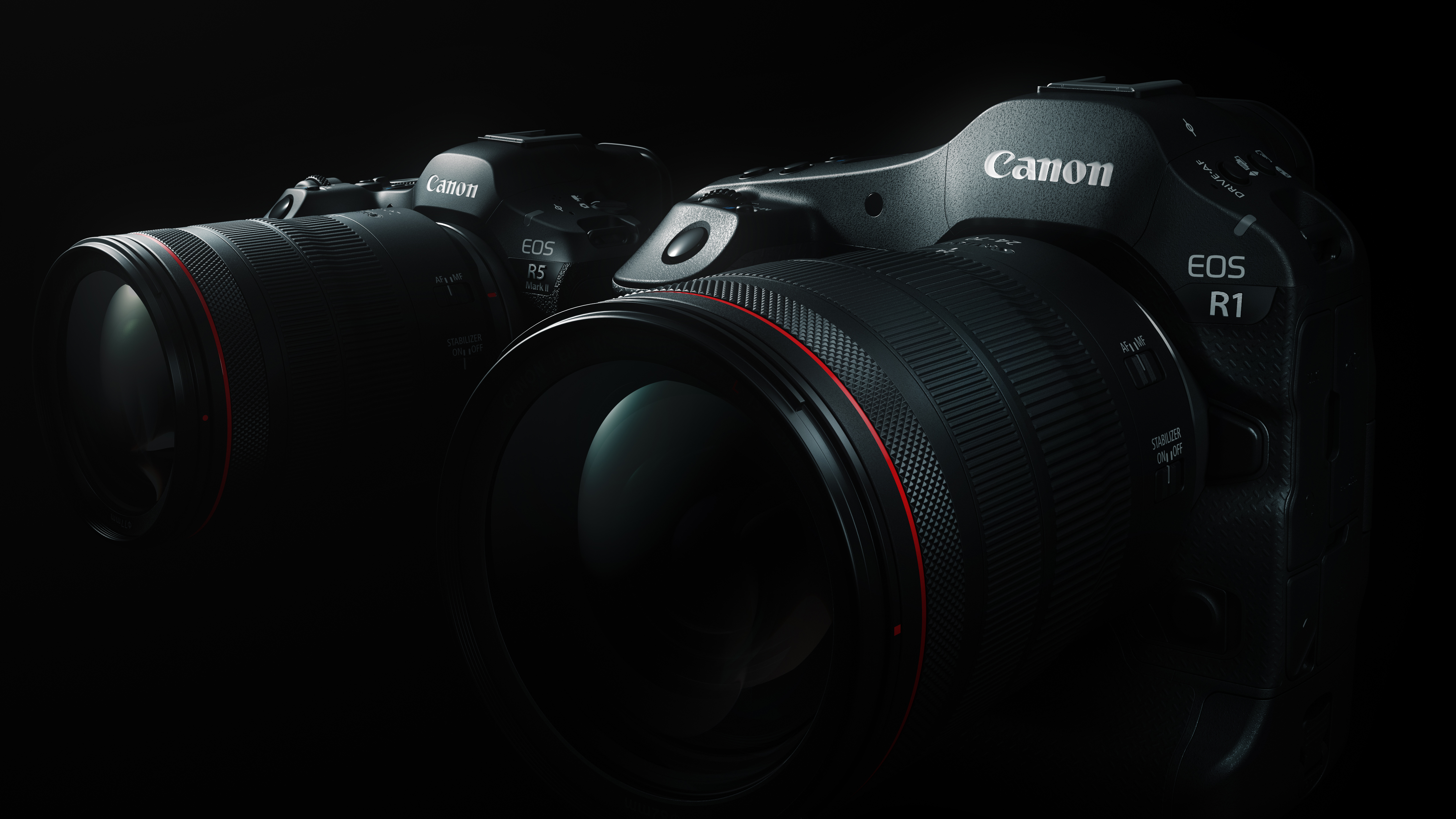
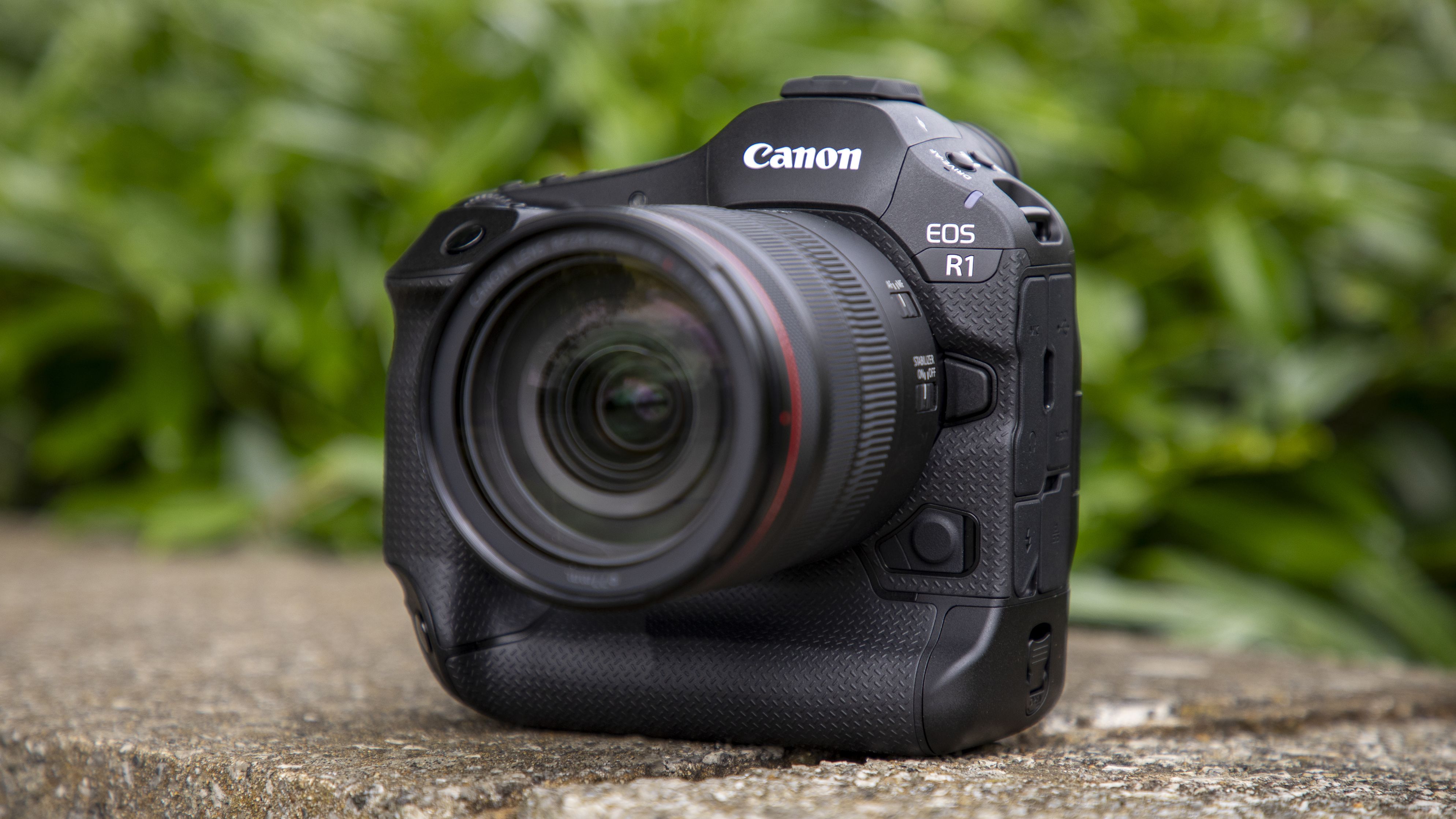
Canon has officially released a significant firmware update, version 1.3.2, for its flagship EOS R1 and the high-resolution hybrid EOS R5 Mark II. These updates serve as a strategic maintenance cycle for two of the most technically advanced mirrorless cameras currently on the market, addressing specific performance bottlenecks and stability concerns identified since their high-profile release in 2024. By optimizing communication between the hardware and software, Canon aims to reinforce the reliability of these devices, which are heavily utilized by professional sports photographers, photojournalists, and high-end video production teams.
The arrival of these cameras in 2024 marked a pivotal moment for Canon’s EOS R system. The EOS R1 was positioned as the successor to the legendary DSLR era, designed to dominate the sports and action photography segments through cutting-edge AI-driven autofocus and ultra-high-speed processing. Simultaneously, the EOS R5 Mark II arrived as the evolution of the industry-standard R5, bringing refined resolution and video capabilities that cater to the demanding needs of hybrid shooters. Both cameras have since become fixtures at major global sporting events, including the 2024 Paris Olympic Games, where their performance was tested under the most rigorous professional conditions.
The Technical Scope of Firmware Version 1.3.2
Firmware version 1.3.2 acts as a corrective measure for operational workflows. The update addresses three primary areas: live view latency, linked shooting connectivity, and overall system stability.
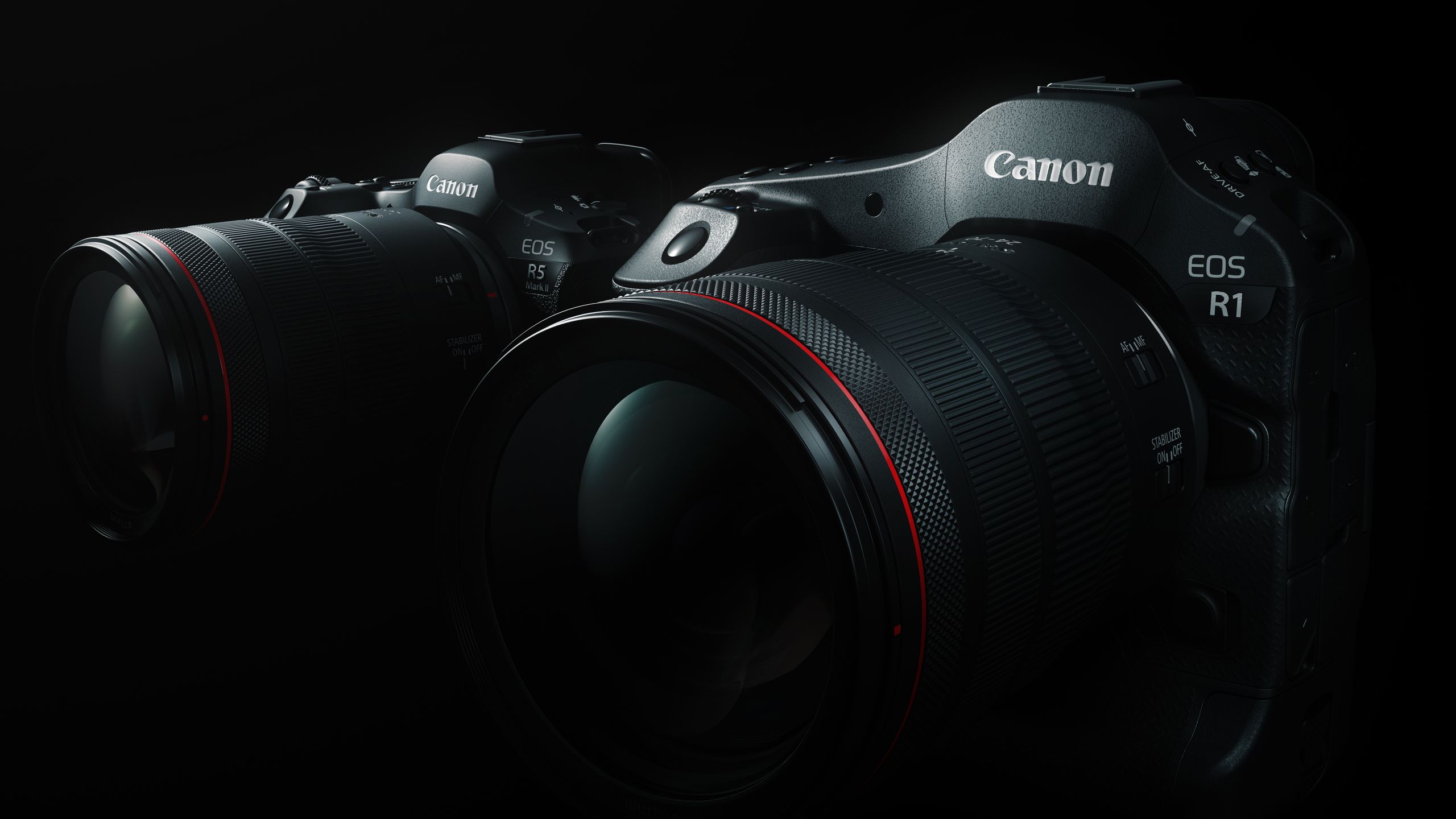
For the Canon EOS R1, the update specifically targets a noticeable lag that could occur in the live view display when the camera is operated via the EOS Multi Remote application. This is a critical fix for professionals who rely on remote setups for stadium photography or unmanned camera positions. Additionally, the update resolves a critical failure where a receiver camera might fail to record images during a synchronized "linked shooting" session when the sender camera is simultaneously pushing data to an FTP server.
The EOS R5 Mark II receives the same connectivity and remote-shooting improvements, with one vital addition: a resolution to an intermittent issue that could trigger an unwanted system restart when shooting with the Dual Pixel RAW feature enabled. Dual Pixel RAW is a specialized file format that allows for fine-tuning of bokeh, micro-adjustments to the point of sharpness, and ghosting reduction in post-production. By stabilizing this feature, Canon ensures that users who utilize this data-intensive mode for high-end studio or portrait work can operate without the risk of mid-shoot system crashes.
Chronology and Evolution of the R-Series
The release of version 1.3.2 follows a standard post-launch support cycle characteristic of high-end digital imaging equipment. When a camera manufacturer releases a new flagship, the initial months are characterized by extensive field testing by thousands of professional users. This "real-world stress testing" often uncovers edge-case bugs that laboratory testing may miss.
Historically, the EOS R system has seen a rapid iterative cycle. The original EOS R5, launched in 2020, saw numerous firmware updates that unlocked 8K video capabilities and improved thermal management over several years. The EOS R1 and R5 Mark II represent the latest iteration of this philosophy, where the hardware remains static, but the "intelligence" of the camera is refined through software.
Industry analysts observe that this approach to firmware is essential for maintaining the value of professional equipment. In a competitive market where mirrorless cameras are increasingly reliant on software-defined features—such as deep-learning-based AF tracking and algorithmic noise reduction—the ability for a manufacturer to patch performance issues via a user-installed update is a critical competitive advantage.
Implications for Professional Workflows
The fixes included in this update are not merely cosmetic; they directly impact the business side of professional photography. For a sports photographer working for a major wire service, a "linked shooting" failure—where one camera triggers others—can mean the difference between capturing the decisive moment of a championship game or coming away with nothing.
The improvement in EOS Multi Remote app performance also signals Canon’s commitment to the growing trend of remote-controlled photography. With the rise of robotic camera heads and integrated stadium networks, the ability to control camera settings and view a live feed with zero latency is no longer a luxury, but a requirement for modern photojournalists.
Furthermore, the patch for the EOS R5 Mark II’s Dual Pixel RAW restart issue highlights the importance of addressing software stability in high-throughput environments. In a professional studio, a camera that unexpectedly restarts during a tethered shoot can cause significant disruption to a client’s session. By eliminating this bug, Canon preserves the professional integrity of the R5 Mark II, ensuring it remains a reliable tool for high-pressure commercial work.
Expert Perspective on Firmware Deployment
Despite the benefits, the photography industry often debates the timing of firmware updates. Digital Camera World’s recent "Bokeh Face" podcast series touched upon this, suggesting that while updates are necessary, there is a "wait-and-see" approach recommended by many professionals.
Historically, major firmware updates have occasionally introduced minor interface glitches or unintended side effects, such as resetting custom menu configurations or introducing conflicts with older legacy accessories. Therefore, the common consensus among working professionals is to avoid installing new firmware on the eve of a critical assignment. The recommendation is to allow a period of "community vetting"—where users on photography forums and technical boards report their experiences—before updating primary production cameras.
For those ready to install version 1.3.2, the process is straightforward. Canon provides dedicated download links for both Windows and macOS, requiring users to copy the update file to a formatted SD or CFexpress card. It is standard practice to ensure the camera battery is fully charged (typically 100% capacity is required by the internal software lock) to prevent a power failure during the rewrite process, which could brick the device.
Broader Impact on the Imaging Industry
The release of these updates underscores the shift in the camera market toward software-centric ecosystems. As Canon, Nikon, and Sony continue to refine their respective flagships, the "camera" is becoming more akin to a computer that happens to take pictures.
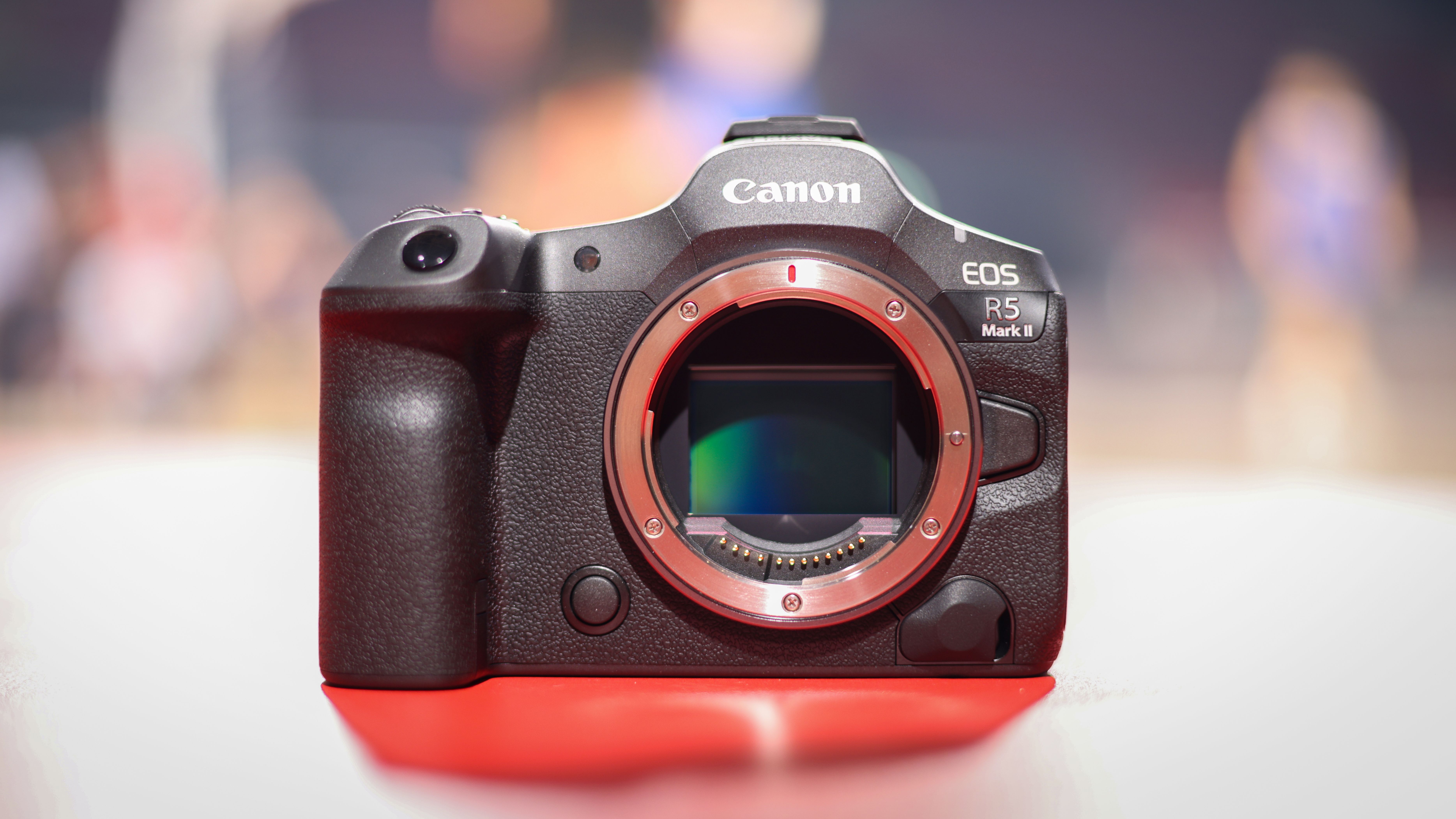
The R1 and R5 Mark II are now widely considered the gold standard for full-frame mirrorless performance. The EOS R1, with its emphasis on speed and connectivity, is successfully bridging the gap between the traditional DSLR workflow and the future of connected, high-speed imaging. The R5 Mark II continues to dominate the hybrid space, offering a level of versatility that serves both video-first creators and high-resolution still photographers.
As Canon continues to iterate, the industry is watching closely to see how the company utilizes these firmware updates to introduce "feature drops" in the future. In the current landscape, firmware is no longer just for bug fixes; it is increasingly used to expand the capabilities of a camera, such as adding new subject-tracking algorithms or improving file compression standards.
For current owners of the Canon EOS R1 and EOS R5 Mark II, the version 1.3.2 update is a recommended installation. By addressing specific bugs and enhancing overall system stability, Canon is fulfilling its commitment to the longevity of these professional tools. As photography continues to evolve, the ability to rely on the stability and technical prowess of these cameras remains a cornerstone for those who depend on their gear for their livelihoods. Users are encouraged to consult the official Canon support portals for their specific region to ensure they are downloading the verified, region-specific firmware files.