Anker 675 12-in-1 Monitor Stand Docking Station Reaches All-Time Low Price of $170 on Amazon, Offering Comprehensive Workspace Solution.

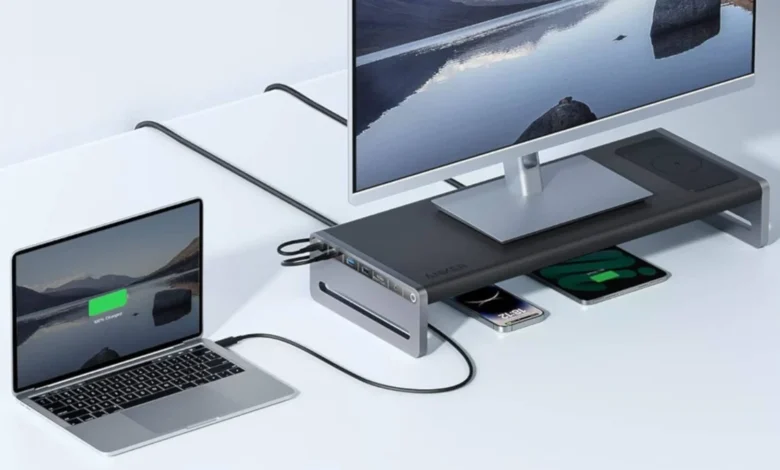
The Anker 675 12-in-1 Monitor Stand Docking Station, a highly anticipated solution for modern workspace challenges, is currently available on Amazon for an unprecedented price of $170, marking its lowest historical cost. This significant discount from its regular retail price of $250 positions the device as an exceptionally attractive investment for individuals seeking to optimize their home or professional office setups. Combining ergonomic benefits with extensive connectivity, the Anker 675 addresses several critical needs for contemporary laptop users, particularly those engaged in remote or hybrid work models.
The Evolving Landscape of Modern Workspaces
The past few years have witnessed a dramatic transformation in how and where people work. The rapid acceleration of remote and hybrid work models has shifted the traditional office paradigm, making the home office an increasingly critical component of professional life. This shift has brought to the forefront the need for efficient, ergonomic, and highly connected personal workstations. Laptops, due to their portability and increasing power, have become the central computing device for millions. However, their sleek, minimalist designs often come at the cost of limited port availability, creating a connectivity gap when users need to integrate multiple peripherals, external monitors, and stable network connections.
Furthermore, prolonged periods of working on laptops, often with sub-optimal setups, have highlighted ergonomic concerns. Hunching over a laptop screen can lead to significant neck, back, and eye strain, impacting long-term health and productivity. This confluence of connectivity limitations and ergonomic deficiencies has fueled a substantial demand for accessories that can bridge these gaps, transforming a basic laptop setup into a fully functional and comfortable workstation. Companies like Anker, known for their innovative charging and connectivity solutions, have been at the forefront of developing products that address these evolving needs.
The Anker 675: A Dual-Purpose Powerhouse
The Anker 675 12-in-1 Monitor Stand Docking Station is a prime example of a product designed to tackle these modern workspace challenges head-on. It ingeniously integrates two essential office components into a single, cohesive unit: a robust monitor stand and a powerful docking station. This dual functionality is central to its appeal, offering a streamlined solution that reduces desktop clutter while enhancing both productivity and comfort.
As a monitor stand, the Anker 675 elevates an external display to an ergonomic height, typically aligning the top of the screen with the user’s eye level. This simple yet crucial adjustment can significantly mitigate physical strain on the neck, shoulders, and back, which are common complaints among those who spend hours looking down at a laptop screen. By raising the monitor, it encourages a more natural posture, contributing to better long-term health and reduced fatigue. The space created beneath the elevated monitor also serves a practical purpose, providing valuable real estate for storing keyboards, mice, notebooks, or other small office essentials, thereby contributing to a cleaner, more organized desk environment. This emphasis on desk organization is not merely aesthetic; a clutter-free workspace has been linked to improved focus and reduced cognitive load, further boosting productivity.
Beyond its ergonomic design, the Anker 675 truly shines as a comprehensive docking station. Modern laptops, particularly ultrabooks and MacBooks, often feature only a handful of USB-C or Thunderbolt ports. This scarcity necessitates external hubs or adapters for connecting legacy devices, multiple displays, or wired internet. The Anker 675 effectively solves this "port poverty" by expanding a single laptop connection into a multitude of useful interfaces.
Comprehensive Connectivity: A Port-by-Port Breakdown
The array of ports offered by the Anker 675 is designed to cater to a wide spectrum of professional and creative needs:
-
100W USB-C Power Delivery (Passthrough Charging): This is a critical feature for modern laptops. The 100W Power Delivery (PD) capability allows the docking station to simultaneously charge the connected laptop at high speeds while also powering all connected peripherals. This eliminates the need for a separate laptop charger, further simplifying cable management and ensuring that even power-hungry devices like 16-inch MacBook Pros or high-end Windows ultrabooks remain topped up throughout the workday. The USB-C PD standard ensures broad compatibility and efficient power transfer.
-
HDMI (4K/60Hz): For users who rely on external monitors, the HDMI port supports resolutions up to 4K at a refresh rate of 60Hz. This capability is essential for crisp, clear visuals, whether for detailed graphic design, video editing, or simply extending a desktop across multiple high-resolution displays. The 60Hz refresh rate ensures smooth motion, which is vital for a comfortable viewing experience during long work sessions.
-
Multiple USB Data Ports (2x USB-C, 3x USB-A): The inclusion of both USB-C and traditional USB-A ports ensures compatibility with a vast range of peripherals. The two additional USB-C data ports cater to newer devices and offer high-speed data transfer, typically at USB 3.0 or 3.1 Gen 1 speeds (up to 5Gbps), suitable for external SSDs or modern accessories. The three USB-A ports are indispensable for connecting older but still widely used devices such as wired keyboards, mice, printers, webcams, and external hard drives. This combination ensures that users can connect virtually any peripheral without needing additional adapters.
-
SD and microSD Card Slots: These integrated card readers are a significant convenience for photographers, videographers, drone enthusiasts, and anyone who frequently transfers data from memory cards. Eliminating the need for external card readers, these slots allow for quick and direct access to media files, streamlining workflows for creative professionals.
-
Ethernet Port: In an increasingly wireless world, a stable, wired Ethernet connection remains invaluable. It offers superior speed, lower latency, and greater reliability compared to Wi-Fi, making it ideal for large file transfers, online gaming, video conferencing, and ensuring consistent connectivity in environments with congested wireless networks. For business-critical applications, a wired connection often provides an indispensable layer of stability and security.

-
3.5mm Audio Jack: Despite the prevalence of wireless headphones, a dedicated 3.5mm audio jack is a welcome addition for connecting wired headphones, speakers, or microphones. This ensures compatibility with legacy audio equipment and provides a reliable audio output, often with better fidelity than some wireless solutions.
-
DC-IN Port: This port is for the power adapter that supplies power to the docking station itself, which in turn powers connected devices and charges the host laptop via USB-C PD.
The Bonus of Wireless Charging
Adding another layer of convenience, the Anker 675 incorporates a 10W wireless charging pad on its top surface. This feature allows users to conveniently recharge their Qi-compatible smartphones or other accessories (like wireless earbuds) simply by placing them on the pad. This eliminates the need for additional charging cables cluttering the desk, contributing to the overall minimalist and organized aesthetic that the device aims to achieve. The 10W output is sufficient for fast wireless charging for most modern smartphones, making it a practical addition for daily use.
Market Dynamics and Anker’s Position
Anker has established itself as a leading brand in the consumer electronics accessory market, particularly renowned for its power banks, chargers, cables, and, increasingly, its docking stations and hubs. The company’s success stems from its ability to offer reliable products that blend functionality, quality, and competitive pricing. In the crowded docking station market, which includes offerings from major PC manufacturers like Dell and HP, as well as specialized brands like CalDigit, Plugable, and Satechi, Anker often carves out its niche by focusing on user-friendly designs and value-driven propositions.
The Anker 675, with its integrated monitor stand, represents a strategic move to differentiate itself. While many docking stations exist, few seamlessly combine ergonomic support with such a comprehensive port selection and wireless charging in a single, elegantly designed unit. This integration reduces the number of individual devices a user needs, simplifying setup and reducing potential points of failure. The product’s initial launch price of $250 was already competitive given its feature set, but the current reduction to $170 significantly enhances its value proposition, making it a formidable contender in its category.
Significance of the All-Time Low Price
The current price drop to $170 on Amazon marks an "all-time best price" for the Anker 675. This is a crucial indicator for consumers, signifying that the product has never been more affordable since its market introduction. Such price adjustments are typically influenced by several factors:
- Promotional Sales: Retail events like Prime Day, Black Friday, or seasonal sales often feature aggressive discounts to drive sales volume.
- Inventory Management: Brands may reduce prices to clear existing stock in anticipation of new models or to optimize warehouse space.
- Competitive Pressure: The highly competitive nature of the accessories market often leads companies to adjust pricing to maintain market share or attract new customers.
- Lifecycle of the Product: As products mature, prices tend to decrease over time, though an "all-time low" suggests a particularly strong promotional push.
For consumers, this deep discount presents a compelling opportunity to acquire a high-quality, multi-functional device at a substantially reduced cost. It democratizes access to advanced workspace solutions, making ergonomic and connectivity improvements more accessible to a broader audience who might have previously found the $250 price point prohibitive. This timing is particularly beneficial as many individuals continue to refine their long-term remote or hybrid work setups.
Expert and User Perspectives
Industry analysts consistently highlight the critical role of well-designed peripherals in enhancing productivity and well-being in modern work environments. Experts often recommend integrated solutions like the Anker 675 for their ability to streamline complex desk setups. "The consolidation of multiple functions into a single device, like a monitor stand and a docking station, is a smart design choice that resonates with users looking for simplicity and efficiency," notes one tech industry commentator. "Anker’s reputation for reliable power delivery and robust build quality further strengthens the appeal of such products."
User feedback for Anker products, in general, frequently praises their durability, ease of use, and effective performance. For the Anker 675 specifically, early reviews and market sentiment would likely underscore its ability to declutter desks, improve posture, and provide all necessary ports without compromise. The wireless charging pad is often cited as a "delightful bonus" that adds significant everyday convenience. Such positive reinforcement from both experts and users validates the product’s design philosophy and its practical utility.
Broader Impact and Future Trends
The success of products like the Anker 675 points towards broader trends in workspace technology. There is a clear move towards modularity and integration, where single devices serve multiple purposes, reducing cable clutter and simplifying user experience. This trend is also aligned with sustainability efforts, as fewer individual devices potentially mean less electronic waste over time.
Looking ahead, we can anticipate continued innovation in integrated workspace solutions. Future iterations might incorporate even faster data transfer standards like Thunderbolt 4 or USB4, higher power delivery capabilities, or advanced display technologies such as support for multiple 4K displays at higher refresh rates. Smart features, such as adaptive power management or integration with smart home ecosystems, could also emerge. The focus will likely remain on creating seamless, intuitive, and healthy work environments, with brands like Anker continuing to play a pivotal role in shaping these developments.
Conclusion
The Anker 675 12-in-1 Monitor Stand Docking Station represents a thoughtful and highly functional solution to the demands of contemporary work. By merging ergonomic elevation with comprehensive connectivity and convenient wireless charging, it offers a holistic approach to workspace optimization. The current Amazon deal, dropping the price to an all-time low of $170 from its original $250, makes this versatile device an exceptionally compelling purchase. For laptop users seeking to enhance their productivity, improve their physical comfort, and declutter their desk, the Anker 675 stands out as a strategic investment that delivers substantial value and efficiency. This limited-time offer provides an opportune moment to upgrade any home or professional office setup with a single, powerful accessory.