
Google Photos Gemini AI Integration Promises Deeply Personal Image Generation

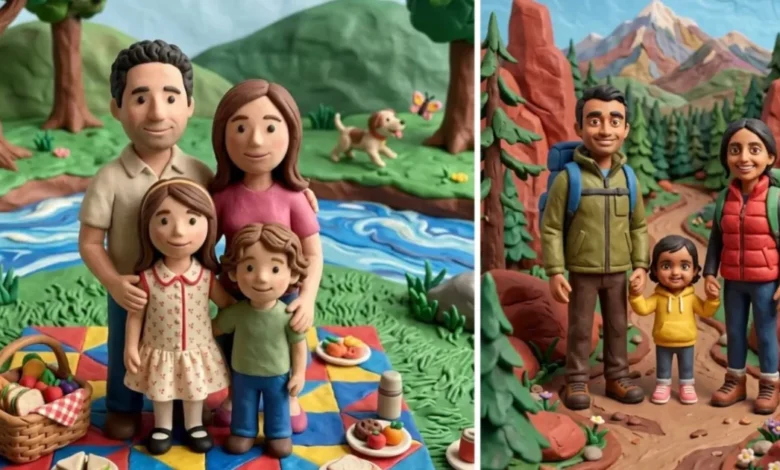
Google has announced a significant enhancement to its Gemini AI image generator, enabling users to connect their personal Google Photos libraries for deeply personalized image creation. This new feature, powered by Gemini and the Nano Banana 2 update, allows the AI to draw on a user’s existing photo collection to generate images, eliminating the need for manual uploads or extensive descriptive prompts. This development marks a substantial evolution in how users can interact with AI for creative purposes, leveraging their own memories and experiences to inform AI-generated visuals.
The announcement builds upon Google’s earlier introduction of "Personal Intelligence" earlier this year. This initial capability allowed Gemini to access a broader range of user data across their Google account, including internet activity, to provide more contextually aware responses. Now, with the integration into Nano Banana 2, this "Personal Intelligence" extends to visual content creation, making image generation a "deeply personal" experience, as stated in a Google blog post detailing the update. The goal is to move beyond generic AI outputs and create images that resonate with an individual’s unique life and preferences.
Seamless Integration with Google Photos
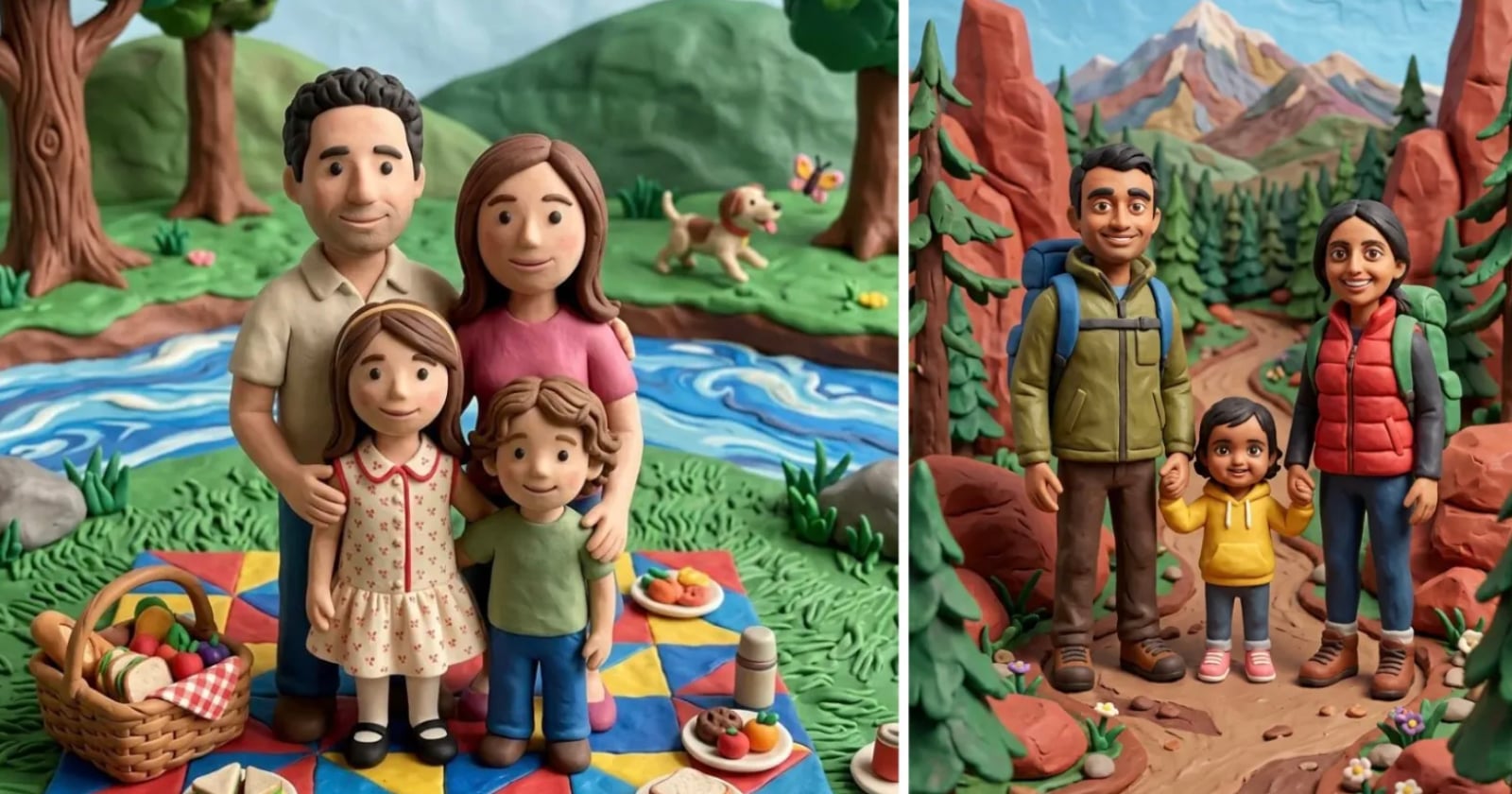
The core of this new functionality lies in the opt-in connection between a user’s Google Photos library and the Gemini chatbot. Once this connection is established, Gemini, through Nano Banana 2, can access the user’s private photo archive. This bypasses the traditional workflow of manually uploading specific images or meticulously describing them in text prompts. For instance, a user might no longer need to type out a lengthy description of their family and their preferred artistic style. Instead, they could simply ask Gemini to "Make a claymation image of my family," and the AI would leverage the visual and contextual information already present in their Google Photos to generate a relevant and personalized output.
This capability is facilitated by Gemini’s existing contextual understanding of users, which is built through its integration with other Google services like Gmail and Google Photos. This pre-existing contextual awareness means that users can now use far simpler and more intuitive prompts. As reported by TechCrunch, a prompt that previously might have required detailing personal interests, such as "Generate an image of my dream home, my interests are tennis and music," can now be streamlined to a more direct request like, "Design my dream home." The AI will then infer the user’s preferences for their dream home based on their activity and photo library.
Leveraging Photo Metadata for Enhanced Understanding
Google has emphasized that the AI’s ability to understand personal context extends to utilizing the metadata and labels within Google Photos. This includes recognizing relationships and group dynamics, such as identifying a collection of photos labeled "Family." This sophisticated understanding allows Gemini to create more nuanced and accurate personalized images. The example of generating a claymation image of a family highlights how the AI can interpret abstract requests and translate them into visually coherent outputs by drawing on the visual cues and established relationships within the user’s photo library.
This move by Google reflects a broader trend in AI development towards personalization and contextual awareness. As AI models become more sophisticated, their ability to understand and integrate personal data is becoming a key differentiator. By tapping into the vast repositories of personal memories stored in Google Photos, Google is aiming to make AI-generated imagery not just a novelty, but a tool that can genuinely reflect and enhance individual experiences.
Transparency and Data Privacy Concerns
In response to potential privacy concerns, Google has stated that it is committed to transparency. A new "sources" button will be implemented, allowing users to see how Gemini derived the context used in generating an image. This feature aims to demystify the AI’s creative process and provide users with insight into how their personal data is being utilized.
Furthermore, Google has clarified its data usage policies in relation to this feature. While the company may use "limited info," such as prompts and model responses, for improving its services, it explicitly states that it does not "directly train" its AI models on users’ private Google Photos libraries. This assurance is crucial for building trust, especially when dealing with highly sensitive personal content. The distinction between using data for contextual understanding during generation and using it for direct model training is a critical one for user privacy.
Rollout and Availability
The personalized image generation feature is scheduled to roll out "over the next few days" to eligible users. Initially, this availability will be limited to AI Plus, Pro, and Ultra subscribers in the United States. The feature will be accessible on Chrome desktops, with plans to expand its availability to a wider user base in the future. This phased rollout strategy is common for new AI features, allowing Google to monitor performance, gather feedback, and refine the experience before a broader release.
The tiered subscription model suggests that Google views this advanced personalization as a premium feature, potentially encouraging more users to upgrade to its higher-tier AI services. The expansion to more users and platforms will be a key indicator of the feature’s success and adoption.
Broader Implications and Future Outlook
The integration of Google Photos with Gemini’s AI image generation capabilities has several significant implications for the future of digital creativity and personal expression.
Enhanced Creative Potential: Users will be able to translate their personal narratives and memories into visual art in unprecedented ways. This could range from creating personalized greeting cards and digital scrapbooks to generating unique avatars and visual representations of personal goals or dreams. The ability to draw directly from one’s own life experiences will undoubtedly unlock new avenues for creativity.
Democratization of Digital Art: While professional graphic design tools exist, they often require specialized skills. AI-powered tools like Gemini, especially with this level of personalization, can lower the barrier to entry for creating visually appealing content, empowering individuals who may not have traditional artistic training.
Evolution of Digital Memory Keeping: Google Photos has long been a tool for organizing and reliving memories. This new feature transforms it into a dynamic platform where those memories can be actively reinterpreted and expanded upon through AI-generated imagery. This could lead to new ways of engaging with and understanding personal history.
Ethical Considerations and Future Development: As AI becomes more intertwined with personal data, ongoing discussions about data privacy, security, and the ethical use of AI-generated content will remain paramount. Google’s emphasis on transparency with the "sources" button is a positive step, but continued vigilance and user education will be essential. The potential for misuse, such as the creation of misleading or harmful personalized content, will also require ongoing attention and robust safeguards.
Competitive Landscape: This move positions Google as a leader in personalized AI-driven creative tools. Competitors in the AI space will likely respond by developing similar integrations or offering alternative approaches to personalized content generation. The race to provide the most intuitive, powerful, and privacy-respecting AI experiences is intensifying.
The future of AI-powered creativity is rapidly evolving, and Google’s latest announcement with Gemini and Google Photos signals a significant leap forward in making these tools deeply personal and accessible. As the technology matures and its integration deepens, we can expect to see even more innovative applications that blur the lines between personal experience and digital creation. The ability to generate images that are not just aesthetically pleasing but are intrinsically linked to an individual’s life story represents a compelling vision for the future of human-AI collaboration.

