The Shadow of Privacy Concerns and the Future of Smart Glasses Technology


The evolution of smart glasses stands as one of the most anticipated milestones in mobile computing, yet the integration of onboard cameras has introduced significant socio-ethical hurdles that threaten to derail the industry’s progress. While the hardware offers a seamless bridge between digital intelligence and physical reality, the widespread adoption of wearable cameras has been complicated by persistent privacy concerns, misuse, and a growing public stigma that threatens the commercial viability of upcoming augmented reality (AR) and extended reality (XR) products.
The Technological Promise vs. The Privacy Reality
Smart glasses are generally categorized into two distinct functional tiers. The first includes audio-centric frames, which provide users with connectivity to virtual assistants and spatial audio without optical displays. The second, more advanced tier, involves mixed-reality interfaces designed to overlay digital information onto the user’s field of vision. While the latter represents the industry’s ultimate goal, technical limitations regarding battery life, thermal management, and display optics have made audio-first smart glasses the current consumer standard.
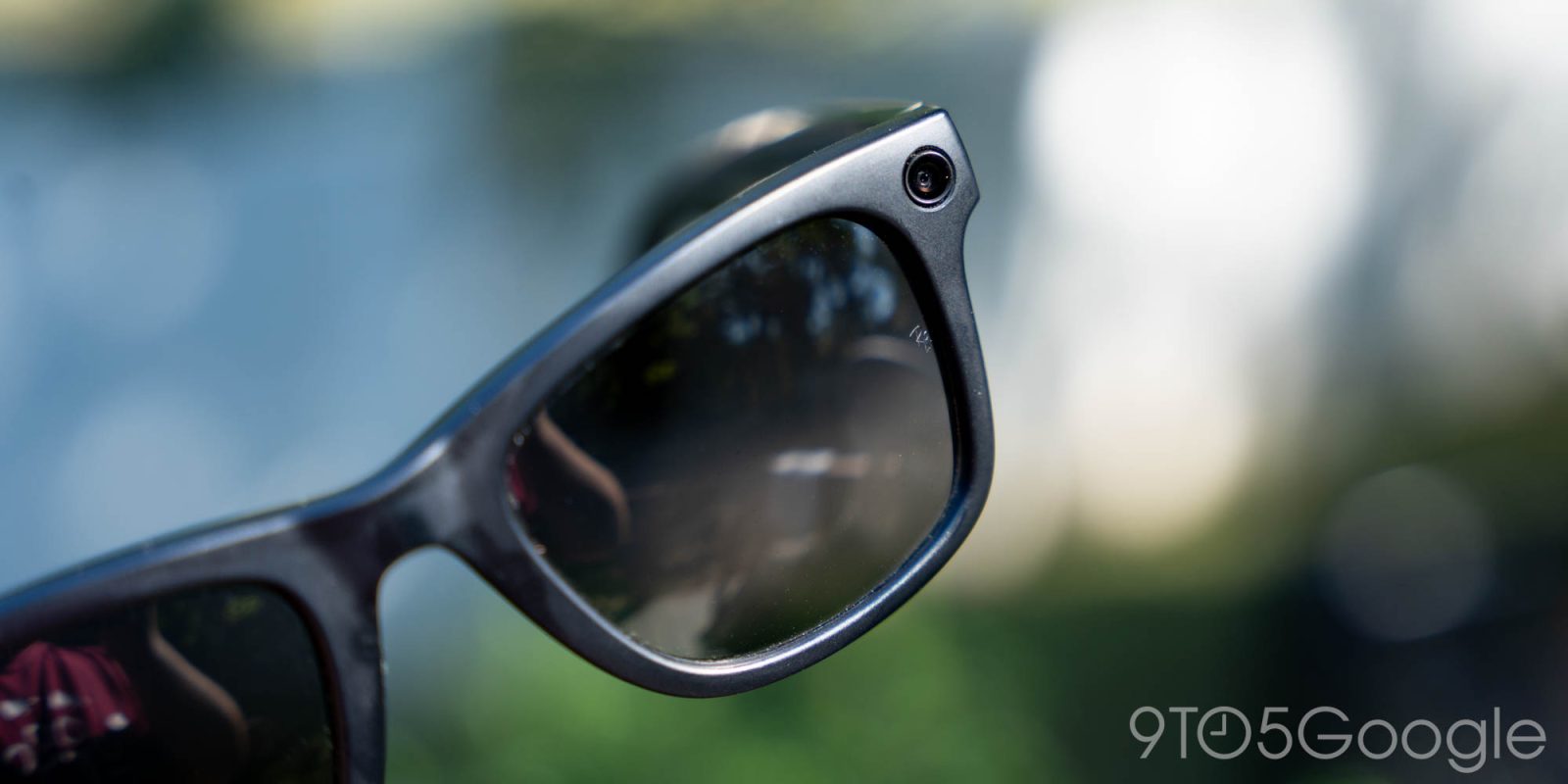
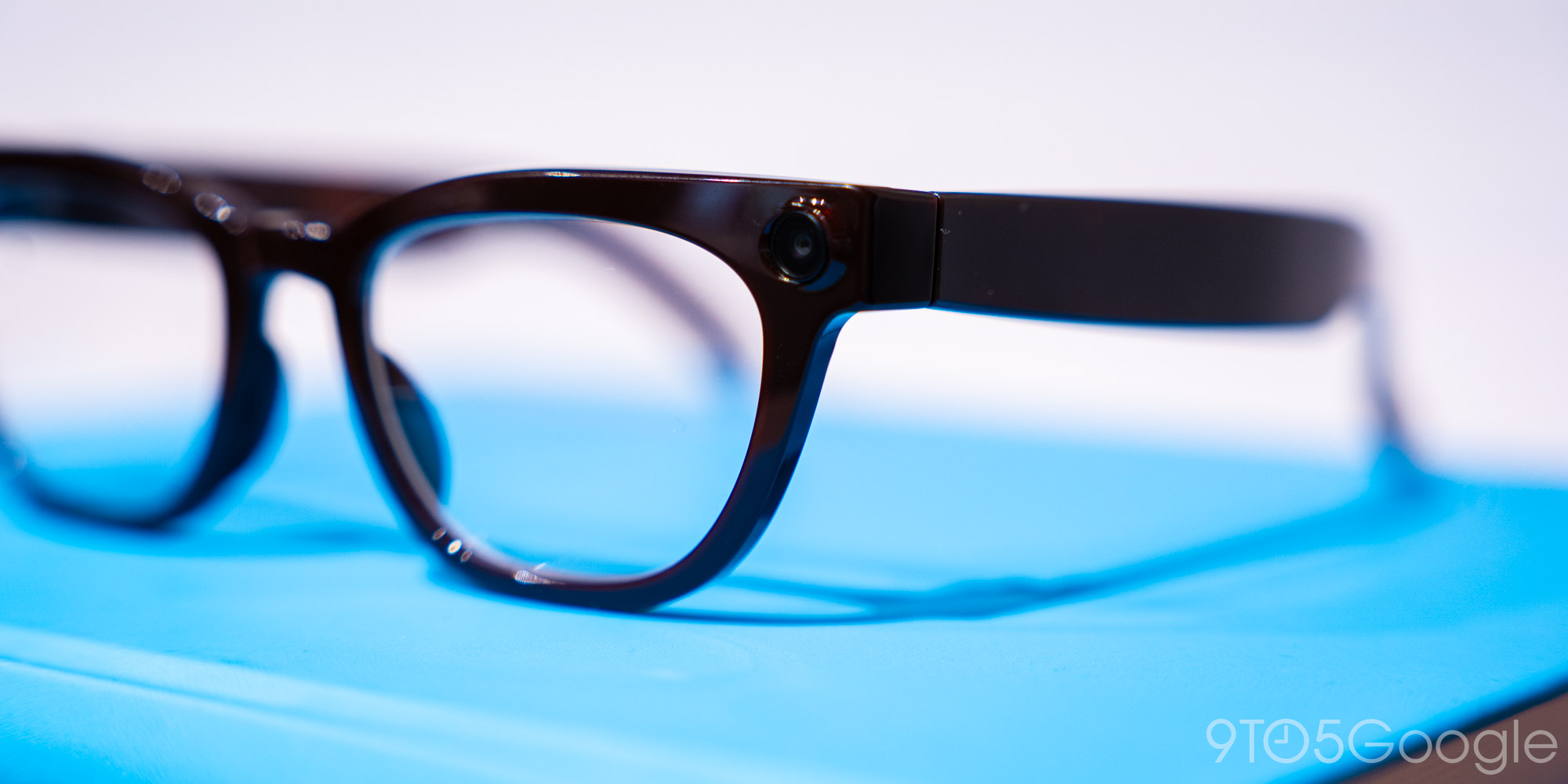
Meta Platforms Inc.’s collaboration with Ray-Ban served as the primary catalyst for the current market cycle. By integrating high-definition cameras into a familiar, fashionable form factor, Meta successfully popularized the concept of "point-of-view" content creation. However, the convenience of capturing spontaneous, hands-free video has been overshadowed by the perception of these devices as tools for unauthorized surveillance. The ubiquity of these cameras, often indistinguishable from standard eyeglasses, has prompted significant pushback from the public, leading to a "perv glasses" stigma that manufacturers are now struggling to address.
A Chronology of Regulatory and Trust Challenges
The narrative surrounding privacy in the wearable tech sector has been shaped by a series of high-profile incidents and subsequent corporate responses.
- 2023: Meta releases its second-generation Ray-Ban smart glasses, emphasizing AI capabilities and camera integration. Early reviews praise the form factor but highlight the ease with which the privacy-indicator LED can be obscured.
- 2024: Investigative reports emerge alleging that human moderators have accessed unencrypted, private video clips captured by early-stage wearable devices. This exacerbates existing concerns regarding Meta’s historical handling of user data.
- July 2026: In response to sustained criticism and reports of users bypassing privacy hardware, Meta initiates a mandatory firmware update designed to better detect and prevent tampering with the device’s privacy-indicator light.
- August 2026: Security researchers identify a secondary loophole in the privacy-light mechanism, leading to further software patches aimed at restoring consumer confidence.
- Late 2026: As Samsung and Google prepare for the launch of their anticipated Android XR glasses, industry analysts note that these companies face a heightened burden of proof regarding user privacy, as the market is already sensitized to the risks of surreptitious recording.
Data Privacy and the Corporate Trust Deficit
The primary challenge facing the industry is not technical, but sociological. Many consumers remain deeply skeptical of large technology firms managing data streams originating from a user’s face. Meta’s history of privacy-related controversies has created a "trust deficit" that complicates the rollout of similar products from other manufacturers.
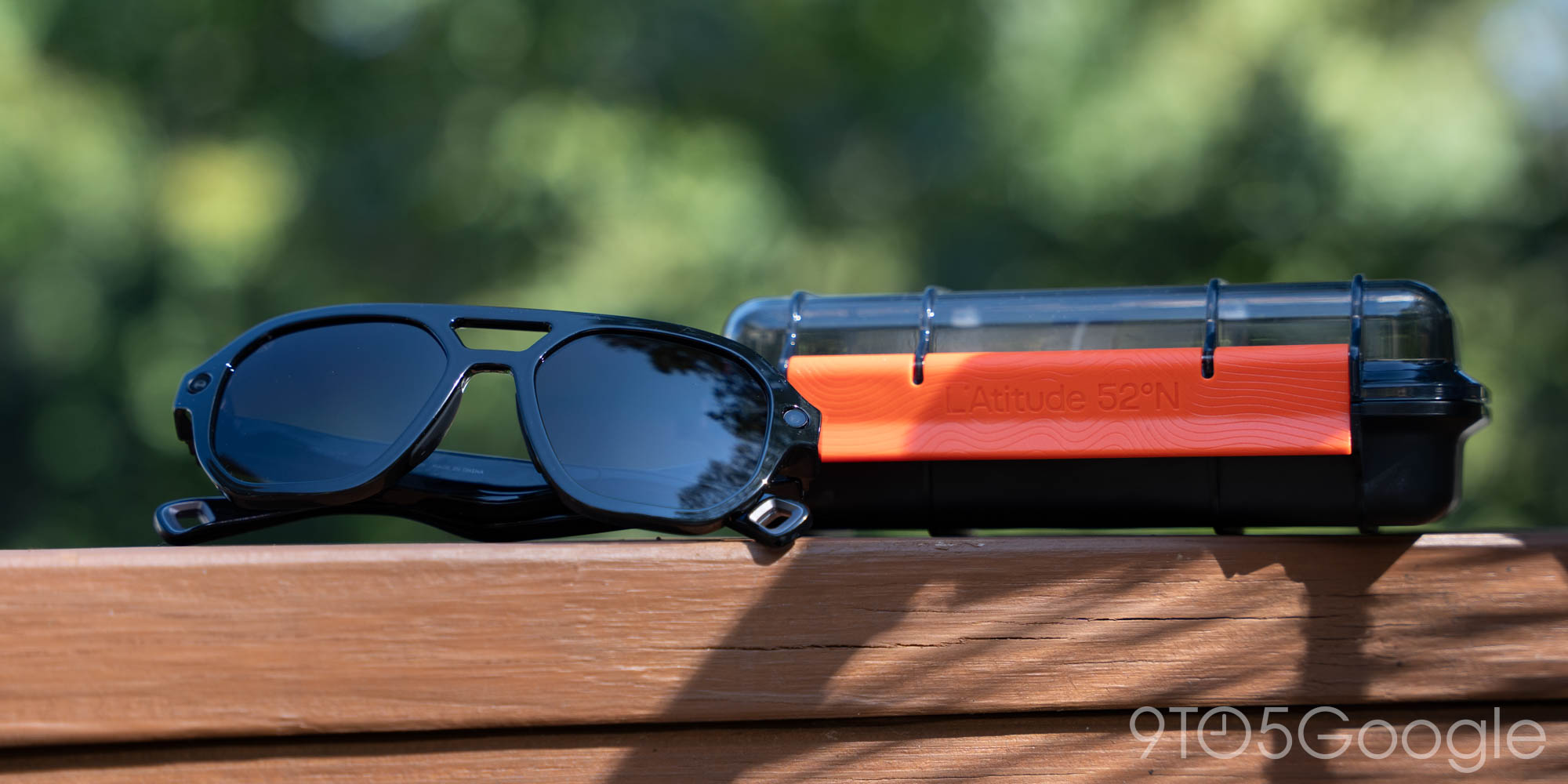
Recent reports from Wired and other outlets have underscored the potential for facial recognition and "always-on" recording features. While manufacturers often argue that these features are intended to improve object recognition and contextual assistance, the public fear—often fueled by the ease of modifying hardware to disable notification lights—persists. This misuse, involving the illicit recording of individuals in private or sensitive environments, has necessitated a shift in how companies approach product design.
Industry Responses and Protective Measures
In anticipation of the next generation of Android-powered XR glasses, Samsung and Google have reportedly implemented more stringent hardware and software protections. According to industry briefings, these upcoming devices will feature "tamper-proof" indicators that are deeply integrated into the device’s kernel, making it significantly harder for users to bypass the visual notification that a recording is in progress.
Despite these safeguards, the stigma remains a formidable barrier. The challenge for companies like Samsung and Google is to convince a wary public that their hardware includes immutable privacy features that cannot be circumvented by illicit software modifications. Whether these "privacy-by-design" efforts will be sufficient to overcome the negative reputation established by earlier market entrants remains an open question for analysts.
Broader Implications for the Wearable Market
The long-term success of the smart glasses market depends on finding a balance between utility and the right to privacy. The current landscape is bifurcated: some devices, such as those from the brand Realities, focus on audio and basic AR functionality without an onboard camera. While these products avoid the "surveillance" stigma, they also sacrifice the AI-driven features that make smart glasses compelling to many users, such as the ability to translate text in real-time, identify objects, or document unique experiences.
The loss of functionality is a critical trade-off. For many users, the utility of a camera—for tasks ranging from accessibility aids for the visually impaired to simple memory documentation—is what defines the device’s value. If the camera is removed to appease privacy concerns, the device may struggle to distinguish itself from standard wireless headphones.
Future Outlook
The industry is currently in a state of recalibration. Manufacturers are transitioning from the "experimental" phase of wearable technology to a more regulated, mature market. For this transition to succeed, several conditions must be met:

- Standardization of Privacy Indicators: A universal, highly visible, and tamper-evident light or physical indicator system is likely required to establish a baseline of social trust.
- Regulatory Compliance: As governments worldwide begin to scrutinize the use of biometric and wearable recording tech, companies will need to provide clear, transparent data-handling policies that explicitly define what is recorded and who has access to it.
- Public Education: Companies must move beyond technical jargon and clearly communicate the limitations of their devices to the public, particularly regarding the inability of third parties to access raw footage without user consent.
The "smart glasses" movement is, by all accounts, in its infancy. While the current climate is dominated by caution and skepticism, the potential for these devices to revolutionize how we interact with the digital and physical worlds remains high. However, the path forward will not be determined by processor speeds or display resolution alone; it will be determined by the industry’s ability to earn the public’s trust. The mistakes made during the initial rollout of wearable cameras have created a high barrier to entry, and for the next generation of tech leaders, there is little room for error. Whether the stigma surrounding these devices eventually subsides will depend on whether companies can prove that their technology is a tool for empowerment rather than a mechanism for intrusion.