SpaceX and Tesla accelerate industrial innovation through advanced engine engineering and robotic manufacturing

The landscape of modern engineering is undergoing a period of rapid, iterative transformation as SpaceX pushes the boundaries of rocket propulsion and Tesla formalizes its entry into high-volume humanoid robotics. As of late October 2026, both companies have reached significant milestones that highlight a shift from theoretical design to commercial-scale production. SpaceX is currently refining its Raptor engine family to achieve unprecedented thrust-to-weight ratios, while Tesla has officially initiated production of its Optimus humanoid robot within its Fremont facility, supported by a novel self-teaching infrastructure dubbed the "Optimus Academy."
The Evolution of Raptor: Engineering Peak Thrust
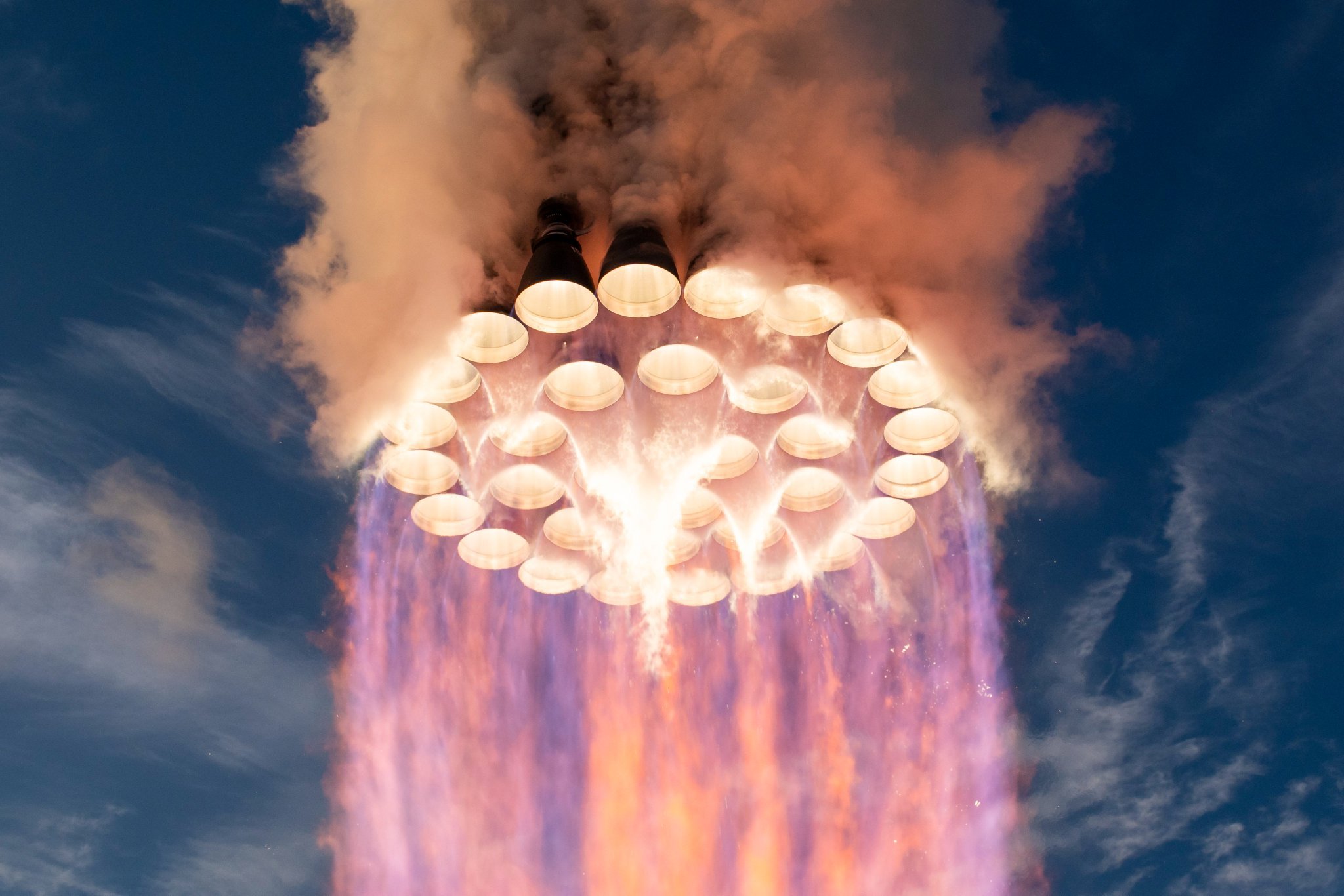
SpaceX’s Raptor engine, the heart of the Starship and Super Heavy launch system, has become a benchmark for rapid aerospace iteration. According to recent data provided by CEO Elon Musk, the engineering team is successfully increasing sea-level thrust while simultaneously maintaining a stable engine mass. This development is critical for the Super Heavy booster, which relies on the collective power of 33 engines to overcome Earth’s gravity during the most demanding phase of flight.
The progression from the initial Raptor 1 to the upcoming Raptor 4 represents a significant leap in performance. Raptor 1, the foundational version, delivered approximately 185 metric tons of thrust with an engine mass of 2,080 kilograms. Through consistent refinements in materials science and combustion efficiency, Raptor 2 increased that output to 230 metric tons while reducing mass to 1,630 kilograms. Raptor 3, the current standard in testing, targets 280 metric tons at 1,525 kilograms, with flight-rated performance hovering near 250 tons.
The announcement of Raptor 4, which is expected to reach 300 metric tons of sea-level thrust at roughly the same mass as its predecessor, marks a more than 60 percent improvement in raw thrust since the program’s inception. When integrated into the 33-engine array of the Super Heavy booster, this engine configuration will generate approximately 9,900 metric tons of liftoff thrust. To put this in perspective, this is nearly three times the thrust generated by the five F-1 engines of the Saturn V rocket, which produced roughly 3,400 metric tons.
Strategic Implications of High Thrust-to-Weight
The implications for orbital mechanics are profound. Sea-level thrust is the most vital metric during the initial moments of launch, as the rocket is at its maximum mass and fighting both dense atmospheric drag and the full force of gravity. By increasing thrust without increasing the engine mass, SpaceX effectively improves the vehicle’s initial thrust-to-weight ratio. This allows the Super Heavy to accelerate faster, reducing "gravity losses"—the energy wasted by fighting gravity for a prolonged period. This efficiency gain allows for higher payload capacities, which are essential for the ambitious lunar missions and Mars cargo flights planned for the next decade.

Tesla’s Next-Generation Roadster: The Fighter Jet Interface
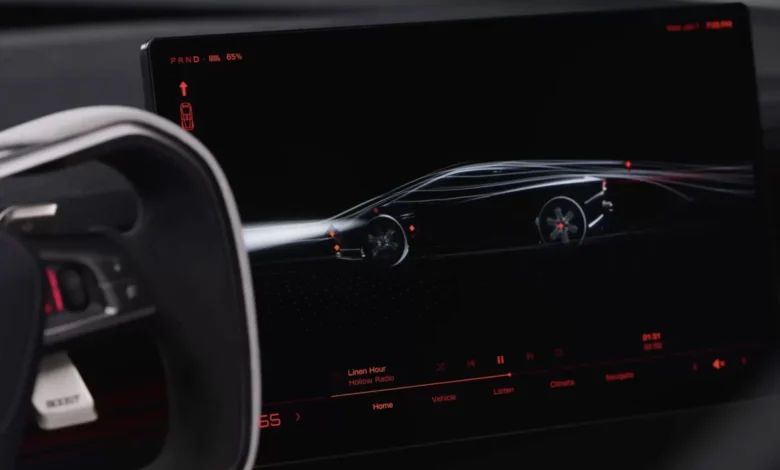
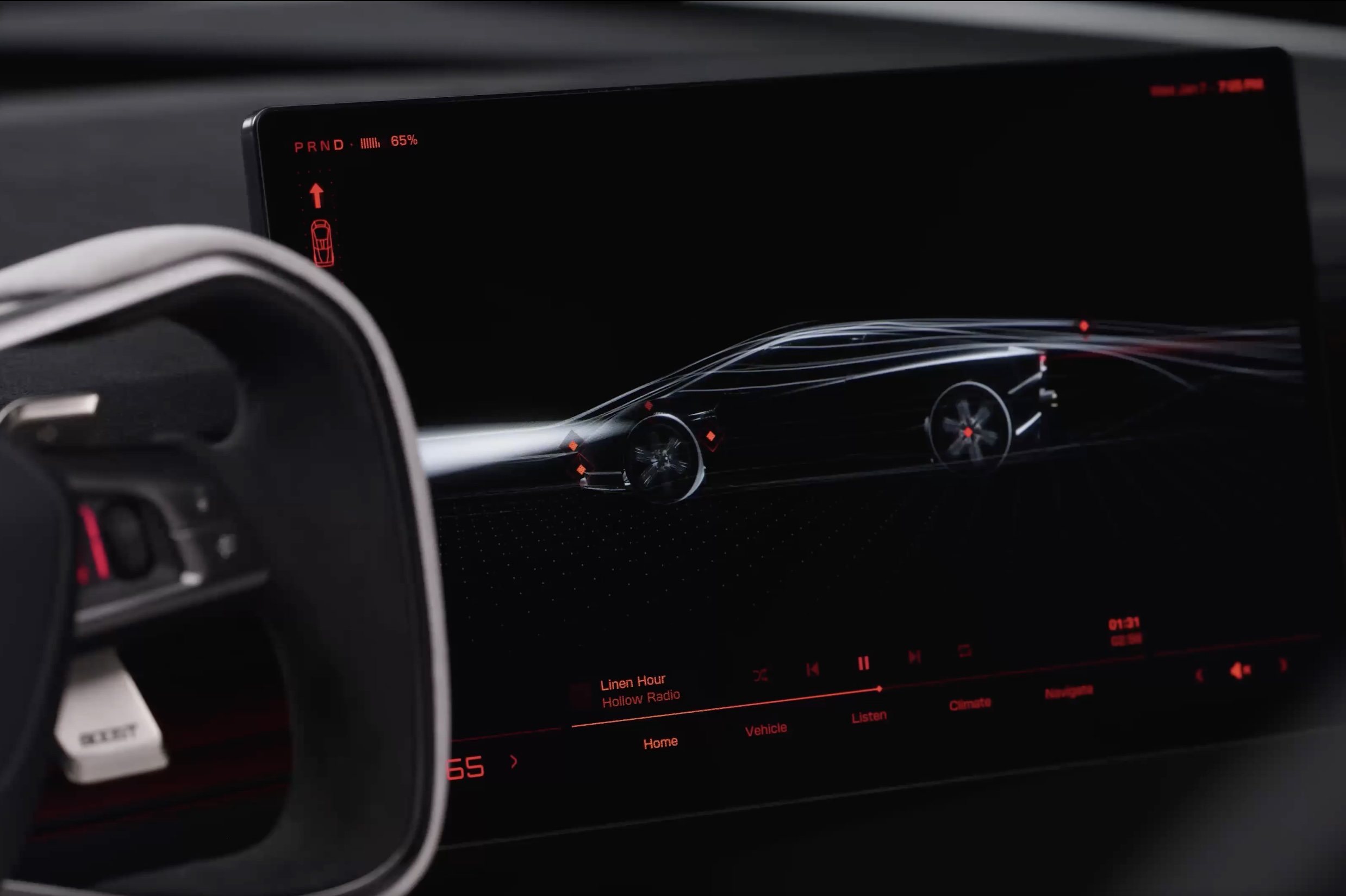
Parallel to SpaceX’s aerospace efforts, Tesla is refining the user experience for its next-generation Roadster. In a recent digital presentation, the company showcased a cockpit interface heavily inspired by fighter jet design. Central to this new layout is a focus on the "pilot," featuring a squared-off yoke and a sophisticated touchscreen interface that prioritizes vehicle telemetry and performance data.
The Roadster’s interface includes real-time readouts for tire pressure and temperature, brake and motor temperatures, and a live circuit map for track usage. Most notably, the interface displays a status bar indicating "Thruster · 5,500 PSI" alongside a "Boost Ready" indicator. This software integration confirms the hardware requirements for the Roadster’s optional cold gas thruster system, which utilizes carbon-overwrapped pressure vessels to enable record-breaking acceleration times.
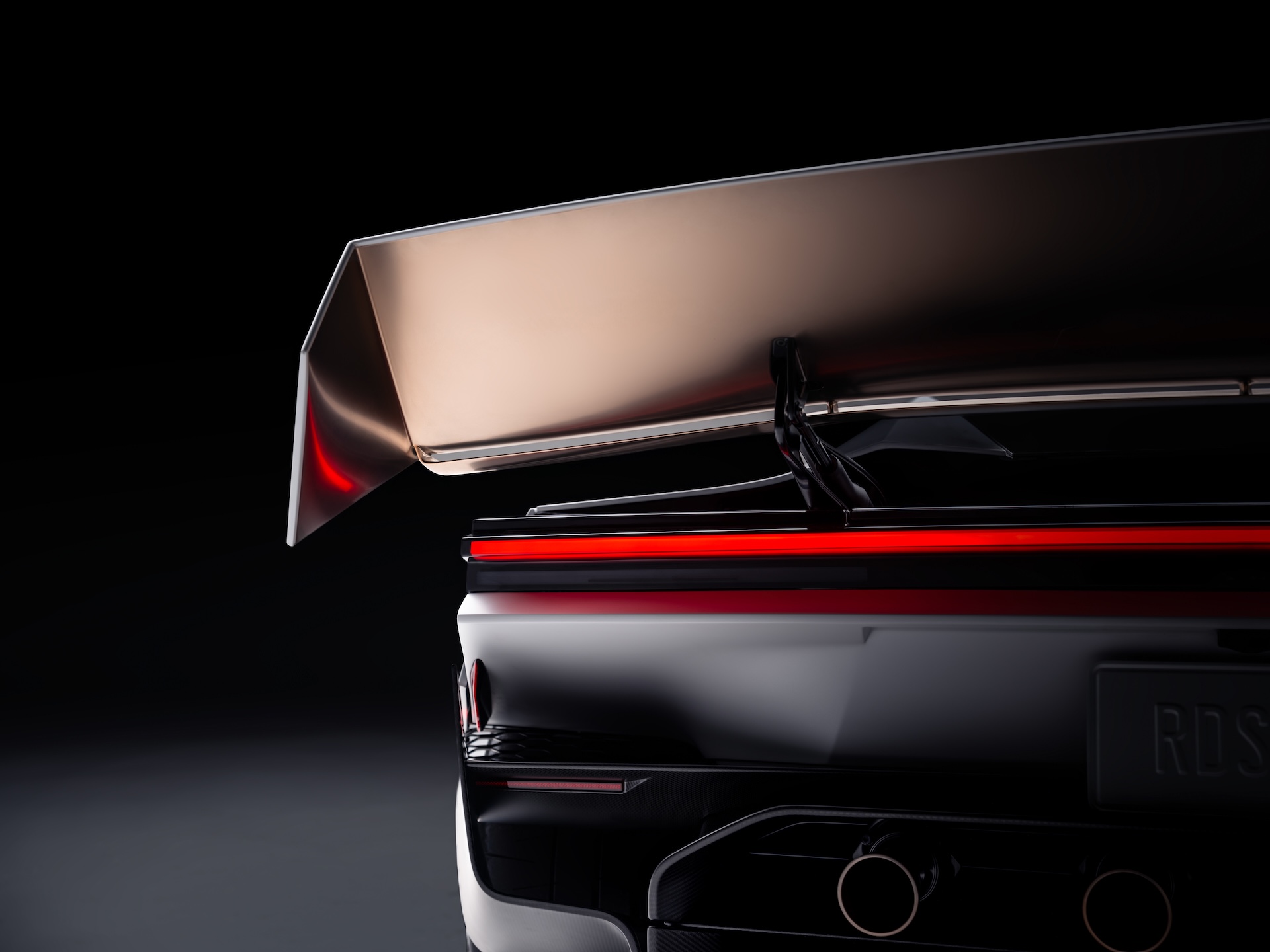
Tesla’s move toward a performance-centric, pilot-oriented UI signals a departure from its standard vehicle software. While the base Performance model utilizes active aero and ground-effect suction, the higher-tier configurations—specifically the "Thrust" and "Rocket" versions—require the driver to manage these complex systems through the onboard computer. With production slated for 2028, the company is using this period to refine the telemetry systems and aerodynamic profiles that will ultimately define the driving experience.
Optimus Academy and the Future of Humanoid Labor
In the robotics sector, Tesla has transitioned the Optimus program from concept to production-line reality. The company has officially cleared the former Model S and Model X production lines at its Fremont factory to accommodate the manufacturing of Optimus units, with a long-term goal of producing 20,000 robots per week.
The Methodology of Robot Self-Learning
A core challenge identified by Elon Musk during the recent third-quarter earnings call is the lack of a "fleet" of robots to provide training data, a luxury Tesla enjoys with its millions of vehicles on the road. To bridge this gap, Tesla is implementing the "Optimus Academy." In this environment, between 10,000 and 20,000 robots will be tasked with performing a wide array of repetitive, dangerous, and high-precision jobs.
This training loop allows the robots to learn from one another, with each unit acting as a data-collection node that informs the collective artificial intelligence model. Tesla plans to integrate its AI5 chip into these units next year, a move expected to allow the robots to move away from scripted, pre-programmed motions toward genuine autonomous decision-making.

Supply Chain and Manufacturing Maturity
The commercial viability of Optimus is further supported by the certification of major supply chain partners, including Tuopu, Joyson, and Sanhua, who have been brought on to handle the mass production of specialized components. Furthermore, the construction of a dedicated, larger-scale facility in Giga Texas underscores the long-term vision of scaling output to 10 million robots annually.
Tesla executives have noted that the engineering of the Optimus robot is increasingly aligning with the cost structure of the Cybercab, indicating that the company is applying the same economies of scale to robotics that it has applied to its automotive fleet. While the human-like dexterity of the hands remains the most significant engineering hurdle, the transition to production-quality manufacturing marks a definitive pivot toward the commercialization of humanoid labor.
Conclusion: A Convergence of Advanced Systems
The recent developments at SpaceX and Tesla represent a broader trend of "industrial acceleration." Whether it is the pursuit of 300-ton thrust Raptor engines or the deployment of a fleet-wide robot training infrastructure, both companies are prioritizing rapid, data-driven iteration.
The timeline for these technologies is aggressive: SpaceX continues to refine the Starship architecture for orbital refueling and deep-space transport, while Tesla aims to begin external deliveries of Optimus units by late 2027. For the broader industry, these efforts serve as a case study in how vertical integration and the constant collection of real-world performance data can drastically shorten the time from engineering design to widespread deployment. As these systems mature, they are poised to alter the economic and operational feasibility of both space exploration and global manufacturing, potentially setting a new standard for performance-critical technologies in the 21st century.