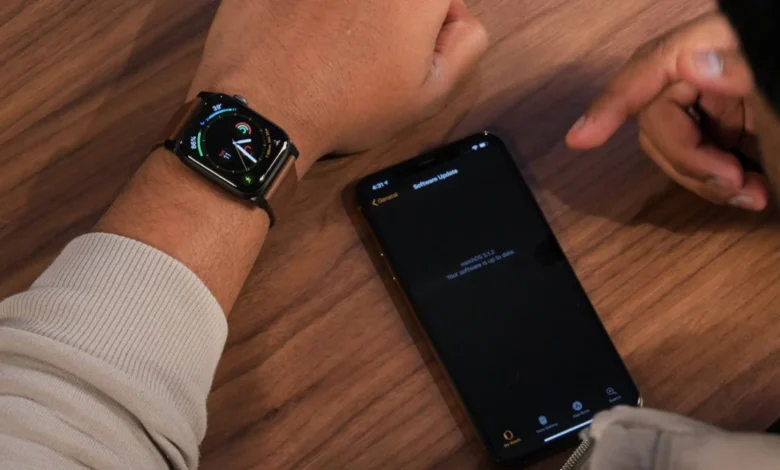
For years, Apple Watch users grappling with persistent software glitches, frustrating boot loops, or completely bricked devices faced a protracted and inconvenient repair process that often left them without their essential wearable for days, or even weeks. This era of lengthy mail-in repairs is now drawing to a close, as Apple is reportedly equipping its retail stores and Apple Authorized Service Providers (AASPs) with the necessary tools to perform software restorations directly on-site. This significant policy shift, initially reported by MacRumors citing a reliable retail source, promises to dramatically cut down repair times, transforming what was once a major hassle into a same-day service for many users.
The End of the Long Wait: A New Era for Apple Watch Service
The previous protocol for severe Apple Watch software malfunctions was a cumbersome logistical exercise. When an Apple Watch encountered a critical software error that rendered it inoperable – such as being stuck in a perpetual boot loop or failing to power on after a botched update – the only recourse was to send the device to an off-site Apple Repair Center. This involved packaging the watch, shipping it, awaiting diagnostic and repair work, and then enduring the return shipping process. For a device that has become integral to many users’ daily lives, tracking health metrics, managing notifications, and facilitating contactless payments, such extended downtime was a considerable inconvenience. The new in-store repair capability is poised to alleviate this frustration, offering a streamlined solution that aligns with the immediate gratification expected from premium tech support.

Understanding the Persistent Challenge of Apple Watch Software Issues
The complexity of modern wearable operating systems like watchOS means that software issues, while not universal, can occasionally arise. These can range from minor bugs to critical failures that render the device unusable. A common and particularly vexing problem is the "boot loop," where the watch continuously attempts to start up but fails, often displaying the Apple logo repeatedly. Failed software updates are another frequent culprit, sometimes leaving the device in an unresponsive state. Given the compact nature of smartwatches and their highly integrated components, traditional troubleshooting methods available to end-users are often limited to simple restarts or factory resets via a connected iPhone. When these fail, specialized tools are required to re-flash the device’s firmware and restore its operating system.
The impact of such issues extends beyond mere inconvenience. Many Apple Watch users rely on their devices for critical functions such as monitoring heart rate, tracking workouts, receiving emergency alerts, and managing daily schedules. The sudden absence of these features due to a software malfunction can disrupt routines and even compromise personal health management. This reliance underscores the urgency and importance of efficient repair services, making Apple’s latest initiative particularly welcome.
A Chronology of Apple Watch Repair Evolution

To fully appreciate the significance of this policy change, it’s helpful to trace the evolution of Apple Watch repair capabilities:
- Early Apple Watch Models (Pre-Series 7): The initial generations of the Apple Watch were equipped with a hidden diagnostic port. This port, typically located within the watch band slot, allowed Apple technicians to physically connect the device to specialized equipment. This enabled more direct software diagnostics and restoration processes to be performed, albeit with certain limitations.
- Apple Watch Series 7 and Beyond: With the introduction of the Apple Watch Series 7, Apple made a design choice to remove the physical diagnostic port. This decision was likely driven by a combination of factors, including waterproofing improvements, internal space optimization, and a strategic pivot towards wireless diagnostic and restoration methods. However, this also inadvertently created a bottleneck for severe software issues that couldn’t be resolved wirelessly.
- watchOS 8.5 and iOS 15.4 (Wireless Restore Initiative): Recognizing the need for more accessible repair options, Apple introduced a wireless restore feature with watchOS 8.5 and iOS 15.4 in early 2022. This innovation allowed users to restore their Apple Watch software wirelessly via their iPhone if a specific "restore prompt" appeared on the watch screen. While a step in the right direction, this feature came with a significant caveat: it only worked for watches that could still display this specific prompt, meaning devices that were completely bricked or stuck in a boot loop often couldn’t utilize it. For these more severe cases, the mail-in repair remained the sole option.
- The Current Development (Early 2026): The latest reports indicate Apple is now rolling out a dedicated Apple Watch repair dock to its retail stores and authorized service centers. This proprietary hardware, which connects the Apple Watch to a Mac, facilitates direct software restoration, effectively bridging the gap left by the removal of the diagnostic port and the limitations of the wireless restore feature.
The New Repair Paradigm: How It Will Work
The core of this new in-store repair capability lies in a specialized hardware tool – a dedicated Apple Watch repair dock. While specific technical details are proprietary, it is understood that this dock provides a secure and reliable physical connection between the Apple Watch and a technician’s Mac workstation. This connection bypasses the need for the watch to be functional enough to display a wireless restore prompt, allowing technicians to perform low-level firmware flashing and operating system reinstallation.
When a customer brings in an Apple Watch with a severe software issue, a technician will be able to:

- Diagnose the issue: Confirm that the problem is indeed software-related and not a hardware fault.
- Connect the watch: Place the Apple Watch into the specialized repair dock, establishing a data connection to a Mac.
- Perform software restoration: Utilize proprietary Apple software on the Mac to download and install a fresh copy of watchOS onto the device, effectively re-flashing the firmware and wiping any corrupted data.
- Test and return: Once the restoration is complete, the technician will perform a quick functional test to ensure the watch is operating correctly before returning it to the customer.
This process is analogous to reinstalling the operating system on a computer, but tailored for the specific architecture and security protocols of the Apple Watch. The ability to perform this in-store eliminates the multi-day shipping and handling overhead, converting a week-long ordeal into a potentially same-day fix.
Implications for Apple Watch Users: A Significant Boost in Customer Satisfaction
The immediate and most tangible benefit of this change will be experienced by Apple Watch users.
- Drastically Reduced Downtime: Instead of waiting days or weeks, users could potentially have their watch restored within hours, or at most, a day. This is crucial for a device so deeply integrated into daily routines, health monitoring, and communication.
- Enhanced Convenience: The hassle of packaging, shipping, and tracking a device is eliminated. Users can simply walk into an Apple Store or AASP, receive service, and walk out with a functional watch.
- Improved Trust and Brand Loyalty: Efficient and accessible repair services reinforce Apple’s commitment to customer satisfaction and product reliability. For a brand that commands premium prices, premium support is an expectation. This move strengthens that perception.
- Greater Accessibility for Specific Issues: This solution specifically targets the most frustrating software problems – those that render the watch completely unresponsive. It provides a direct remedy where none existed locally before.
- Potential for Better Diagnostics: While primarily for software restoration, the presence of a dedicated dock might also facilitate more in-depth diagnostics in the future, further improving repair accuracy.
Broader Context: Apple’s Evolving Repair Philosophy

This initiative doesn’t exist in a vacuum; it aligns with a broader, albeit gradual, shift in Apple’s approach to product repairability and customer service. Historically, Apple has faced criticism for its tightly controlled repair ecosystem, often making independent repairs challenging and costly. However, recent years have seen some movement:
- "Right to Repair" Movement: Growing consumer and regulatory pressure for "right to repair" legislation has prompted many tech companies, including Apple, to re-evaluate their repair policies. This movement advocates for consumers’ and independent repair shops’ rights to access parts, tools, and manuals needed to fix their devices.
- Self Service Repair Program: In 2022, Apple launched its Self Service Repair program, initially for iPhones and later expanding to Macs. This program allows users to purchase genuine Apple parts and tools, and access repair manuals, to perform certain repairs themselves. While still a limited offering, it signaled a notable shift towards empowering users and acknowledging the demand for more accessible repair options.
- Competitive Landscape: In an increasingly competitive wearables market, user experience – encompassing both product functionality and after-sales support – is a key differentiator. Providing quick and reliable repair services for a flagship product like the Apple Watch can be a competitive advantage.
This in-store software repair capability for the Apple Watch can be seen as another step in this evolving philosophy. While it maintains Apple’s control over the repair process by providing proprietary tools to authorized channels, it significantly improves the practical experience for the end-user, aligning with the spirit of increased repair accessibility.
Statements and Reactions (Inferred)
While Apple has not yet issued an official press release or statement confirming this specific policy update – typical for operational changes disseminated internally – the move is widely anticipated to be met with positive reception.

- From Apple (Inferred): "This enhancement to our service capabilities underscores Apple’s unwavering commitment to providing an unparalleled customer experience," a hypothetical spokesperson might state. "We are continually investing in our retail and service networks to ensure that our customers receive prompt, efficient, and expert support for their beloved Apple devices, minimizing disruption to their daily lives."
- Industry Analysts: Technology analysts are likely to commend Apple for addressing a long-standing pain point. "This is a smart move by Apple," commented a hypothetical industry expert. "The Apple Watch is more than just a gadget; it’s a personal health and productivity tool. Reducing repair times for critical software issues will significantly boost user satisfaction and loyalty in a competitive market where service experience matters as much as product features."
- Apple Watch Users: The user community, which has frequently voiced frustrations regarding prolonged repair times on forums and social media, is expected to welcome this change with considerable relief. "Finally!" exclaimed a hypothetical long-time Apple Watch user on an online forum. "I love my Watch, but the thought of being without it for weeks if something went wrong was always a concern. This makes a huge difference."
The Role of Apple Authorized Service Providers
The inclusion of Apple Authorized Service Providers (AASPs) in this rollout is crucial. AASPs are independent businesses certified by Apple to perform repairs on its products. By equipping them with the same dedicated repair docks as Apple’s own retail stores, Apple ensures a wider geographical reach for this expedited service. This network of trusted partners extends Apple’s service footprint beyond its corporate stores, making the new repair option accessible to a greater number of customers, particularly in regions without an immediate Apple Store presence. It also empowers AASPs to offer a more comprehensive and competitive suite of services, benefiting their businesses and strengthening the overall Apple service ecosystem.
Conclusion: A Welcome Improvement for the Apple Ecosystem
The integration of in-store software repair capabilities for the Apple Watch represents a significant and long-overdue enhancement to Apple’s customer service infrastructure. By addressing a critical pain point that has plagued users for years, Apple is demonstrating a commitment to improving the ownership experience for one of its most personal and essential devices. This strategic move not only resolves a logistical headache for consumers but also aligns with broader trends towards greater repair accessibility and stronger customer support. As smartwatches continue to evolve and become even more integral to our daily lives, the ability to quickly and efficiently resolve issues directly in-store will undoubtedly be a hallmark of a truly premium and user-centric ecosystem. This is indeed, about time.