Apple Leaks Reveal Upcoming iPad mini 8 iPad 12 HomePod mini 2 and Apple TV 4K Refresh

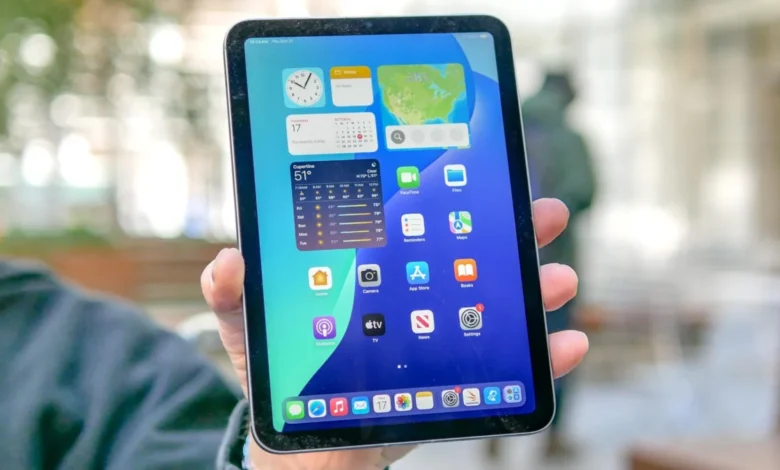
The technology landscape is buzzing following the discovery of four unannounced Apple products buried within the company’s internal code. The findings, surfaced by researcher Aaron Perris and shared via MacRumors, provide a technical roadmap for what appears to be a significant end-of-year hardware refresh. The leaked assets, which include imagery and hardware specifications, point toward the imminent arrival of the iPad mini 8, the iPad 12, a second-generation HomePod mini, and a fourth-generation Apple TV 4K. These revelations come as Apple seeks to unify its ecosystem around the "Apple Intelligence" initiative, requiring a baseline of increased computational power and memory capacity across its entire hardware lineup.
The discovery was made by analyzing proprietary code files, a method that has historically proven to be a reliable harbinger of Apple’s upcoming product roadmap. While the specific source code—likely tied to the latest iOS or macOS development builds—was not disclosed, the specificity of the labels suggests that these products are in the final stages of validation. For Apple, this marks a strategic pivot toward ensuring that every device, regardless of its form factor or price point, is capable of running the company’s proprietary artificial intelligence services.
The Evolution of the Apple TV 4K (4th Generation)
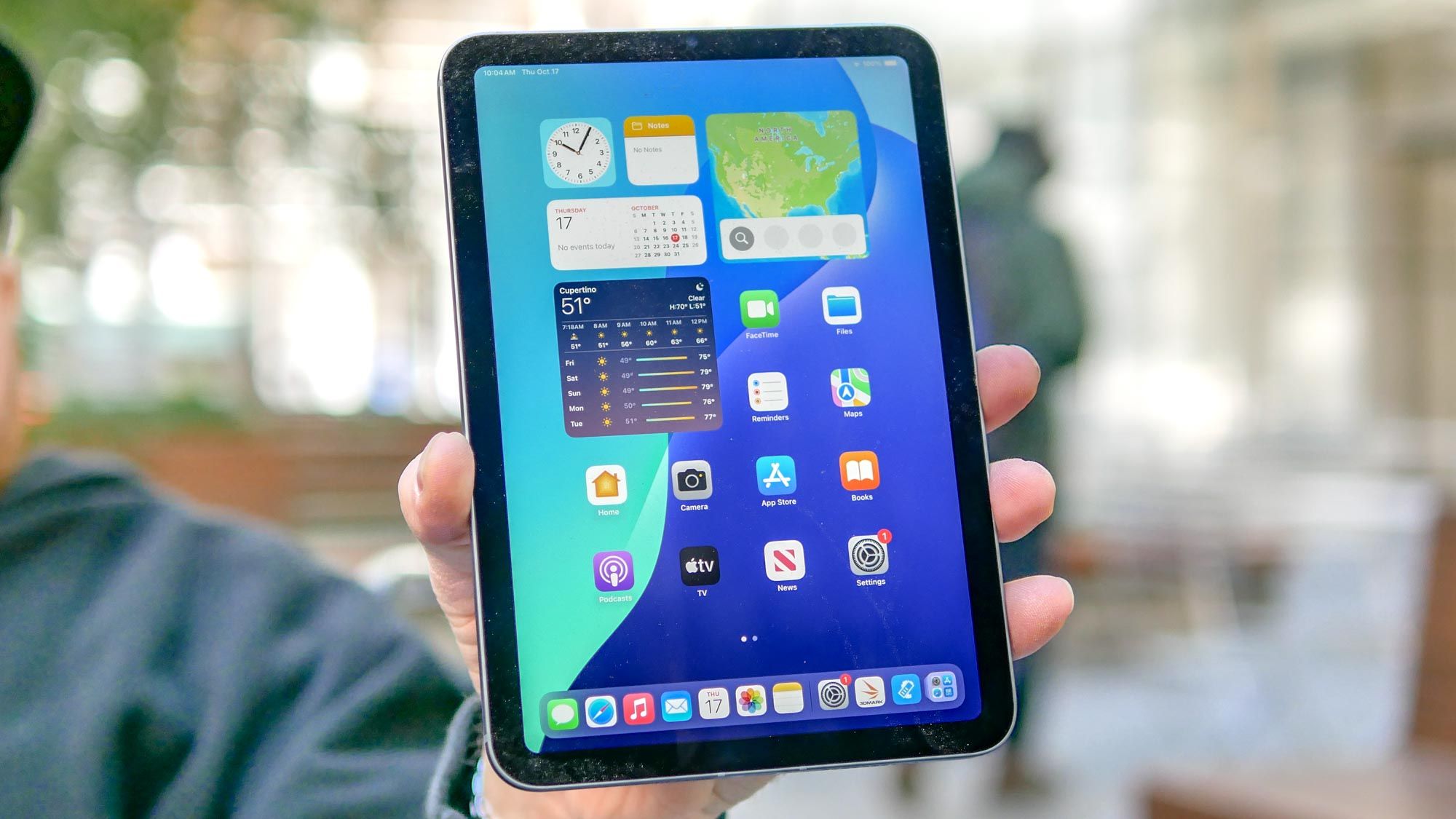
The most anticipated hardware update in the living room category is the fourth-generation Apple TV 4K. According to the leaked data, the device retains the familiar aesthetic of its predecessor, suggesting that Apple is prioritizing internal performance gains over a physical redesign. The internal specifications, however, paint a picture of a device designed for the future of interactive media.
Rumors point to the integration of a chipset ranging from the A17 Pro to the A20, a significant jump that would provide the overhead necessary for intensive machine learning tasks. Beyond the silicon, the device is expected to include increased RAM to support local processing of Apple Intelligence tasks, such as personalized Siri queries and real-time content analysis. Furthermore, the inclusion of Wi-Fi 7 support represents a major leap in connectivity, allowing for seamless 8K streaming and lower latency in cloud-based gaming—a sector where Apple has been steadily increasing its investment. The potential introduction of an upgraded remote control also addresses long-standing user feedback regarding navigation and device finding.
iPad 12: Democratizing Advanced AI
The iPad 12, Apple’s entry-level tablet, is poised for a significant upgrade that aims to bridge the gap between casual consumer use and professional-grade performance. Based on the leaked code, the device will be powered by an A19 chipset, complemented by an Apple-built C1X modem and an N1 neural engine. Perhaps most notably, the inclusion of 8GB of RAM is a crucial detail. Currently, the iPad 11 is hindered by memory constraints that prevent it from running the full suite of Apple Intelligence features. By doubling the memory capacity, Apple is effectively ensuring that its most affordable tablet can serve as a conduit for its AI ecosystem.
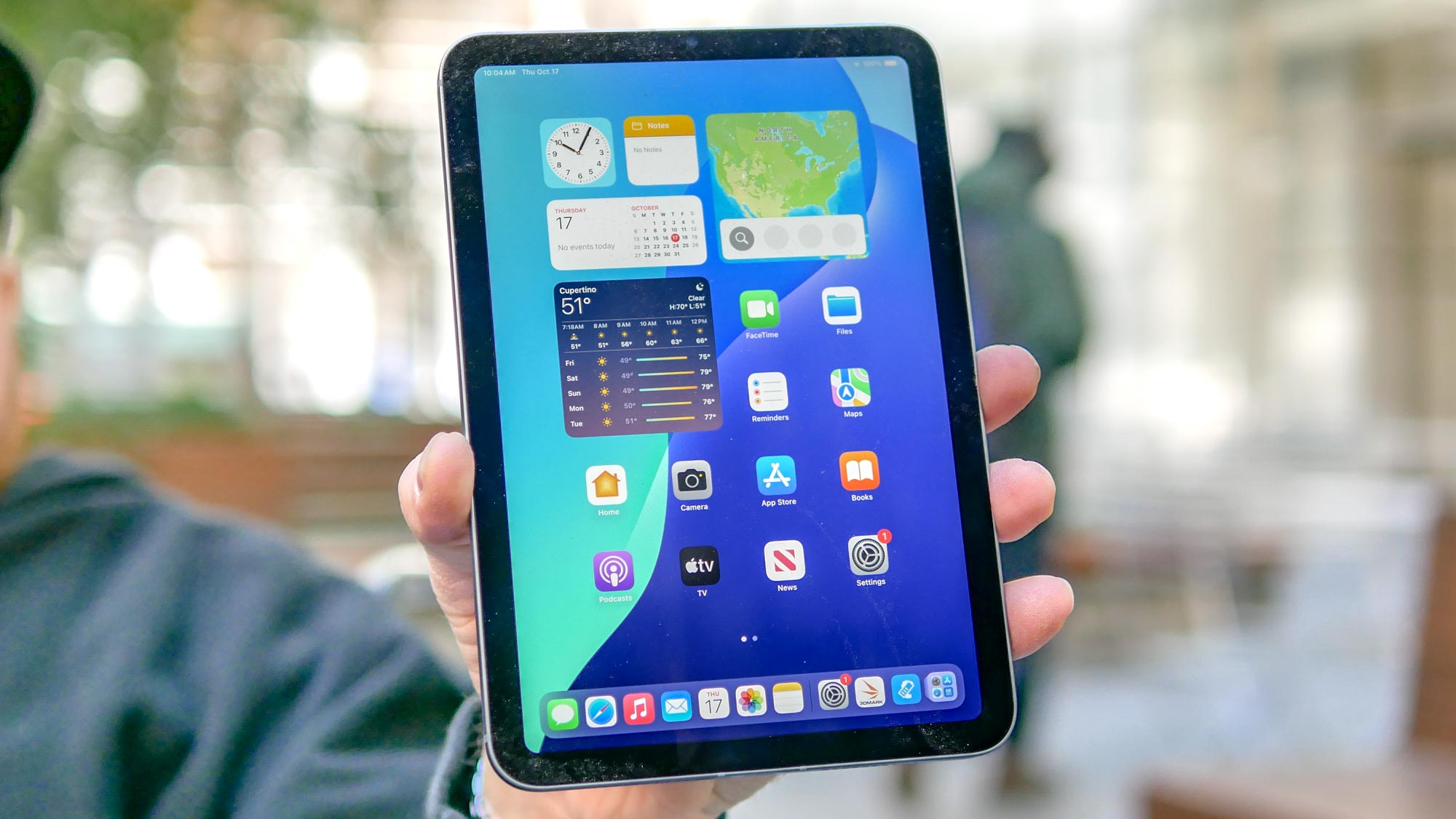
This shift underscores a broader trend in Apple’s hardware strategy: the commoditization of AI. By pushing the A19 chip into the entry-level tier, Apple is ensuring that the barrier to entry for its "smart" features is lowered, potentially driving a new wave of upgrades among users of older, base-model iPads.
iPad mini 8: Refinement and Performance
The leak regarding the iPad mini 8 is particularly intriguing due to what was omitted. While industry analysts have long predicted an OLED display for the next iteration of Apple’s smallest tablet, the leaked code remains silent on display technology. Instead, the focus appears to be on raw performance and peripheral hardware. The documentation indicates the use of an A20 Pro chip, a significant leap from the A17 Pro found in the current iPad mini 7.
The move to the A20 Pro suggests that Apple is positioning the mini 8 not just as a content-consumption device, but as a portable workstation for creative professionals who require high performance in a small form factor. Additionally, the inclusion of a new landscape-oriented front-facing camera and a re-engineered speaker system points toward an improved video-conferencing experience. The absence of confirmed OLED specs in the code does not rule out the technology, but it suggests that the primary marketing thrust for the upcoming launch will center on the tablet’s internal processing power and audio-visual capabilities.
HomePod mini 2: Expanding the Color Palette
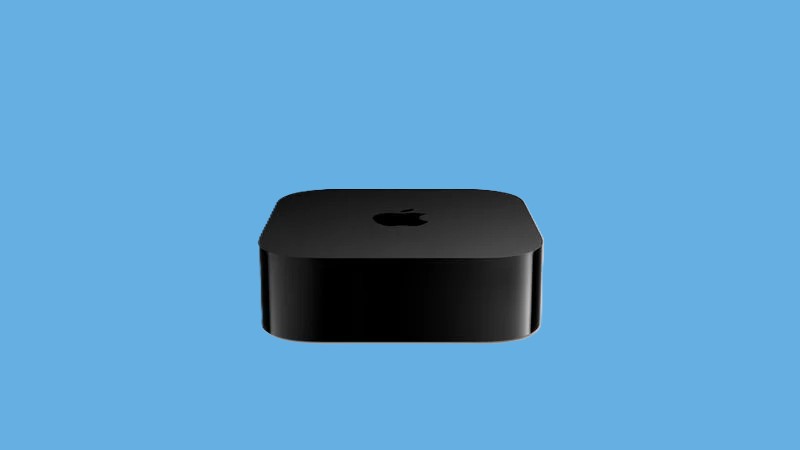
The HomePod mini 2, a product that has been rumored since 2023, appears to be nearing its commercial release. The code suggests a refresh focused on aesthetics and smart-home integration, with five new color options, including a refined black, white, green, blue, and a new pink variant. While the cosmetic updates are clear, the technical improvements are expected to be substantial.
The new HomePod mini is anticipated to feature a updated chip specifically optimized for local voice processing. This would allow Siri to execute commands faster and more reliably, even when an internet connection is intermittent. Furthermore, with the growing complexity of the Matter smart-home protocol, the HomePod mini 2 is expected to act as a more robust hub for cross-platform device management. The audio architecture is also rumored to be updated to provide a wider soundstage, addressing one of the few critiques leveled at the original model.
Strategic Implications and Market Context
The synchronization of these four product launches suggests that Apple is preparing for a "Super Cycle" in the final quarter of the year. By releasing these devices alongside the anticipated M6 MacBook line and the long-awaited HomePad smart-home hub, Apple is attempting to capture maximum market share during the holiday shopping season.
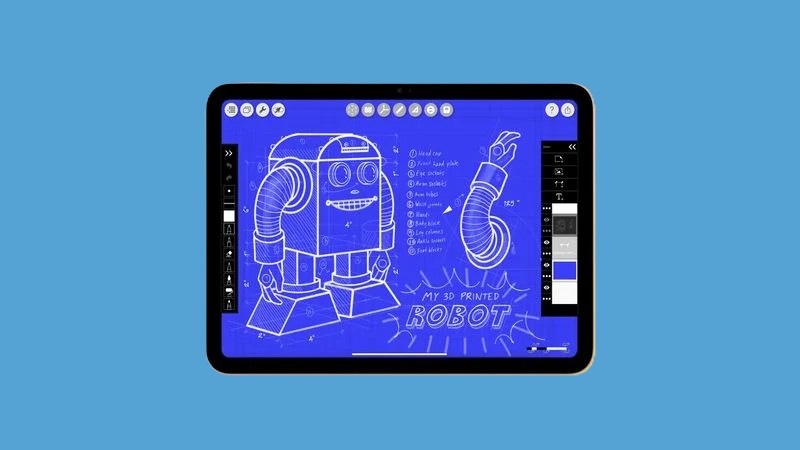
The broader implication of this leak is the aggressive acceleration of Apple’s AI roadmap. By ensuring that the iPad 12, iPad mini 8, and the next Apple TV 4K are all built with the overhead required for Apple Intelligence, the company is insulating its product catalog against becoming obsolete in an era where consumers are increasingly prioritizing AI-capable devices.
Historically, Apple has maintained a staggered release schedule to avoid internal competition between product lines. However, the decision to bundle these releases into a single event or a rapid-fire series of updates in October signals a departure from this caution. It reflects a high-confidence strategy aimed at refreshing the entire ecosystem at once, thereby encouraging users to upgrade multiple devices to maintain feature parity across their home and mobile environments.
Industry Reception and Anticipation
While Apple has not provided an official comment regarding the leak, the discovery by contributors to reputable sites like MacRumors aligns with broader supply chain reports. Analysts expect that these devices will begin hitting shelves in late October, shortly after the company’s anticipated fall event.
The market reaction to the potential specifications has been largely positive. Tech observers note that the transition to 8GB of RAM on the entry-level iPad 12 is a "game changer" for the budget-conscious consumer. Similarly, the jump to an A20 Pro chip in the iPad mini suggests that Apple is finally treating its small-form-factor tablet with the same respect as its Pro-tier products.
As the industry waits for official confirmation, the focus remains on whether these hardware updates will be sufficient to convince users to upgrade from devices that, for many, are still perfectly functional. With the integration of advanced AI and enhanced connectivity standards like Wi-Fi 7, Apple is betting that the answer is yes. The upcoming October launch window will serve as the true test of whether the company can sustain its momentum in an increasingly competitive and AI-saturated market.
Looking Ahead
As we approach the expected launch date, the tech community will continue to monitor the supply chain for further confirmation of these specifications. The shift toward a more unified hardware foundation, capable of supporting the next decade of software innovations, is clearly the overarching goal. For the average consumer, these upcoming releases represent more than just a spec bump; they represent a significant step toward a more integrated, responsive, and intelligent ecosystem that will likely define the Apple experience for years to come. Whether the final products live up to the expectations set by these early code leaks remains to be seen, but the intent behind the engineering is clear: Apple is ready to bring the full power of its intelligence platform to every corner of its hardware portfolio.