The Best Dell Laptops to Buy in 2025: A Comprehensive Guide to Performance, Productivity, and Value


Dell has maintained a commanding presence in the personal computing landscape since its founding in 1984, evolving from a direct-to-consumer mail-order business into a global titan of hardware engineering. As the company navigates the 2025 fiscal year, it has implemented a significant overhaul of its product nomenclature, shifting away from long-standing legacy brand names like Inspiron, XPS, and Latitude in favor of a streamlined, tiered naming architecture. This transition, which draws thematic inspiration from the minimalist branding seen in high-end mobile electronics, aims to simplify the consumer buying experience. Despite these changes, the core engineering philosophy that has secured Dell’s position on industry leaderboards remains anchored in high-performance computing, battery endurance, and display innovation.

A Chronology of Transformation: From Legacy Brands to a Unified Future
The transition announced in January 2025 marks a departure from decades of established identity. Historically, Dell segmented its catalog into distinct tiers: Inspiron for mainstream users, XPS for premium consumers, Latitude for enterprise professionals, and Precision for high-end workstation tasks. Under the new directive, these lines are being consolidated. Consumer-grade laptops now fall under the Dell and Dell Plus labels, while business-class hardware is rebranded as Dell Pro, with sub-tiers ranging from standard to premium.
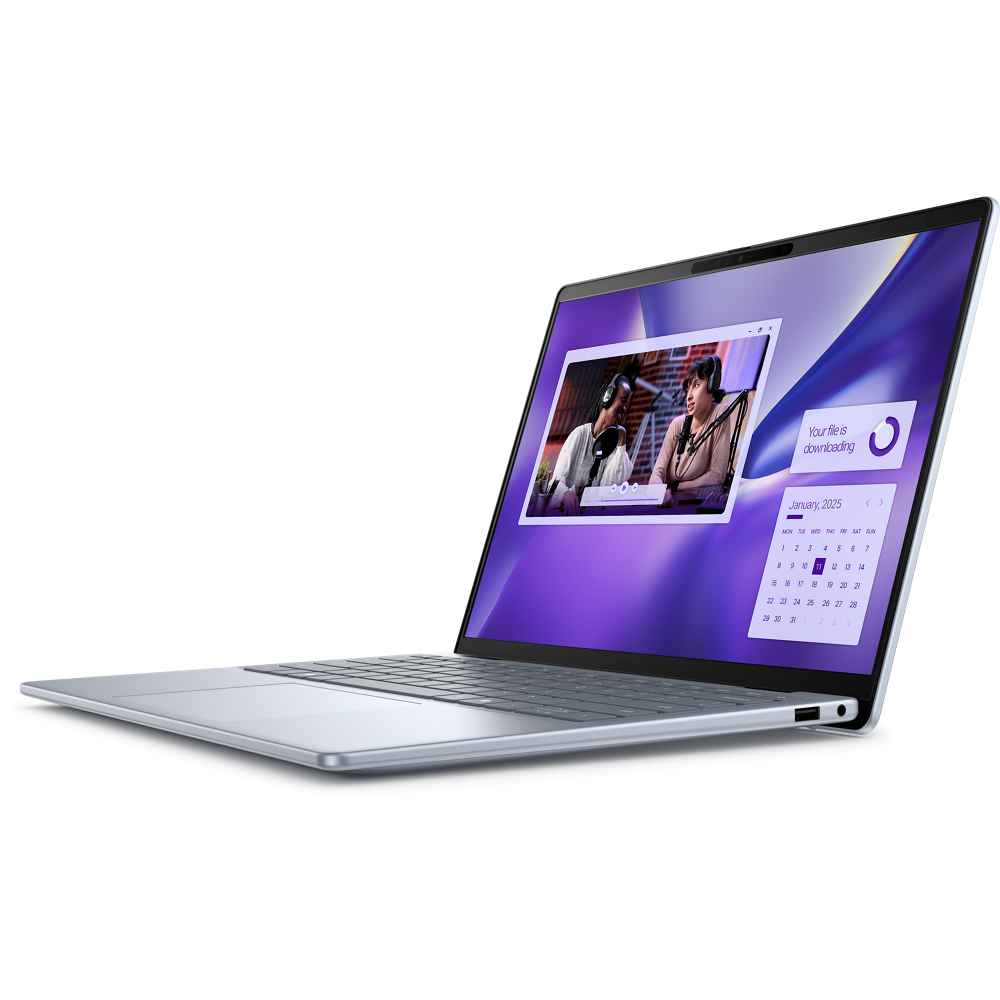
This shift is not merely cosmetic; it reflects the broader industry trend toward convergence. By aligning its naming convention with its high-end workstation heritage, Dell intends to clarify its market positioning against competitors like Apple, whose MacBook lineup has long utilized a straightforward, tiered naming structure. For the consumer, this requires a period of adjustment. While current market inventory still reflects the familiar legacy branding, the 2025 hardware releases are the first to carry the new designations. Understanding this nomenclature is critical, as it dictates the intended use case: standard Dell models are designed for general productivity and web browsing, while the Dell Pro and Pro Max series address the complex requirements of enterprise environments and professional 3D rendering.
Performance Benchmarks and Real-World Utility
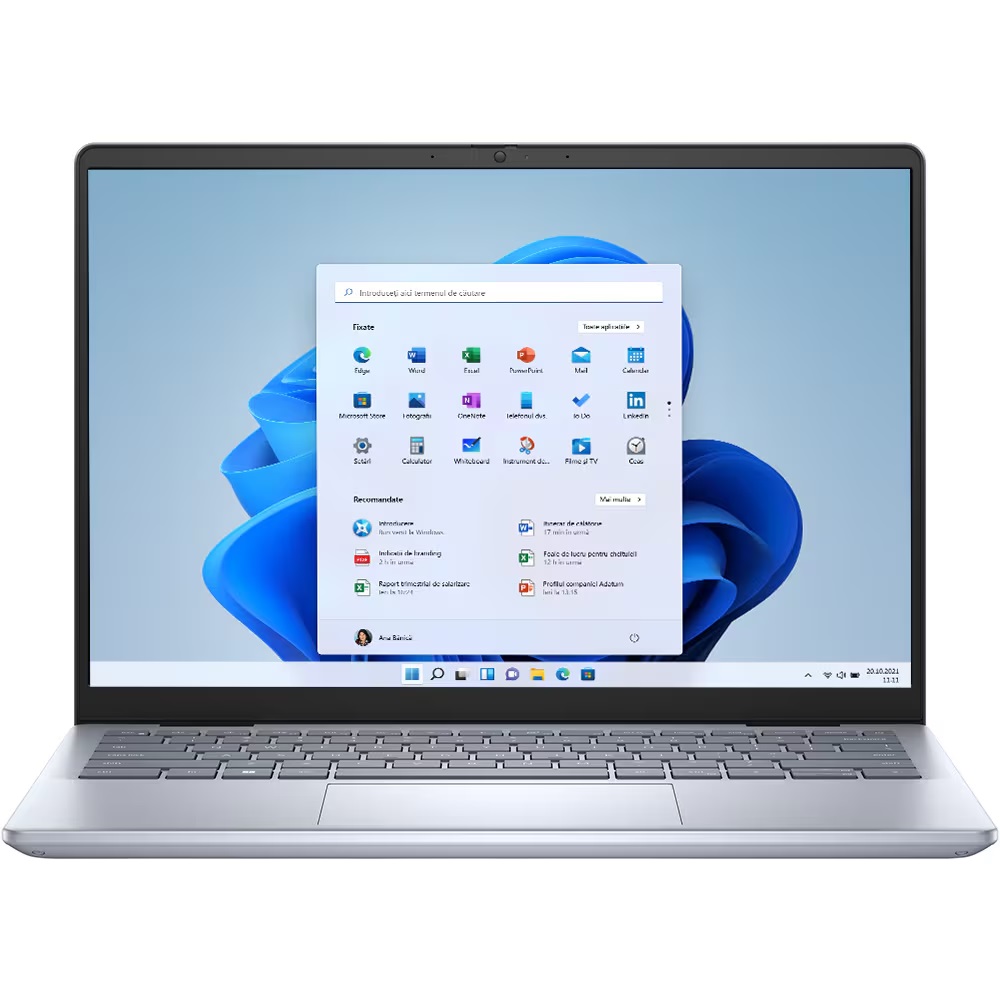
The evaluation of Dell’s 2025 lineup reveals a clear divide in target demographics. The Snapdragon-powered iterations of the Inspiron 14 Plus (7441) have set a new benchmark for power efficiency. In standardized testing, this device yielded a Geekbench 6 multi-core score of 13,281, outpacing the average premium laptop score of 10,435 by over 20%. This performance is bolstered by a significant leap in battery longevity; the model recorded 18 hours and 20 minutes of continuous operation in web-browsing simulations.
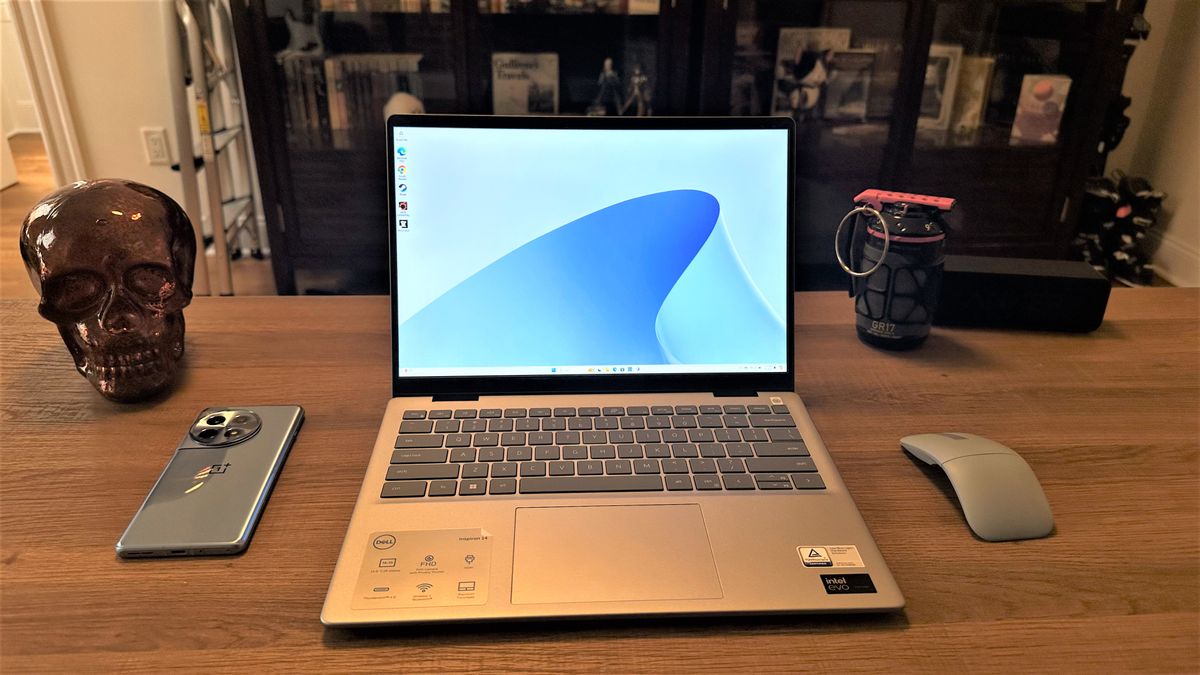
Conversely, for users who prioritize graphical fidelity and compatibility with legacy x86 software, the Intel-based Inspiron 14 Plus (7440) remains a formidable alternative. While its battery life—clocking in at 15 hours and 6 minutes—is lower than the ARM-based equivalent, it offers superior performance in graphic-intensive tasks. In the 3DMark Fire Strike synthetic benchmark, the Intel-based configuration achieved a score of 8,082, representing a 27% lead over the Snapdragon variant. This underscores the current trade-off between the power-sipping nature of ARM architecture and the raw graphical throughput of Intel’s latest integrated Arc solutions.
Professional-Grade Hardware and the Workstation Shift
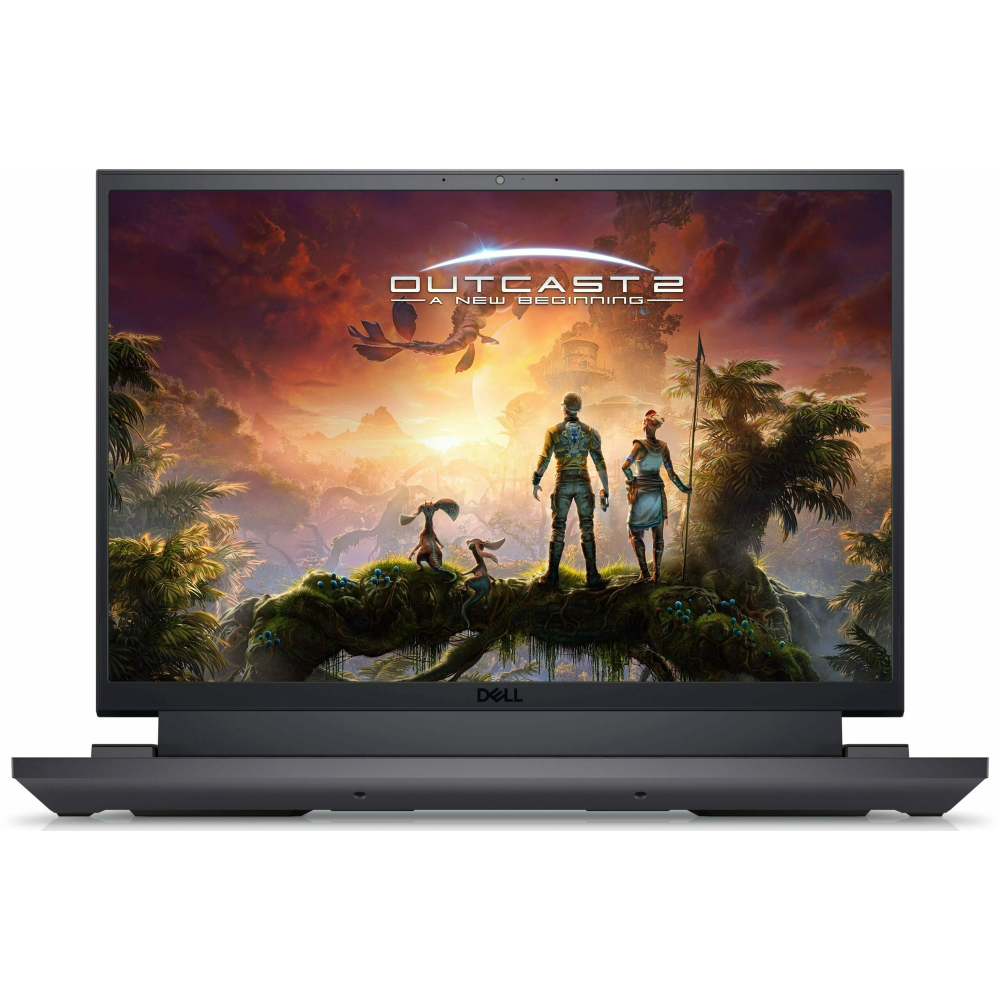
At the high end of the spectrum, the Dell G16 (7630) stands as a testament to the viability of budget-conscious gaming. By integrating an Nvidia GeForce RTX 4060 with a high-refresh-rate 240Hz IPS panel, the machine offers features rarely seen in the sub-$1,000 category. The inclusion of a Cherry MX tactile mechanical keyboard is perhaps the most notable deviation from standard laptop design, providing a level of typing feedback that aligns more closely with custom desktop setups.
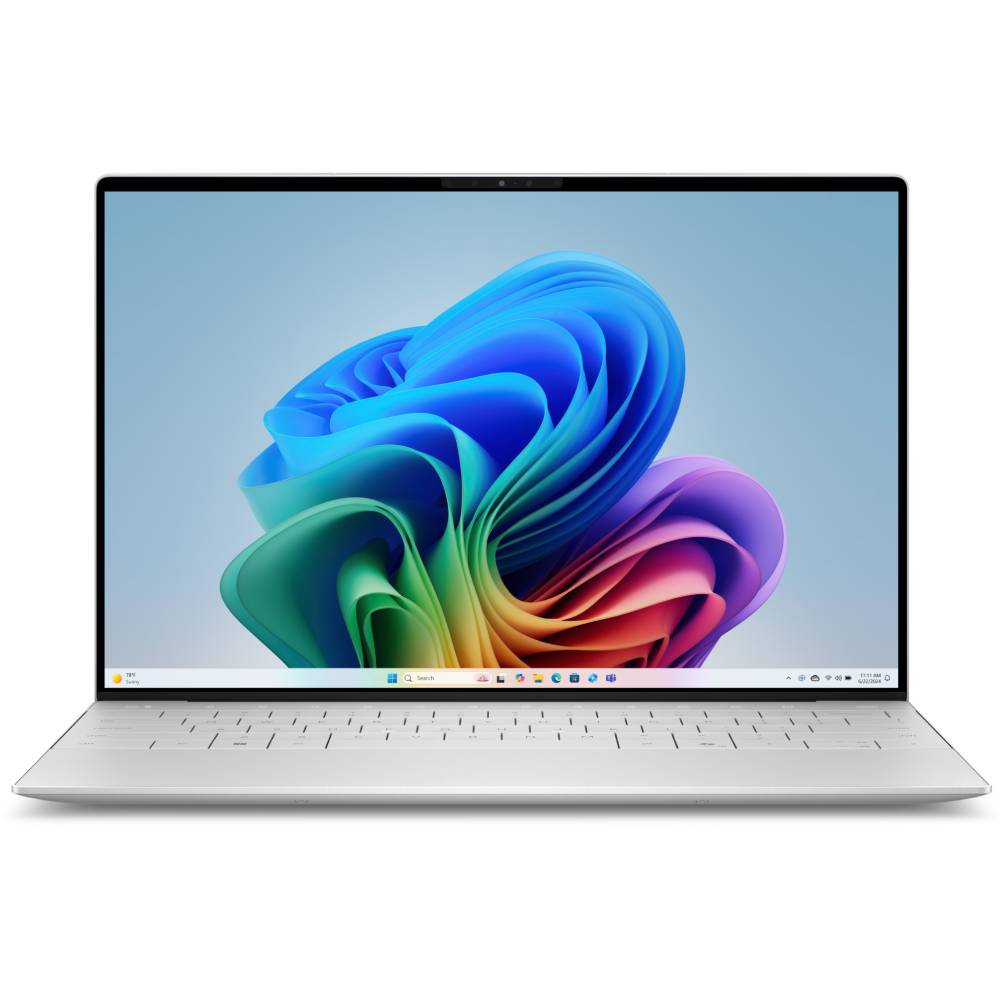
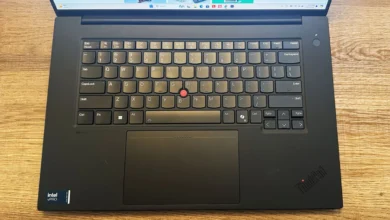
For professionals, the transition to the Dell Pro Max (formerly Precision) series signifies an intensified focus on computational capacity. These workstations, which can range in price from $1,300 to over $4,000, are specifically engineered to handle the thermal and processing loads of 8K video editing, complex architectural simulations, and deep learning workflows. The naming structure—Dell Pro Max, Pro Max Plus, and Pro Max Premium—serves as a functional roadmap for IT procurement departments, allowing for an immediate understanding of the hardware’s capabilities.
Implications of the New Naming Strategy
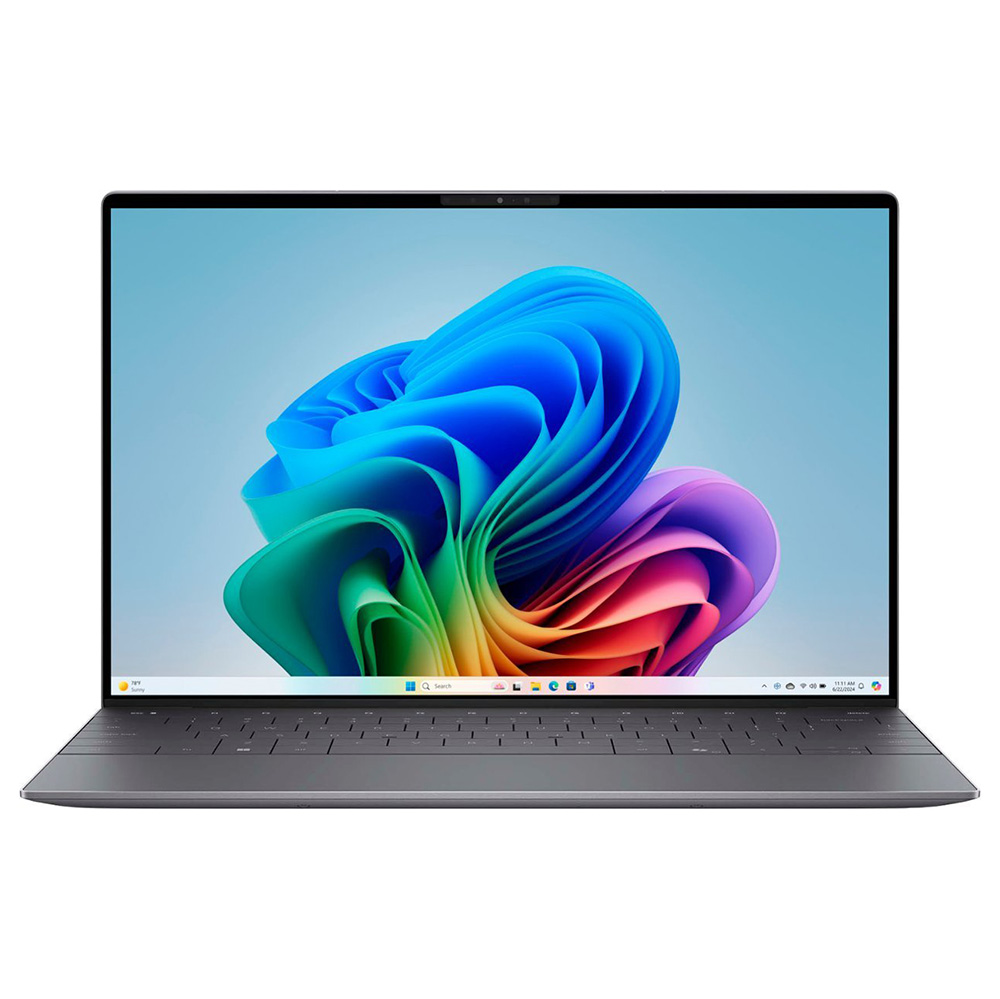
The implications of this rebranding are twofold. Firstly, it allows Dell to unify its marketing efforts under a single, recognizable brand equity. By distancing itself from the "Inspiron" and "Latitude" labels, the company can shed historical perceptions associated with those legacy lines, repositioning them as modern, high-performance tools. Secondly, the tier-based naming (Standard, Plus, Premium) offers a transparent value proposition. It removes the ambiguity that often accompanies complex product model numbers, enabling a consumer to identify exactly where a machine sits in the company’s hierarchy based on its tier suffix.
However, this transition is not without friction. Legacy users who have relied on the distinction between the XPS and Latitude lines may find the new, broader categories less descriptive of specific build philosophies. For example, the "Premium" designation now spans across multiple hardware architectures, potentially blurring the lines between consumer luxury and business-grade reliability.

Methodology and Rigor in Evaluation
The data driving these assessments is the result of rigorous laboratory testing. Every device processed by the editorial team is subjected to the same standardized protocol, ensuring objectivity. This includes the use of colorimeters for display accuracy, multi-threaded CPU stress tests, and real-world thermal analysis. A core metric in this evaluation is the 95-degree Fahrenheit surface temperature threshold. Devices that exceed this temperature on areas where the user places their hands are flagged, as thermal management is a primary indicator of component longevity and user comfort.
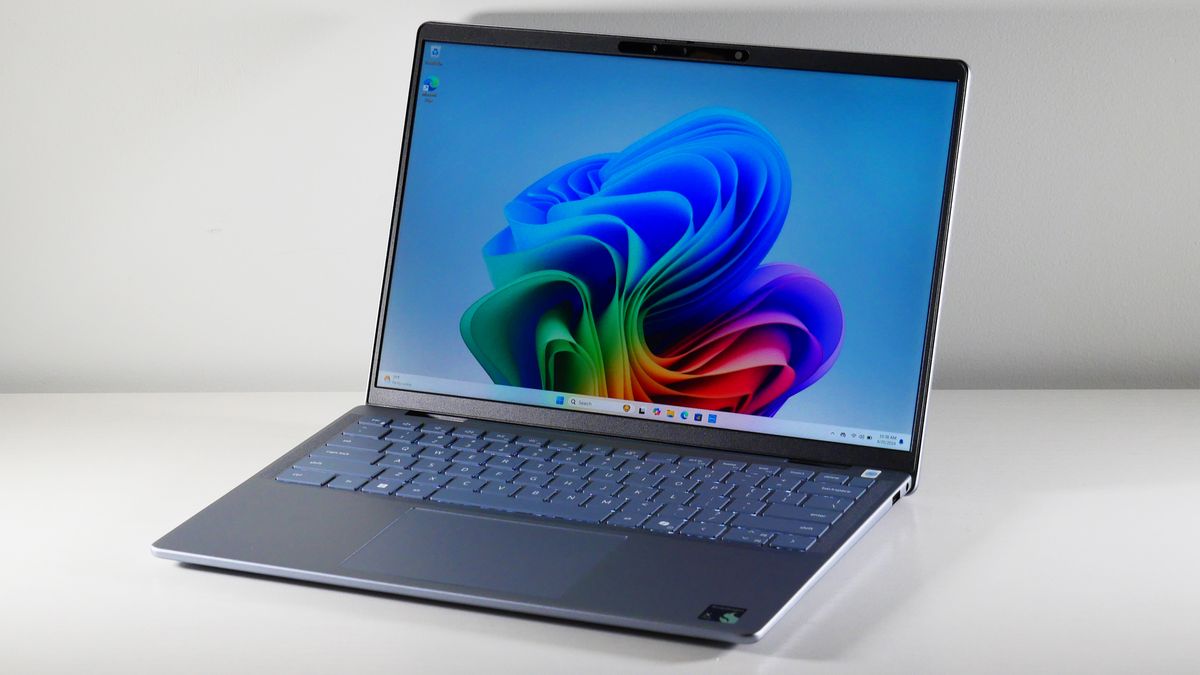
Furthermore, the battery rundown test—a constant loop of web traffic over Wi-Fi—serves as the gold standard for portable endurance. In 2025, a runtime of 10 hours for Windows-based laptops is the baseline for acceptable performance. Devices that cross the 15-hour mark are categorized as industry leaders. This commitment to data-driven analysis ensures that recommendations are based on verifiable outcomes rather than marketing specifications.
Broader Market Context and Conclusion
Dell’s 2025 strategy occurs against a backdrop of intensifying competition in the laptop sector. With the advent of advanced NPU (Neural Processing Unit) integration and the maturation of Windows on ARM, the manufacturer is in a period of rapid iteration. The integration of these technologies into the new "Dell" and "Dell Pro" branding suggests that the company is preparing for an era where AI-driven tasks will become standard for both consumer and enterprise workflows.
For the prospective buyer, the current landscape offers a unique opportunity. As the transition from legacy names to the new tiered system occurs, many of the older models are seeing significant price reductions. These machines, while lacking the new branding, often feature nearly identical hardware specifications to their successors. Whether a user requires the extreme battery life of the new Snapdragon-based platforms or the graphical prowess of an Intel-Arc-equipped workstation, the current Dell catalog provides a diverse range of solutions. The key to navigating this transition is an understanding of the new naming tiers, which simplify the path to selecting the right tool for one’s specific professional or personal requirements. As the company continues to refine its offerings, the shift toward a unified, tiered branding system stands as a clear indicator of Dell’s focus on clarity, efficiency, and long-term modularity in the hardware space.