Jensen Huang Spearheads Industry Alliance Advocating for Open AI Models Amidst Rising Regulatory Scrutiny


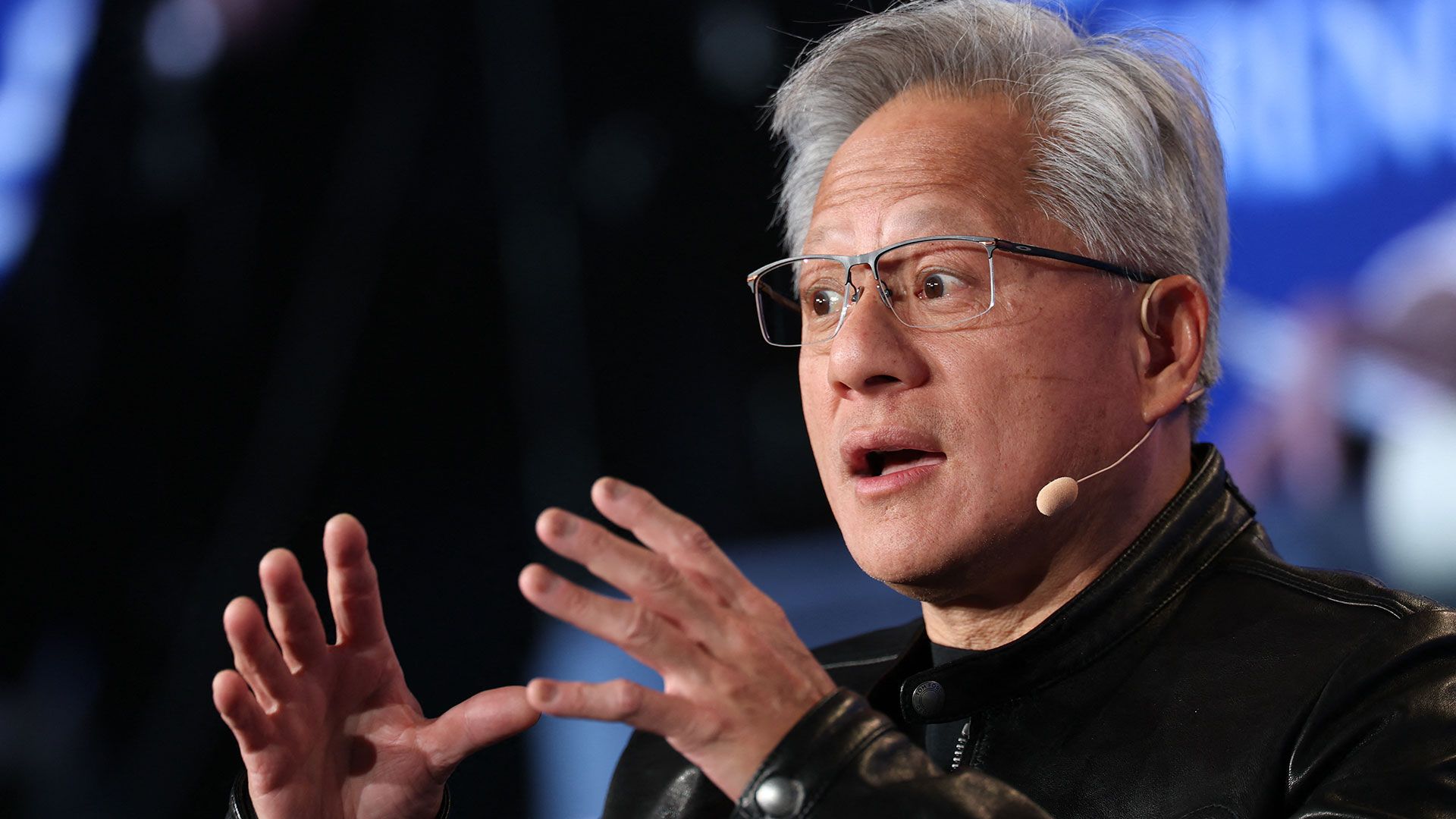
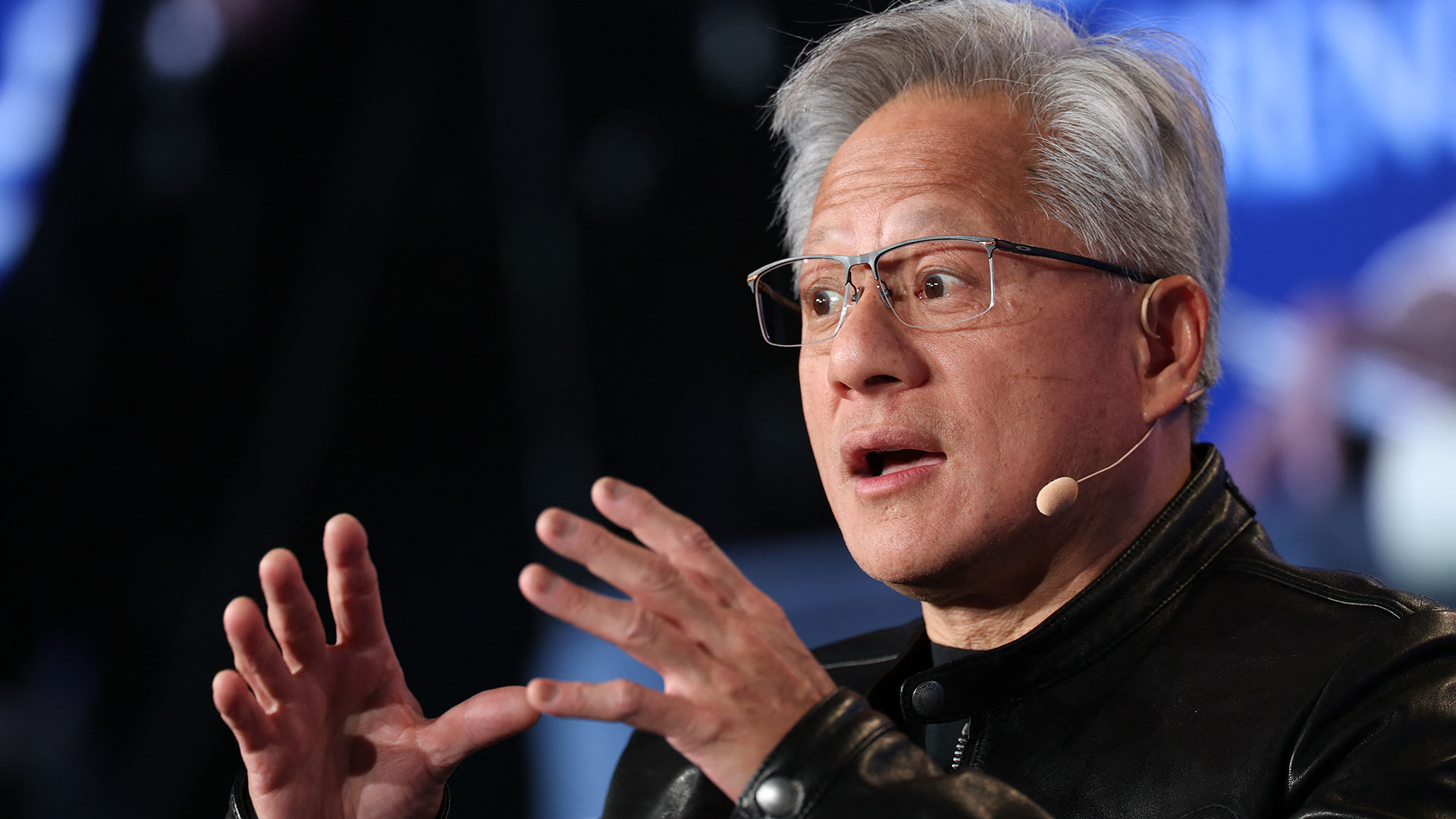
Jensen Huang, the influential CEO of Nvidia, marked his official entry onto the social media platform X last month by spearheading a critical policy discussion in the artificial intelligence landscape. His inaugural post on X, published Friday, served as a direct endorsement for "Open Weights and American AI Leadership," a comprehensive three-page policy letter released the same day. This pivotal document, co-signed by 25 prominent technology companies, including industry giants like Nvidia, Microsoft, Meta, IBM, Dell Technologies, Palantir, and Hugging Face, urges Washington to exercise caution and avoid what it terms "premature restrictions on downloadable AI models." The timing of this collective industry plea is particularly noteworthy, arriving just four days after reports surfaced detailing a potential revival of the Trump administration’s efforts to ban Chinese AI models, citing cybersecurity concerns and intellectual property theft. While the letter refrains from explicitly naming China, Moonshot AI, or DeepSeek, its context is undeniably rooted in the escalating geopolitical competition surrounding AI development.
A United Front: Industry Leaders Advocate for Open AI
The signatories of the "Open Weights and American AI Leadership" letter represent a broad spectrum of the technology ecosystem, underscoring the widespread concern within the industry regarding potential regulatory overreach. The list encompasses key players from various sectors: chipmakers (Nvidia), server vendors (Dell), cloud operators (Microsoft, IBM), enterprise software firms (Box, ServiceNow), security companies (CrowdStrike, Palantir, Telnyx), development platforms (Replit, Hugging Face), AI model developers (Meta, Mistral, Black Forest Labs, Arcee AI, Reflection), and influential venture capital firms (Andreessen Horowitz, Y Combinator, Emergence Capital, Perplexity). Notably, the Linux Foundation, a crucial steward of open-source initiatives, including the OpenMDW-1.1 license used by Nvidia for its Nemotron 3 Ultra model, also lent its weight to the initiative.
The absence of several major AI developers, such as OpenAI, Anthropic, and Google, from the list of co-signers is a significant detail that highlights the ongoing internal debate within the AI industry itself regarding the optimal path for AI development – whether through open-source collaboration or proprietary, closed models. These companies primarily operate on a closed-source model, offering their advanced AI capabilities through APIs rather than making the underlying model weights publicly available. This strategic divergence underscores the different business models and philosophies at play in the rapidly evolving AI sector.
The Geopolitical Undercurrent: US-China AI Rivalry and IP Concerns
The policy letter arrives at a moment of heightened tension in the global technology arena, particularly concerning the strategic competition between the United States and China over AI dominance. Reports earlier in the week indicated that the Trump administration was considering a renewed push to ban Chinese AI models. These concerns are not new; they stem from long-standing anxieties about national security, data privacy, and intellectual property theft. Treasury Secretary Scott Bessent, speaking on Fox Business, reiterated these concerns, stating that the administration would actively investigate Chinese open-source models for intellectual property violations and consider sanctioning companies found to be involved. Bessent claimed that officials had detected "watermarks" from U.S. large language models within Chinese systems, suggesting direct evidence of misappropriation.
This backdrop frames the industry’s collective appeal to Washington. While the letter advocates for the benefits of open models, it implicitly pushes back against a blanket ban that could stifle innovation and fragment the global AI ecosystem. The core argument is that premature restrictions could inadvertently harm American AI leadership by limiting collaboration, slowing down development, and making enforcement practically impossible given the nature of downloadable open weights.
Understanding "Open Weights" and "Distillation"
At the heart of the policy letter are two key technical concepts: "open weights" and "distillation."
Open Weights: In the context of AI, "weights" refer to the numerical parameters within a neural network that are learned during the training process. These weights essentially define the model’s knowledge and capabilities. When a model has "open weights," it means that these parameters are publicly accessible and downloadable. This allows anyone to inspect, modify, run, and fine-tune the model on their own hardware, fostering transparency, reproducibility, and collaborative development. This contrasts sharply with "closed models," where the weights remain proprietary, and users can only interact with the model through an API (Application Programming Interface) without direct access to its internal workings.
Distillation: The letter also addresses the practice of "distillation," which involves training a smaller, simpler AI model to mimic the outputs and behavior of a larger, more complex model. This technique is often used to create more efficient and deployable models that retain much of the performance of their larger counterparts. The policy letter urges policymakers not to categorize distillation as "misappropriation," arguing that any unlawful extraction from closed models should be addressed through targeted legal frameworks rather than broad restrictions on the technique itself. This distinction is crucial because legitimate distillation can be a powerful tool for optimizing AI models and making them more accessible, while illegal copying or intellectual property theft should be handled under existing or refined IP laws.
Arguments for Open Models: Innovation, Safety, and Sovereignty
Jensen Huang, in his X post, succinctly articulated the core philosophy behind the open models movement: "AI will transform every industry, power every company, and be built by every country. Open models strengthen safety and cybersecurity, accelerate innovation and diffusion, and enable sovereignty." This statement encapsulates the multifaceted benefits that proponents attribute to open-weight AI.
- Accelerated Innovation and Diffusion: Open models foster a collaborative environment where researchers and developers worldwide can build upon existing work, experiment with new ideas, and iterate rapidly. This accelerates the pace of innovation, allowing for quicker advancements and the development of diverse applications tailored to specific needs. The ability to download and modify models locally empowers startups and smaller enterprises, reducing their reliance on expensive API calls from hyperscalers and fostering a more competitive market.
- Enhanced Safety and Cybersecurity: Proponents argue that open models are inherently more secure and auditable. When model weights are transparent, a wider community of experts can inspect them for biases, vulnerabilities, and potential misuse. This collective scrutiny can lead to faster identification and remediation of issues, making the models safer and more robust. In contrast, closed models, while subject to internal audits, lack the broad external peer review that open models benefit from.
- Enabling Sovereignty: For individual countries and regions, open models offer a path to "AI sovereignty." By having access to the foundational models and the ability to customize and deploy them locally, nations can develop their own AI capabilities without being solely dependent on foreign proprietary systems. This is particularly important for critical infrastructure, national security, and fostering local technological ecosystems, ensuring that AI development aligns with national values and regulations.
- Democratization of AI: The letter’s call for expanded compute access for startups and researchers, alongside public investment in shared datasets and evaluation frameworks, further emphasizes the goal of democratizing AI development. By making powerful AI tools and resources more widely available, the industry hopes to lower barriers to entry, spur diverse applications, and ensure that the benefits of AI are distributed broadly rather than concentrated among a few large corporations.
Huang’s earlier statement at Nvidia’s CES 2026 press Q&A highlighted the growing prominence of open models, estimating that "one in every four tokens generated today comes from an open model." This statistic underscores a significant shift in the AI landscape, where a substantial portion of AI-driven computations is already being handled by models that are not exclusively tied to a few major cloud providers. These open models are increasingly served from enterprise clusters, regional clouds, and on-premises racks, providing alternatives to the proprietary TPU or Trainium programs offered by hyperscalers.
The Absence of Key Players: Closed vs. Open AI Models
The conspicuous absence of OpenAI, Anthropic, and Google from the list of signatories is not merely an oversight but reflects a fundamental philosophical and business model divide within the AI industry. These companies have heavily invested in developing large, sophisticated, proprietary AI models, such as OpenAI’s GPT series, Anthropic’s Claude, and Google’s Gemini. Their primary revenue streams and competitive advantages often stem from controlling access to these cutting-edge models through APIs, providing a managed service rather than open-sourcing the underlying technology.
Arguments for closed models typically center on:
- Safety and Control: Proponents argue that closed models allow developers greater control over their use, reducing the risk of misuse or the development of dangerous applications. They can implement safeguards and monitor usage more effectively.
- Resource Investment: Developing and training frontier AI models requires immense computational resources and specialized expertise. Companies argue that the significant investment justifies maintaining proprietary control to recoup costs and protect intellectual property.
- Competitive Advantage: Keeping models closed allows companies to maintain a competitive edge, fostering innovation through internal research and development without immediately exposing their breakthroughs to rivals.
However, the "Open Weights and American AI Leadership" letter implicitly challenges these arguments by proposing that open models can also enhance safety and cybersecurity through collective scrutiny, and that fostering a broader ecosystem ultimately benefits American leadership.
Nvidia’s Strategic Position and Broader Industry Trends
Nvidia, under Jensen Huang’s leadership, occupies a unique and powerful position in the AI ecosystem. As the dominant provider of the GPUs essential for AI training and inference, Nvidia’s stance on open models carries significant weight. While Nvidia benefits from the overall growth of AI, regardless of whether models are open or closed, advocating for open weights aligns with its strategy of expanding the total addressable market for its hardware. More developers, startups, and enterprises building and deploying AI models—especially on-premises or in diverse cloud environments—translate directly into higher demand for Nvidia’s accelerators.
Nvidia has also actively contributed to the open AI landscape. Its release of Nemotron 3 Ultra, a 550-billion-parameter model under the OpenMDW-1.1 license (stewarded by the Linux Foundation), demonstrates its commitment. Nemotron 3 Ultra, despite scoring slightly lower on Artificial Analysis’s intelligence index (47.7) compared to Moonshot’s Kimi K2.6 (53.9), represents a significant open-source contribution that allows developers to access and build upon a powerful model. This strategic move positions Nvidia not just as a hardware vendor but as a key enabler of the broader AI development community, including those who prefer open-source approaches.
Government Responses and Regulatory Challenges
The tension between industry advocacy for open models and government concerns about national security and intellectual property highlights the complex regulatory challenges facing policymakers. Treasury Secretary Scott Bessent’s statements reflect a prevailing sentiment within certain government circles that Chinese AI models pose a distinct threat, particularly regarding IP theft and potential "backdoors" for espionage.
However, Jensen Huang has publicly countered some of these government apprehensions. In an interview with Axios two days after Bessent’s remarks, Huang argued that American firms should be permitted to utilize Chinese AI models, dismissing claims of Chinese backdoors as "misconceptions." He emphasized that security concerns should be addressed through robust testing and verification rather than broad prohibitions that could limit American companies’ access to valuable tools and research.
The practical difficulties of enforcing a ban on downloadable open-weight models are immense. Once weights are released, they can be distributed globally, making it challenging for any single government to control their spread or usage effectively. This reality strengthens the argument that rather than attempting to restrict the dissemination of open models, policymakers should focus on establishing clear legal frameworks for intellectual property protection and robust evaluation standards for all AI models, regardless of their origin or open/closed status.
Economic and Innovation Implications: A Delicate Balance
The debate over open-weight AI models has profound implications for the future economic landscape of the AI industry and the pace of innovation.
- For Startups and SMEs: Open models significantly lower the barrier to entry for startups and small and medium-sized enterprises (SMEs). They can leverage powerful pre-trained models without incurring the massive costs associated with developing them from scratch or being locked into expensive API usage from hyperscalers. This fosters a more dynamic and competitive ecosystem, potentially leading to a wider array of specialized AI applications.
- For Hyperscalers: While companies like Microsoft are signatories to the letter, their primary cloud AI offerings often revolve around proprietary models. The rise of open models could pressure their API-based revenue streams. However, they also benefit from a broader AI ecosystem that drives demand for their underlying cloud infrastructure and specialized AI services.
- Global Competitiveness: The letter argues that restricting open models could inadvertently cede ground to international competitors. If American companies are prevented from fully engaging with and contributing to the open-source AI community, it could slow down domestic innovation and dilute the U.S.’s leadership position. Conversely, embracing open models could strengthen American AI leadership by fostering a vibrant domestic ecosystem that attracts top talent and drives rapid advancements.
- Research and Development: Open models are a boon for academic research. Researchers can freely access, experiment with, and build upon state-of-the-art models, accelerating scientific discovery and the development of new AI techniques. The letter’s call for public investment in shared datasets and evaluation frameworks further supports this collaborative research environment.
The Path Forward: Balancing Innovation and Security
The "Open Weights and American AI Leadership" letter, championed by Jensen Huang and a formidable coalition of tech companies, represents a significant intervention in the ongoing policy debate surrounding artificial intelligence. It underscores the industry’s desire for a regulatory environment that promotes innovation, fosters competition, and leverages the collective intelligence of the global AI community, particularly through open-source approaches.
Policymakers face the delicate task of balancing national security concerns and intellectual property protection with the imperative to foster innovation and maintain global technological leadership. A blanket ban on certain AI models, especially those with open weights, presents significant challenges in terms of enforceability and could have unintended consequences for the domestic AI ecosystem.
Instead, the industry’s call for targeted legal frameworks for intellectual property, expanded compute access for startups and researchers, and public investment in shared datasets and evaluation frameworks offers a constructive path forward. This approach would allow for the development of robust security measures and IP protections without stifling the collaborative spirit and rapid innovation that open models facilitate. The future of American AI leadership, and indeed the global AI landscape, will hinge on the ability of governments and the industry to navigate these complex issues with foresight and a shared commitment to responsible innovation.