Yakuza creator’s new studio and its debut game Gang of Dragon are no more after losing funding from NetEase

The Rise and Fall of a Creative Powerhouse
Toshihiro Nagoshi, a luminary in the gaming industry, established Nagoshi Studio in 2021 under the backing of Chinese tech giant NetEase. The studio was positioned as a premium, high-budget developer tasked with creating original intellectual properties that could compete on the global stage. Nagoshi, who spent over three decades at Sega, brought with him a reputation for crafting dense, character-driven narratives that blended grit, humor, and stylized violence.
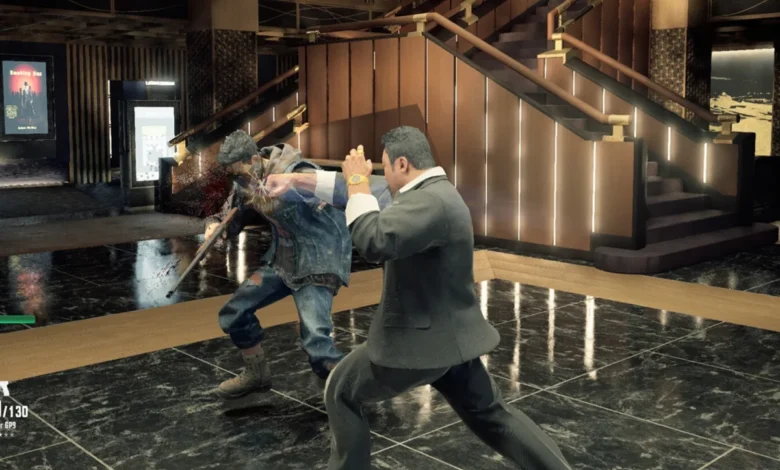
Expectations were high when the studio first announced its debut project, Gang of Dragon, roughly one year ago. The title promised to deliver the same high-stakes crime drama that defined the Yakuza series, featuring a star-studded cast that included acclaimed actor Ma Dong-seok—known for his roles in Train to Busan and the Marvel Cinematic Universe’s Eternals. However, the momentum behind the project began to falter as the realities of the modern, high-cost AAA development environment collided with shifting corporate strategies at NetEase.
A Chronology of Financial Instability
The decline of Nagoshi Studio did not happen overnight. It was the result of a protracted period of financial uncertainty that began in mid-2026. The following timeline outlines the key milestones in the studio’s final year:
- Early 2026: Nagoshi Studio unveils the world premiere trailer for Gang of Dragon at The Game Awards, generating significant buzz for its high-octane action and cinematic production values.
- Mid-2026: Reports emerge indicating that development costs for Gang of Dragon have ballooned, leading to a request for an additional £33.1 million (approximately $44.4 million) in funding from NetEase to complete the project.
- Late 2026: NetEase officially declines to provide the additional capital, citing a strategic shift away from high-risk, long-term international game development.
- November 2026: The Japanese government gazette, Kanpo, publishes notice of the studio’s dissolution, legally confirming the end of operations.
The failure to secure this final round of funding proved to be the terminal blow. For a studio operating in the high-overhead environment of Tokyo, the withdrawal of primary financial support left no room for alternative funding models, especially given the current risk-averse climate of the global gaming market.
NetEase and the Global Contraction
The closure of Nagoshi Studio is not an isolated incident but rather a symptom of a broader trend within NetEase. Over the past twenty-four months, the publisher has systematically re-evaluated its international portfolio, pulling back from investments in external studios that fail to show immediate or scalable profitability.
This "strategic pivot" has had profound consequences for several high-profile projects. The closure of Ouka Studios, which occurred just days after the launch of the action-RPG Visions of Mana, serves as a prime example of the publisher’s intolerance for underperformance. Similarly, Worlds Untold—a studio founded by Mass Effect veteran Mac Walters—was forced to pause operations and seek new ownership, while the studio led by Halo Infinite design veteran Jerry Hook faced nearly identical hurdles when it was forced to halt development on its first title.
Industry analysts point to the increasing cost of AAA development as the primary driver behind these closures. With development budgets for flagship titles often exceeding $100 million and production cycles stretching over five to seven years, the threshold for success has become razor-thin. When a project like Gang of Dragon enters a stage where it requires a multi-million dollar cash injection to reach completion, publishers are increasingly choosing to cut their losses rather than gamble on the long-term ROI.
Comparative Analysis: The Survival of Independent Models
While Nagoshi Studio could not secure its future, other developers have navigated similar waters with varying degrees of success. The most prominent example is Grasshopper Manufacture, led by Suda51. By pursuing a management buyout and transitioning into an independent entity, the studio was able to decouple itself from the volatility of external publisher demands.
This trend toward independence highlights a growing divide in the industry: studios backed by massive conglomerates are often subject to the unpredictable, quarterly-focused whims of corporate boardrooms, whereas independent studios, while financially leaner, maintain creative control and operational autonomy. The loss of Nagoshi Studio represents a cautionary tale for high-budget ventures that rely entirely on a single benefactor.

The Broader Impact on the Industry
The disappearance of Gang of Dragon is a significant loss for fans of the genre. The game’s trailer suggested a unique fusion of Eastern and Western cinematic influences, bolstered by the presence of Ma Dong-seok, who brought a level of gravitas to the project that few other games could claim. With the studio closed and the assets likely sitting in a state of legal limbo, the industry is left to wonder what might have been.
From a macroeconomic perspective, the closure reinforces the "flight to quality" and "flight to safety" currently observed among major gaming publishers. NetEase, like many of its peers, is prioritizing internal projects and established franchises over the creation of new, experimental studios. This shift is expected to continue throughout the remainder of the decade, leading to fewer new, mid-to-large-scale titles entering the market from experimental teams.
For the employees at Nagoshi Studio, the closure marks a period of professional transition. In the competitive landscape of the Japanese gaming industry, talent from high-profile studios often finds its way back into larger legacy firms or smaller, agile indie teams. However, the loss of a specialized, cohesive creative unit is always a blow to the industry’s collective output.
Conclusion
The closure of Nagoshi Studio and the cancellation of Gang of Dragon serve as a stark reminder of the fragile nature of modern game development. Despite the pedigree of its founder and the star power associated with its debut project, the studio could not overcome the insurmountable financial barriers imposed by a shifting corporate landscape. As the industry continues to grapple with rising costs and economic volatility, the story of Nagoshi Studio will likely be cited as a definitive case study in the risks of reliance on singular, high-capital funding sources in an era of corporate retrenchment. The legacy of Toshihiro Nagoshi remains secure through his decades of previous work, but the sudden end of this venture leaves a void where a new, ambitious vision once stood.