CATL Decommissions Historic Zhangbei Storage Project Cells, Revealing Extraordinary LFP Battery Longevity After 14 Years

The evolution of modern high-voltage battery technology has fundamentally transformed the landscape of the automotive and energy sectors. Contemporary lithium-ion cells engineered for electric vehicles (EVs) and grid-scale stationary energy storage systems have proven to be remarkably robust, challenging early industry skepticism regarding their long-term durability. Recent operational data and independent fleet monitoring studies consistently demonstrate that the latest generation of lithium-ion chemistry can comfortably outlive the very chassis and powertrains they propel, with overall premature failure rates plummeting to an impressively low 0.3%.
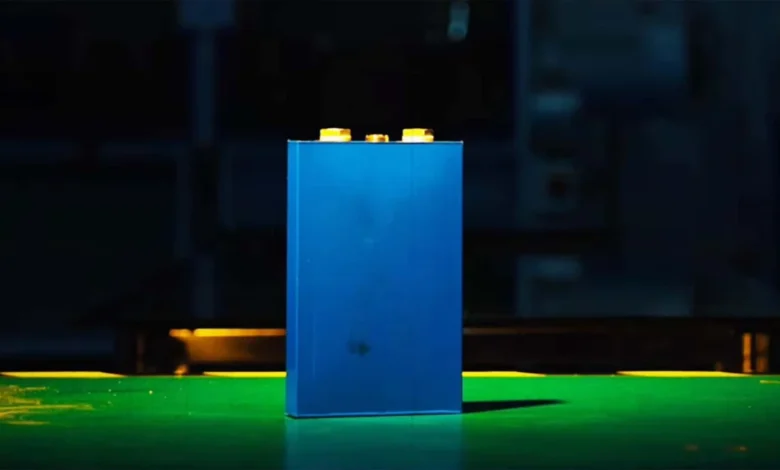
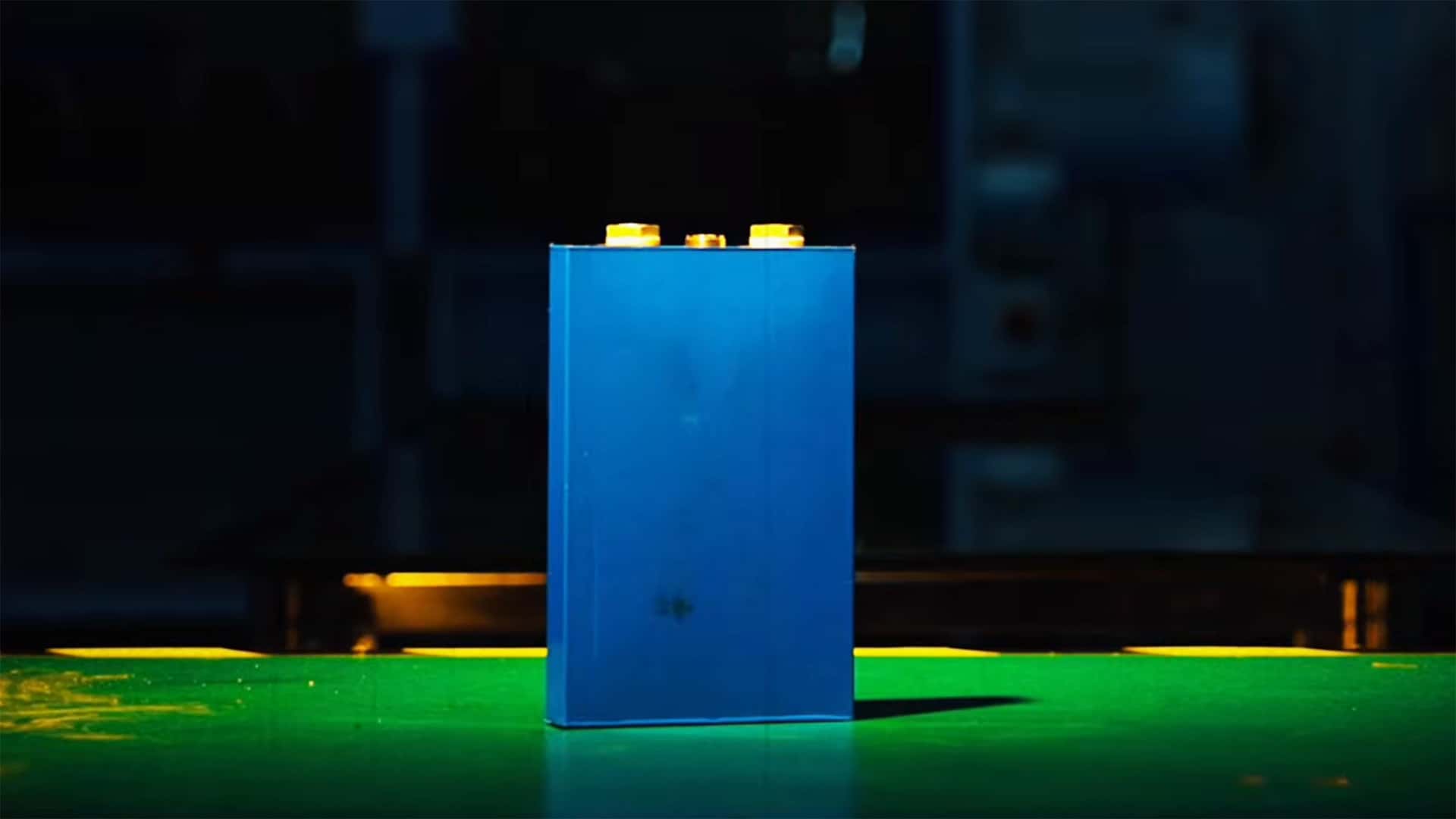
Building upon these encouraging industry trends, Contemporary Amperex Technology Co., Limited (CATL)—the undisputed global leader in the manufacturing of electric vehicle and energy storage batteries—has released comprehensive post-mortem analysis data from a landmark grid-scale project. By examining lithium iron phosphate (LFP) prismatic cells reclaimed from the pioneering Zhangbei Project, CATL aimed to demonstrate that its specific LFP chemistry exhibits exceptional chemical resilience, structural integrity, and retention of functional capacity even after enduring well over a decade of rigorous, continuous cycling. Because CATL’s LFP architecture underpins a vast multitude of passenger cars, commercial utility vehicles, and municipal microgrids worldwide, the forensic evaluation of these veteran cells offers profound insights into the long-term feasibility of large-scale electrification.
The Genesis and Operational History of the Zhangbei Project
To fully appreciate the significance of CATL’s laboratory findings, it is essential to examine the historical context of the Zhangbei Project. Commissioned in 2011, the installation represented a monumental milestone in the global energy transition: it was officially recognized as the world’s first large-scale lithium-ion battery energy storage system. Located in a region characterized by demanding environmental conditions and aggressive grid fluctuations, the installation featured a total energy capacity of 63 megawatt-hours (MWh).
Designed to smooth out the intermittent generation profiles of local wind and solar assets, the facility performed relentless charging and discharging cycles day in and day out. Its operational durability was so trusted that the system was subsequently tapped to supply green, zero-emission electricity to various venues and infrastructure networks during the 2022 Winter Olympics. The installation remained actively integrated into the regional power grid until its formal decommissioning in June 2025. Over the course of nearly 14 years of uninterrupted, heavy-duty service, the facility achieved a remarkable operational milestone: the entire energy storage system operated continuously without a single cell catastrophic failure requiring a full system replacement.
A Chronology of Longevity: From COVID Sampling to Final Lab Deconstruction
The path to understanding the Zhangbei cells’ longevity unfolded over multiple checkpoints. Nine years into the project’s operational lifespan—coinciding with the global disruptions of the COVID-19 pandemic in 2020—CATL engineers extracted a series of operational sample cells from the active 63-MWh grid installation. Initial diagnostic evaluations conducted during this mid-life audit yielded astonishing performance metrics, indicating that the cells still possessed sufficient chemical health to absorb and discharge an additional 6,000 cycles under standard operating parameters.
However, this mid-term testing served merely as a precursor to the definitive evaluation. Following the official decommissioning of the Zhangbei facility in mid-2025, a dedicated cohort of over 50 original lithium iron phosphate prismatic cells was transported directly from the site to CATL’s advanced research and development laboratories. There, teams of electrochemists and materials scientists initiated a multi-faceted forensic investigation designed to measure mechanical degradation, chemical stability, and residual energy storage capacity.
Laboratory Findings: Retained Capacity and Structural Resilience
When engineers opened and analyzed the 14-year-old cells, the empirical data far exceeded preliminary industry expectations. Despite enduring nearly a decade and a half of continuous electrochemical stress, the veteran LFP cells retained approximately 85% of their original nameplate capacity. In practical terms, this residual capacity means that even after completing their grueling primary assignment in a grid-stabilization facility, these secondary-use cells possess enough energy retention to be redeployed into less demanding environments—such as residential energy storage units, telecommunication backup systems, or commercial peak-shaving applications—where they can reliably function for another decade while yielding an estimated 1,000 additional charge and discharge cycles.
Beyond simple capacity retention, microscopic and structural examinations revealed that the internal architecture of the cells had resisted physical degradation exceptionally well. Scanning electron microscopy and spectroscopic analysis demonstrated that the positive cathodes and negative anodes remained remarkably well-aligned, maintaining optimal structural spacing. Furthermore, the lithium intercalation processes—the fundamental mechanism by which lithium ions move back and forth between the electrodes during charging and discharging—showed minimal impedance growth. Crucially, the graphite anode structures exhibited virtually no obvious signs of accelerated structural aging, micro-cracking, or severe solid electrolyte interphase (SEI) layer thickening.
Engineering Philosophy and Chemical Advantage
Industry analysts attribute these unprecedented results to a combination of meticulous manufacturing quality control and the inherent electrochemical stability of lithium iron phosphate chemistry. CATL’s internal engineering standards prioritize strict thermal management, proprietary electrolyte formulations, and precision coating techniques designed to mitigate parasitic chemical reactions over time.
More broadly, however, the performance underscores why LFP chemistry holds a distinct advantage in terms of calendar life and safety when compared to nickel manganese cobalt (NMC) or nickel cobalt aluminum (NCA) alternatives. While nickel-based chemistries typically offer superior energy density—making them the preferred choice for long-range performance passenger vehicles—they are fundamentally more susceptible to thermal degradation, structural stress, and capacity fade under aggressive cycling regimes. LFP cells, conversely, feature an inherently stable olivine crystal structure that provides exceptional resistance to thermal runaway and mechanical abuse, allowing them to endure punishing commercial and industrial schedules with minimal structural fatigue.
The Trade-offs: Energy Density Versus Cost and Lifespan
While the exceptional longevity demonstrated by the Zhangbei LFP cells highlights the clear advantages of the chemistry, battery designers must constantly balance these benefits against inherent physical limitations. The primary trade-off associated with lithium iron phosphate has historically been its lower gravimetric and volumetric energy density. Because LFP cells store less energy per unit of weight and volume than their nickel-based counterparts, vehicles utilizing LFP packs require more physical space and incur a slight weight penalty to achieve comparable driving ranges.
Nevertheless, the automotive industry has increasingly gravitated toward LFP technology due to its significant cost advantages. Because LFP cells do not rely on expensive, politically sensitive raw materials like cobalt and nickel, they are substantially cheaper to manufacture. This cost-effectiveness has become a critical driver for automotive manufacturers striving to achieve price parity between electric vehicles and traditional internal combustion engine vehicles.
Broad Market Implications and Western Adoption
The proven durability of CATL’s LFP technology carries profound implications for the global transition toward sustainable energy and transportation. As Western automotive markets accelerate their transition away from costly nickel chemistries in entry-level and mid-tier vehicle segments, LFP batteries are steadily penetrating the North American and European markets. Prominent upcoming vehicle programs—such as the utility-focused Slate EV truck and the newly revealed Ford Fathom pickup truck prototypes—are expected to leverage advanced LFP battery architectures to deliver accessible, durable, and commercially viable electric mobility options.
Furthermore, the data retrieved from the Zhangbei Project provides essential validation for the burgeoning second-life energy storage market. As millions of electric vehicles eventually reach the end of their automotive operational lifespans over the coming decades, millions of battery packs will retain significant residual energy capacity. The revelation that LFP cells can maintain 85% of their capacity after 14 years of heavy-duty grid service suggests that decommissioned EV batteries can be seamlessly repurposed for stationary energy storage applications, dramatically improving the circular economy of the battery supply chain.
Conclusion and Future Outlook
The comprehensive post-mortem analysis of the Zhangbei Project’s LFP cells marks a significant milestone in energy storage engineering. By proving that modern lithium iron phosphate batteries can deliver nearly a decade and a half of uninterrupted service while retaining robust structural integrity and 85% of their original capacity, CATL has provided empirical validation for the long-term viability of grid-scale electrification. As these resilient chemical formulations continue to transition into mainstream commercial and passenger vehicle applications across global markets, the findings reinforce the reality that modern energy storage systems are no longer temporary technological stopgaps, but durable, long-term infrastructure assets capable of standing the test of time.