Apple Watch Ultra 4 Introduces the Readiness Bezel Option for Advanced Health Tracking

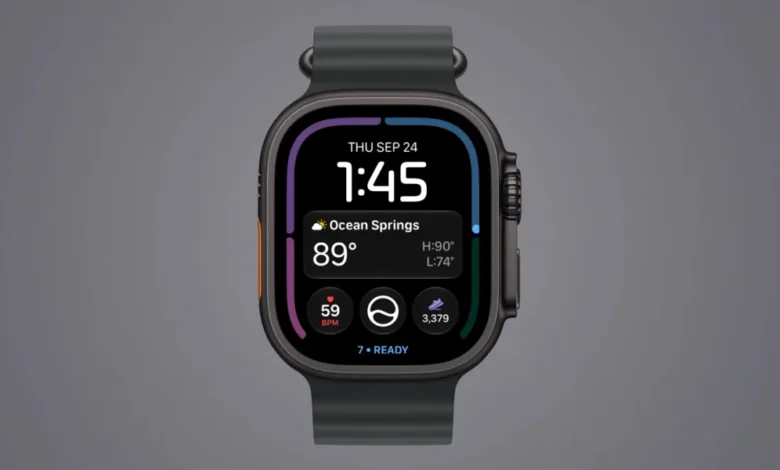
The landscape of wearable technology has long moved past simple step counting and basic calorie tracking, evolving into sophisticated health monitoring systems that rival clinical-grade diagnostic tools. With the release of the Apple Watch Series 12 and the Apple Watch Ultra 4, Apple has taken another significant step forward by introducing a comprehensive health ecosystem centered around recovery and physical strain. Central to this new software capability is the Readiness app, which aggregates a multitude of biometric data points to deliver a single, digestible metric designed to help users optimize their daily physical output and rest periods. For owners of the rugged Apple Watch Ultra 4, this feature is further elevated through exclusive hardware-level software integrations, most notably a newly introduced bezel configuration that places the user’s recovery score front and center on the display.
Understanding the Mechanics of the Readiness App
The introduction of the Readiness app across both the Apple Watch Series 12 and the Apple Watch Ultra 4 marks a paradigm shift in how Apple handles fitness metrics. Historically, fitness trackers have emphasized pushing harder, logging longer workouts, and closing activity rings without always accounting for whether the human body is actually prepared for the strain. The Readiness app bridges this gap by continuously evaluating a user’s biological data to determine how well-equipped they are to tackle physical activity on any given day.
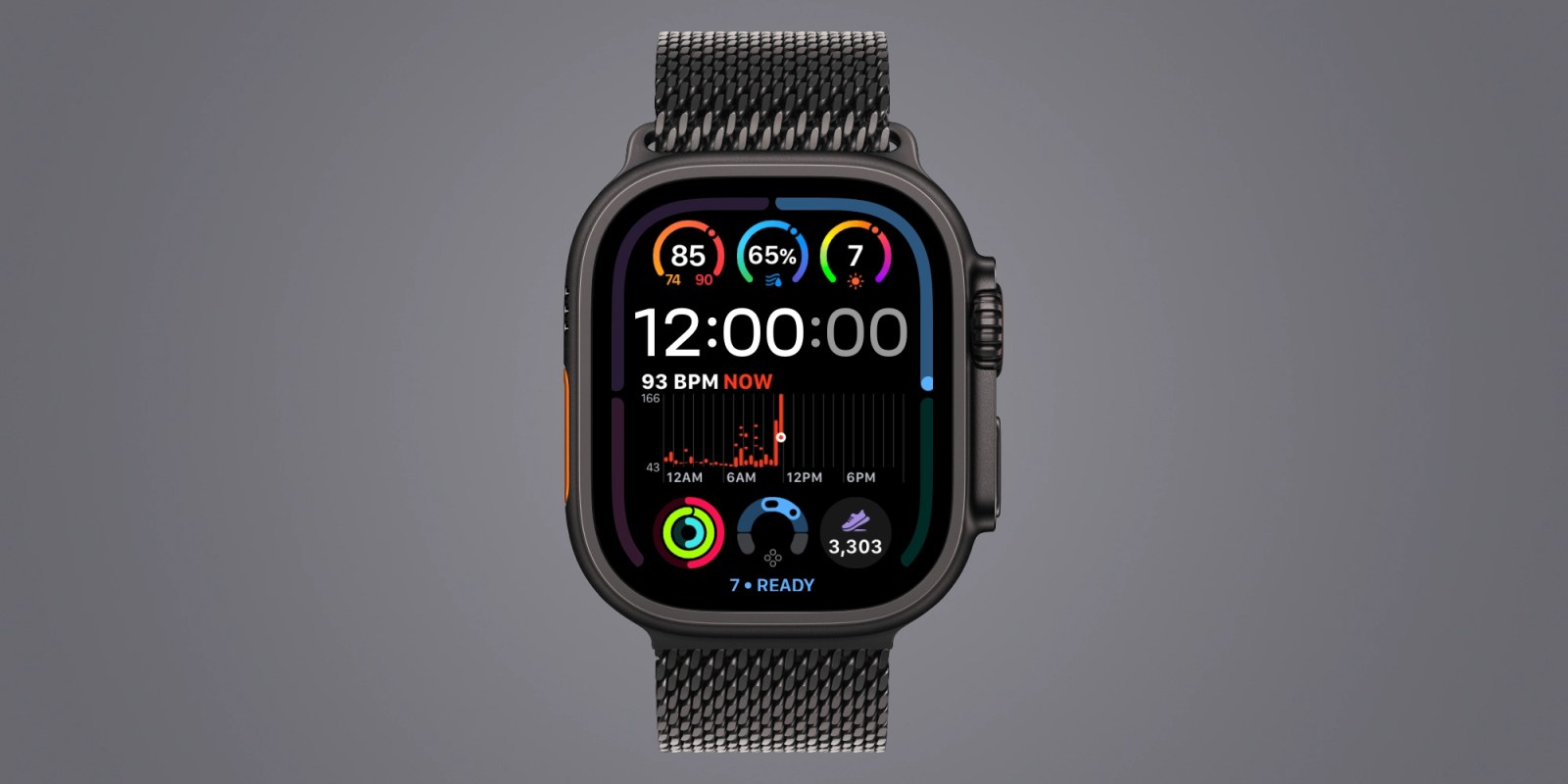
To calculate this score, the system analyzes a comprehensive array of overnight and daytime physiological metrics. Overnight data serves as the foundation for recovery assessment, pulling in vital statistics such as resting heart rate, respiratory rate, wrist temperature, and recovery heart rate variability (HRV). These metrics offer deep insights into autonomic nervous system recovery, sleep quality, and potential the onset of illness or fatigue. During waking hours, the app continues to monitor daytime heart rate and recovery HRV, dynamically updating the score as the user navigates their daily routine, experiences stress, or engages in physical exertion.
The resulting Readiness score is not just a static number; it is a holistic evaluation of the user’s current physical state, categorized and broken down to provide actionable insights. By integrating these complex calculations into a clean, easy-to-read interface, Apple aims to prevent overtraining, reduce injury rates, and encourage a balanced approach to overall health and wellness.
Exclusive Bezel Configuration on the Apple Watch Ultra 4
While both the mainstream Apple Watch Series 12 and the high-end Apple Watch Ultra 4 benefit from the underlying software architecture of the Readiness app, the Ultra model retains its status as the premier device for advanced customization. The Apple Watch Ultra line has historically offered distinct advantages over standard Series models, including exclusive watch faces, unique color palettes, specialized typography, and specialized bezel-type complications that take full advantage of the larger flat sapphire crystal display and titanium case.
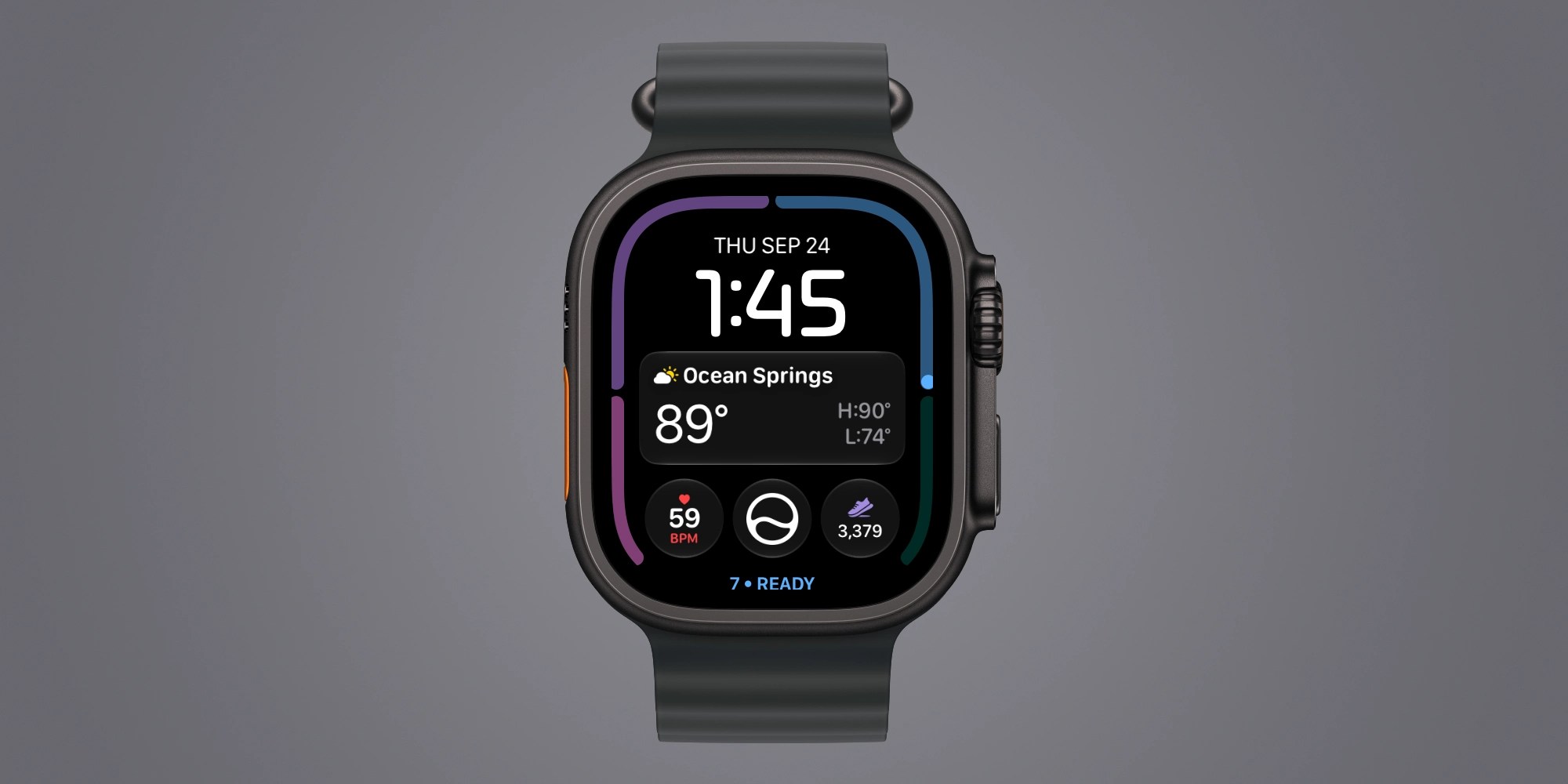
With the launch of the Apple Watch Ultra 4, Apple has expanded this exclusive design philosophy by adding Readiness as a brand-new option within the bezel configuration category. Watch faces that support bezel information—most notably the rugged Modular Ultra face and the newly introduced Siri Modular watch face—can now be tailored to feature the user’s real-time readiness metrics wrapping seamlessly around the perimeter of the display.
The visual implementation of this feature is designed for maximum legibility in extreme environments, a hallmark of the Ultra series. When configured, the Readiness bezel option places the user’s numerical score and a brief descriptive text summary at the bottom of the watch face. Encircling the edge of the display are four distinct bars that correspond to various readiness score categories, allowing users to gauge their status at a single glance. Furthermore, a precise indicator dot moves along these segments to show exactly where the user’s current score lands within that specific recovery bracket.
Implications for Athletes and Everyday Users
The decision to provide a dedicated, persistent bezel option for readiness tracking underscores a broader shift in how health data is consumed. For endurance athletes, mountaineers, divers, and high-performance trainers who typically gravitate toward the Apple Watch Ultra 4, understanding real-time recovery is critical for safety and peak performance. Overtraining syndrome, which can lead to suppressed immune function, chronic fatigue, and muscular injuries, can often be mitigated if athletes listen to early biometric warnings. By keeping the readiness score persistently visible on the watch face, users are constantly reminded of their physiological limits without needing to navigate through nested menus or launch dedicated applications.

Moreover, because a person’s physiological readiness fluctuates continuously throughout the day in response to stress, nutrition, hydration, and light physical activity, having front-and-center access to this information transforms the smartwatch from a passive data logger into an active lifestyle coach. Users can dynamically adjust their workout intensity mid-day based on how their body is responding to environmental and internal stressors.
Integration with the Broader Apple Ecosystem
The rollout of the Readiness app and its accompanying bezel configurations is part of a broader, synchronized software and hardware release cycle. Both the Apple Watch Series 12 and the Apple Watch Ultra 4 are now available for purchase globally through Apple’s retail and online channels, as well as through authorized third-party resellers.
As health tracking continues to be a primary battleground for major consumer electronics manufacturers, Apple’s emphasis on recovery metrics represents a maturing market. Early consumer and industry analyst responses indicate that features bridging the gap between raw biometric data and practical daily application are increasingly driving hardware upgrade cycles. Users are no longer satisfied with simply knowing how many steps they took; they want to understand what their bodies are telling them beneath the surface.

With the Apple Watch Ultra 4, Apple has successfully married its most durable, adventure-ready hardware design with some of its most sophisticated software intelligence to date. By placing the Readiness metric directly onto the watch bezel, the company has ensured that critical health recovery data is always within view, empowering users to make informed, health-conscious decisions throughout their daily lives.
Related posts: