Apple Watch Modular Face Gets 13 New Colors and Advanced Complications in watchOS 27

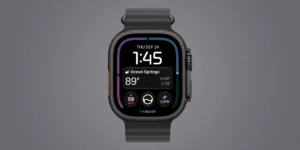
The Apple Watch continues to be the dominant force in the global wearable technology market, driven by continuous software refinements and deep hardware integration. With the official rollout of watchOS 27, Apple has introduced a significant update to one of its most historically popular watch faces: the classic Modular layout. Long celebrated for its exceptional information density and structural flexibility, the Modular face has received a comprehensive visual refresh that includes 13 brand-new color options, alongside expanded support for advanced, hardware-exclusive health complications.
This latest software iteration builds upon a rich lineage of watch face evolution, reinforcing Apple’s strategy to keep older device interfaces fresh while maximizing the advanced processing capabilities of its newest hardware releases, including the Apple Watch Series 12 and the Apple Watch Ultra 4.
The Evolution of Modular: Background and Context
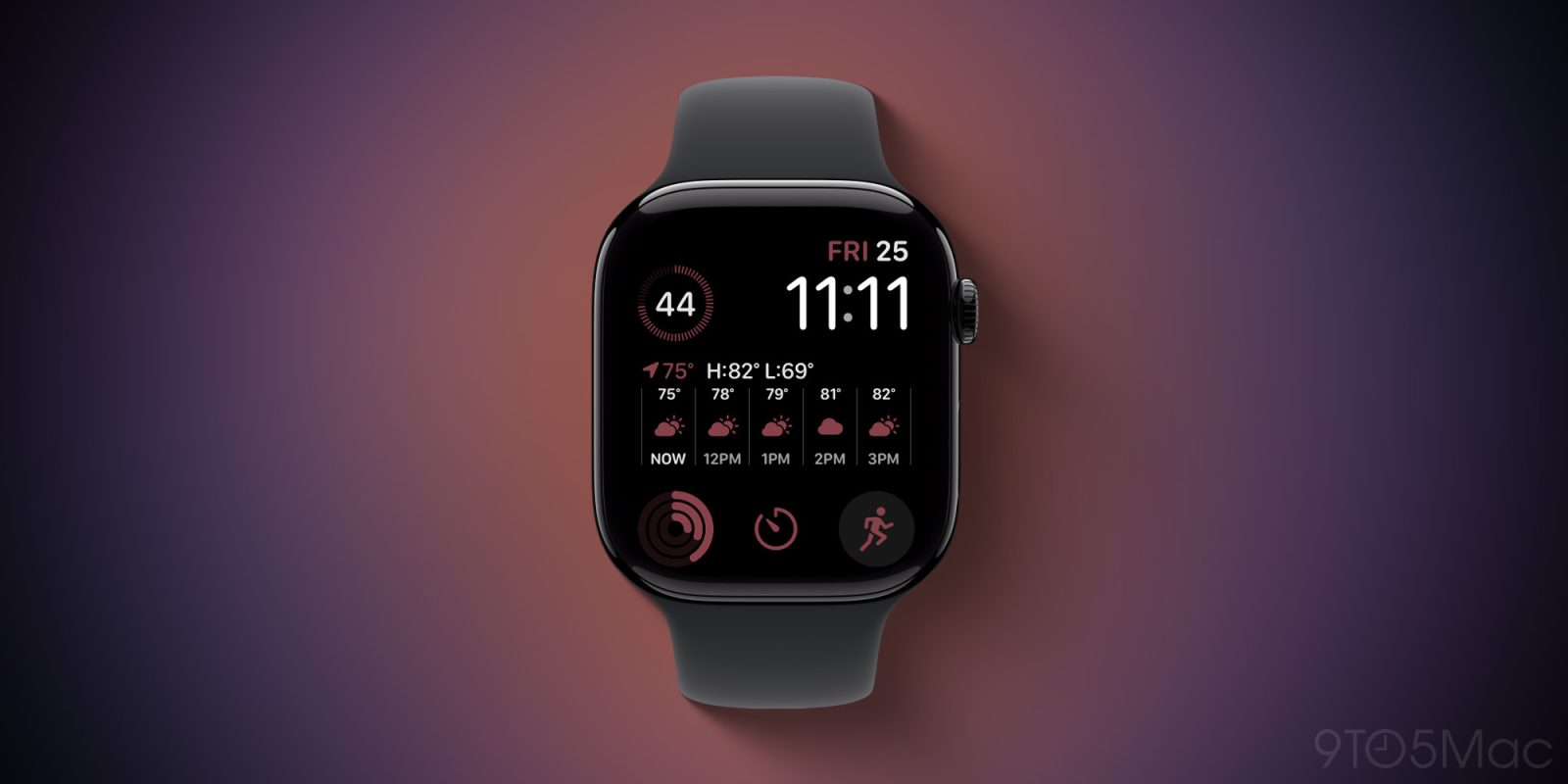
Since the early iterations of watchOS, the Modular face has stood out as a favorite among power users, professionals, and fitness enthusiasts alike. Unlike minimalist analog faces that prioritize aesthetic simplicity, the traditional Modular layout was engineered from the ground up for productivity and data accessibility. By presenting a large digital time display alongside a grid of customizable complications, it allows users to monitor weather conditions, calendar appointments, fitness rings, and activity metrics at a single glance.
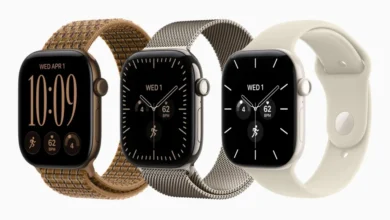
Over the years, the massive popularity of the original design inspired Apple to engineer a family of specialized spinoffs. These include the Modular Compact, optimized for the infograph-style layout of smaller displays; the expansive Modular Ultra, tailored specifically for the rugged titanium chassis of the company’s sports-centric wearable line; and the newly unveiled Siri Modular, which dynamically surfaces predictive information based on user habits, contextual awareness, and time of day.
Despite the introduction of these specialized variants, the standard Modular face remains a cornerstone of the watchOS ecosystem. WatchOS 27 demonstrates Apple’s ongoing commitment to this foundational design, addressing user demand for greater aesthetic personalization without sacrificing the functional utility that defines the interface.
Detailed Breakdown of the watchOS 27 Update
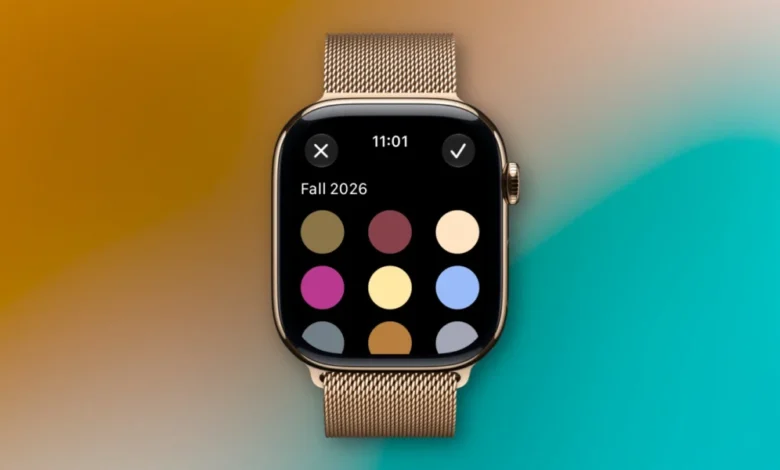
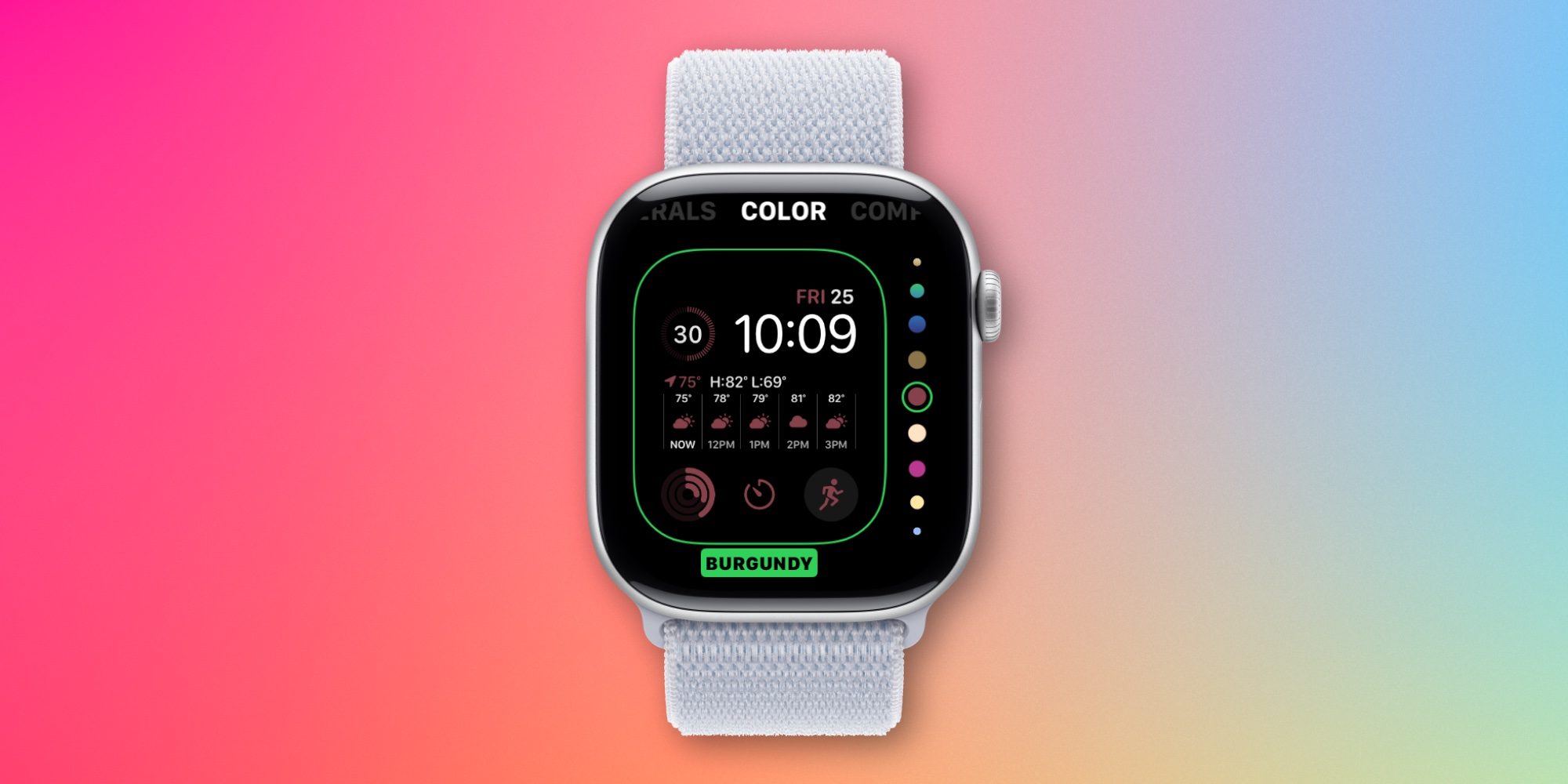
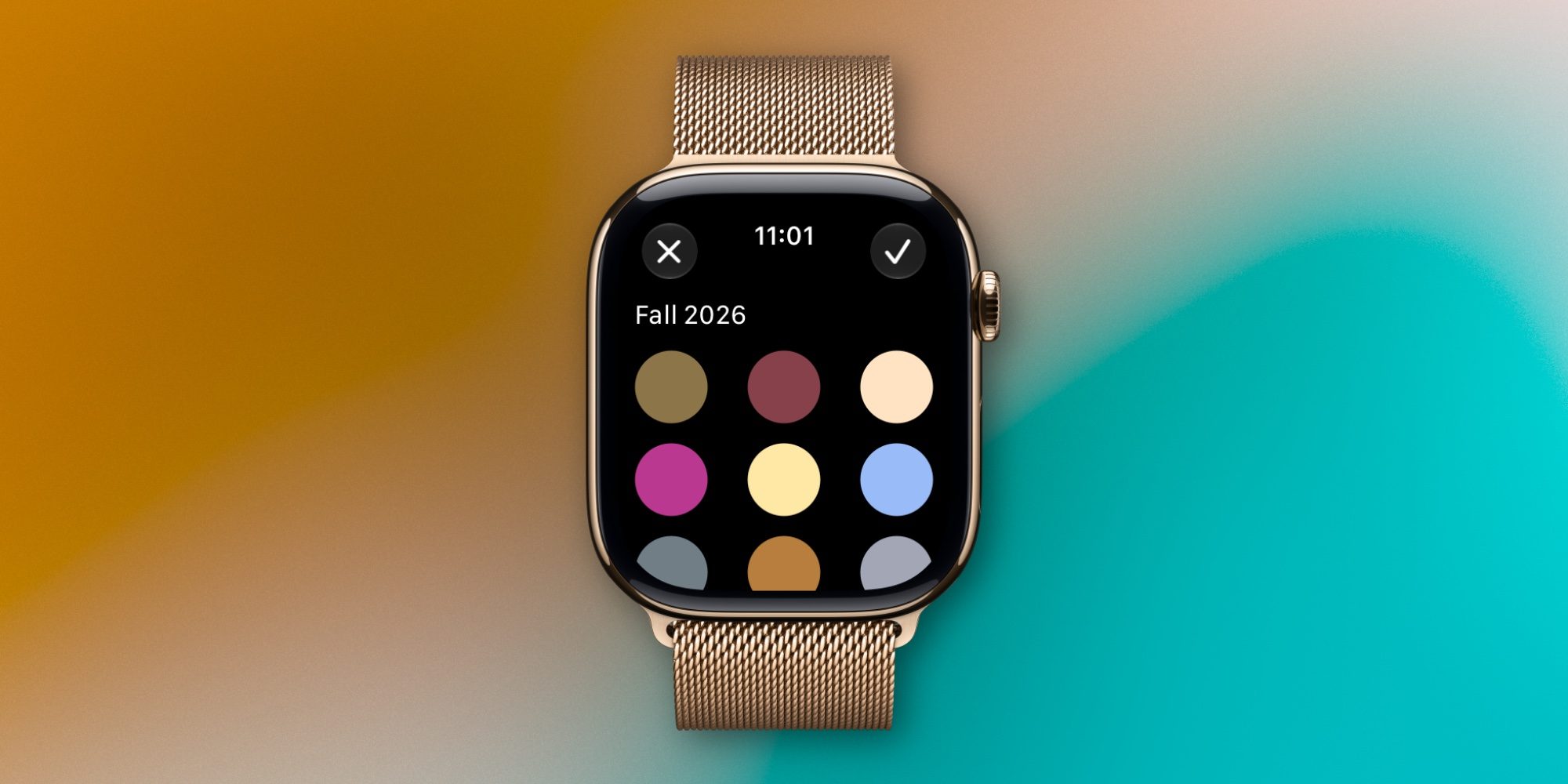
The standout visual addition in watchOS 27 is the introduction of 13 new color palettes designed specifically for the Modular face. These new hues expand the customization spectrum far beyond the primary and secondary shades historically offered by Apple, giving users unprecedented control over how their wristwear matches their personal style, bands, or daily attire.
When navigating to the customization menu for the Modular face within the watchOS app or directly on the device, users will immediately encounter these fresh colorways on the dedicated Color screen. Furthermore, Apple has streamlined the user interface for managing these options. For users who prefer classic aesthetics, previous color choices have not been discarded; they are readily accessible by scrolling to the bottom of the color selection interface, where a new "+" button labeled "Tap to add more colors" allows individuals to curate and restore legacy palettes to their active rotation.
Beyond aesthetics, watchOS 27 leverages new under-the-hood capabilities to introduce deeper functional integrations. The updated Modular face now fully supports advanced complications that were previously restricted or unavailable in standard layouts. These new additions are specifically optimized for the high-resolution displays and processing architectures found on the Apple Watch Ultra 4 and the Apple Watch Series 12.
Advanced Health and Fitness Complications
A major highlight of the watchOS 27 release is the integration of advanced health tracking complications directly into the Modular grid. As health and wellness monitoring remains a primary driver for smartwatch adoption worldwide, Apple has expanded the availability of key metrics in multiple complication sizes.
Users can now seamlessly integrate persistent trackers for:
- Daily Steps: Offering real-time visibility into cumulative daily movement without requiring users to open the dedicated Activity application.
- Heart Rate: Providing continuous, at-a-glance monitoring of cardiovascular metrics.
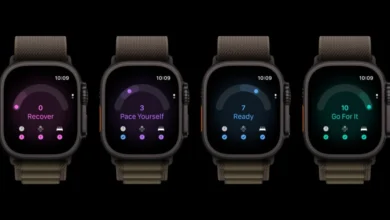
- Readiness: A sophisticated metric that aggregates sleep quality, recovery data, and exertion levels to help users determine whether to push forward with a rigorous workout or prioritize rest.
By making these vital health statistics available in various slot sizes on the Modular face, Apple is addressing longstanding user feedback requesting more granular, persistent data exposure on primary watch faces. This integration minimizes the friction between data collection and user awareness, transforming the wrist into an active dashboard for personal well-being.

Chronology and Software Release Timeline
The release of watchOS 27 follows Apple’s traditional, highly anticipated autumn hardware and software deployment cycle. The journey toward this public release began months in advance:
- June: Apple officially unveiled watchOS 27 during the Worldwide Developers Conference (WWDC), providing developers with an initial beta build to test complication compatibility and layout adjustments.
- September: Alongside the announcement of the flagship Apple Watch Series 12 and the Apple Watch Ultra 4, Apple detailed the consumer-facing features of watchOS 27, highlighting the expansion of the Modular face color options and the new health tracking complications.
- Late September / October: The stable, public-facing build of watchOS 27 rolled out globally as a free over-the-air update for all supported Apple Watch models, accompanied by the concurrent releases of iOS and other ecosystem-wide software updates.
Industry Implications and Market Impact
The refinement of a classic watch face like Modular may appear minor on the surface, but industry analysts view it as a crucial component of Apple’s broader ecosystem retention strategy. In the highly competitive wearable technology market—where competitors from Samsung, Google, and specialized sports brands constantly iterate on fitness tracking and hardware design—software longevity and continuous customization options play a vital role in consumer satisfaction.
By ensuring that older hardware architectures continue to receive thoughtful interface updates while simultaneously incentivizing upgrades to devices like the Apple Watch Series 12 and Apple Watch Ultra 4 through exclusive complication support, Apple strikes a delicate balance. It maintains goodwill among its massive existing user base while providing tangible incentives for hardware lifecycle progression.

Ultimately, the watchOS 27 update underscores the reality that modern smartwatches are defined as much by their software ecosystems as their physical silicon. As personal health monitoring, aesthetic flexibility, and quick-glance productivity continue to dictate consumer preferences, tools like the enhanced Modular face ensure the Apple Watch remains the benchmark against which other connected wearables are measured.
Related posts: