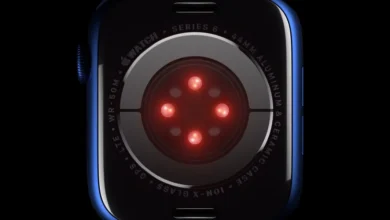
Apple Reportedly Developing Screenless Fitness Tracker to Rival WHOOP and Fitbit Air

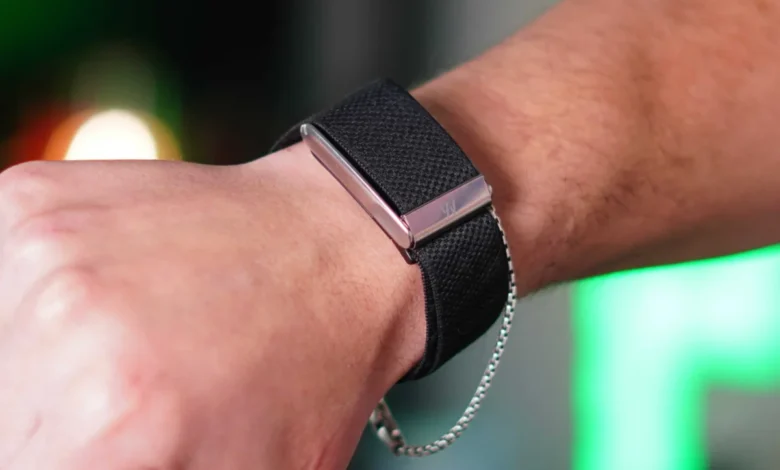
Apple Inc. is reportedly in the early stages of developing a screenless fitness tracker, a move that would position the technology giant to compete directly with established health-monitoring platforms such as WHOOP and the Fitbit Air. According to industry reports originating from supply chain and insider sources, the device is conceptualized as a lightweight, sensor-equipped computing module integrated into a thin fabric band. While development remains in its preliminary phases, industry analysts project a potential commercial debut no earlier than 2028, signaling Apple’s continued ambition to diversify its health and wearable technology ecosystem.
Background and Evolution of Wearable Health Tech
The wearable technology market has experienced a significant shift over the past decade, moving from basic step-counting pedometers to sophisticated health-monitoring ecosystems. Traditional smartwatches, spearheaded by the Apple Watch, have dominated the consumer landscape by offering a comprehensive suite of features, including cellular connectivity, notifications, GPS tracking, and vibrant OLED displays. However, a distinct market segment has emerged for minimalist, screenless hardware. Devices like the WHOOP band and various continuous health monitors prioritize uninterrupted data collection—such as heart rate variability, skin temperature, sleep staging, and strain metrics—without the distraction of incoming messages, phone calls, or visual interfaces.
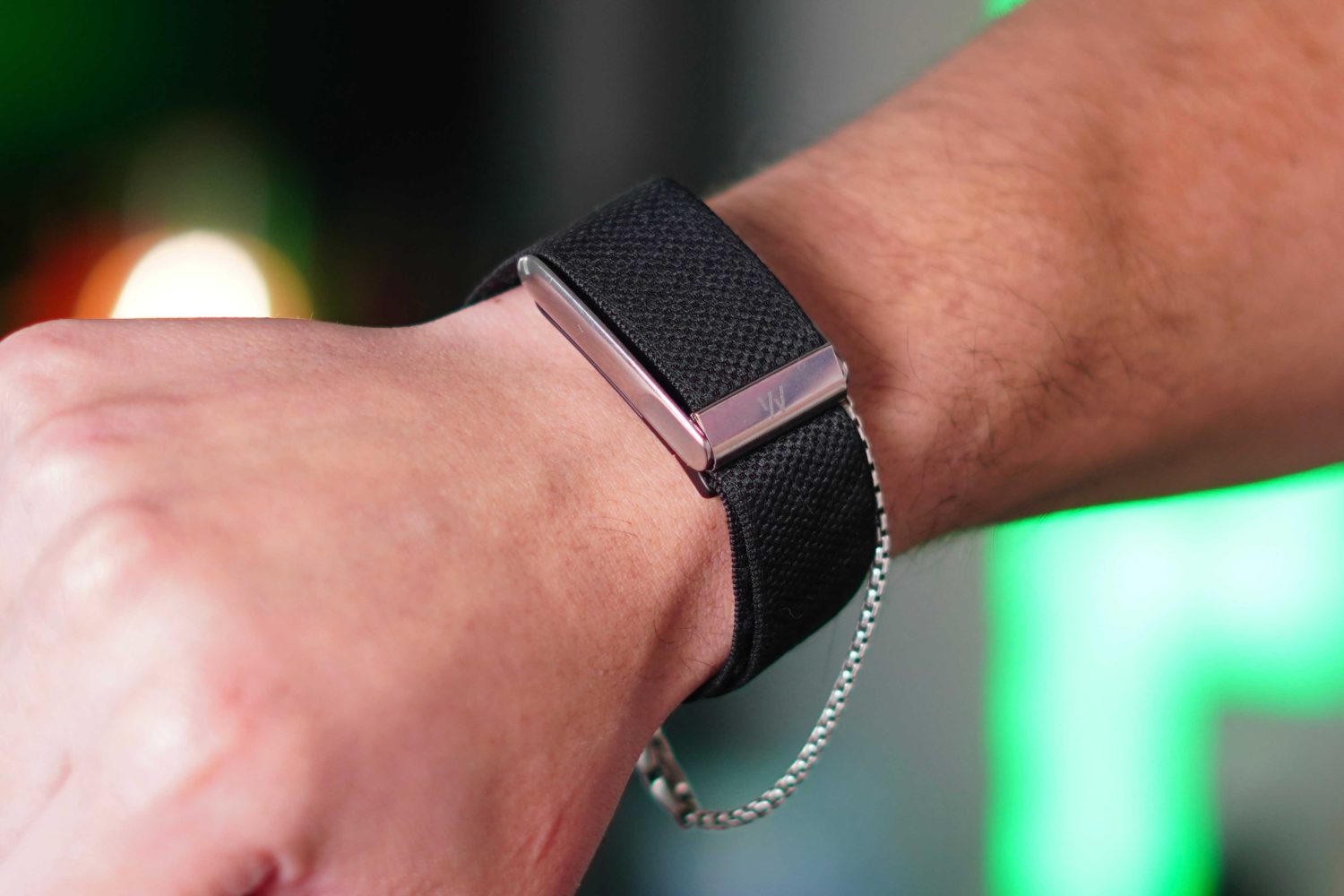
For years, Apple’s primary hardware response to fitness tracking has been the Apple Watch. Despite its market dominance, the smartwatch form factor presents certain trade-offs. The inclusion of a high-resolution display and power-intensive processors inherently limits battery life to roughly 18 to 36 hours for most models, requiring frequent daily charging routines. Furthermore, wearing a bulky glass-and-metal smartwatch alongside a traditional mechanical timepiece is physically impractical for watch enthusiasts. A screenless fabric band addresses these exact friction points by offering extended multi-day battery endurance, enhanced comfort during sleep tracking, and a discreet profile that can be worn alongside other wrist accessories.
Product Conception and Technical Challenges
Industry insiders describe Apple’s conceptual device as a streamlined fabric strap housing a compact computational core equipped with advanced biometric sensors. Designing a screenless device requires a fundamental rethinking of user interaction. Without a graphical display to initiate, monitor, or conclude workouts, users must rely either on automated software algorithms or external companion devices, typically a smartphone, to manage activity logs.
Current market alternatives often struggle with the limitations of automatic workout detection algorithms. While modern sensors can reliably detect elevated heart rates and sustained motion, they frequently fail to accurately categorize specific physical activities—such as differentiating between weightlifting, indoor cycling, and high-intensity interval training—without manual user input. For consumers accustomed to the seamless, on-device controls of an Apple Watch, transitioning to a system that requires retrieving a smartphone to manually log or adjust workout parameters introduces notable user friction.
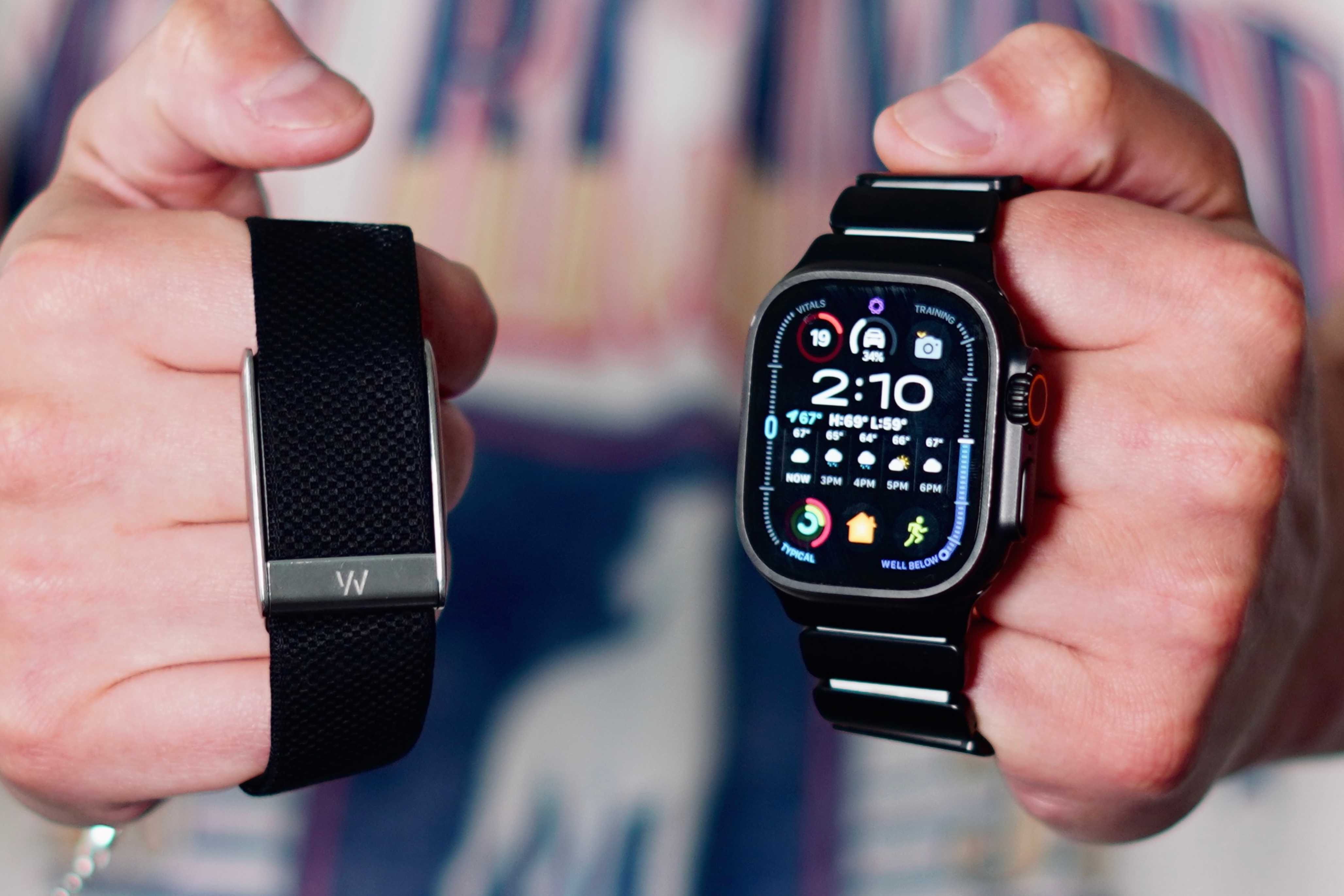
To successfully market a screenless tracker, technology analysts suggest that Apple must engineer intuitive hardware inputs—such as a tactile physical button paired with an understated LED indicator light—allowing users to signal the start and end of physical exertion directly from the wrist. Subsequent activity categorization could then be managed asynchronously through the iPhone’s Health application, supported by machine learning classification models capable of inferring workout types based on motion and cardiovascular patterns.
Market Implications and Competitive Landscape
The entry of a trillion-dollar consumer electronics titan into the screenless fitness band sector would validate a product category previously considered niche. WHOOP, which pioneered the subscription-based recovery and strain tracking model, has successfully cultivated a dedicated user base among endurance athletes, professional sports organizations, and fitness enthusiasts willing to pay recurring membership fees for deep biometric insights. Meanwhile, Google-owned Fitbit continues to refine its ecosystem of lightweight fitness bands.
An Apple-branded screenless tracker would leverage the company’s robust proprietary health infrastructure, seamlessly integrating data into Apple Health and potentially tying into services like Apple Fitness+. This integration could pose a formidable challenge to existing market participants by offering tighter hardware-software cohesion, superior Bluetooth reliability, and the vast marketing reach of the Apple retail ecosystem.

From a strategic standpoint, the development of a screenless wearable underscores Apple’s segmented approach to consumer health. Rather than attempting to force a single device to serve every demographic, Apple is actively mapping out a hardware portfolio that caters simultaneously to power users demanding full smartwatch functionality and minimalists seeking distraction-free health monitoring.
Timeline and Future Outlook
Because the project is currently in the early research and development pipeline, hardware specifications, pricing strategies, and official release schedules remain entirely unconfirmed by Apple. Supply chain checks indicate that production scaling is not expected to materialize in the immediate near term, pointing toward a potential launch window in the latter half of the decade, around 2028.
As the wearable technology sector continues to mature, consumer expectations regarding battery longevity, biometric accuracy, and aesthetic versatility will dictate the commercial viability of screenless fitness monitors. Whether Apple’s prospective offering can successfully bridge the gap between minimalist design and operational convenience will depend heavily on how the company solves the user-interface challenges inherent to display-free computing.
Related posts: