The Best Dell Laptops to Buy in 2025: A Comprehensive Guide to Performance and Value

Dell has maintained a formidable presence in the personal computing market since the release of its first laptop in 1989. Over the past three decades, the company has evolved from a direct-to-consumer pioneer into a global powerhouse, consistently securing spots on industry leaderboards for battery longevity, gaming performance, and budget-friendly utility. As 2025 progresses, the landscape of Dell’s product catalog has undergone a significant transformation, marked by a strategic shift in branding that simplifies its nomenclature to better align with contemporary consumer expectations.

For those navigating the current market, understanding these changes is paramount. Dell has moved toward a unified naming convention, transitioning away from legacy identifiers like Inspiron, XPS, Precision, and Latitude in favor of a tiered system similar to those utilized by competitors in the premium laptop space. While the branding has shifted, the underlying engineering excellence—spanning from entry-level productivity machines to high-end workstations—remains a cornerstone of the brand’s identity.
A New Era of Branding: The 2025 Strategic Shift
In January 2025, Dell announced a sweeping overhaul of its product taxonomy. The transition is designed to streamline the shopping experience for consumers who may have previously been confused by the overlapping categories of the former lineup. Under the new structure, the entry-level Inspiron and Inspiron Plus lines have been rebranded as the "Dell" and "Dell Plus" series. These machines continue to serve the core market of students and general office workers seeking reliable performance at a price point typically under $1,000.
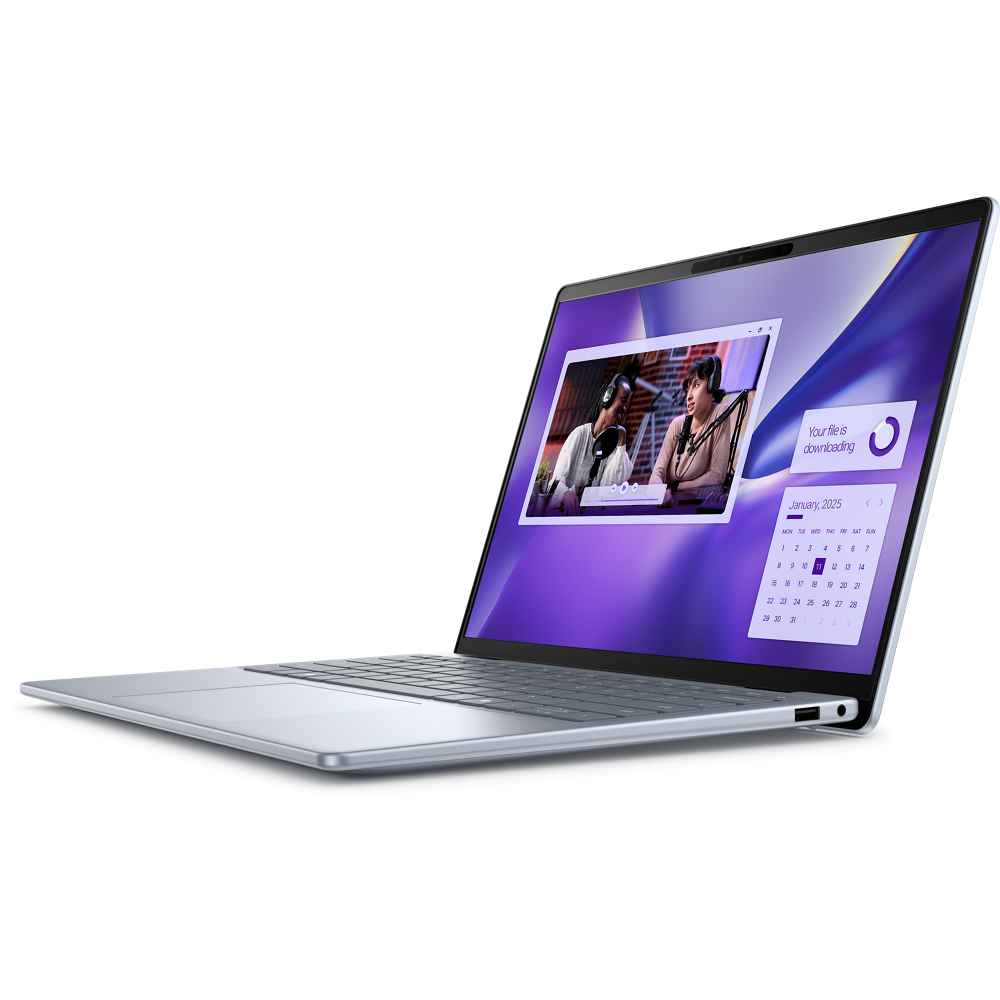
The former XPS flagship line, renowned for its build quality and display technology, is now the "Dell Premium" series. Positioned as the direct competitor to high-end devices like the Apple MacBook Pro, this line targets power users, creative professionals, and those who prioritize aesthetics and hardware performance. At the professional and enterprise level, the Latitude line has become the "Dell Pro" series, segmented further into Pro, Pro Plus, and Pro Premium tiers. Finally, the workstation-class Precision series has been renamed "Dell Pro Max," catering to users with extreme computational needs such as 3D rendering, simulation, and high-bitrate video editing.
Top Picks for 2025: Performance and Hardware Analysis
The All-Rounder: Dell Inspiron 14 Plus (7441)
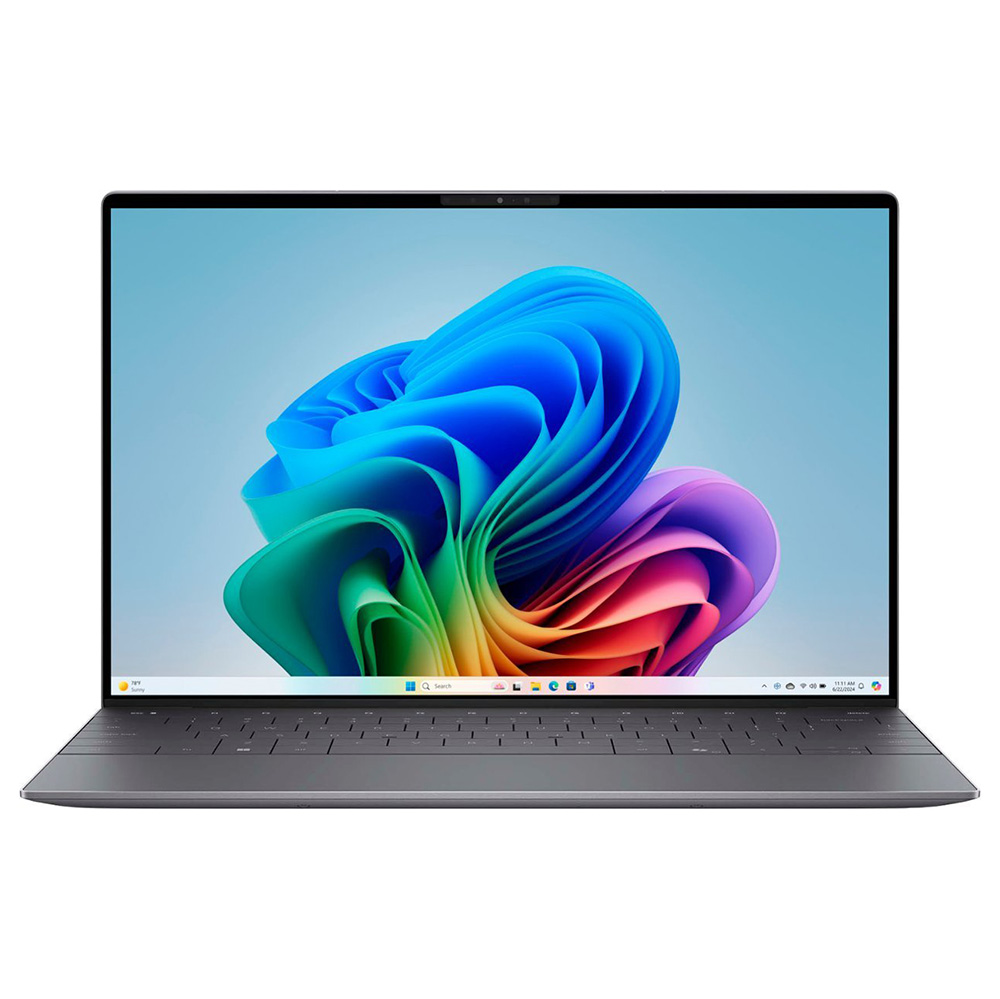
The Inspiron 14 Plus, powered by the Qualcomm Snapdragon X Plus, currently stands as the most balanced device in Dell’s consumer catalog. By leveraging ARM architecture, this model achieves an impressive 18 hours and 20 minutes of battery life in standardized web-surfing tests, significantly outperforming the industry average of 13 hours and 23 minutes. Its Geekbench 6 multi-core score of 13,281 demonstrates a 22% performance increase over the average premium laptop. While it excels in portability and thermal management—maintaining surface temperatures below 95 degrees Fahrenheit—potential buyers should verify software compatibility, as the Windows on ARM ecosystem, while robust, may not support all legacy niche applications.
The Budget Value Leader: Dell Inspiron 14 Plus (7440)
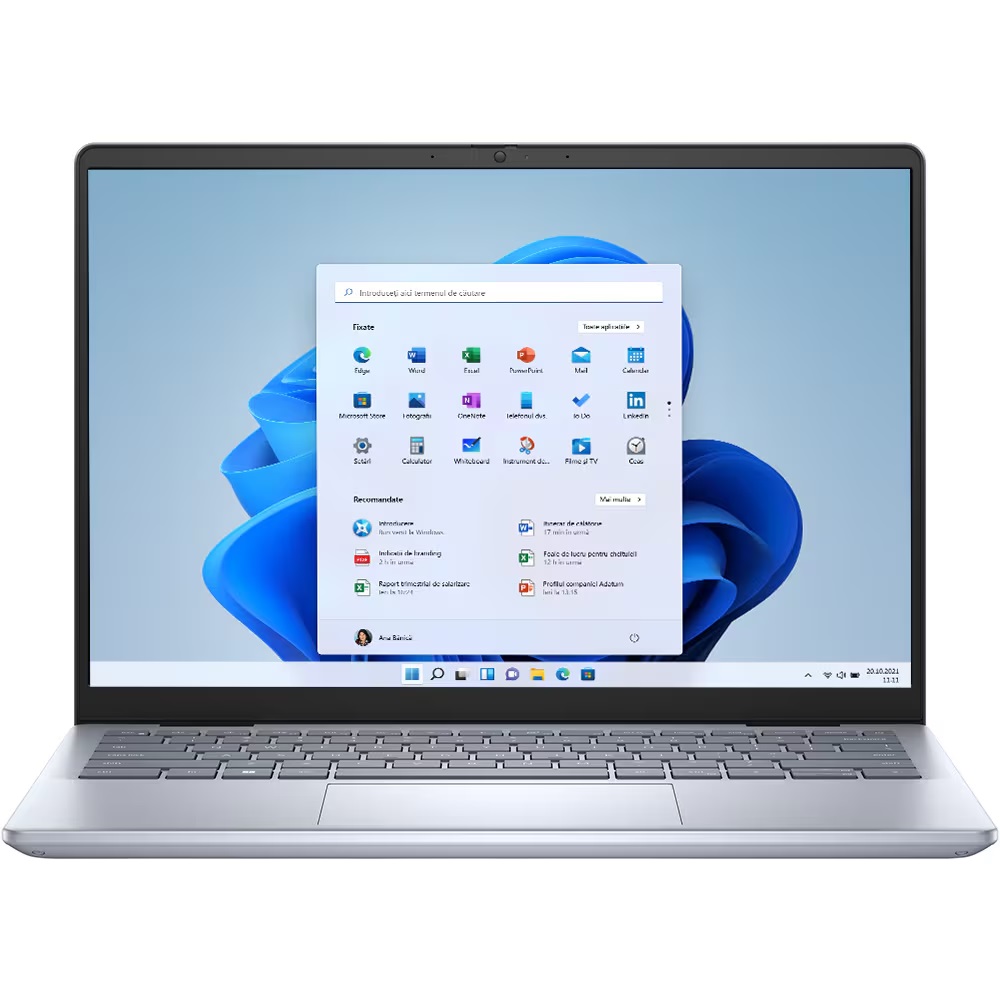
For users prioritizing performance-per-dollar, the Intel-based Inspiron 14 Plus (7440) remains a formidable choice. Equipped with an Intel Core Ultra 7 155H processor and Intel Arc integrated graphics, this model is better suited for users who require traditional x86 application compatibility. In synthetic benchmarks, it scored 12,729 in Geekbench 6 and outperformed the Snapdragon version in gaming scenarios, averaging 34 frames per second in Sid Meier’s Civilization VI at 1080p, compared to the Snapdragon model’s 21 fps. It provides a robust 15-hour battery life, though it does run warmer under load, with surface temperatures reaching up to 108 degrees Fahrenheit.
The Gaming Standard: Dell G16 (7630)
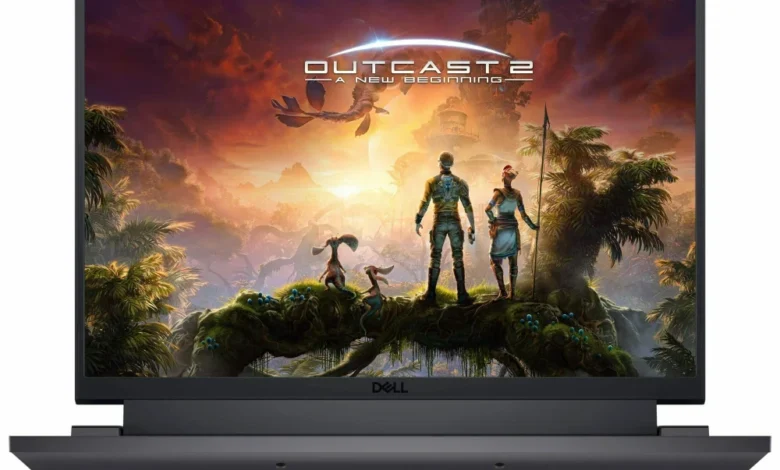
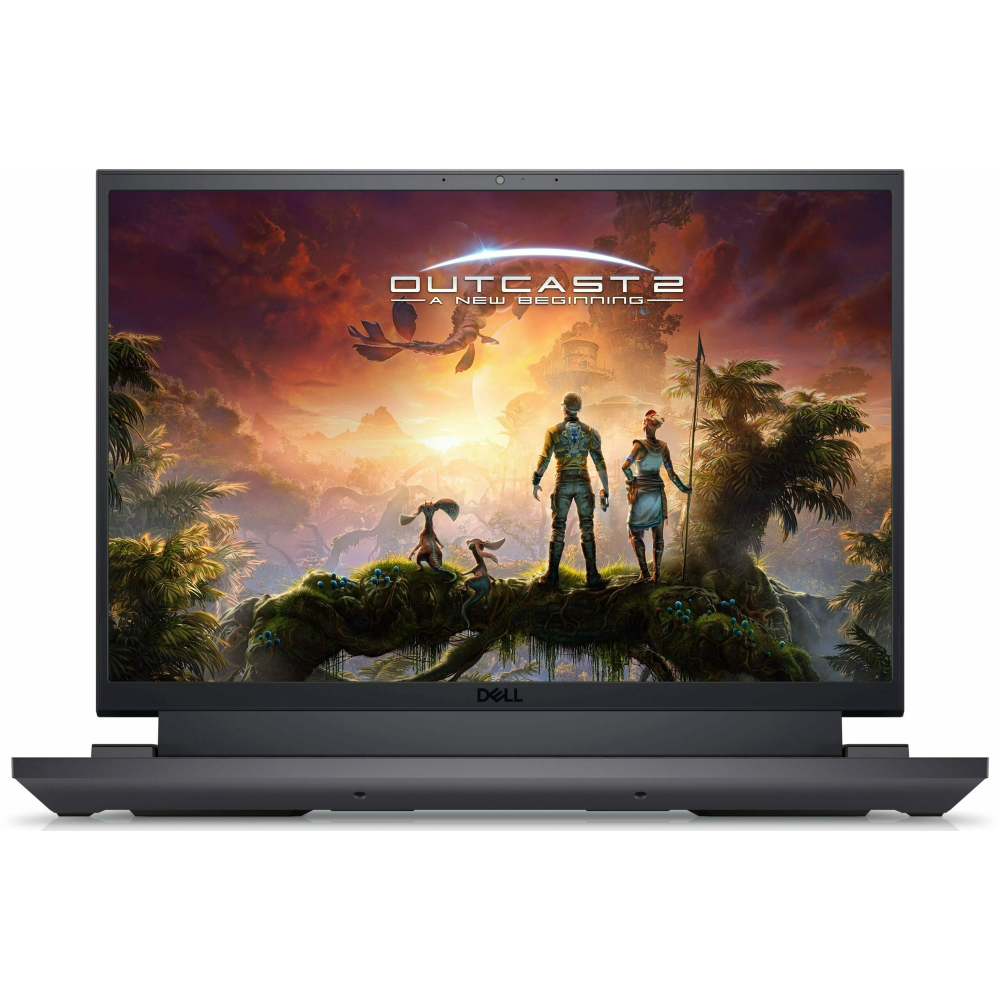
The Dell G16 (7630) continues to be an outlier in the budget gaming segment, offering features typically reserved for premium machines. With an Nvidia GeForce RTX 4060 GPU, it achieves playable frame rates in graphically demanding titles like Cyberpunk 2077. The standout feature is its 240Hz IPS display, which covers 114% of the DCI-P3 color gamut—vastly exceeding the 79.1% average for its class. Additionally, the inclusion of a Cherry MX tactile mechanical keyboard provides a superior typing and gaming experience that remains unmatched at its $949 price point.
The Display Powerhouse: Dell XPS 13 OLED (9350)
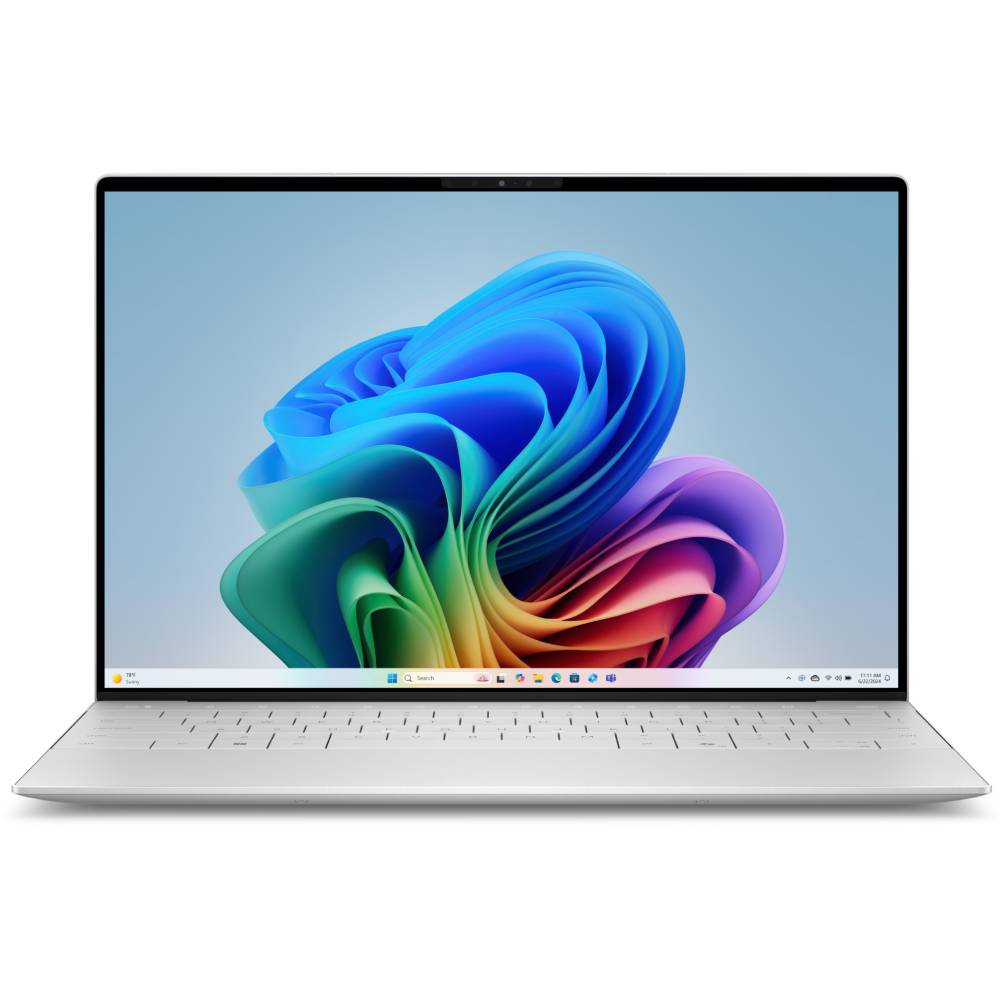
For creative professionals and media enthusiasts, the Dell XPS 13 (9350) with the tandem OLED display option represents the pinnacle of Dell’s display technology. The screen produces a staggering 144.60% coverage of the DCI-P3 color gamut. While the OLED panel increases power consumption, resulting in a reduced battery life of approximately 8 hours and 40 minutes, the visual fidelity is unrivaled. It maintains a compact, lightweight chassis at just 2.6 pounds, making it an ideal choice for mobile professionals who do not wish to compromise on color accuracy.
Benchmark Data and Technical Comparison
The following table summarizes the performance metrics observed during independent laboratory testing:
| Feature | Inspiron 14 Plus (Snapdragon) | Inspiron 14 Plus (Intel) | Dell G16 (7630) | XPS 13 OLED |
|---|---|---|---|---|
| Geekbench 6 | 13,281 | 12,729 | 11,209 | 11,033 |
| Battery Life (Hrs) | 18:20 | 15:06 | 5:04 | 8:40 |
| DCI-P3 Gamut | 69.1% | 68.4% | 114% | 144.6% |
| Peak Brightness | 470 nits | 367 nits | 310 nits | 377 nits |
Implications of the 2025 Market Landscape
The shift in Dell’s naming convention reflects a broader trend in the PC industry toward simplifying the consumer purchasing journey. By aligning its naming structure with the "Pro" and "Premium" branding popularized by mobile device manufacturers, Dell is attempting to reduce the barrier to entry for non-technical consumers.
However, the technical implications of this transition are significant. As Dell integrates more ARM-based processors alongside traditional x86 chips, the divergence in performance characteristics—such as the massive battery gains of the Snapdragon chips versus the legacy software compatibility of Intel and AMD—will continue to be the primary factor in consumer choice. The market is effectively splitting between "efficiency-first" mobile users and "compatibility-first" productivity users.
Conclusion and Purchasing Advice
When selecting a Dell laptop in 2025, the primary consideration should be the intended use case. For the average student or home user, the rebadged "Dell" (formerly Inspiron) series provides the most reliable entry point. For those needing higher processing power for creative work, the "Dell Premium" (formerly XPS) line remains the gold standard for build quality and display excellence.
As always, consumers are advised to look beyond the model names and examine the specific hardware configurations, particularly regarding processor architecture and display type. With the company continuing to iterate on its designs, the 2025 lineup offers a clear path forward for those seeking to leverage the brand’s long-standing reputation for reliability and performance. Dell remains a pivotal player in the industry, and its current trajectory suggests a continued focus on balancing cutting-edge silicon with the practical needs of a diverse global user base.