The Return of the Pocketable Icon How the 110 Film Format is Driving a Digital Renaissance

The landscape of modern photography is currently witnessing a curious, high-tech revival of a medium once dismissed as a relic of the 1970s. The 110 film format—a boxy, cartridge-based system introduced by Kodak in 1972—has transcended its status as a discontinued novelty to become the primary aesthetic inspiration for a new wave of digital cameras in 2026. This resurgence is not merely a nostalgic curiosity; it represents a significant shift in consumer behavior, where the demand for physical simplicity, compact form factors, and the "kitsch" aesthetic of the late 20th century is reshaping the hardware strategies of camera manufacturers.
The Historical Genesis of the 110 Format
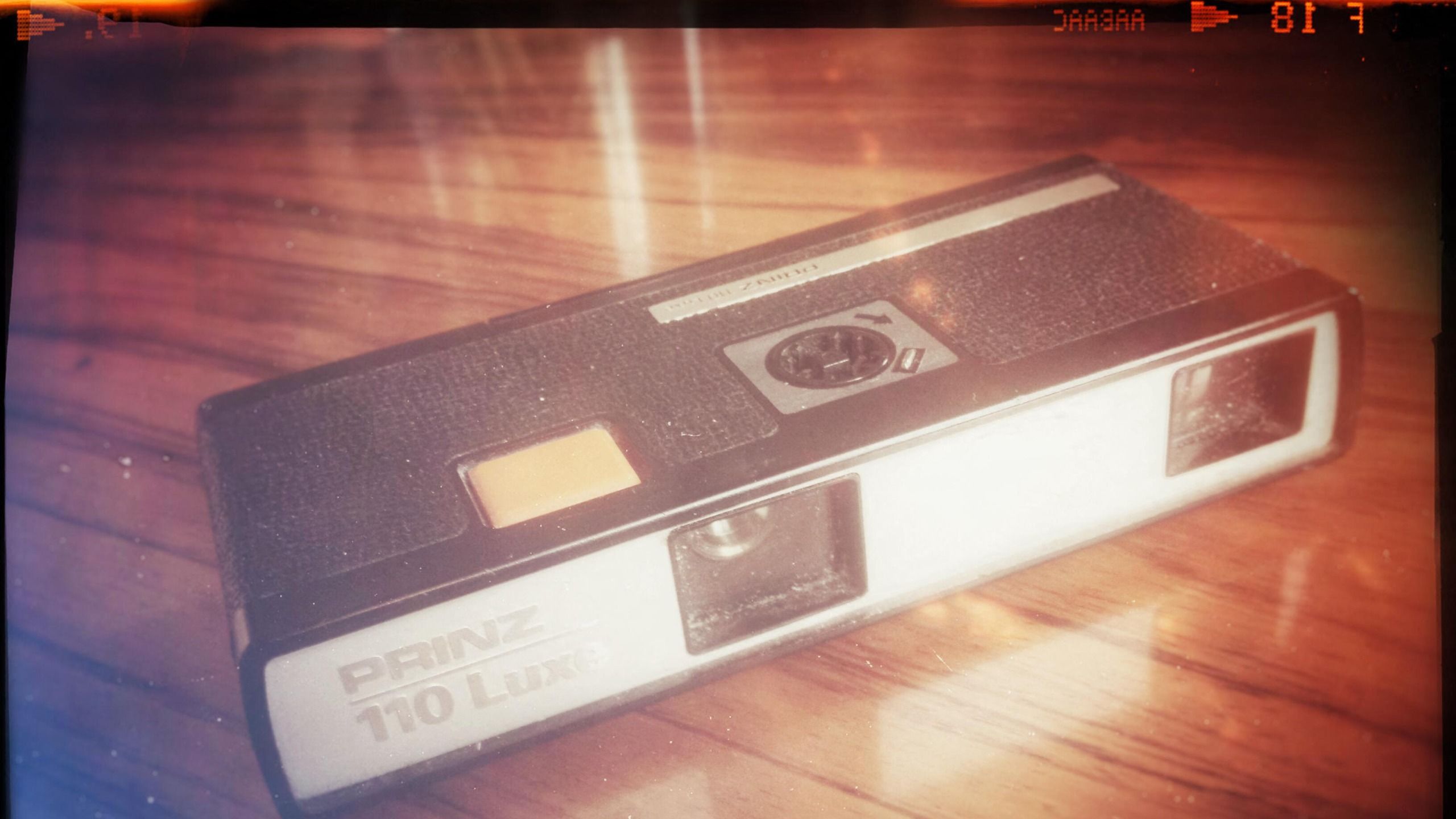
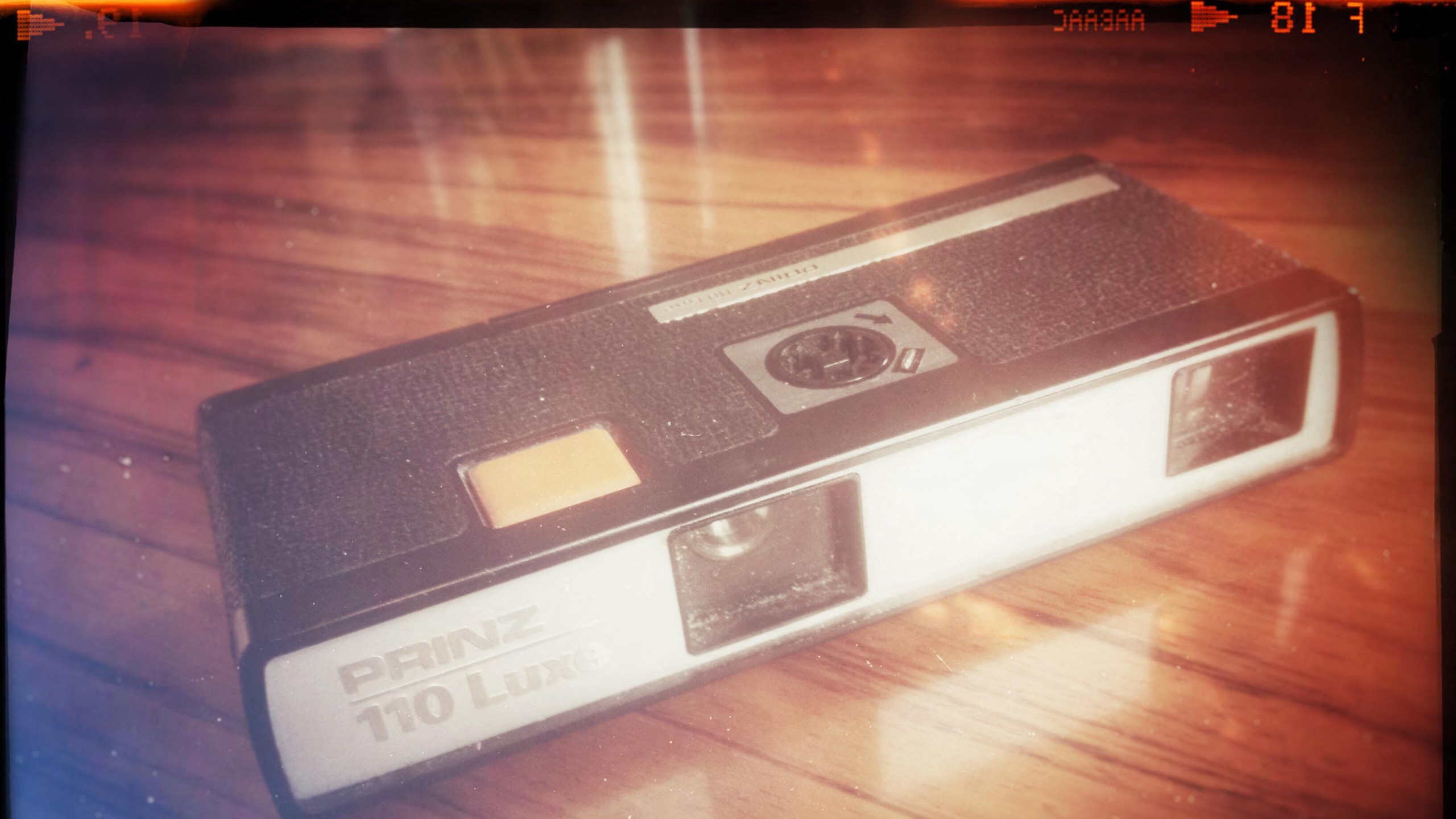
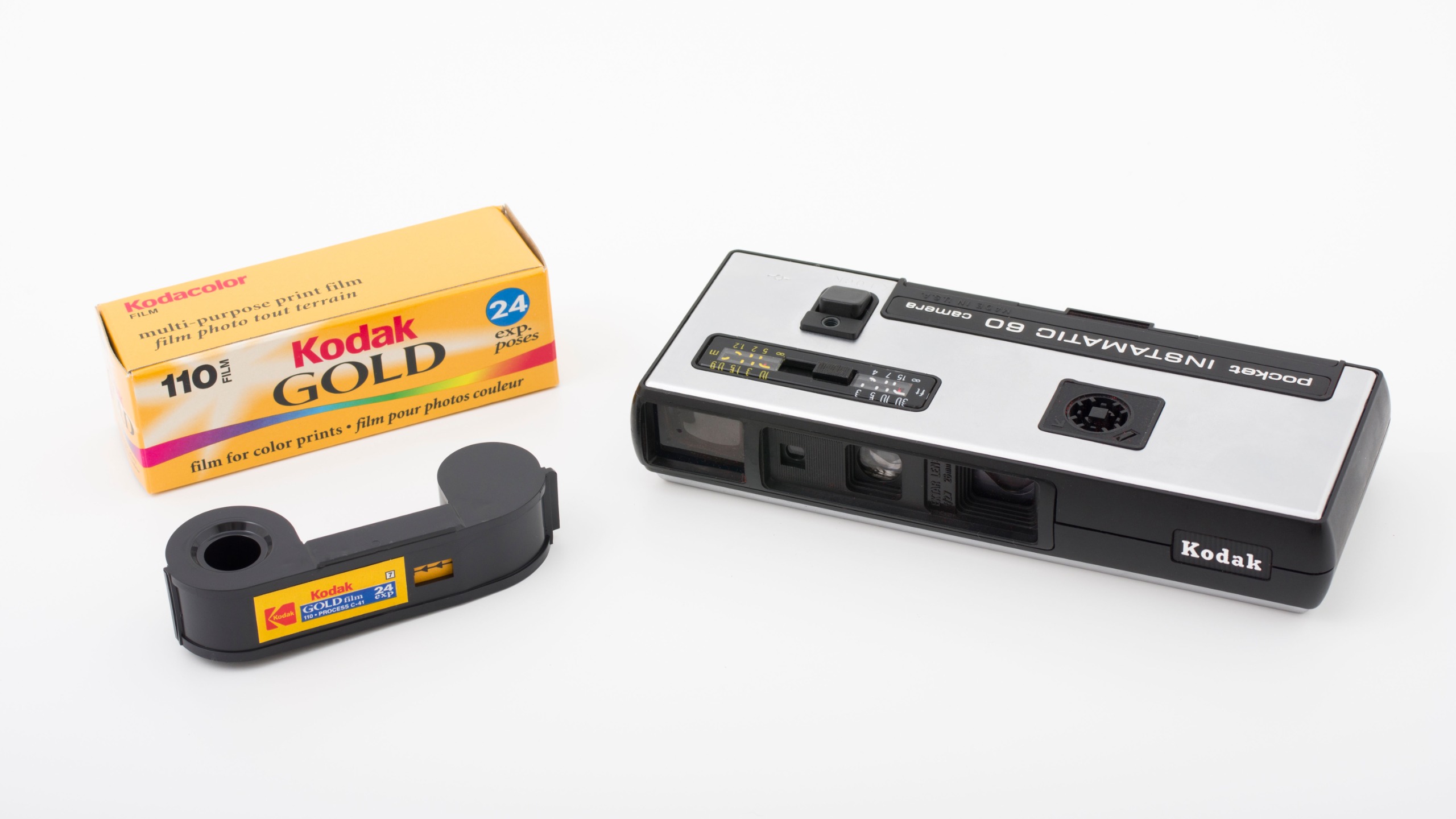
To understand the current fascination with 110-style devices, one must first look at the context of their debut. Kodak introduced the 110 film format in 1972, aiming to solve the primary barrier to entry for amateur photography: the complexity of film loading. Before 110, photographers were required to manually thread 35mm film into take-up spools, a process prone to errors, light leaks, and frustration for the casual user.
The 110 cartridge was a revolution in accessibility. It was a "drop-in" system, meaning a user could simply pop the small, rectangular plastic cartridge into the back of a camera, close the door, and begin shooting. This ease of use democratized photography, leading to a massive influx of affordable, pocket-sized cameras that defined the family vacation snapshots of the 1980s and 1990s. Despite the format’s eventual decline in the early 2000s due to the superior image quality of 35mm and the rapid rise of digital sensors, the cultural footprint of the 110 camera remained etched in the collective consciousness of those who grew up using them.
A Chronology of the Modern Revival
The path to the current 110 renaissance can be mapped through a series of key industry developments that bridge the gap between vintage hardware and contemporary digital needs:
- 1972: Eastman Kodak launches the 110 format with the Pocket Instamatic camera series.
- 1980s-1990s: The format reaches its peak saturation, becoming the standard for budget-friendly, mass-market point-and-shoot cameras.
- 2009: Major production of 110 film essentially ceases, leading to a long period of dormancy for the format.
- 2024: Lomography introduces the Lomomatic 110, signaling a renewed commercial interest in the physical film format and proving there is still a market for the hardware.
- 2026: The market sees a pivot toward "digital 110," with companies like Camp Snap and reports regarding a modern digital iteration of the 1959-era Yashica Y16, proving that the form factor is more important to consumers than the medium itself.
Market Data and Consumer Trends
Google Trends data from the past decade reveals a compelling trajectory for the 110 format. Searches for "110 cameras" have climbed steadily, reaching a ten-year zenith in 2026. This data suggests that the interest is not merely a fleeting viral moment on social media, but a sustained upward trend.
Market analysts note that this movement is inextricably linked to the "compact camera comeback." As smartphones have reached a plateau in terms of their physical utility for photography, a growing segment of Gen Z and Millennial photographers are seeking "de-teched" experiences. These users are actively choosing hardware that removes the digital distractions of high-resolution viewfinders, complex menus, and instant cloud syncing. The 110-style digital camera, often screen-free, aligns perfectly with this desire for a tactile, intentional shooting process.
The Digital Translation: Camp Snap and Beyond
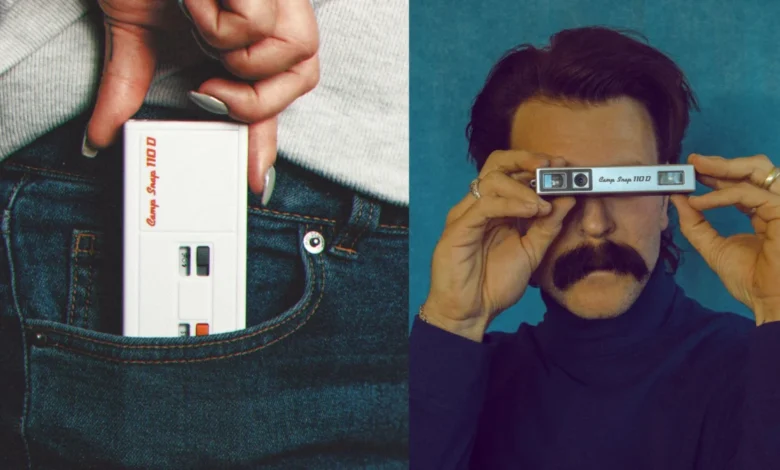
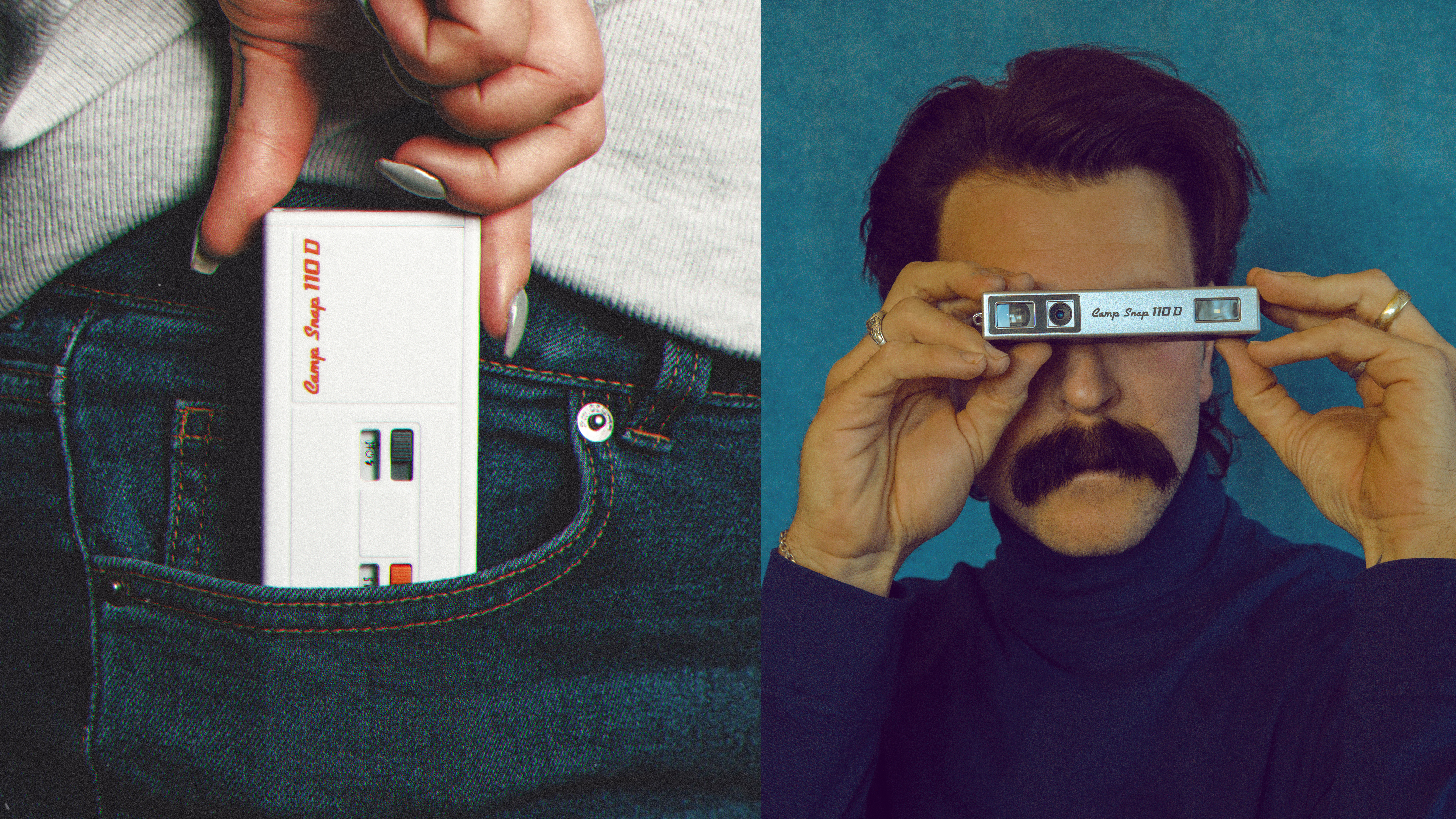
The most prominent example of this transition is the Camp Snap 110D. By taking the iconic, elongated, boxy aesthetic of the 110 film camera and replacing the film chamber with a digital sensor, the company has managed to capture the "vibe" of the 1970s while meeting the practical requirements of the modern age.
The success of the Camp Snap 110D—marked by multiple sell-out pre-order cycles—highlights a critical shift in consumer demand. Manufacturers are learning that modern consumers are willing to sacrifice technical specifications, such as RAW file capability or high-end autofocus, in exchange for a device that offers a specific, curated experience.
Simultaneously, the industry is seeing a collision between the "keychain camera" trend and professional design. The upcoming digital iteration of the Yashica Y16 serves as a primary example. While the original Y16 was a 16mm film camera from 1959, its physical profile mirrors the slim, rectangular aesthetic of the 110 cameras. By incorporating a retro filter dial and modern digital processing into this classic shell, the manufacturers are successfully bridging the gap between historical design and contemporary social media trends.
Reactions and Industry Implications
The broader photography industry has reacted with a mix of surprise and strategic pivot. Lomography, a company that has long championed the experimental and the quirky, has doubled down on the physical format by releasing premium editions of the Lomomatic 110, including the "Panthera" edition with brass accents and cheetah patterns. This move indicates that even within the analog space, there is a desire to treat these cameras as fashion accessories and luxury items rather than mere utilitarian tools.
From a professional standpoint, the movement is being viewed as a reaction against the over-saturation of AI-generated imagery and the clinical perfection of modern smartphone photography. The "110 aesthetic"—often characterized by slight grain, vignettes, and a specific color science—is now being actively sought after. When two Canadian photographers recently gained viral attention for producing "high-quality bad photos" using 1980s-inspired equipment, it confirmed the hypothesis that the market is moving away from the pursuit of technical perfection and toward the pursuit of "kitsch" and emotional resonance.
Analysis of the "Screen-Free" Movement
The rise of the screen-free digital camera, heavily influenced by the 110 form factor, represents an interesting psychological shift in photography. By removing the LCD screen, the photographer is forced to relinquish the "chimping" habit—the act of looking at the screen immediately after taking a photo.
This change in behavior has profound implications for how images are created. It turns photography into a process of trust and anticipation, where the results are only revealed upon transferring the data to a computer or mobile device. This mimics the delayed gratification of film, which is a significant part of the format’s appeal. The 110 camera, with its inherently limited control set, serves as the perfect vessel for this philosophy. It limits the photographer’s variables, forcing them to focus on composition and timing rather than settings and digital manipulation.
Broader Impact on the Camera Market
The success of these niche products suggests that the camera industry has been suffering from a "feature creep" problem. For years, the focus has been on higher megapixels, faster frame rates, and more complex video features. The 110-style revival proves that there is a massive, underserved segment of the market that values design, simplicity, and cultural relevance over sheer power.
Moving forward, it is highly probable that other manufacturers will explore "retro-modern" hybrids. We may see more legacy designs—not just from the 110 era, but from other defunct formats—being revitalized as digital platforms. This creates a circular economy of design, where the past is constantly being re-mined to solve the modern crisis of technological fatigue.
Ultimately, the 110 camera is no longer just a format for film enthusiasts; it has become a symbol of a new era in photography. By stripping away the bloat of modern electronics and embracing the minimalist, pocketable architecture of the 1970s, the industry has discovered a path to growth that doesn’t require reinventing the wheel—it just requires looking at the old ones with a fresh perspective. As we move further into the decade, the 110 aesthetic will likely remain a cornerstone of the "retro-digital" movement, proving that sometimes, the best way to move forward is to look back at the simple, effective tools that helped us capture the world in the first place.