Birdfy Feeder Metal Review: A High-Tech Shift in Backyard Ornithology and Garden Monitoring


The intersection of consumer electronics and wildlife conservation has reached a new milestone with the introduction of the Birdfy Feeder Metal. This device represents a significant evolution in the smart-home category, moving beyond traditional security monitoring to provide an automated, AI-driven window into local biodiversity. By integrating a 1080p high-definition camera with sophisticated motion-detection sensors and artificial intelligence capable of identifying over 6,000 avian species, the unit transforms the static activity of bird feeding into an interactive, digital experience.
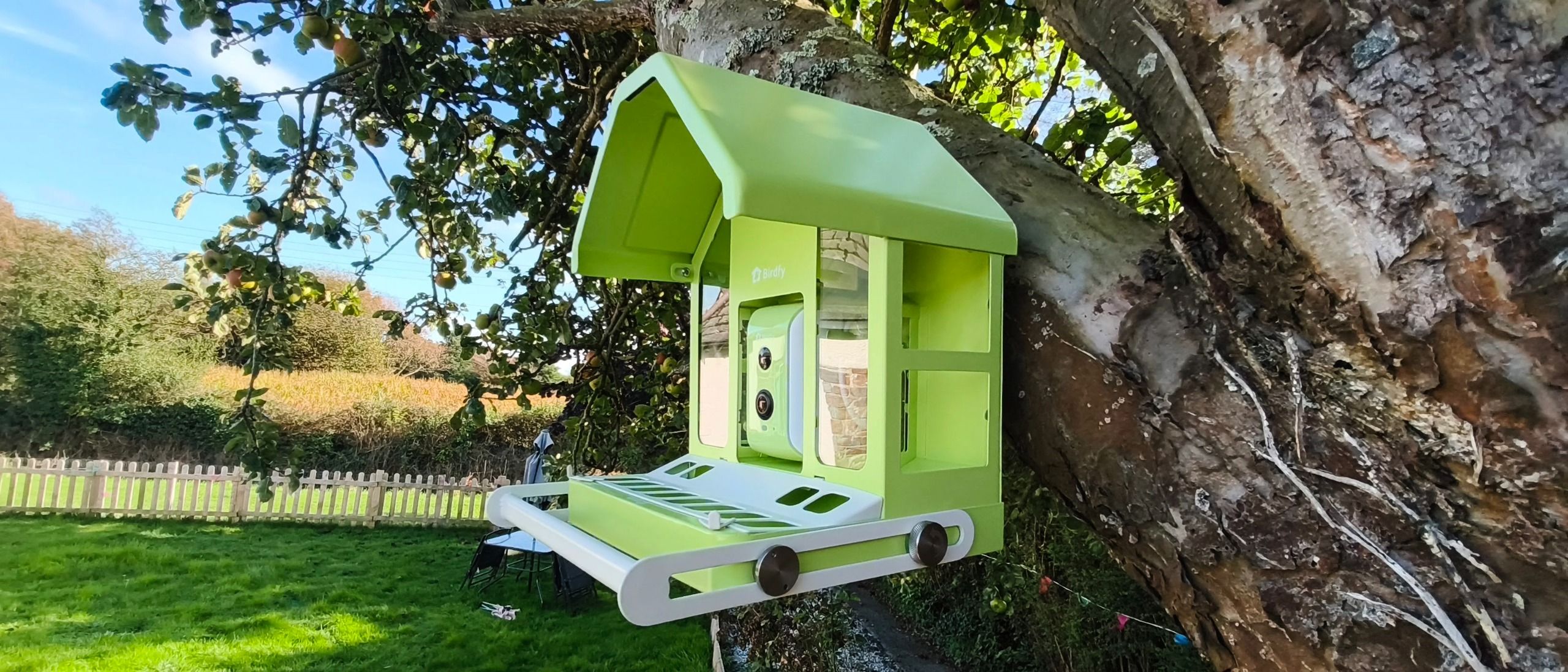
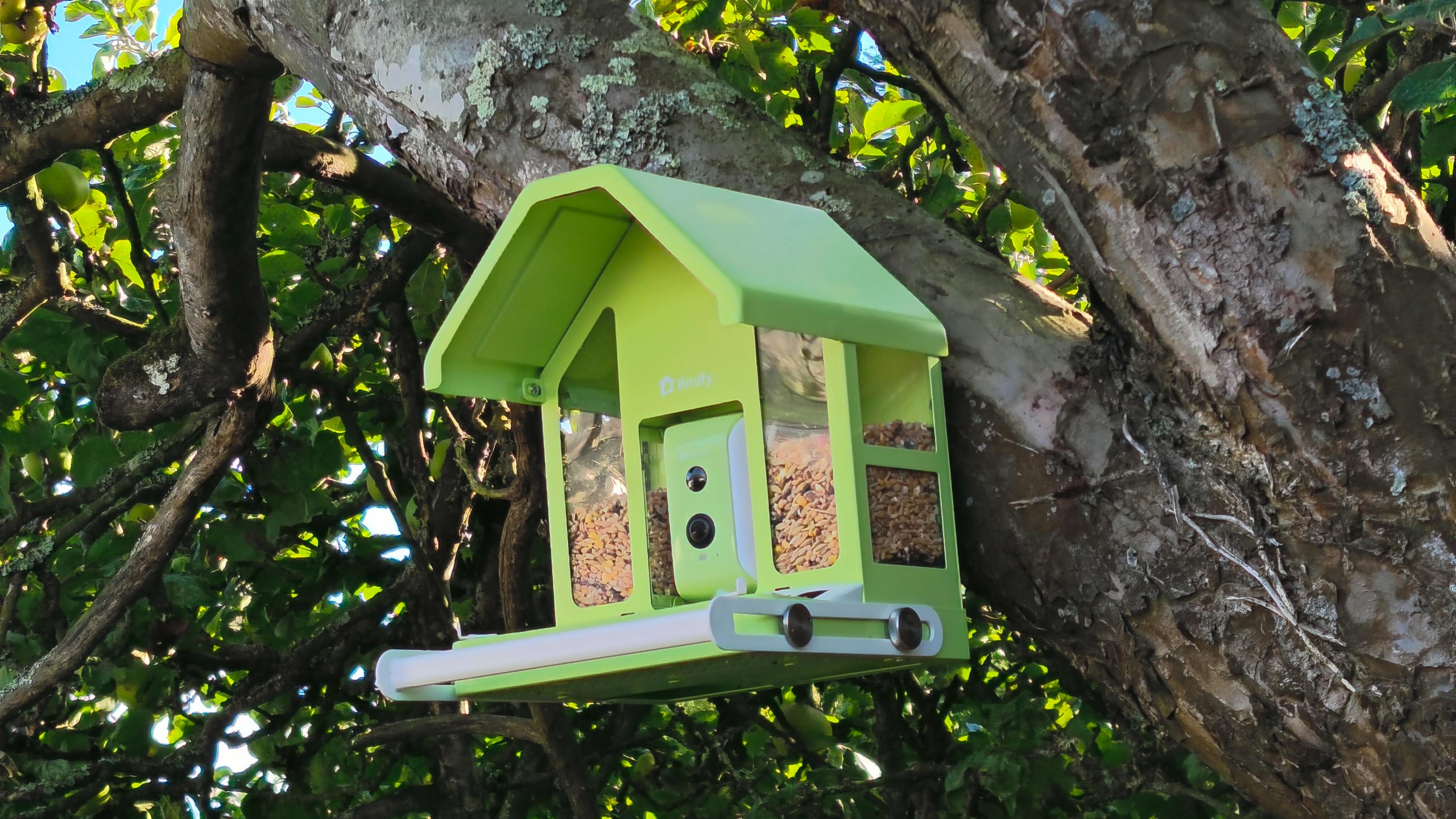
For decades, backyard bird feeding was a passive hobby, limited to manual observation and static hardware. The advent of smart feeders marks a shift toward data-driven wildlife engagement. The Birdfy Feeder Metal, constructed with a robust metal chassis designed to withstand environmental stressors, addresses the limitations of previous plastic-based models. Its design philosophy centers on long-term durability and technological integration, utilizing a 9,000mAh battery paired with an integrated 2W solar panel to ensure continuous, off-grid operation.
Technical Specifications and Hardware Architecture
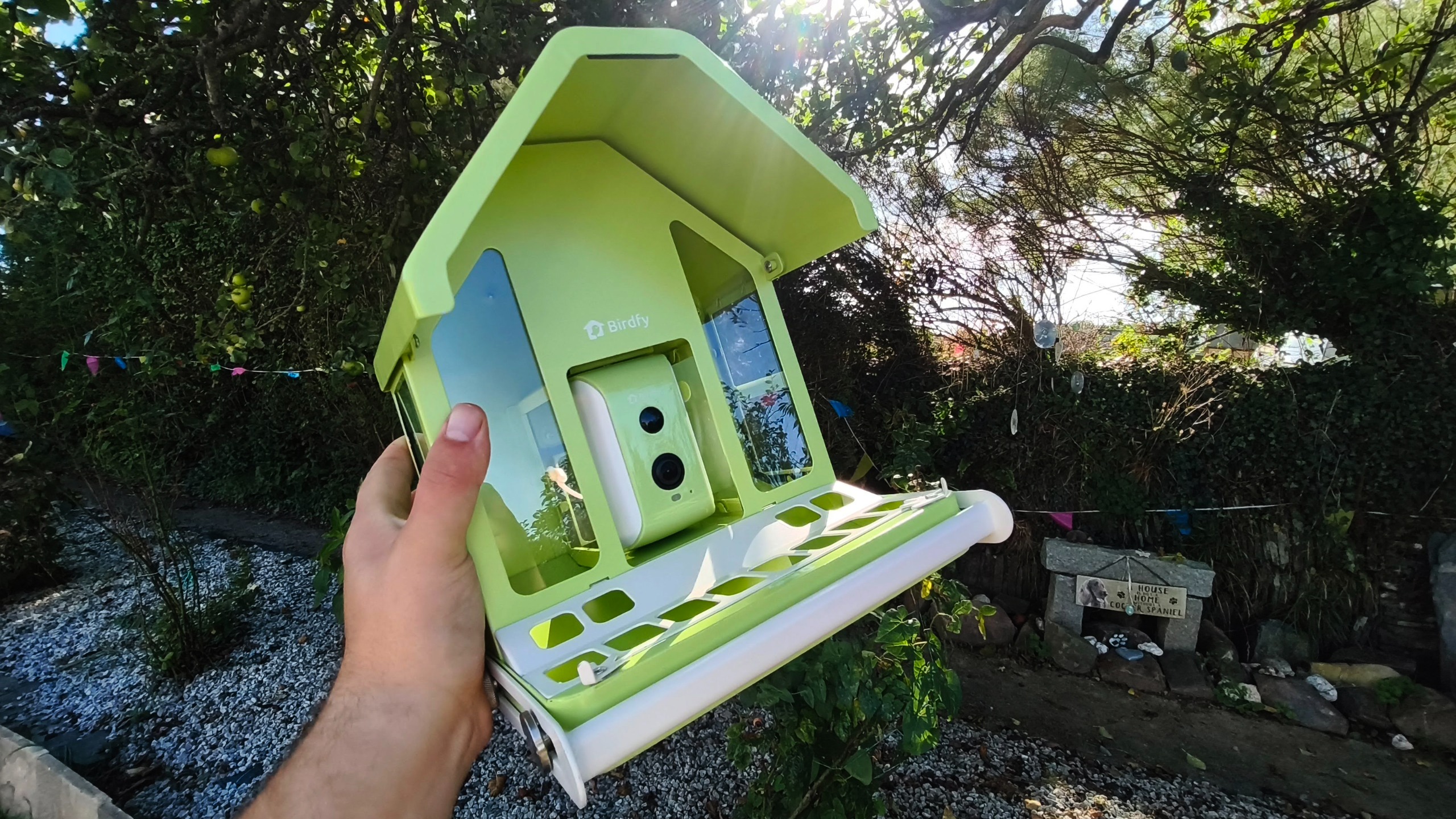
The structural integrity of the Birdfy Feeder Metal is its primary differentiator. Weighing approximately 7.3 lbs (3.33 kg) and measuring 8.7 x 7.9 x 10.2 inches, the device is engineered for stability. The inclusion of a modular, adjustable perch system allows users to modify the feeder’s geometry to accommodate specific avian sizes, effectively managing the guest list at the feeding station.
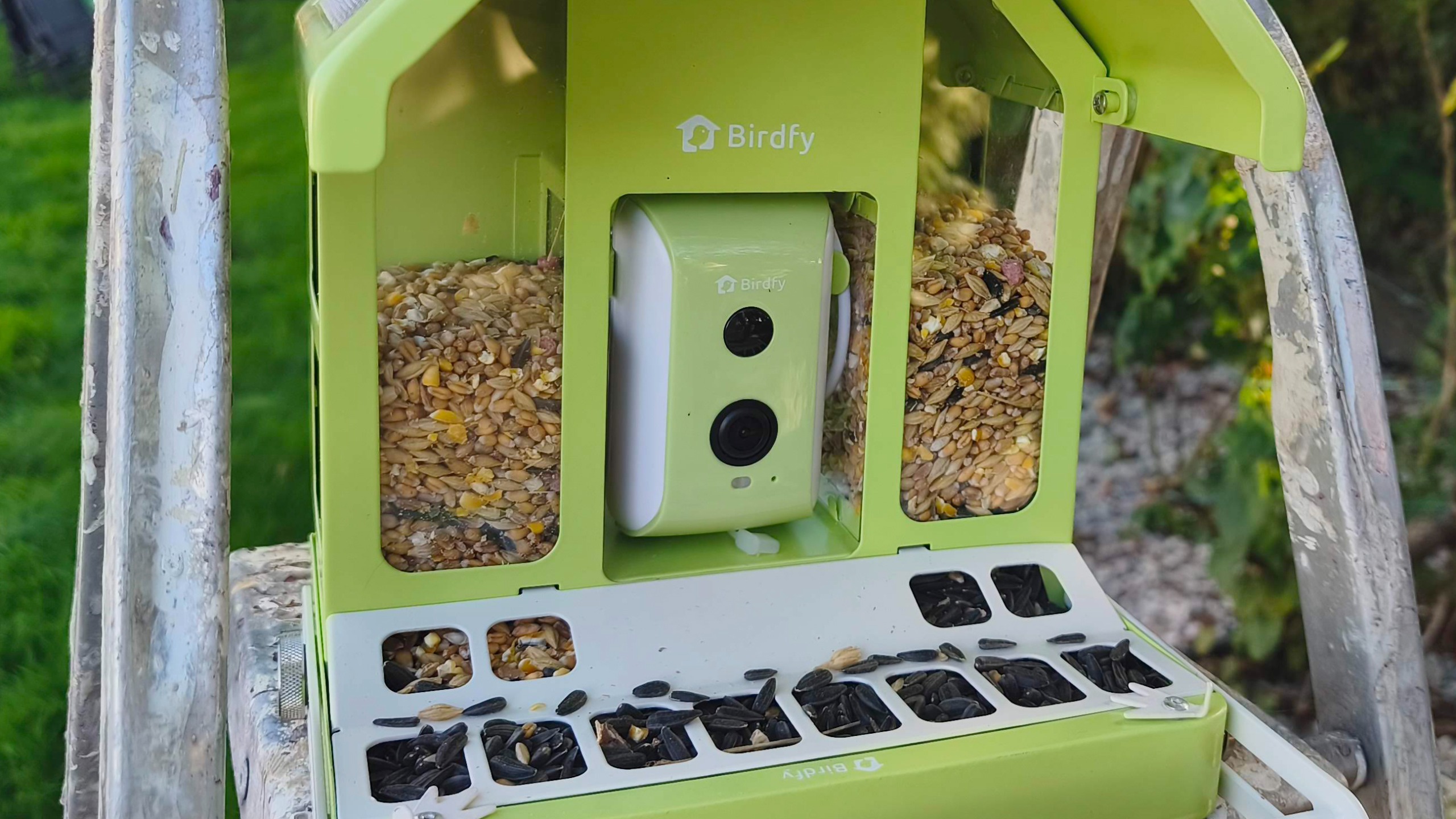
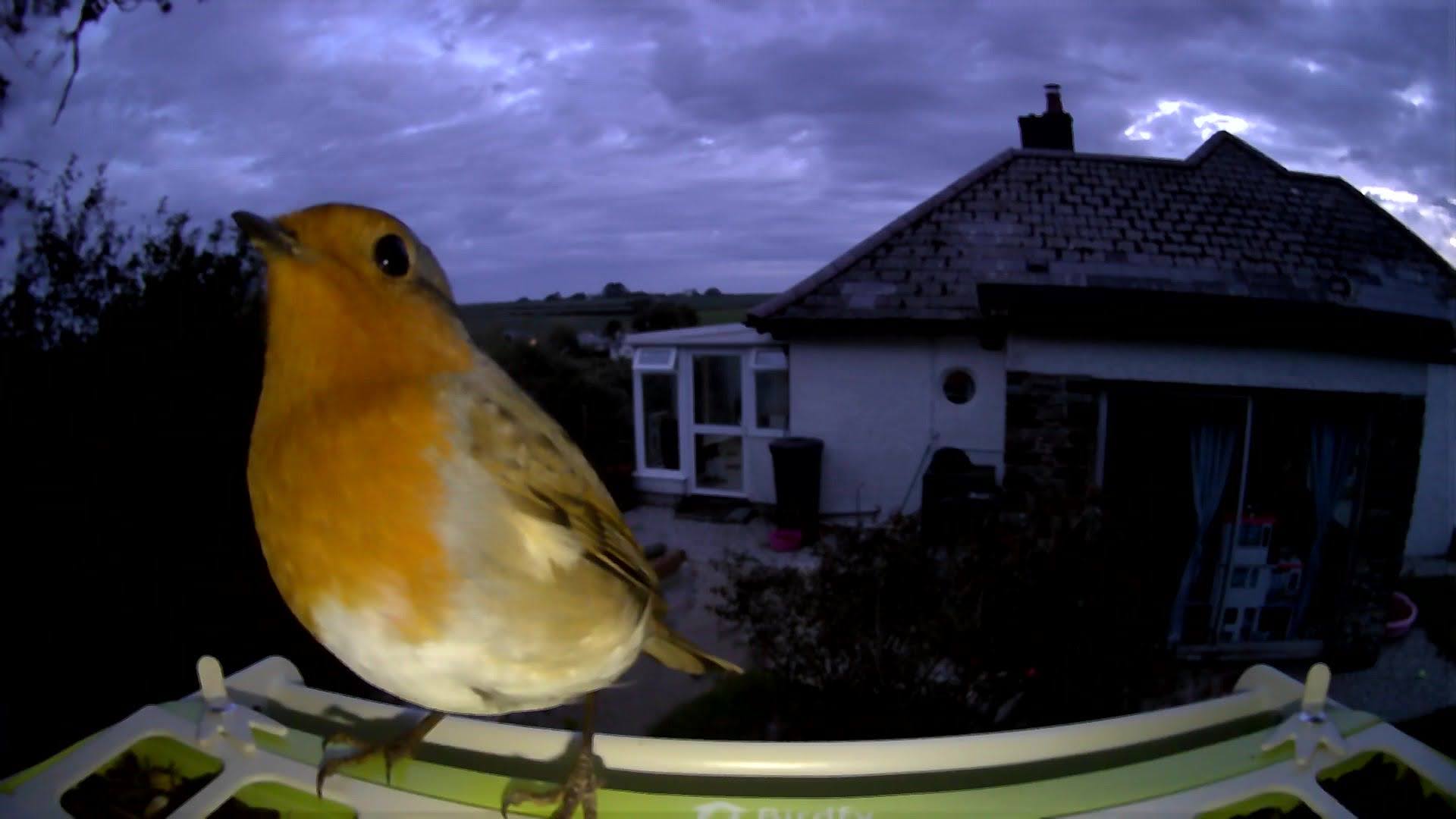
Technically, the unit operates on a 2.4GHz Wi-Fi frequency, ensuring compatibility with most residential network configurations. The core of its performance lies in the 2-megapixel sensor, which captures 1080p video footage. This is complemented by an advanced PIR (passive infrared) sensor that detects motion, triggering the recording process. Unlike legacy wildlife cameras that often suffer from slow shutter speeds or blur, the Birdfy system is optimized for the rapid, erratic movements characteristic of garden birds.
The power management system is a critical component of the device’s reliability. The 9,000mAh battery capacity is designed to sustain operations through periods of low sunlight. However, the reliance on solar harvesting requires strategic placement. According to performance metrics gathered during initial field testing, the device maintains charge efficiency even in partial shade, though optimal positioning in direct sunlight is recommended to maximize the buffer for night-vision recording.
The Evolution of AI in Wildlife Identification
The integration of artificial intelligence is the cornerstone of the Birdfy ecosystem. The AI software processes visual data in real-time, cross-referencing visitor imagery against a database of 6,000 species. This technology alleviates the burden on users to manually identify birds using field guides.
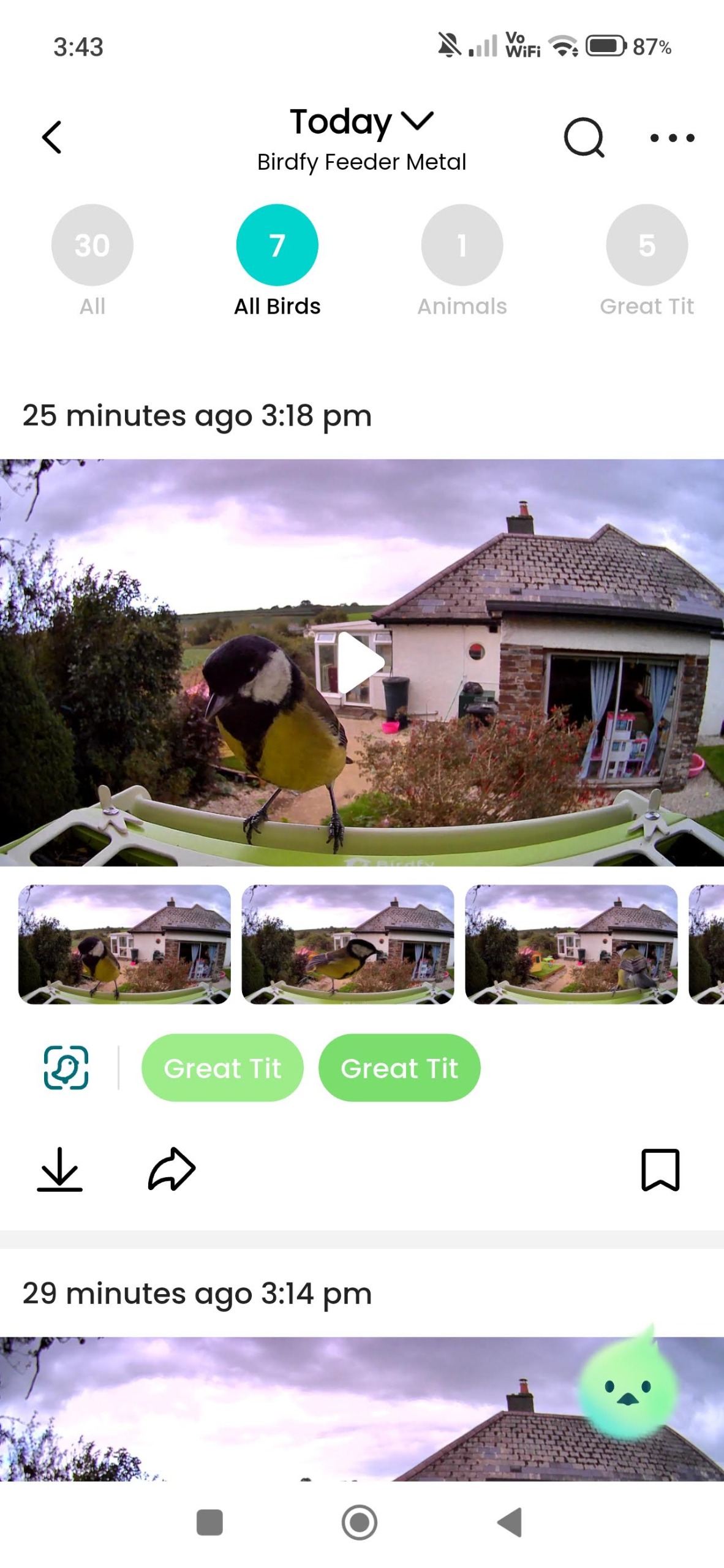
The data management system within the companion app categorizes recordings chronologically and by species. This indexing feature provides users with a behavioral log, tracking the frequency and timing of specific visits. For researchers and amateur naturalists, this creates a longitudinal record of local bird populations, providing insight into seasonal migration patterns and local biodiversity trends. The "Lifetime Free" AI model offers a significant value proposition, eliminating recurring subscription costs that often plague the smart-home sector.
Installation and Operational Logistics
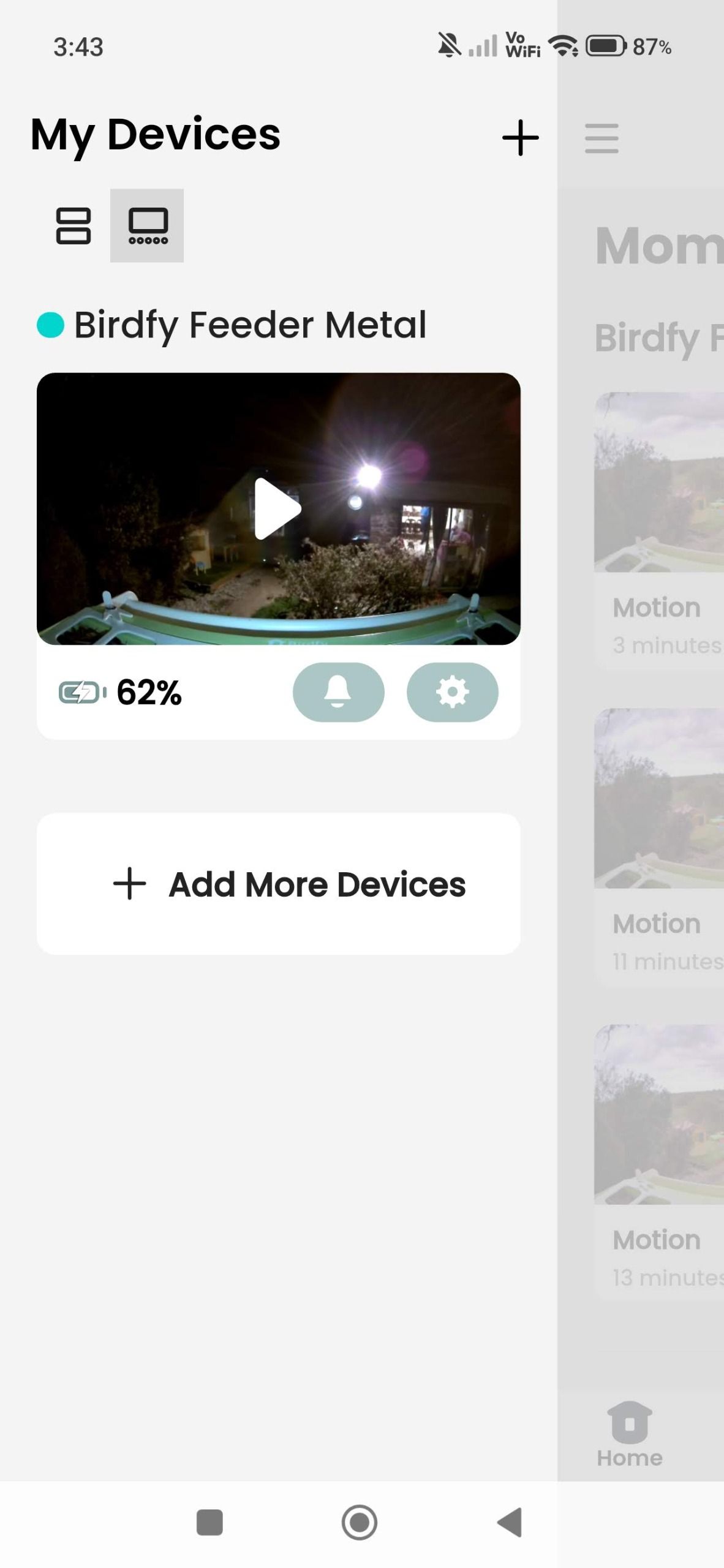
The deployment of the Birdfy Feeder Metal follows a streamlined, user-centric process. The mounting hardware supports both pole and wall configurations, including compatibility with trees. The setup process is facilitated through a QR-code-based handshake with the Birdfy application. Once the device is registered to the user’s account, the system begins a calibration phase.
The observational data gathered indicates a standard "acclimation period" of approximately 24 to 48 hours, during which local bird populations adjust to the presence of the metal hardware. Once established, the frequency of notifications can be managed via the app’s sensitivity settings. This allows users to filter out nuisance triggers—such as high winds or non-target wildlife—and focus exclusively on avian activity.
Social Connectivity and Shared Access
A notable implication of the Birdfy system is its social impact. The ability to share live feeds and recorded archives through encrypted app access allows for remote participation in garden monitoring. This feature has broad implications for intergenerational connection, enabling family members residing in different geographical locations to engage in shared observation. The capability to export 1080p clips to social media platforms or messaging services such as WhatsApp integrates the hobby into the broader digital ecosystem, facilitating the exchange of scientific data and aesthetic content.
Environmental Considerations and Design Limitations
While the device offers significant advantages, it is not without challenges. The aesthetic design, featuring a prominent lime-green and white color palette, has been noted for its high visibility. While this makes the unit easy to spot, it does not blend seamlessly into natural environments, a factor that some users may find distracting. Future iterations may benefit from more neutral color profiles, as seen in some of the manufacturer’s other product lines.

Furthermore, the reliance on a 2.4GHz connection requires that the feeder be installed within a reasonable range of the home router. For larger properties or gardens with significant distance between the structure and the Wi-Fi access point, signal boosters or mesh systems may be required to maintain consistent video streaming.
Analysis of Market Impact
The Birdfy Feeder Metal enters a growing market segment that sits between traditional wildlife observation and high-end security technology. By successfully merging these two, the product creates a new niche. The economic implications are also noteworthy; as consumers move toward "smart" home appliances, the demand for devices that serve both a functional and educational purpose is rising.
Compared to traditional trail cameras, which often require manual SD card retrieval and provide no real-time feedback, the Birdfy offers a continuous, interactive loop. This has immediate benefits for wildlife conservation awareness. By lowering the barrier to entry for detailed bird study, such devices may contribute to a larger pool of citizen-science data. Users can effectively act as localized monitors, contributing to an understanding of which species are thriving in suburban and rural garden environments.
Long-term Sustainability and Reliability
The decision to utilize a metal body construction suggests a move away from the "disposable tech" culture prevalent in the consumer electronics space. By prioritizing a more durable build, the manufacturer positions the feeder as a multi-year investment. The modular nature of the camera component, which can be detached for USB-C charging, further ensures that the hardware remains functional even if the solar panel’s efficiency degrades over time.
Conclusion
The Birdfy Feeder Metal occupies a distinct position in the current technological landscape. It is not merely a tool for viewing birds, but a bridge between technology and the natural world. Its performance, characterized by reliable AI identification, high-quality video output, and a thoughtful user interface, demonstrates that smart-home integration can be effectively applied to environmental monitoring.
For the enthusiast, the data provided by the device—ranging from species identification to frequency of visit—offers a level of granularity previously unavailable outside of professional ornithological setups. While there are minor constraints regarding solar positioning and color aesthetics, these do not overshadow the device’s core utility. As the industry continues to evolve, the Birdfy Feeder Metal sets a high standard for how consumer hardware can foster a deeper, more informed connection with local wildlife, proving that even a simple garden activity can be transformed by the thoughtful application of modern technology. The device successfully balances the requirements of rugged outdoor performance with the sophisticated software demands of a modern connected home.
Related posts: