Blizzard Entertainment Unveils Zero-Tolerance Policy for Real-Money Trading and Gold Buying in World of Warcraft: Forever

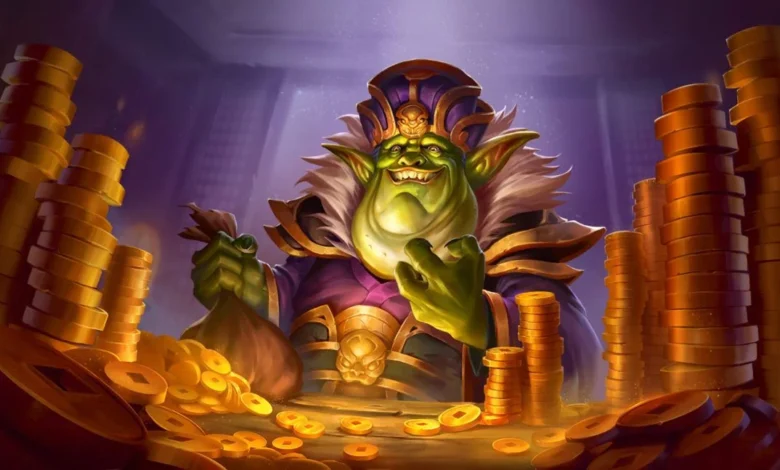
The ongoing evolution of the massively multiplayer online role-playing game (MMORPG) genre has long been shadowed by the contentious economics of real-money trading (RMT). For two decades, publishers have grappled with the systemic disruption caused by third-party vendors selling in-game currency, rare items, and progression boosts. In the early days of World of Warcraft, veteran players frequently encountered bizarre visual spectacles across major capital cities—such as lines of deceased characters strategically arranged to spell out external website URLs advertising gold-selling services. Despite decades of enforcement efforts, these illicit economies have persisted, adapting to every countermeasure introduced by developers.
Now, as Blizzard Entertainment prepares for the rollout of World of Warcraft: Forever, the studio has signaled a profound shift in its enforcement philosophy. Moving away from the lenient disciplinary actions that characterized past expansions, leadership has committed to a stringent zero-tolerance framework designed to protect the integrity of the game’s economy from the ground up.
The Evolution of In-Game Economies and the Rise of Real-Money Trading
To understand the gravity of Blizzard’s recent announcements, one must examine the historical context of virtual economies within MMORPGs. When World of Warcraft launched in November 2004, acquiring in-game wealth—commonly measured in copper, silver, and gold—was a formidable, time-consuming endeavor. Crafting reagents were scarce, mounts represented significant financial milestones, and high-level repairs drained player reserves.
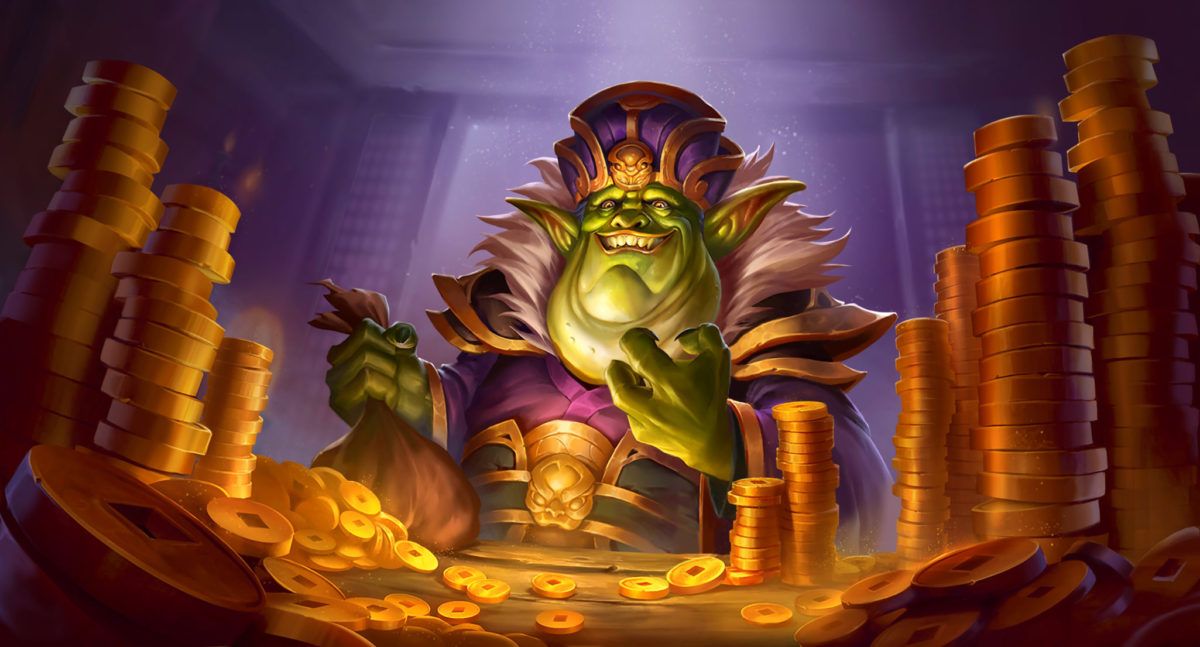
This scarcity created an immediate black market. Third-party gold-farming operations, often based in regions with lower labor costs, utilized automated bots and human laborers to amass vast fortunes. They then sold this virtual currency to impatient players in exchange for fiat currency. Over the years, these operations evolved beyond simple currency peddling into complex syndicates offering leveled accounts, raid carries, and gold-bid raiding systems known as GDKP (Gold Dragon Kill Points).
In a GDKP run, players bid on dropped gear using gold rather than traditional DKP (Dragon Kill Points) earned through raid attendance. While popular among players seeking flexible raid groups, GDKP environments notoriously facilitate real-money trading. Participants often buy gold from external sites to secure high-end gear through out-of-game financial leverage, thereby distorting the competitive integrity of the game.
Historically, Blizzard’s punitive measures against RMT participants were relatively conservative. First-time offenders typically received temporary account suspensions ranging from 24 hours to two weeks, occasionally accompanied by the confiscation of illicitly acquired gold. Critics within the community argued that these light penalties functioned merely as a minor cost of doing business for dedicated gold buyers, failing to deter long-term illicit behavior effectively.
Developer Q&A and the Shift Toward Permanent Bans
The landscape of enforcement is poised for a dramatic transformation under World of Warcraft: Forever. During a recent developer Q&A session broadcast on official channels, senior game designer Josh Greenfield addressed persistent community anxieties regarding RMT, GDKP practices, and overall economic stability. Greenfield delivered an unequivocal warning to prospective rule-breakers: Blizzard intends to deploy permanent account bans against individuals engaging in real-money transactions.
"Being frank, we’ve been probably too lenient on gold buyers and it’s been a little bit easy to get around some of our actions before and we are taking it very seriously," Greenfield stated during the broadcast. Highlighting the personal stakes for veteran players, he added, "As someone who’s got a 22-year-old World of Warcraft account, I can tell you it’s not worth losing it permanently, it’s not worth losing any of your accounts permanently, so I would very strongly recommend [you] don’t do it, it’s not worth it."
Greenfield’s remarks signify a fundamental pivot from historical deterrence strategies. By threatening the permanent forfeiture of accounts—some representing nearly two decades of accumulated achievements, cosmetic collections, and sentimental value—Blizzard is raising the stakes significantly for consumers of illicit virtual goods. While temporary suspensions allowed players to return after a cooling-off period, permanent bans threaten total erasure of digital heritage, a penalty designed to outweigh any short-term gameplay advantages gained through RMT.
Economic Implications in a Static-Level Progression Model
The rationale behind Blizzard’s aggressive posture extends far beyond abstract rule enforcement; it is rooted in the fundamental mechanics of World of Warcraft: Forever’s design architecture. In an environment where the maximum level cap remains static and content updates focus on horizontal progression rather than vertical escalation, maintaining economic equilibrium is paramount.
In traditional MMORPG expansions, continuous level cap increases naturally reset the economic baseline, rendering accumulated wealth from previous patches less dominant over time. However, in a static-progression setting, unchecked inflation can spiral rapidly. If illicit gold injection goes unchecked, the cost of fundamental crafting reagents, consumables, and gear escalates beyond the reach of legitimate players who rely on standard in-game farming methods.
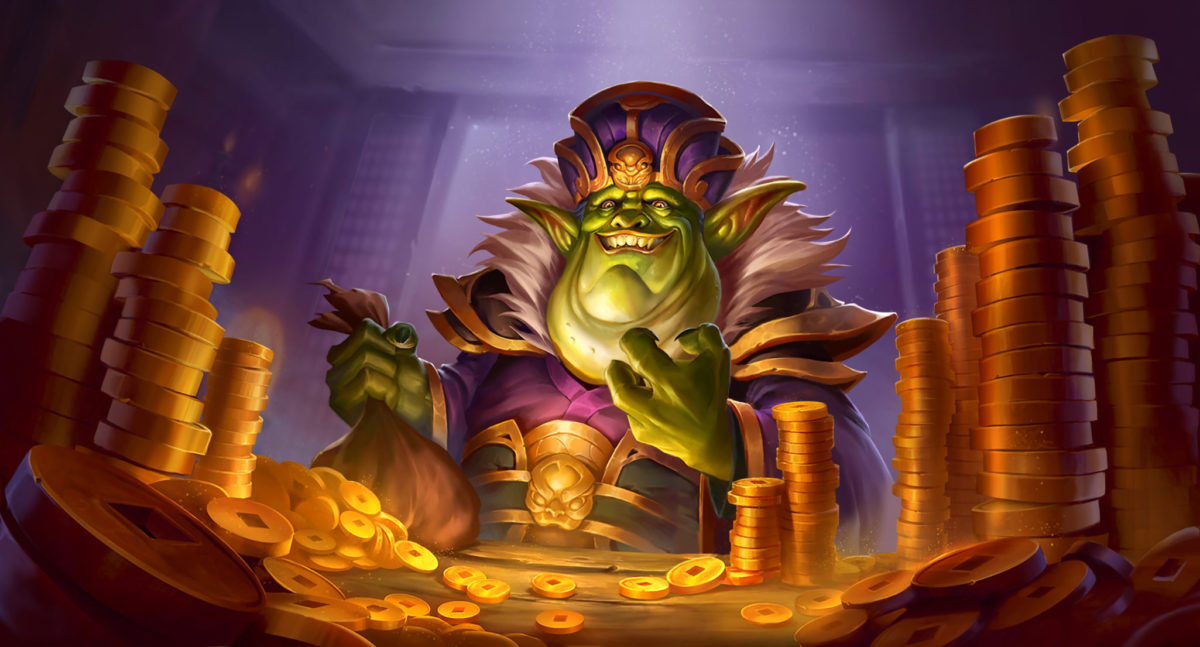
This hyper-inflationary pressure ultimately devalues trade skills, discourages new or casual players from participating in the player-driven economy, and centralizes wealth among a small elite who either engage in RMT or exploit systemic vulnerabilities. Greenfield emphasized that preserving the sanctity of the player economy is central to the overall design vision. The development team intends to utilize sophisticated tuning mechanisms to monitor and regulate supply and demand, ensuring that legitimate gameplay remains the primary driver of wealth accumulation.
Broader Industry Context and Comparative Analysis
Blizzard’s crackdown on RMT in World of Warcraft: Forever mirrors broader challenges faced by the modern gaming industry, particularly within games centered around player-driven economies and open markets. Modern action role-playing games, such as Grinding Gear Games’ Path of Exile series, offer stark case studies on the fragility of virtual trade ecosystems. In games heavily reliant on rare item drops and active player trading, minor exploits or illicit currency injections can destabilize pricing structures within hours.
Industry analysts note that maintaining economic stability in online multiplayer environments requires a dual approach: proactive server-side detection algorithms coupled with severe, swift punitive measures. Automated behavioral analysis tools can flag abnormal trading patterns, sudden wealth transfers, and bot-like movement inputs, allowing security teams to intervene before black-market vendors can liquidate their inventories.
However, technology alone cannot eliminate the demand side of the equation. As long as players face friction, excessive grinding, or competitive pressure to acquire gear rapidly, the market for real-money trading will persist. By targeting the consumer base directly with the threat of permanent account termination, Blizzard aims to compress the demand curve, rendering the risk disproportionate to the perceived reward.
Challenges and Community Reception
Reaction from the broader MMORPG community has been cautiously optimistic, tempered by historical skepticism. On forums, social media, and dedicated community hubs, veteran players have long demanded harsher penalties for gold buyers, arguing that past enforcement efforts focused disproportionately on automated farming bots while leaving the financial beneficiaries largely unpunished.
Nevertheless, community members point out that the true test of Blizzard’s new policy will lie in execution. Ensuring consistent detection and maintaining transparency without compromising proprietary security measures remains a formidable challenge for development teams. Furthermore, distinguishing between legitimate player-to-player commerce and illicit RMT transactions requires nuanced oversight to prevent false positives that could alienate innocent players.
As the launch of World of Warcraft: Forever approaches, the efficacy of this zero-tolerance stance will be closely monitored by industry observers and players alike. If Blizzard successfully executes its promised crackdown, it could establish a new benchmark for economic governance within legacy MMORPGs, proving that long-standing virtual worlds can adapt to combat modern exploits. For now, the message from the development team is unmistakable: the era of lenient wrist-slaps for real-money trading has officially drawn to a close.