Apple Watch Series 12 and Apple Watch Ultra 4 Launch Without the Iconic Pandemic-Era Handwashing Detection Feature

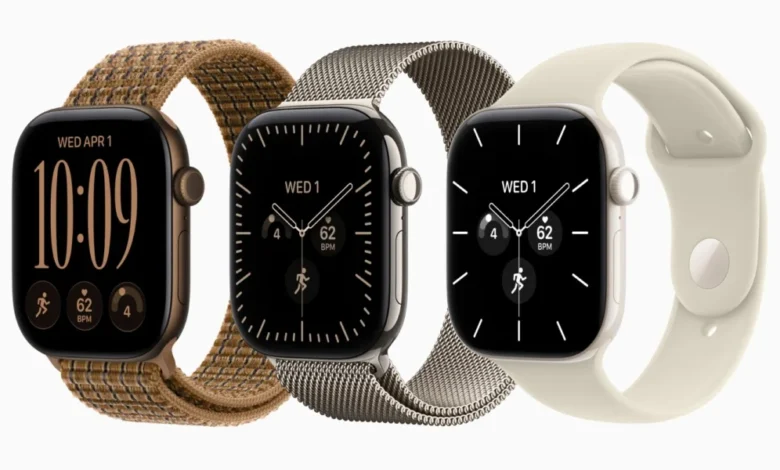
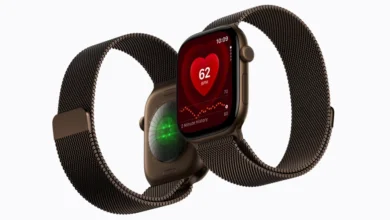
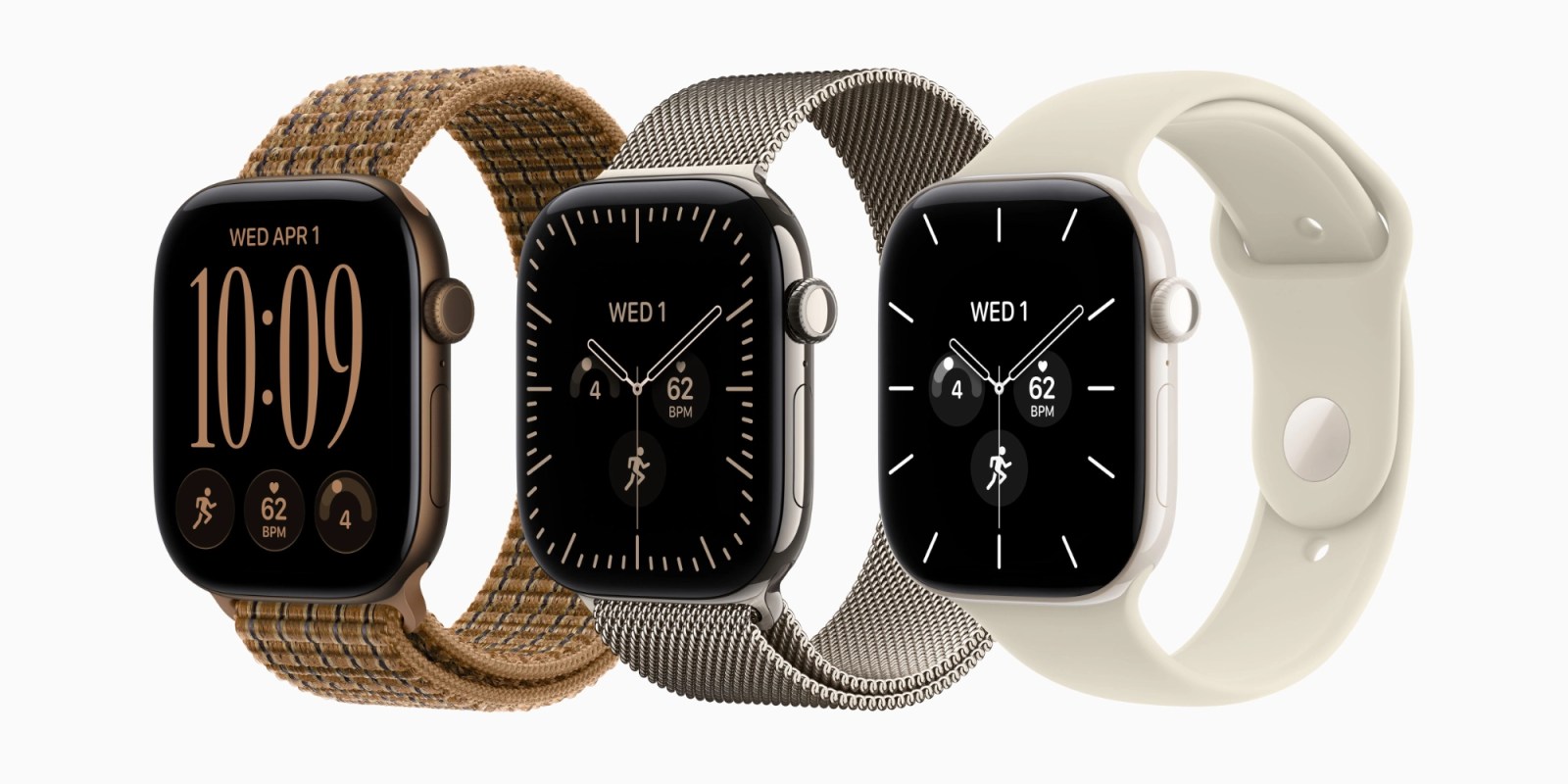
The technology industry has closely tracked the release of Apple’s latest wearable lineup, the Apple Watch Series 12 and the Apple Watch Ultra 4. Both flagship devices bring substantial hardware and software upgrades to consumers worldwide, featuring next-generation processors, enhanced displays, and advanced audio intelligence capabilities. However, early adopters and technical analysts have quickly noticed a curious omission from the feature set of these newly minted devices: the automated handwashing detection and countdown timer function has entirely vanished from the Series 12 and the Ultra 4.
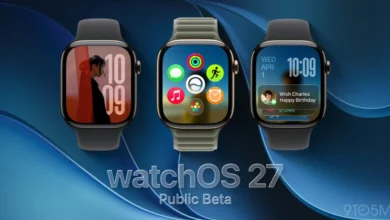
While the underlying operating system, watchOS 27, continues to support the handwashing feature on legacy hardware such as the Apple Watch Series 11 and Apple Watch Ultra 3, the newest generation of Apple wearables lacks the capability out of the box. Official documentation and updated hardware compatibility lists from Apple confirm that the Series 12 and Ultra 4 are omitted from the supported device roster. This unexpected departure has sparked discussions across the tech community regarding whether the absence stems from an oversight in the initial software deployment, a deliberate feature deprecation, or an architectural limitation tied to the newly redesigned internal silicon.
The Origins of Handwashing Detection in the Apple Ecosystem
To understand the significance of this feature’s disappearance, it is necessary to examine its origins. Apple first introduced the automatic handwashing detection and timer tool in June 2020 as a standout component of watchOS 7. Released during the height of the global COVID-19 pandemic, the feature was explicitly designed to promote public health and hygiene by encouraging users to wash their hands for the World Health Organization-recommended duration of at least 20 seconds.
Powered by advanced machine learning models, the Apple Watch utilized its onboard motion sensors, including the accelerometer and gyroscope, alongside the device’s microphone to listen for the distinct sounds of running water and vigorous soap friction. Once the watch recognized the user’s handwashing motions and auditory cues, it initiated a dynamic, haptic-backed 20-second countdown timer on the display. If the user stopped washing prematurely, the device gently nudged them to continue until the full duration was met. Over the years, the feature matured into a reliable, background utility seamlessly integrated into the Apple Health application on iOS, where users could review their daily hygiene habits, frequency, and average duration alongside other vital health metrics.
Chronology of the Disappearance
The absence of handwashing detection on the Apple Watch Series 12 and Ultra 4 first came to light following the embargo lift and subsequent delivery of review units in September 2026. Reviewers analyzing the latest iteration of watchOS 27 observed that while the handwashing category remained robustly embedded within iOS 27.2 and older watch models, attempts to replicate or trigger the feature on the Series 12 and Ultra 4 hardware proved entirely unsuccessful.
Further investigation into Apple’s official support guides for watchOS 27 confirmed the discrepancy. The documentation explicitly lists older hardware iterations—including the Series 11, Series 10, and Ultra variants—as fully compatible with handwashing detection, yet conspicuously leaves out the newly released Series 12 and Ultra 4. Despite watchOS 27 retaining the feature guidelines in its manual, the actual execution on the 2026 flagship hardware is currently non-existent.
Hardware Overhauls and Audio Intelligence Shifts
The hardware architecture of the Apple Watch Series 12 and Ultra 4 represents the most radical internal redesign the product line has experienced in several years. Industry analysts point to this massive technological pivot as the most probable explanation for the omission of legacy features.

Unlike previous iterations that relied on incremental processor upgrades, the Series 12 and Ultra 4 introduce a fundamentally overhauled system-in-package (SiP). This new architecture prioritizes heavy computational tasks and complex neural processing to power state-of-the-art Audio Intelligence capabilities. Among these new additions are Siri Recap, which summarizes missed audio and notifications, and Live Rewind, an advanced audio-buffering tool designed for real-time media manipulation.
Engineers suggest that the complete restructuring of the audio processing pipeline and sensor fusion algorithms in the new processor may have required a clean slate for software development. Consequently, older, pandemic-era micro-routines like handwashing detection may not have been prioritized for porting over to the new architecture, or they may conflict with the newly deployed, highly prioritized neural audio engines.
Official Responses and Consumer Implications
As of the official release date, Apple has not issued a formal public statement clarifying whether the omission of handwashing detection on the Series 12 and Ultra 4 is a permanent design change or a temporary software bug destined to be rectified in an upcoming point release, such as watchOS 27.1 or 27.2. Representatives from Apple support channels have acknowledged the gap in the documentation but have not provided a definitive timeline for a potential fix or integration.
The consumer implications of this missing feature are relatively nuanced. For the vast majority of users, the absence of an automated handwashing timer is unlikely to alter purchasing decisions or everyday usability. The core value proposition of the Apple Watch Series 12 and Ultra 4 lies in their advanced fitness tracking, expansive health monitoring suites—including ECG, blood oxygen tracking, and temperature sensing—and the revolutionary performance gains delivered by the new processors.

However, for public health advocates and privacy-conscious users who rely on the comprehensive lifestyle tracking offered by the Apple Health ecosystem, the loss of any longitudinal health metric is notable. The handwashing feature served as a unique behavioral data point, bridging the gap between clinical health data and everyday preventative wellness.
Broader Industry Impact and Future Outlook
The quiet retirement of a health-centric feature highlights a broader trend within the consumer technology sector: the lifecycle management of legacy features in the face of rapid hardware evolution. As smartwatches transform from simple notification relays into complex, AI-driven health and productivity hubs, manufacturers must continually evaluate the computational overhead of maintaining older software utilities.
If the handwashing detection feature does not return to the Apple Watch Series 12 and Ultra 4, it will mark the formal end of an era defined by the emergency software adaptations of the 2020 pandemic. For now, consumers utilizing the latest hardware will need to rely on older Apple Watch models if automated handwashing monitoring remains an essential part of their daily routine. As watchOS 27 continues its software lifecycle, tech analysts will closely monitor forthcoming developer betas and software updates to see if Apple ultimately restores the feature or allows it to quietly fade into technological history.