If Emmett Till Lived: Freedom on American Ground Exhibition Imagines a Lost Future Through Photography

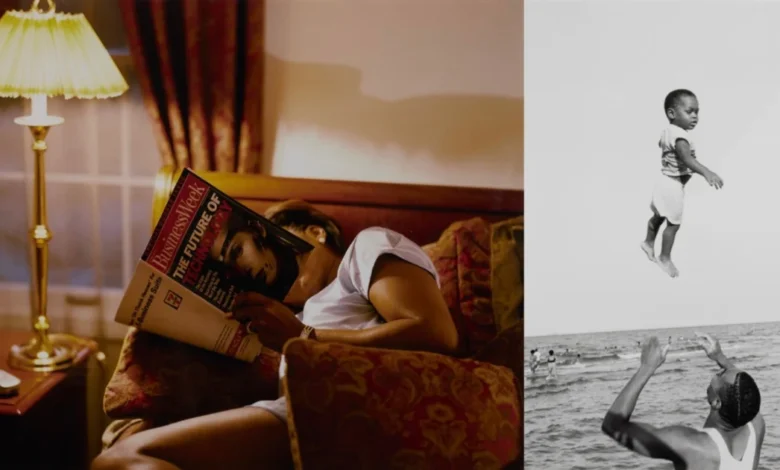
More than seventy years after the brutal racially motivated murder of 14-year-old Emmett Till shocked the American conscience and galvanized the nascent civil rights movement, a poignant new museum exhibition asks an agonizing counterfactual question: What would a full life have looked like for him? On view at the Museum of Contemporary Photography (MoCP) at Columbia College Chicago through December 19, 2026, If Emmett Till Lived: Freedom on American Ground utilizes the institution’s rich permanent image collection to construct a speculative visual biography. Had he survived the violent summer of 1955, Till would have celebrated his 85th birthday this year. Instead, his memory remains inextricably bound to the atrocities of Jim Crow-era Mississippi and the systemic injustices that defined mid-20th-century America.
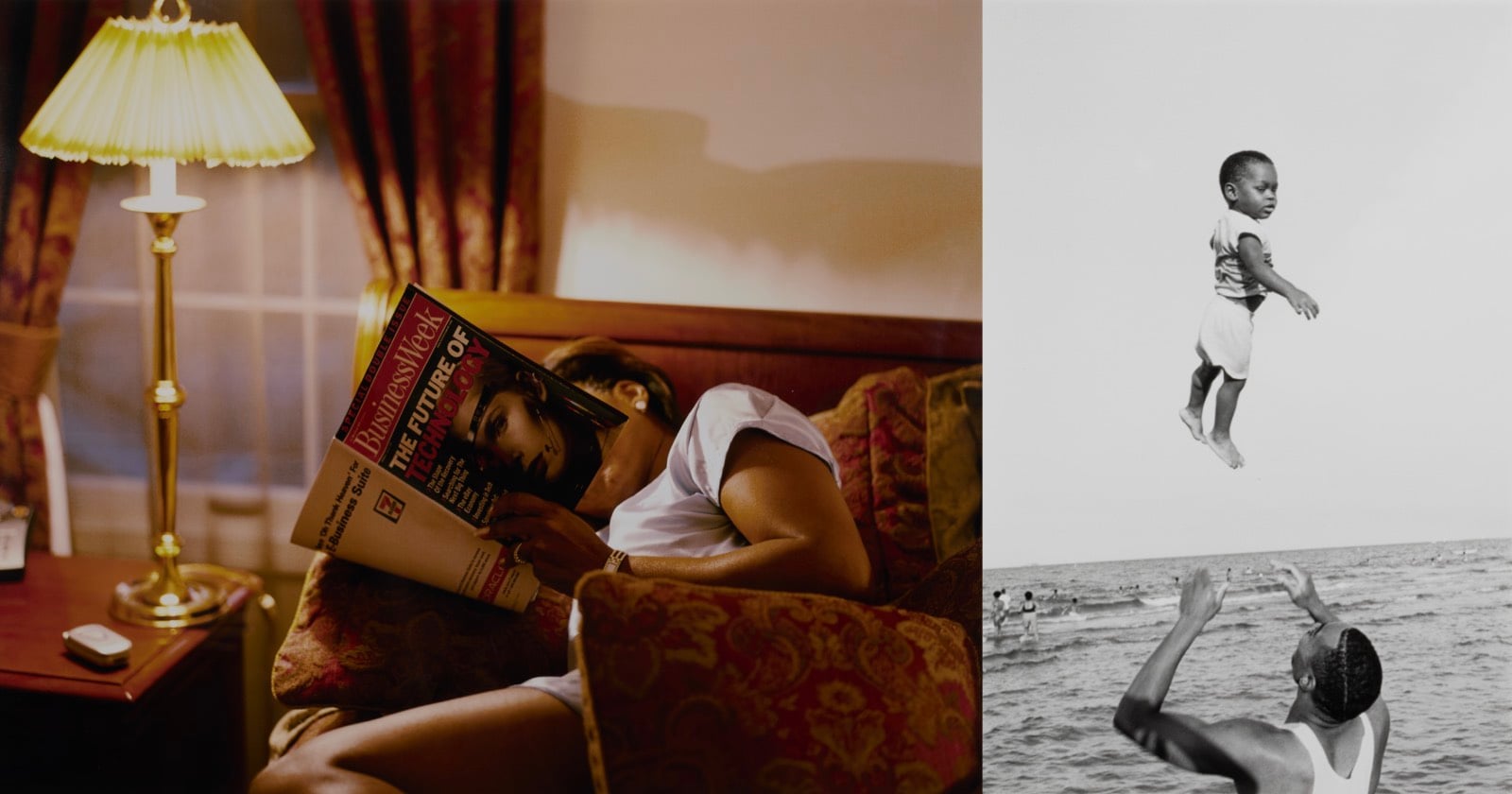
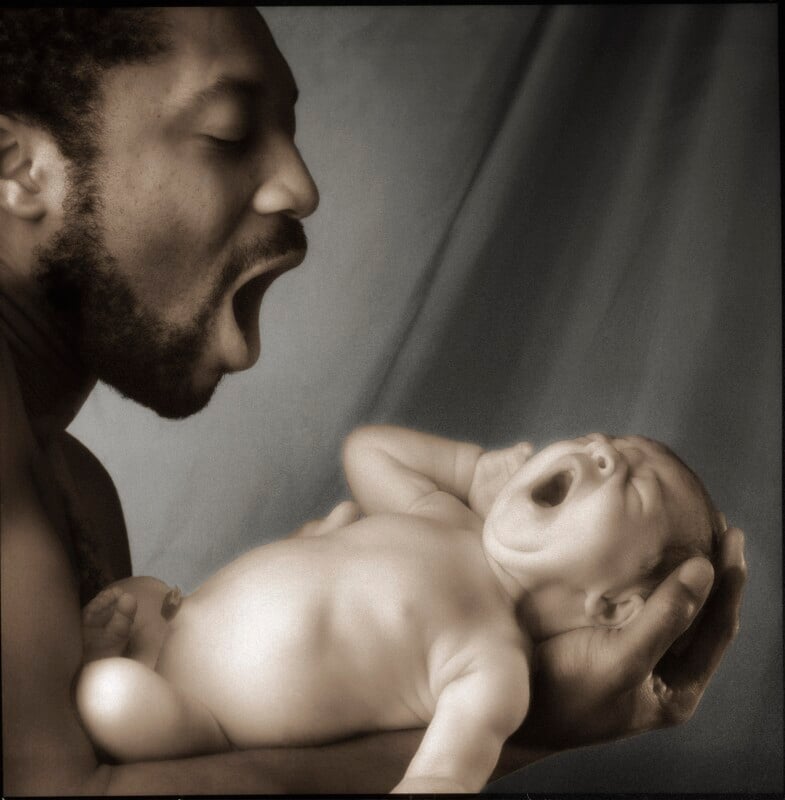
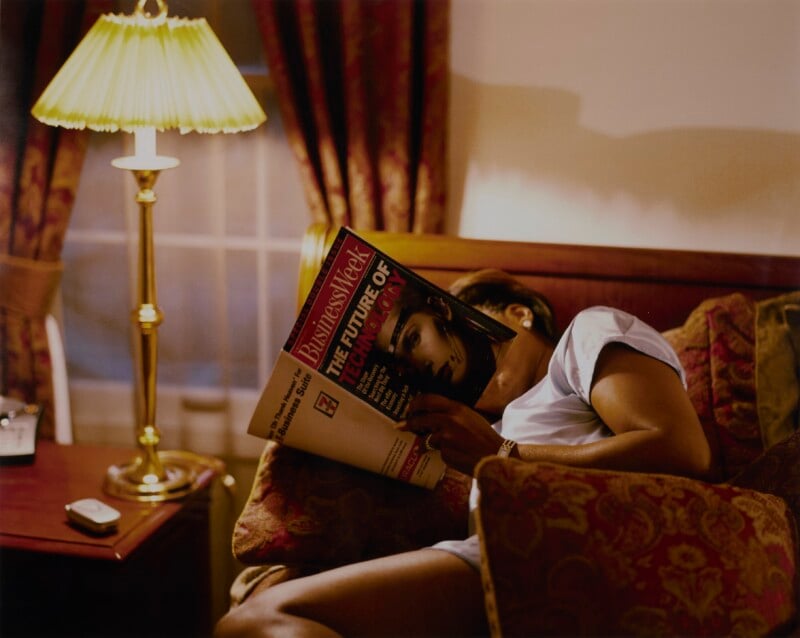
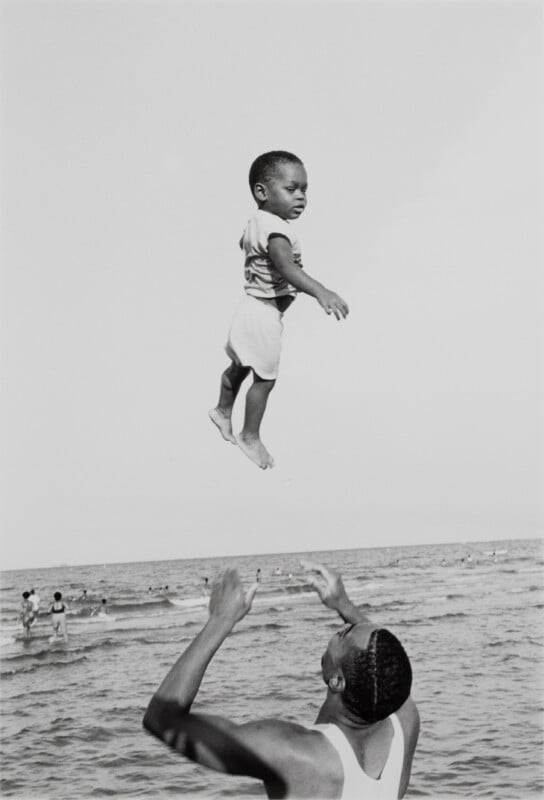
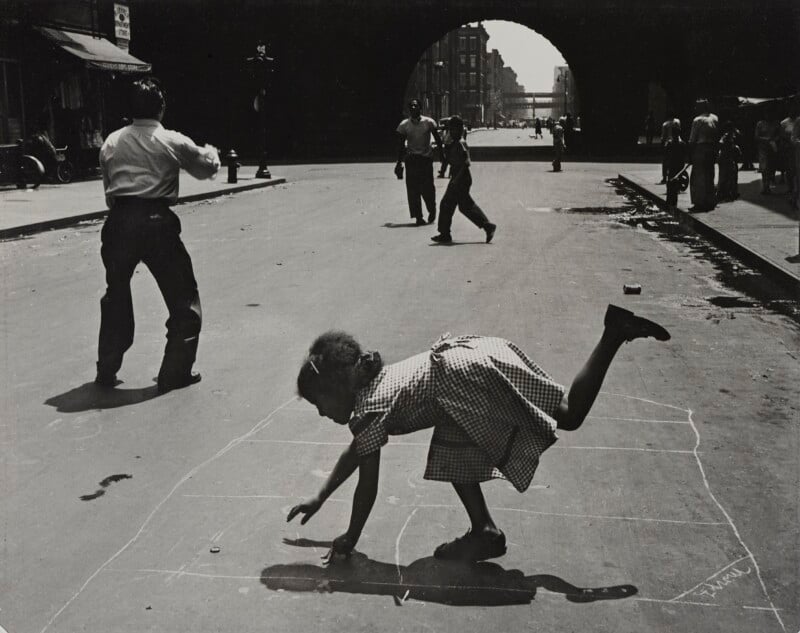
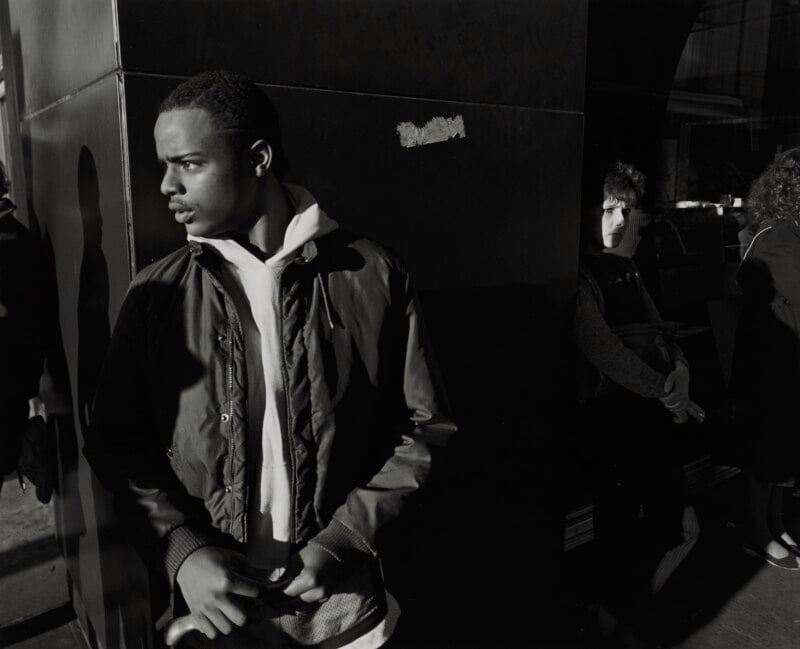
Curated by scholar and art historian Sarah Lewis, the exhibition brings together works by generations of foundational and contemporary photographers—including Henri Cartier-Bresson, Dorothea Lange, Gordon Parks, Dawoud Bey, Carrie Mae Weems, Teju Cole, and Stephen Marc. Rather than focusing exclusively on the documented trauma of racial violence, the exhibition constructs a framework of ordinary and extraordinary milestones: cross-country train journeys, urban neighborhood street life, moments of quiet domesticity, fatherhood, professional success, marriage, and historical triumphs such as the career of Michael Jordan with the Chicago Bulls and the historic election of Barack Obama. Through these powerful visual juxtapositions, the exhibition serves as both a meditation on a stolen existence and a critical examination of the ongoing struggle for civil rights, democratic equality, and bodily autonomy in the United States.
The Tragedy of 1955 and the Catalyst for Change
The historical backdrop of the exhibition is rooted in one of the most infamous hate crimes in American history. In August 1955, Emmett Till, a native of Chicago, Illinois, traveled down south to Money, Mississippi, to visit relatives. On August 24, 1955, while visiting a local grocery store, Till allegedly whistled at Carolyn Bryant, a white woman who co-owned the establishment. At the time, the breach of deeply entrenched Jim Crow social codes by a Black youth in the segregated South carried lethal consequences.
Days later, in the dead of night, Carolyn Bryant’s husband, Roy Bryant, and his half-brother, J.W. Milam, abducted Till from his great-uncle’s home. The perpetrators subjected the teenager to a vicious beating, shot him in the head, tied a 75-pound cotton gin fan to his neck with barbed wire, and dumped his mutilated body into the Tallahatchie River. When the corpse was recovered three days later, it was so severely disfigured that Till’s mother, Mamie Till-Mobley, could only identify her son by a silver ring he wore bearing his late father’s initials.
In an act of profound courage that transformed private grief into public mobilization, Mamie Till-Mobley insisted on an open-casket funeral in Chicago, allowing tens of thousands of mourners to view the horrifying reality of racially motivated violence. Photographs of Till’s battered body were published in Jet magazine and other Black-owned publications, sending shockwaves across the nation and internationally.
Despite overwhelming evidence and eyewitness testimony, an all-white Mississippi jury took less than an hour to acquit Roy Bryant and J.W. Milam of kidnapping and murder in September 1955. Protected by double jeopardy, the two men later confessed to the murder in a paid interview with Look magazine in 1956, facing no legal repercussions. The miscarriage of justice exposed the deep-seated corruption of the Southern legal system and galvanized a generation of activists, laying the groundwork for the modern civil rights movement.
Chronology of Impact: From Till to the Civil Rights Movement
The shockwaves generated by Emmett Till’s murder and the subsequent acquittal of his killers accelerated civil rights activism with breathtaking speed. The chronology of events immediately following his death highlights the profound weight of his sacrifice:
- August – September 1955: Emmett Till is abducted, murdered, and thrown into the Tallahatchie River. His open-casket funeral draws massive crowds in Chicago, and his killers are acquitted by an all-white jury.
- November 1955: A little-known Baptist minister named Martin King Jr. leads a memorial rally for Emmett Till in Montgomery, Alabama, drawing widespread attendance from the local Black community.
- December 1, 1955: Rosa Parks refuses to surrender her seat to a white passenger on a municipal bus in Montgomery, sparking the historic Montgomery Bus Boycott. Parks later explicitly identifies Emmett Till as being prominent in her thoughts during her act of defiance, noting the lingering impact of his murder and the recent memorial service.
- September 1957: Following intense congressional debates influenced by the national outrage surrounding Till’s lynching, President Dwight D. Eisenhower signs the Civil Rights Act of 1957 into law. It is the first federal civil rights legislation passed by Congress since Reconstruction, establishing the Civil Rights Division of the Department of Justice and expanding federal protections for African American voting rights.
Curatorial Vision and Theoretical Framework
Curator Sarah Lewis conceived If Emmett Till Lived not merely as a historical retrospective, but as an urgent intervention into contemporary socio-political discourse. In her curatorial statement accompanying the exhibition and its accompanying publication, Lewis addresses the motivations behind bringing this conceptual framework to life decades after the tragedy.
"Why create this show and publication now?" Lewis asks. "Because more than seventy years after Emmett Till’s death, we are still asking, have we made good on the sacrifice of his life? We should not have to ask this question."
Lewis emphasizes that the exhibition functions as a reclamation of stolen potential. By mapping out a speculative timeline of photographs, the curators assert a visual narrative where Black youth are permitted to age, mature, experience joy, and claim space in American society without the constant threat of racial terror.
"This show and the book that is its counterpart should not have to exist — and that is why I felt called to make them," Lewis adds. "They claim the ground of Till’s untaken journey from Mississippi back to Chicago. His life is the epitome of the question we still grapple with today: Who has a right to the ground, to claim the right to stand? This exhibition and book are a creative monument to the life that Till — that anyone, any Black or brown boy — has a right to live."
Photographic Narrative and Visual Themes
The exhibition design at the Museum of Contemporary Photography does not attempt to reconstruct a literal, biographical timeline of Till’s hypothetical life point-by-point. Instead, it deploys thematic groupings of images from the museum’s extensive collection, creating a resonant mosaic of American life across the decades that Till would have inhabited.
The galleries feature iconic and lesser-known works by legendary photographers. Dawoud Bey’s arresting portraits, Gordon Parks’ documentary studies of segregation and mid-century Black life, and Stephen Marc’s neighborhood documentations from the Changing Chicago project anchor the exhibition in the physical and cultural landscapes Till knew. Urban street scenes by Walter Rosenblum sit alongside intimate family portraits by Phil Borges, capturing the universal rituals of parenting, maturation, and community building.
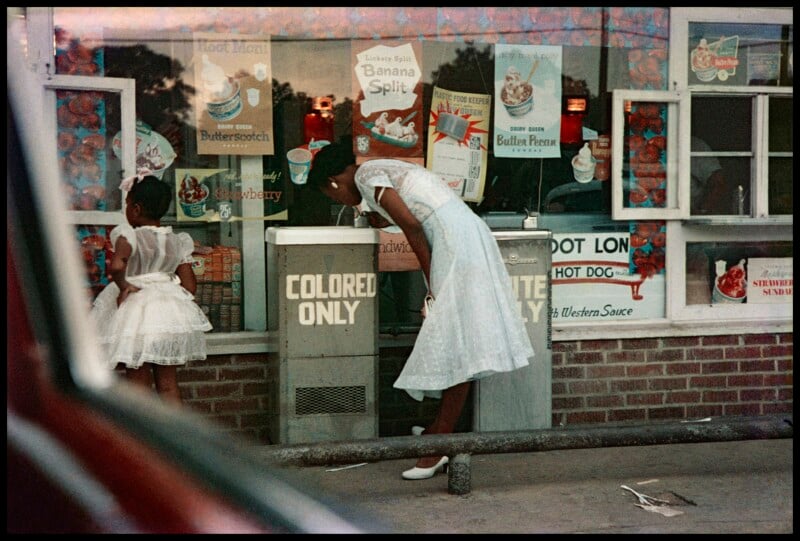
Other images pivot toward collective milestones in American history. Photographs recording cultural shifts, political milestones, and everyday moments of leisure reflect the world as it evolved over the latter half of the 20th century and into the 21st. By integrating these visual artifacts, the exhibition invites viewers to imagine Emmett Till navigating adulthood through the turbulent 1960s, the cultural shifts of the 1970s and 1980s, the technological transformations of the turn of the century, and into the contemporary era. The juxtaposition of historical gravity with ordinary domesticity emphasizes that Till’s greatest deprivation was not only life itself, but the mundane, beautiful right to grow old.
Broader Implications and Legacy
The presentation of If Emmett Till Lived: Freedom on American Ground arrives at a critical juncture in American cultural and political life, as educational institutions, museums, and legislative bodies continue to grapple with how racial history is taught, commemorated, and remembered. Recent years have seen intense public debates regarding legislation addressing racial injustice, systemic discrimination, and the teaching of civil rights history in public schools.

By framing history through the lens of speculation and counterfactual art, the exhibition shifts the paradigm from passive remembrance to active empathy. It challenges visitors to consider the cumulative loss borne by American society when systemic violence cuts short the potential of its citizens. The exhibition also underscores the enduring power of photography as a medium of witness, historical accounting, and imaginative restitution.
As visitors traverse the galleries of the Museum of Contemporary Photography through December 19, 2026, they are confronted with a dual reality: the historical documentation of a nation scarred by racial violence, and a visionary landscape of what might have been. In doing so, If Emmett Till Lived transcends traditional museum programming, establishing a vital cultural monument to a life cut short and a future that belongs rightfully to all generations of American youth.