Massive Rockstar Games Data Leak Exposes Cancelled GTA 5 DLC, Source Code, and Early GTA 6 Map Artifacts

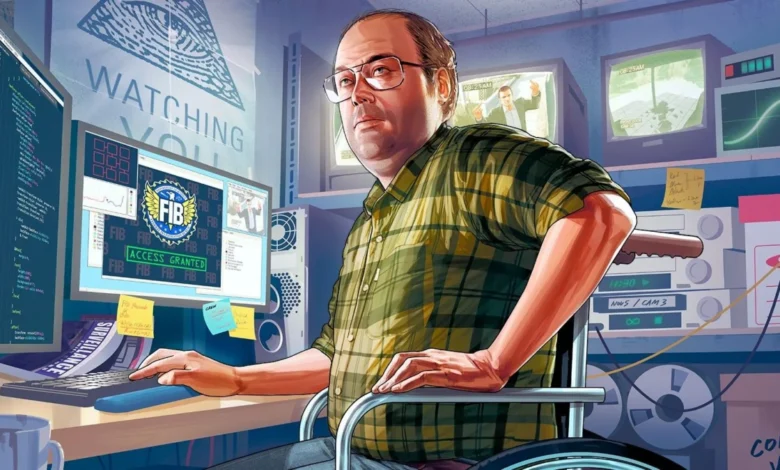
A sprawling new trove of proprietary data originating from Rockstar Games has surfaced online, delivering an unprecedented look into the development pipelines behind some of the entertainment industry’s most lucrative and secretive titles. According to multiple reports, the newly leaked archive contains the complete source code for Grand Theft Auto 5, remnants of ambitious, single-player downloadable content (DLC) that were ultimately scrapped, and early development builds of the map for the heavily anticipated Grand Theft Auto 6.
While the exact vector and mechanism behind this latest wave of dissemination remain shrouded in uncertainty, industry analysts and cybersecurity experts largely attribute the files to the fallout of the infamous September 2022 security breach. During that incident, an unauthorized user known as Lapsus$ leaked early footage and development materials for GTA 6, sending shockwaves through the global video game industry and prompting heightened security protocols across major publishing houses. The resurgence of these files demonstrates the enduring vulnerability of proprietary assets once they escape secure enterprise environments, raising fresh questions regarding digital custody and internal data redundancy policies at major gaming studios.
The Unraveling of the Liberty City Expansion
Among the most captivating discoveries within the leaked data are deep-dive artifacts pointing toward a canceled, city-scale single-player expansion for Grand Theft Auto 5. For years, rumors persisted within the fan community that Rockstar intended to bring its iconic rendition of Liberty City back into the high-definition era via the engine powering GTA 5. These rumors gained unofficial traction when former Rockstar artists occasionally shared portfolio pieces depicting Liberty City assets rendered in the Rage engine.
The new data leak transforms these rumors into tangible technical history. Content creators and data miners, notably prominent GTA researcher TJGM, have meticulously combed through the leaked files to reconstruct the contours of the aborted project. While playable demonstrations circulating online rely on modified user environments rather than native execution of the raw files, the underlying data reveals striking architectural ambitions.
Analysis of audio-loading zone configurations within the leaked files indicates that this iteration of Liberty City was designed to be significantly larger and structurally distinct from its predecessor featured in Grand Theft Auto 4. The multi-island metropolis was planned with intricate coastal ambient sound boundaries, suggesting that developers intended to incorporate complex maritime environments and expanded verticality. Had this expansion materialized, it would have bridged the gap between the gritty East Coast atmosphere of GTA 4 and the sprawling West Coast satire of GTA 5, potentially altering the post-launch trajectory of the game entirely before Rockstar pivoted its primary focus toward the astronomical financial success of Grand Theft Auto Online.
Inside Agent Trevor and Experimental Mechanics
Beyond the geographical expansion plans, the leaked directory structures shed light on narrative experiments and secondary gameplay systems that never saw the light of day. Dataminer affmal, who has extensively cataloged the leaked files on social media platforms, highlighted remarkably intact assets and mission lists under the project identifier Agent Trevor.
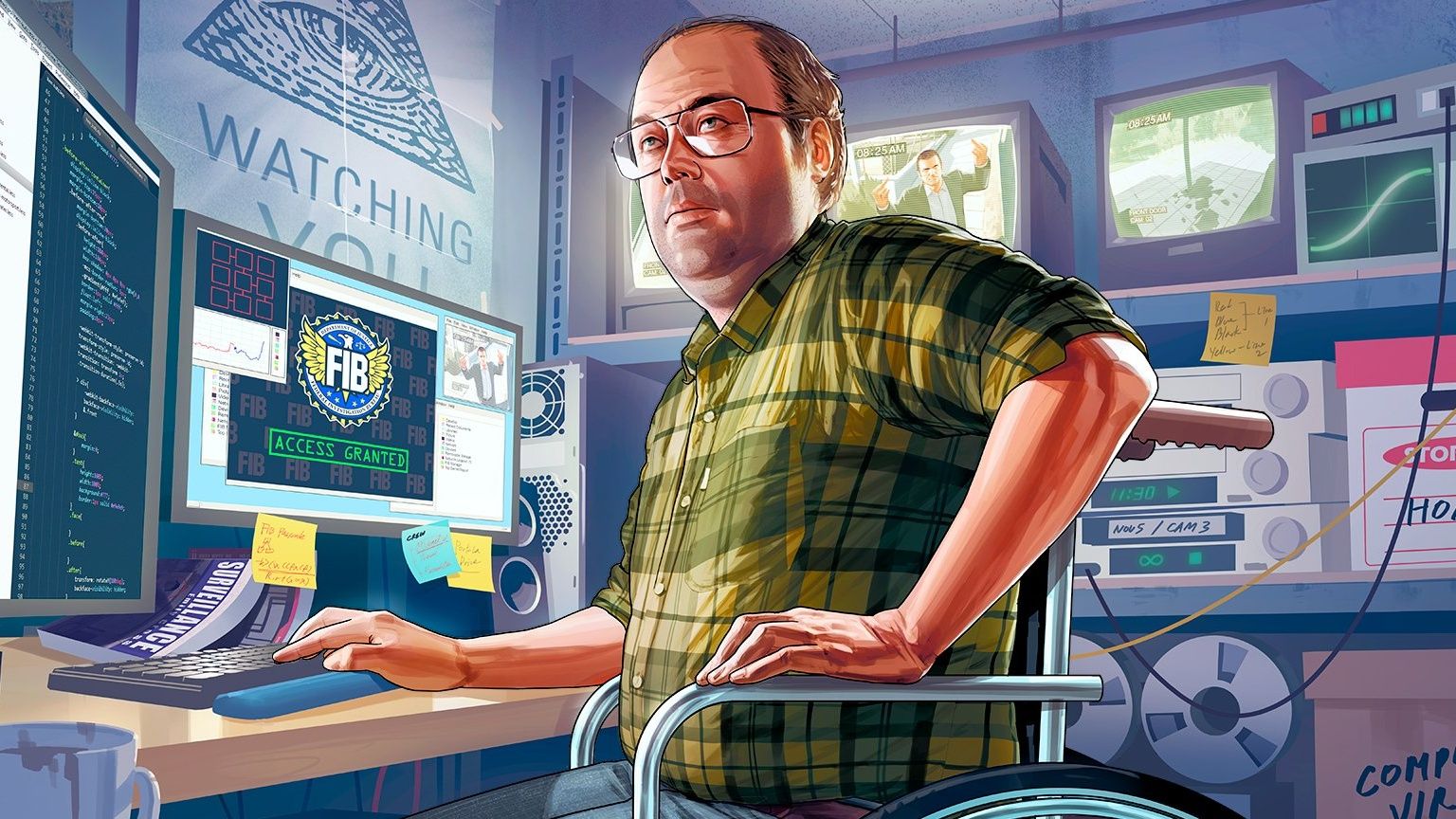
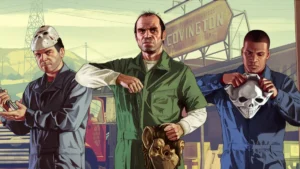
These files suggest that Rockstar had mapped out a substantial episodic or narrative campaign branching off from Trevor Philips, one of the three core protagonists of GTA 5. The discovered mission lists outline intricate narrative beats that expand upon the criminal underworld of Blaine County and San Andreas. Furthermore, the inclusion of sophisticated structural mechanics—such as an underwater base map reminiscent of tactical infiltration design found in immersive sims like Deus Ex—indicates that Rockstar’s development teams were actively testing unconventional level design and non-linear mission structures within the confines of the open-world engine.
The Genesis of Vice City: Early GTA 6 Map Artifacts
Perhaps the most commercially sensitive aspect of the recent data leak involves the presence of early blueprint files related to Grand Theft Auto 6. Researchers examining the archive successfully loaded a primitive, unpolished iteration of the upcoming game’s map framework into the GTA 5 engine environment.
According to timestamps and structural metadata highlighted by community investigators, this early geographical prototype dates back to approximately 2015—the foundational era of conceptual design for the next-generation title. Embedded within this rudimentary topography are placeholder geographic markers and development tags explicitly identifying zones such as an "Alligator Farm," Coast Guard installations, and a "Disused Theme Park."
When placed side-by-side with topographical data and visual cues extrapolated from official promotional trailers released by Rockstar in subsequent years, this 2015 prototype offers a fascinating window into the iterative design process of Vice City and its surrounding state of Leonida. While the raw assets are remarkably barren, lacking the dense vegetation, dynamic lighting, and architectural fidelity defining modern AAA production, they confirm that the core spatial vision for the modern incarnation of Vice City was established nearly a decade before the title’s commercial debut.
Chronology of the Security Breach and Leaks
To understand the gravity of the current data dissemination, it is necessary to examine the timeline of security challenges faced by Rockstar Games and its parent company, Take-Two Interactive:
- September 2022: A network intrusion orchestrated by a hacker associated with the Lapsus$ syndicate compromises Rockstar’s internal Slack channels and Confluence pages. Early video footage and source code references for Grand Theft Auto 6 are leaked globally, forcing Take-Two to issue official statements confirming the breach and assuring shareholders that ongoing game development would not suffer long-term disruption.
- Late 2022 to 2023: Law enforcement agencies arrest key suspects linked to the Lapsus$ cyberattacks. Meanwhile, fragmented data sets begin circulating within closed-door hacker forums and underground development communities.
- December 2023: Rockstar releases the first official cinematic trailer for Grand Theft Auto 6 following an unexpected leak of the video hours prior to its scheduled premiere, underscoring the persistent threat of targeted information theft.
- Mid-2024 to Present: Comprehensive tranches of older proprietary data, including full source trees for GTA 5 and associated experimental assets, propagate across wider public channels, leading to widespread analysis by data miners, content creators, and technical historians.
Corporate Silence and Official Industry Response
As has been their historical policy regarding leaks, internal enterprise data thefts, and unannounced project cancellations, representatives for Rockstar Games and Take-Two Interactive have largely refrained from issuing detailed public statements addressing the specific contents of the latest data dump.
In previous regulatory filings and investor earnings calls, Take-Two executives have emphasized that while security breaches are regrettable and handled with the utmost seriousness by specialized cybersecurity task forces, they rarely inflict permanent damage on long-term product delivery schedules or intellectual property integrity. Nevertheless, the unauthorized exposure of proprietary source code presents distinct compliance and operational challenges, forcing engineering teams to audit internal codebases to ensure that legacy implementations do not introduce vulnerabilities into upcoming pipelines.
Broader Implications for Game Preservation and Development
The unauthorized publication of historical developer artifacts ignites a complex ethical and legal debate within the interactive entertainment sector. On one hand, copyright holders and publishers view the distribution of source code and internal design documents as severe intellectual property theft that threatens trade secrets and exposes development teams to unfair scrutiny over unfinished, unpolished work.
On the other hand, gaming historians and preservation advocates frequently view such leaks—despite their illicit origin—as invaluable archives of digital archaeology. The inner workings of how a multi-million-dollar AAA studio conceptualizes, iterates upon, and ultimately abandons massive creative undertakings provide unprecedented educational insight into modern software engineering and game design. The revelation that single-player expansions like the Liberty City project were developed to an advanced technical stage before being abandoned underscores the harsh economic realities of the modern games industry, where the immense profitability of live-service platforms often eclipses traditional single-player DLC models.
Looking Ahead: The Launch of GTA 6 and PC Platform Speculation
Against the backdrop of these historical revelations, the commercial countdown toward the release of Grand Theft Auto 6 continues to dominate industry discourse. Scheduled to launch on November 19, the title represents the single largest entertainment release of the decade, carrying immense financial expectations for Take-Two Interactive.
However, the initial launch strategy continues to provoke discussion among the PC gaming community. While console platforms will receive the title upon its initial debut, a definitive release date for the personal computer ecosystem has yet to be formally announced by Rockstar. This rollout mirrors historical precedents set by both Grand Theft Auto 5 and Red Dead Redemption 2, which prioritized console optimization before transitioning to PC platforms with enhanced graphical feature sets.
Addressing the growing importance of the hardware market during a recent corporate financial briefing, Take-Two CEO Strauss Zelnick acknowledged the shifting demographic landscape, noting that "the PC platform is becoming more and more important" to the company’s long-term commercial strategy. Despite these positive indicators regarding the platform’s viability, PC enthusiasts must continue to exercise patience, navigating both the official silence regarding a desktop release date and the unfolding technical autopsies of Rockstar’s past catalog as the industry races toward its next major milestone.
Related posts: