Meta Ray-Ban Display Smart Glasses One Year Later: A Milestone in Augmented Reality Hardware Stifled by an Emerging Ecosystem

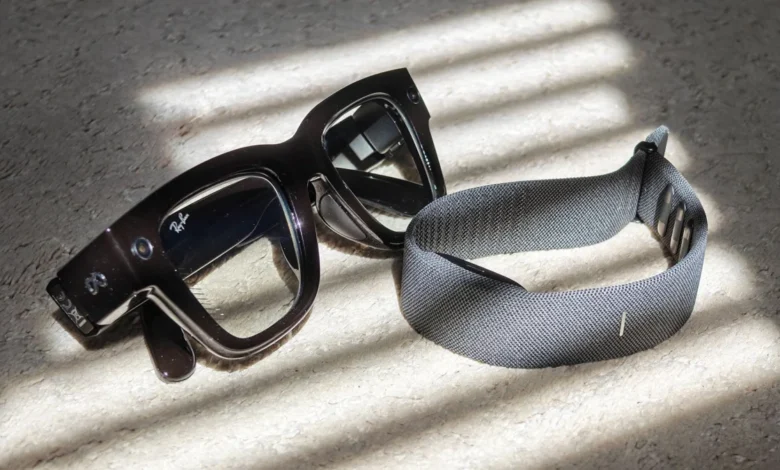
One year after their commercial debut, the Meta Ray-Ban Display smart glasses occupy a complex intersection of cutting-edge hardware engineering and the harsh realities of software ecosystem adoption. Retailing at $799, these wearable devices represent a substantial evolutionary step for the smart glasses industry, combining the classic aesthetics of thick-framed Ray-Ban eyewear with a sophisticated single-lens full-color display and a revolutionary neural gesture interface. However, a comprehensive twelve-month retrospective reveals that while Meta has successfully resolved early stability issues and expanded native app capabilities, the platform continues to grapple with a constrained developer base and limited utility for the average consumer, raising fundamental questions about the mainstream viability of monocular augmented reality in its current form.

Background Context and Chronological Evolution
The trajectory of the Meta Ray-Ban Display glasses traces back to the high-profile unveiling of Meta’s internal Orion prototype two years prior, a device that showcased the theoretical apex of lightweight augmented reality. While Orion proved too costly and complex for immediate mass production, it established a design philosophy centered on minimizing compromises in weight, visual fidelity, and social acceptance. Capitalizing on this R&D, Meta officially introduced the Ray-Ban Display at the annual Meta Connect conference in September of last year, positioning it as a bridge between the wildly popular camera-and-audio-only Ray-Ban Meta Gen 2 glasses and futuristic full-field-of-view AR headsets.
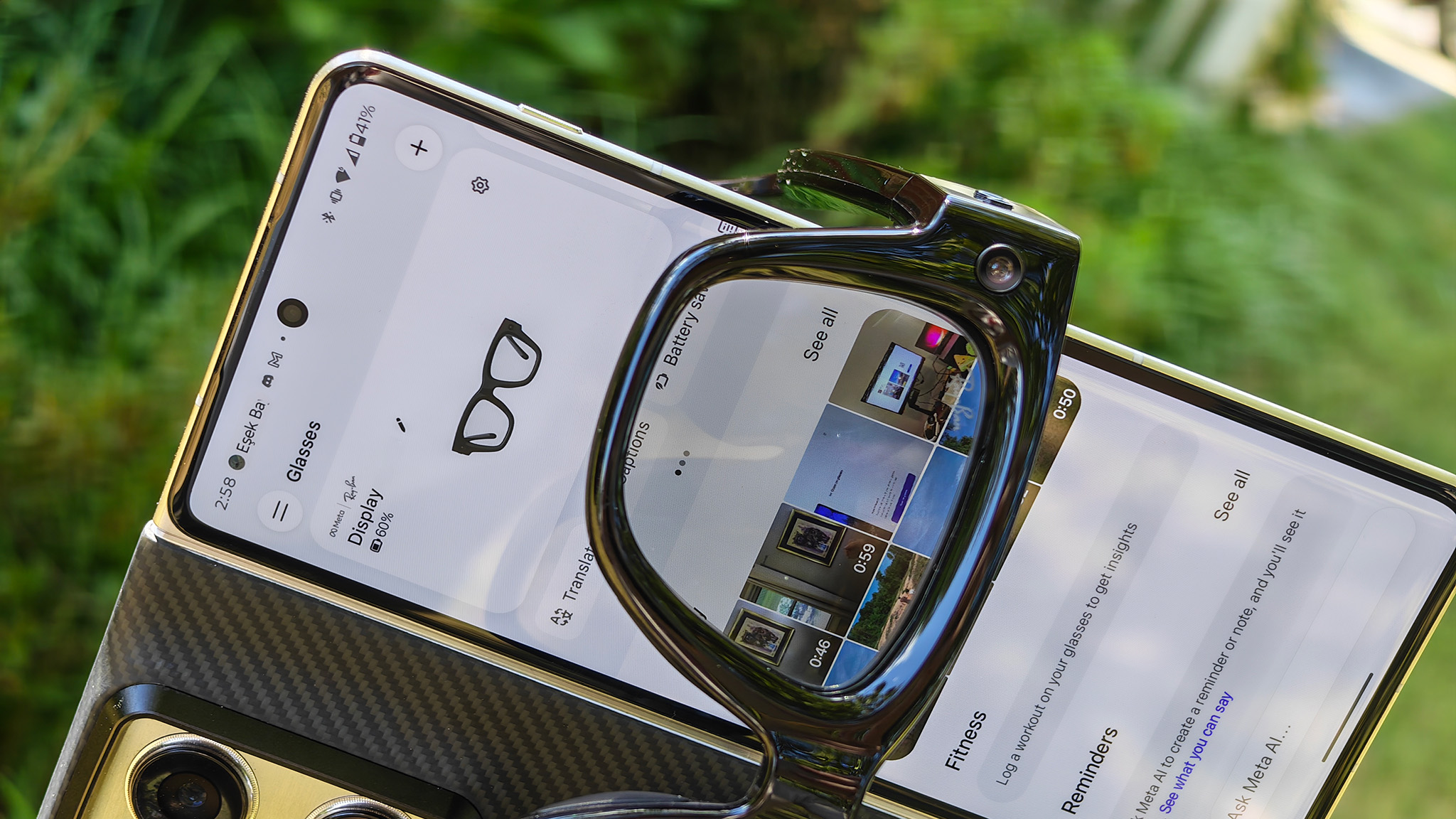
At launch, the product carried the distinct characteristics of a beta-stage release. Early adopters encountered a device that lacked several key capabilities advertised on stage, most notably the handwriting recognition system highlighted by Meta CEO Mark Zuckerberg. Over the subsequent twelve months, Meta deployed a rigorous schedule of firmware updates and software patches. By the one-year mark, the hardware had integrated all initially promised functionalities alongside unannounced additions, such as a beta-tier application loading interface accessible via the Meta AI companion smartphone app and the specialized Meta Glasses Apps web portal.
Hardware Architecture and Technological Innovations
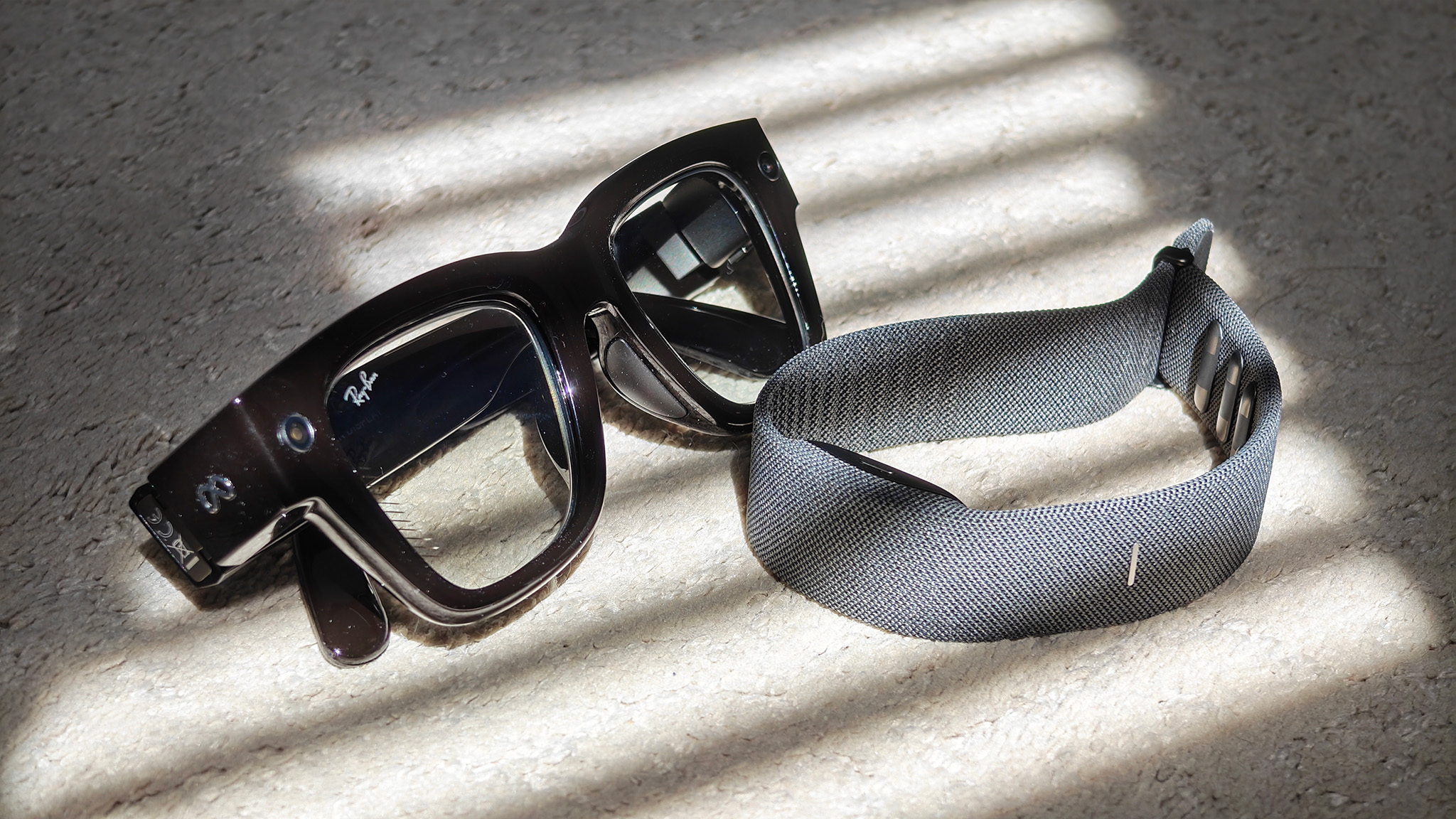
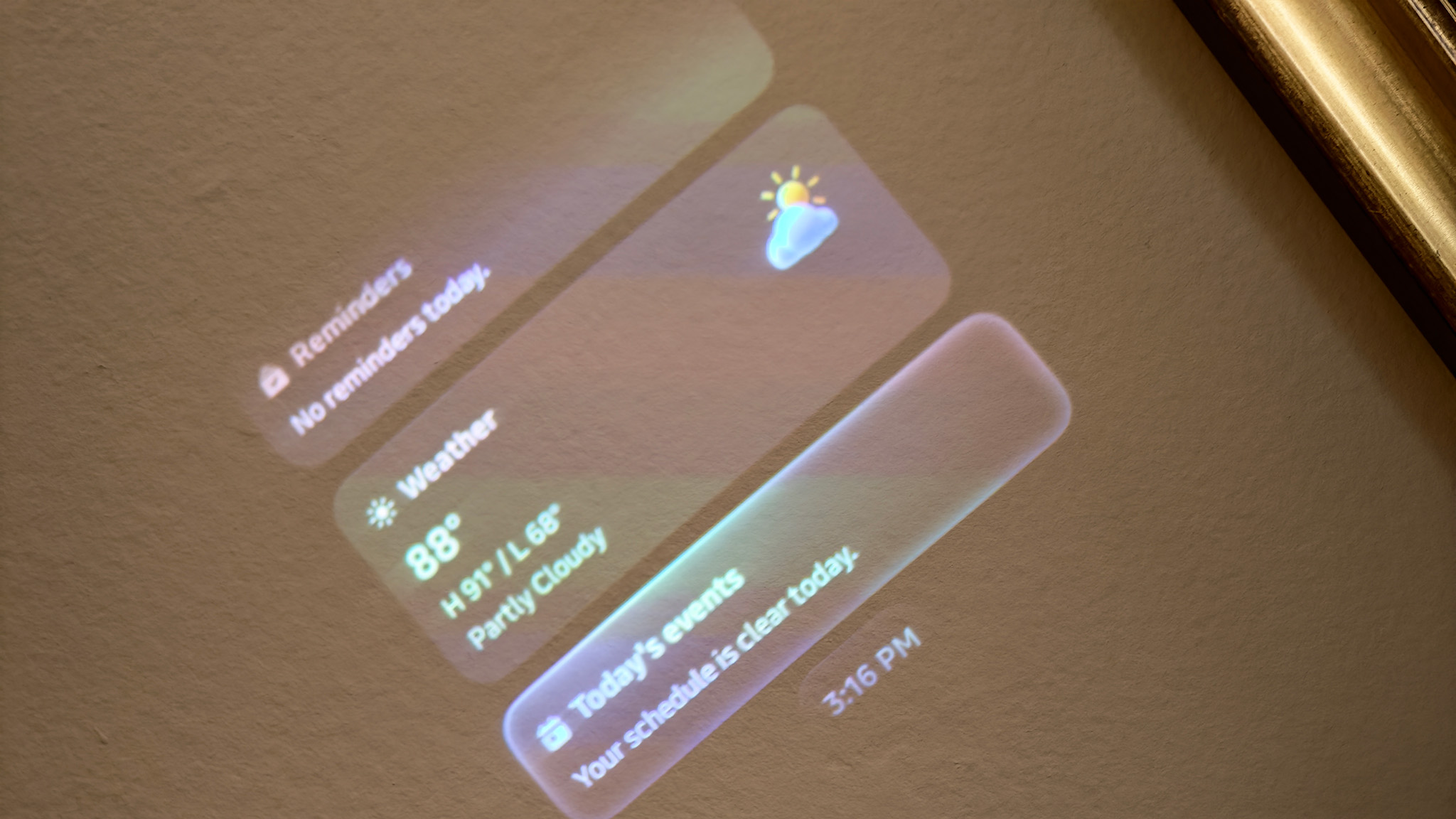
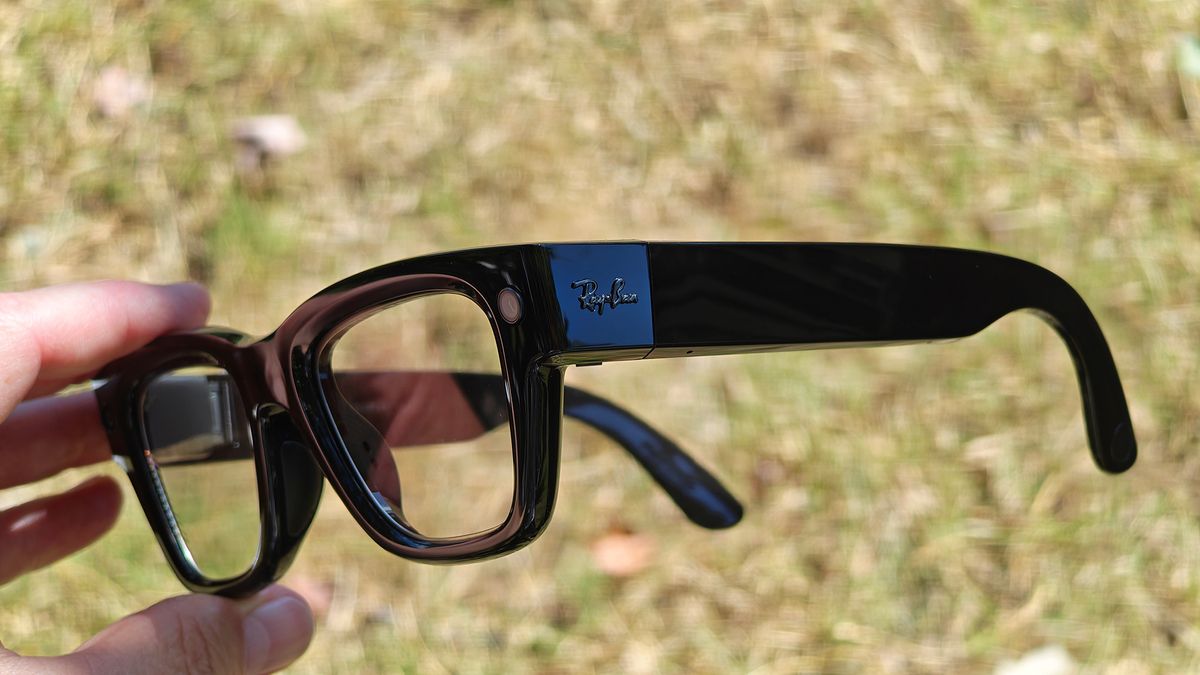
From an engineering perspective, the Meta Ray-Ban Display glasses remain a marvel of miniaturization. Unlike competing monocular or binocular smart glasses—such as the Even Realities G2 or the MemoMind One—which frequently suffer from optical warping, chromatic aberration, or external light bleed, Meta’s implementation utilizes advanced waveguide technology manufactured by Lumus. This specialized full-color optical stack is meticulously calibrated for privacy and visual clarity. Independent optical assessments confirm that bystanders cannot view the contents of the wearer’s display, even from close proximity, addressing a major social privacy concern that has historically plagued head-mounted displays.
To preserve battery life and maintain a lightweight profile suitable for all-day wear, the display is integrated exclusively into the right lens. While this monocular approach successfully reduces structural bulk, user testing demonstrates that it can induce visual fatigue during extended reading sessions or media consumption. Despite these ergonomic hurdles, the display panels boast exceptional luminance, remaining legible under direct sunlight.
The hardware ecosystem extends beyond the frames themselves via the inclusion of the Neural Band—a fabric wrist strap that serves as the primary input mechanism for the device’s floating user interface. Utilizing electromyography (EMG) sensors, the band interprets subtle muscle movements and electrical impulses in the wrist. This allows users to navigate the device’s interface, respond to messages via virtual handwriting, or adjust system settings with micro-gestures while keeping their hands resting comfortably in their laps or pockets. Haptic feedback reinforces each interaction, establishing a tactile reference point that mimics a physical touchscreen.
Ecosystem Limitations and Developer Challenges
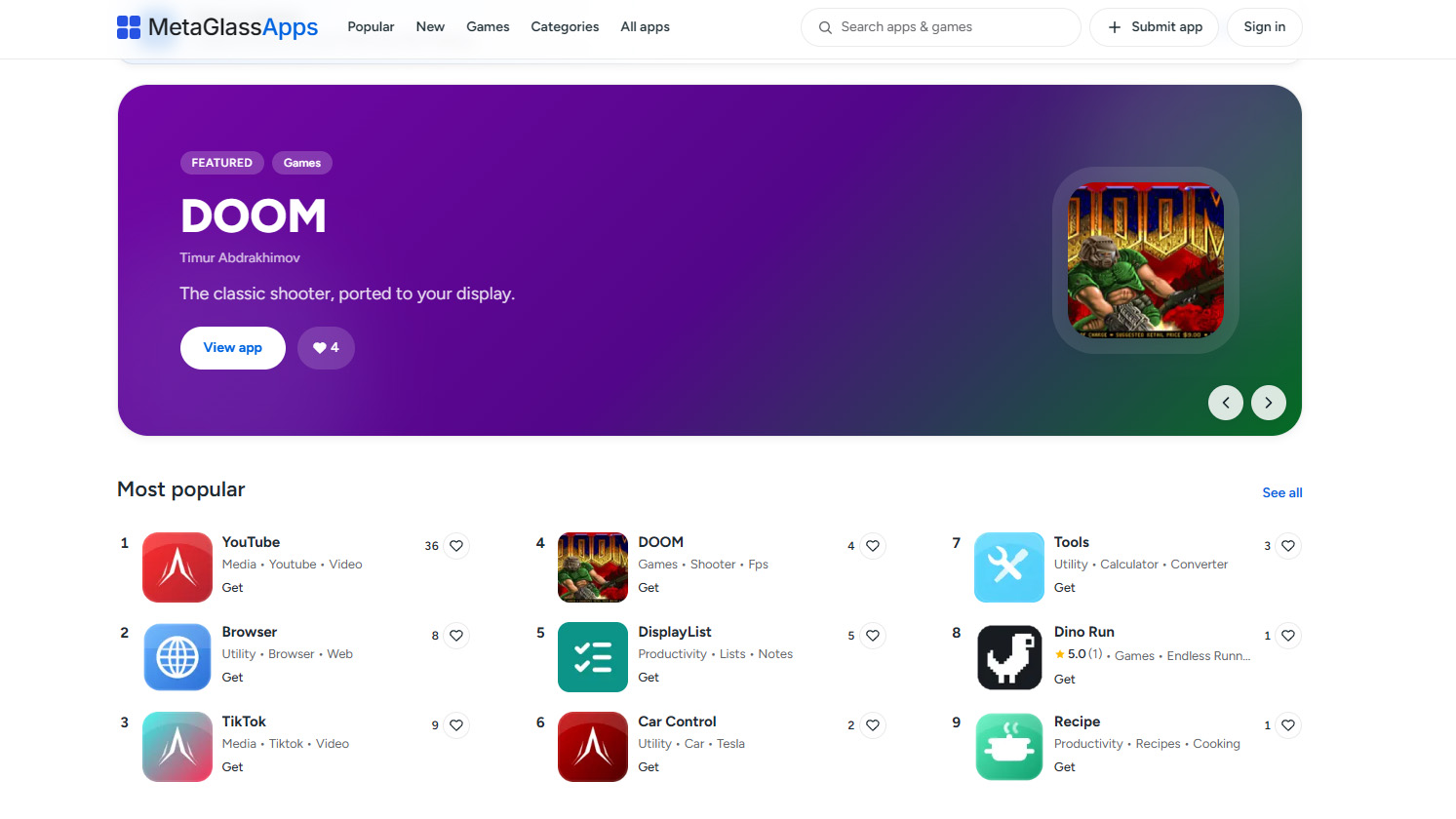
Despite the robust foundation laid by Meta’s hardware engineering teams, the platform’s primary bottleneck lies in software and third-party developer adoption. One year after market introduction, the official application library features a modest total of approximately 26 native applications.
This scarcity highlights a persistent strategic challenge for Meta. Industry analysts note that the company has faced historical difficulties convincing software developers to build native 2D and spatial applications for its ecosystem, a friction point previously observed during the rollout of the Meta Quest hardware lineups and its competition with platforms like the Apple Vision Pro. While the glasses successfully integrate with mainstream health and fitness ecosystems such as Garmin and Strava, alongside Meta’s own social infrastructure including WhatsApp and Instagram, the lack of a diverse, third-party application marketplace severely restricts the device’s functional ceiling.
Furthermore, dependencies on smartphone pairing remain a operational constraint. Advanced app functionality relies entirely on a continuous Bluetooth connection with a host mobile device, managed through a specialized developer UI panel within the Meta AI mobile application.
Market Implications and Industry Outlook
Priced at $799—roughly double the cost of non-display smart glasses like the Ray-Ban Meta Gen 2—the Display variant occupies a specialized niche. Industry observers emphasize that while the device serves as an exceptional technical showcase and an invaluable blueprint for lighter, more efficient future iterations, it does not yet justify the financial premium for everyday consumers.
The requirement to manage an additional charging ecosystem for the Neural Band—which utilizes a proprietary charging puck prone to misplacement—further introduces friction to the user experience. If a user misplaces the specialized cable, the reliance on gesture-based navigation renders the device largely unusable until a replacement is sourced.
Ultimately, the Meta Ray-Ban Display glasses stand as an important transitional milestone. They validate the feasibility of integrating complex waveguide optics and electromyographic neural controls into standard fashion eyewear frames. However, until the ecosystem matures and attracts a broader developer community capable of producing compelling daily-use applications, these smart glasses will likely remain an enthusiast-grade technology preview rather than an indispensable mass-market utility.