Apple’s iPhone 18 Pro Series Debuts Worldwide Alongside Expanded Ecosystem Offerings While Foldable Competition Heats Up

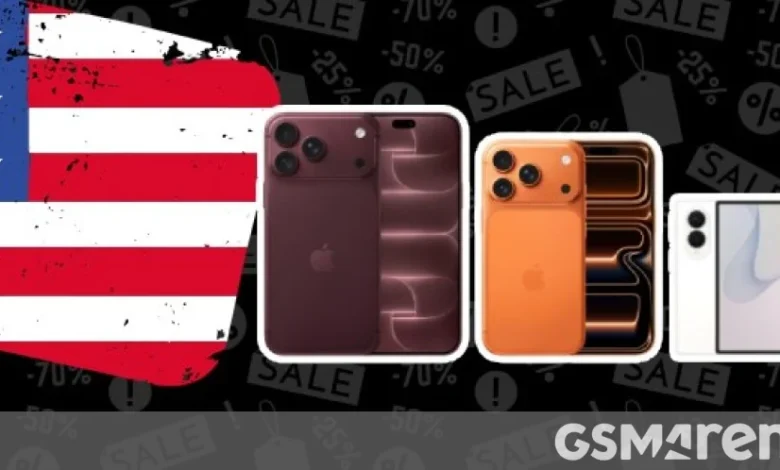
The global technology market entered a new hardware cycle this week as Apple’s highly anticipated iPhone 18 Pro and iPhone 18 Pro Max officially went on sale across the United States and 64 international markets during the initial global rollout wave. Consumers eyeing Apple’s forthcoming foldable device, however, will face an extended wait, with the anticipated iPhone Duo slated to arrive in late October. Alongside the flagship Pro handsets, Apple also introduced several key ecosystem additions to retail shelves, including the AirPods 5, Apple Watch Series 12, and Apple Watch Ultra 4, creating a comprehensive hardware refresh for the autumn shopping season.
Pricing Shifts and Market Dynamics for the iPhone 18 Pro Generation
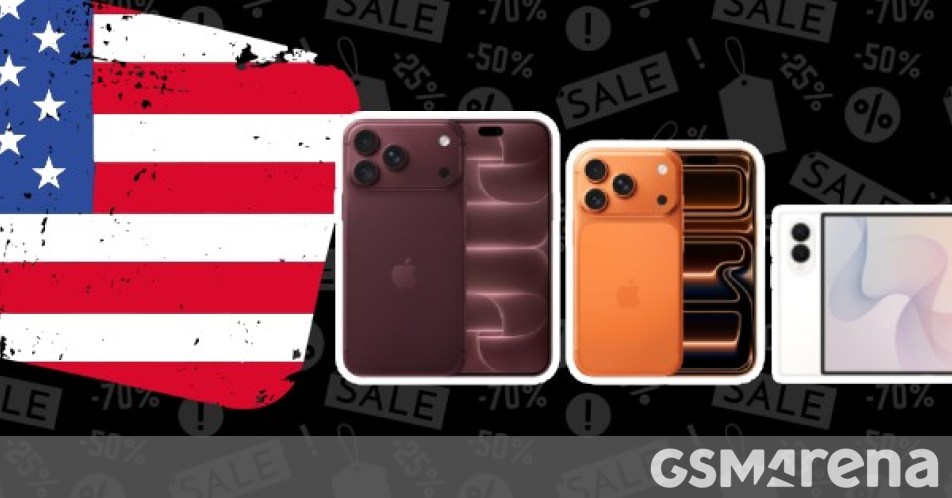
The arrival of the iPhone 18 Pro and Pro Max brings a concrete price adjustment for consumers, with both flagship models commanding a $100 price increase compared to their predecessors, the iPhone 17 Pro and 17 Pro Max. This departure from previous pricing strategies follows a broader trend initiated by the company earlier in the product lifecycle, which saw several recent generations receive price bumps rather than standard post-launch discounts.
Traditionally, Apple’s September product cycles involved dropping previous-generation Pro models while discounting legacy standard models by $100. In the current market environment, however, direct acquisition of brand-new, previous-generation Pro devices through official retail channels is largely unavailable. This shift has placed increased emphasis on the secondary market and certified refurbished inventories, where consumers seek alternatives to mitigate the rising costs of flagship technology.

Retailers and third-party vendors offering certified refurbished stock—such as Amazon’s Renewed Premium tier and major big-box outlets—have become critical checkpoints for buyers navigating these price adjustments. Refurbished units of the previous year’s iPhone 17 Pro, originally launched with a base price of $1,100 for a 256GB configuration, are now trading at sub-$1,000 price points. These units typically feature rigorous quality assurances, including guaranteed battery health above 90%, absence of visible cosmetic damage from a standard viewing distance, and inclusion of essential charging accessories.
Conversely, market anomalies have surfaced in the refurbished sector for larger-format devices. Refurbished iPhone 17 Pro Max units maintain a resale valuation roughly equivalent to their original $1,200 retail baseline, underscoring the enduring residual value of Apple’s premium phablet tier. This pricing resilience reflects persistent consumer demand for large-screen iOS devices, even as newer models introduce faster charging capabilities—such as the iPhone 18 Pro Max’s ability to reach a 50% charge in 15 minutes compared to the 20-minute threshold of the previous generation.

Ecosystem Expansion: Wearables and Audio Additions
Beyond the smartphone lineup, Apple’s retail presence expanded with the simultaneous release of its latest wearable technology and audio peripherals. The Apple Watch Series 12 and the rugged Apple Watch Ultra 4 arrived in stores alongside the AirPods 5, marking a coordinated update across the company’s personal tech portfolio.
Industry analysts note that simultaneous hardware launches across categories help maximize retail foot traffic and capture consumer upgrades within the broader Apple ecosystem. The introduction of the AirPods 5 brings incremental audio and connectivity refinements, while the Apple Watch Series 12 and Ultra 4 focus on advanced biometric tracking and refined display integrations. These devices serve to anchor consumers within Apple’s proprietary hardware loop, offsetting the financial friction introduced by higher entry costs for the primary iPhone lineup.

Competitive Landscape: Samsung Foldables Adjust to Apple’s Upcoming Entry
While Apple establishes its footprint with the iPhone 18 Pro series, the competitive landscape in the mobile sector is being heavily shaped by developments in the foldable device category. With the Apple Duo—Apple’s anticipated entry into the foldable market—still weeks away from its late October release, incumbent manufacturers are actively defending their market share through aggressive promotional pricing and hardware refinements.
Samsung, a primary competitor in the North American foldable market, has introduced significant retail discounts on its 2026 foldable portfolio, which debuted earlier in August. The Samsung Galaxy Z Fold8 has emerged as a direct rival to the upcoming iPhone Duo, presenting a distinct engineering philosophy centered on portability and ergonomics.

Weighing 201 grams with a thickness of 9.7 millimetres, the Galaxy Z Fold8 is notably lighter and slimmer than preliminary specifications estimated for the Apple Duo, which measures 11.3 millimetres in thickness and weighs 254 grams. Despite the physical differences, both devices offer comparable internal screen dimensions. The Z Fold8 features a 5.5-inch 4:3 cover display, powered by the Snapdragon 8 Elite Gen 5 for Galaxy platform, and incorporates a 50-megapixel main camera sensor paired with an ultra-wide lens and dual punch-hole selfie cameras.
In contrast, Apple’s approach with the Duo incorporates an under-display camera for the internal module, maintaining an uninterrupted internal viewing area. However, a key differentiator remains stylus compatibility; while the Apple Duo supports stylus input, the Galaxy Z Fold8 omits native stylus integration, sparking industry debate over user preference for productivity-focused foldable designs.

For users seeking larger screen real estate without an excessive physical footprint, the Samsung Galaxy Z Fold8 Ultra offers an 8-inch squarish internal display with approximately 17% more surface area than standard foldables, while maintaining a weight of 215 grams—39 grams lighter than the anticipated Apple foldable. The Ultra variant also addresses usability criticisms of wider foldables by utilizing a tall, narrow 6.5-inch 21:9 cover display, measuring just 72.8 millimetres in width when closed compared to the wider 84.1 millimetres of competing models. Imaging capabilities on the Ultra are anchored by a 200-megapixel primary sensor, a dedicated 10-megapixel telephoto lens with 3x optical zoom, and a 50-megapixel ultra-wide option.
In the compact foldable segment, the Galaxy Z Flip8 targets users prioritizing pocketability. Folding down to dimensions of 85.7 by 75.4 by 13.1 millimetres and weighing 180 grams, the device houses a 4.1-inch external cover display alongside a 6.9-inch 21:9 internal screen. Its camera system consists of a 50-megapixel main sensor, a 12-megapixel ultra-wide, and a 10-megapixel front-facing shooter.
Market Implications and Analyst Outlook
The concurrent rollout of Apple’s iPhone 18 Pro series and Samsung’s aggressive promotional discounting highlight a critical transitional phase for the mobile industry. As component costs—particularly advanced sub-3nm silicon and specialized hinge mechanisms for foldables—continue to pressure profit margins, manufacturers are passing increased expenses onto consumers.
The strategy of elevating retail prices for standard and pro-tier flagships while leaning on certified refurbished markets to capture price-sensitive buyers represents a evolving response to lengthening consumer upgrade cycles. Meanwhile, the impending arrival of the Apple Duo in October will test consumer appetite for iOS-based foldable technology against established Android alternatives. How the market responds to these divergent hardware philosophies and pricing models will likely dictate manufacturing and retail strategies well into the subsequent fiscal year.