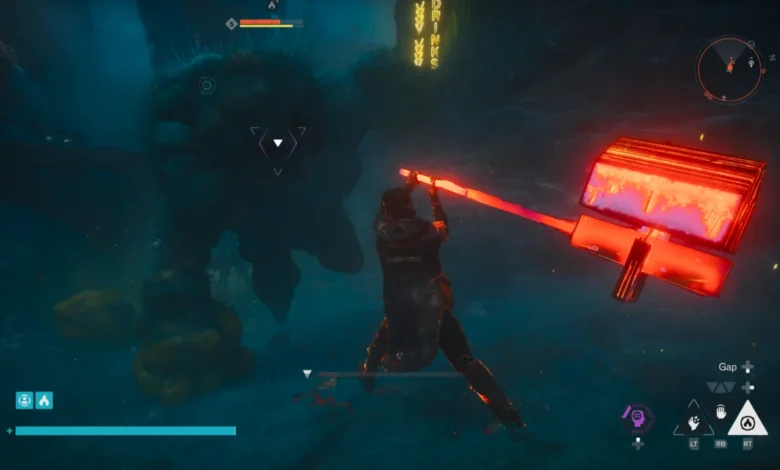
Released on September 24, 2026, across PlayStation 5, Xbox Series X|S, and PC platforms, Control Resonant marks a major structural and narrative departure for the critically acclaimed paranormal action franchise. Developed by Remedy Entertainment and reviewed here on the Xbox Series X, the sequel successfully trades the claustrophobic, brutalist confines of the original game’s Oldest House for an expansive, otherworldly Manhattan. By shifting the perspective to a new protagonist, transforming the core combat mechanics into a melee-focused experience, and adopting an open-world design philosophy, Remedy has taken a high-risk approach to franchise evolution that largely pays off, despite a few pacing and combat friction points.
Background and Context: A Franchise Shift
The original 2019 title, Control, established a distinct paranormal universe rooted in bureaucratic weirdness, Lovecraftian horror, and brutalist architecture. Players assumed the role of Jesse Faden as she navigated the Federal Bureau of Control (FBC) headquarters, utilizing a service weapon that doubled as a multi-form sidearm alongside telekinetic abilities.

With Control Resonant, Remedy has intentionally inverted several core pillars of the original design. Rather than refining the third-person shooter mechanics of the predecessor, the studio pivoted toward close-quarters combat, structural open-world exploration, and a narrative centered on Jesse’s brother, Dylan Faden. Having been largely freed from the malevolent influence of the Hiss entity toward the conclusion of the previous game, Dylan now steps into the lead role. His primary objective is to track down Jesse, who has vanished deep within a surreal, distorted vision of Manhattan affected by paranormal anomalies.
Narrative Depth and Character Dynamics
One of the most notable improvements in Control Resonant is its narrative execution. The sibling bond between Dylan and Jesse acts as an emotional anchor for the entire campaign. Main mission arcs delve into their childhood, providing context that makes the overarching mystery significantly easier to follow and more emotionally resonant than the cerebral storytelling of the first game.
The supporting cast is deliberately kept small to maintain focus on Dylan’s psychological state and character growth. Zoe De Vera is assigned as Dylan’s handler, initiating a relationship that begins with professional hostility—viewing him strictly as an asset to combat the Hiss—before evolving into a more nuanced connection where she inquires about his personal life and preferences. Meanwhile, the return of Emily Pope provides a vital bridge to the events of the first game. As someone who previously aided Jesse, Emily serves as a confidante for Dylan, offering continuous reassurance and hope regarding his sister’s whereabouts.
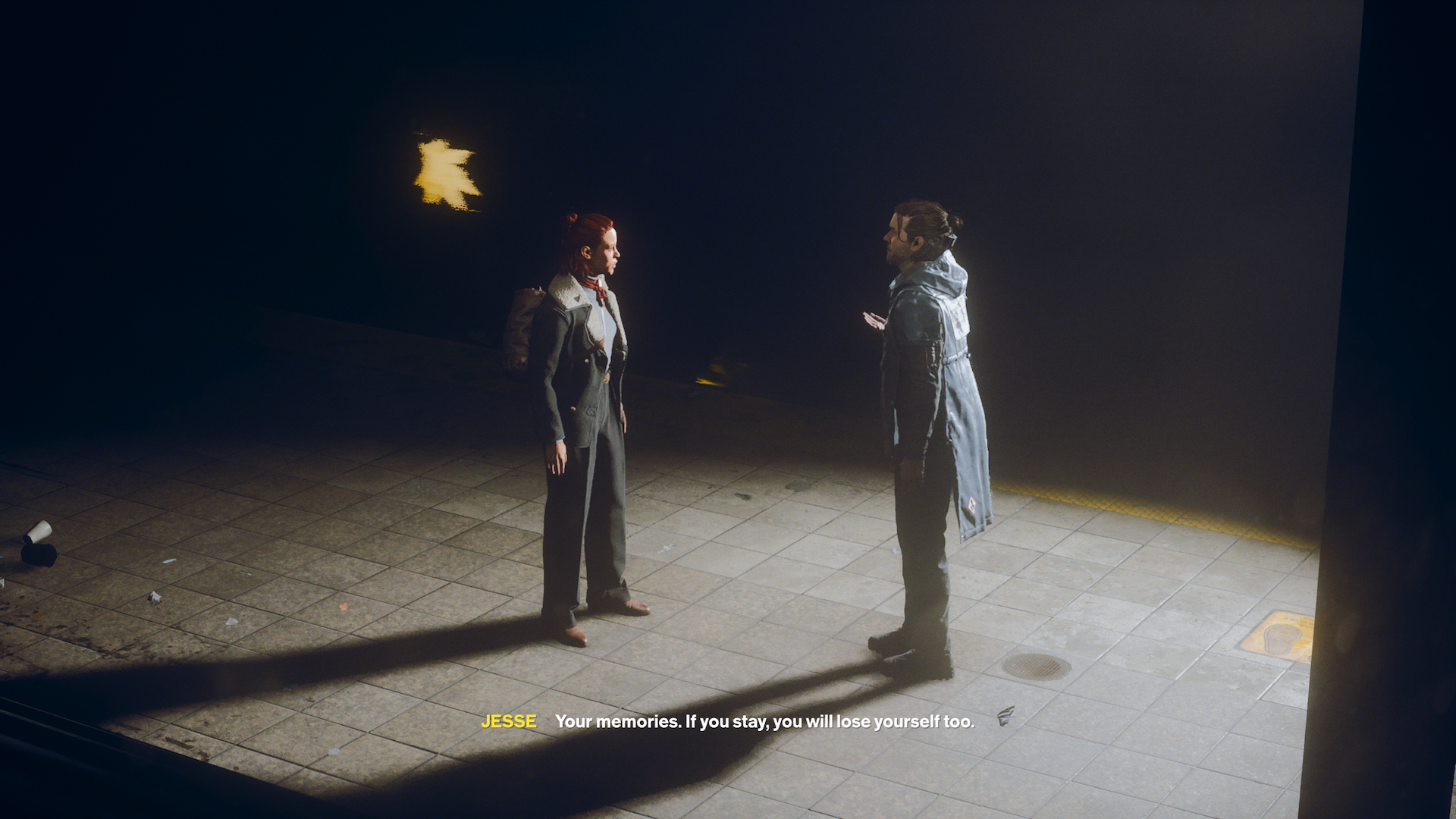
Remedy continues to flex its affinity for sci-fi and occult tropes. A standout main quest involves investigating a missing crew using mechanics centered around time dilation and alternate timelines, showcasing the studio’s capability to craft narratively absorbing scenarios.
Open-World Exploration and Traversal
Transitioning from a semi-confined, open-zone structure to a full open-world environment is a notorious pitfall for game developers, frequently resulting in map bloat. However, Resonant avoids many of these traps through strong art direction and fluid traversal systems.
The game’s depiction of Manhattan trades standard urban realism for kaleidoscopic and parallactic distortions. Throughout the campaign, players are tasked with locating "Faults"—locations containing residual echoes of Jesse. While these zones are light on combat, they provide essential exposition regarding the siblings’ background and reward the player with advanced movement capabilities.

Among these traversal upgrades are gravity-shifting mechanics that allow players to walk on walls as if they were floors, alongside a unique grappling system that resembles an invisible magnetic pull. Furthermore, the game incorporates optional exploration mechanics reminiscent of Elden Ring, allowing players to seek out challenging mini-bosses known as "Resonants" scattered across the city. Defeating these optional targets grants Dylan expanded offensive capabilities, providing a clear gameplay incentive to explore off the beaten path and organically bypass difficult story roadblocks by leveling up elsewhere.
Side Quests and World-Building
The open world is further fleshed out by side content that juxtaposes everyday mundanity against paranormal surrealism. One multi-part side quest tasks Dylan with helping a civilian return home from an alternate dimension by analyzing subtle discrepancies in taxicab models. Another quest involves locating a colleague’s invisible cat, which culminates in the feline actively assisting during a subsequent mini-boss encounter. These side missions humanize Dylan, allowing him to demonstrate altruism and work through guilt stemming from his actions in the first game, all while rewarding players with valuable experience points and crafting ingredients.
Combat Mechanics and Initial Friction
The most controversial design choice in Control Resonant is its shift from a third-person shooter to a melee-centric action game. The core loop relies on staggering enemies to trigger executions, which temporarily grants Dylan "Dominance"—a state that massively increases attack power and speed.
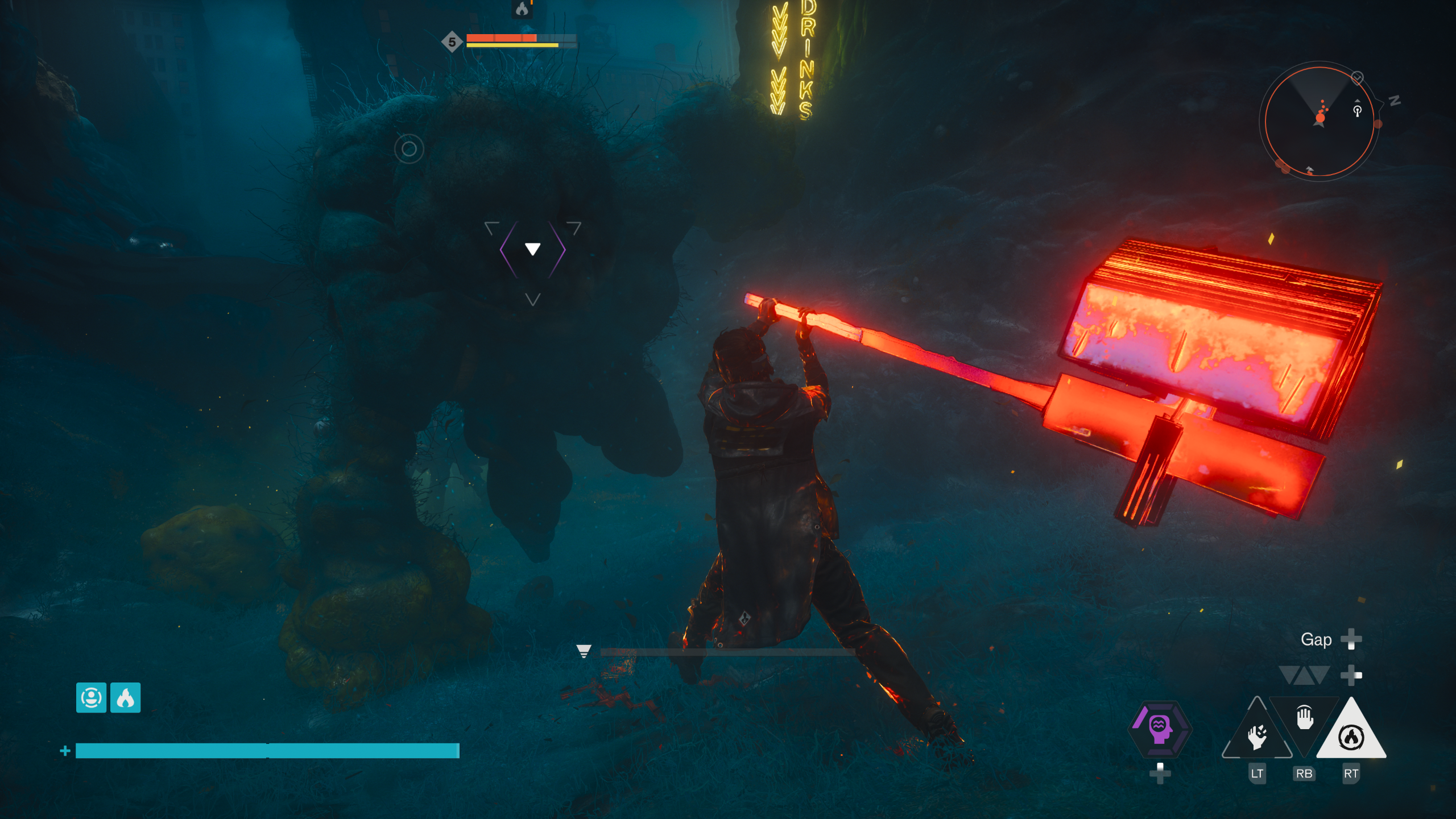
However, the combat encounters introduce noticeable friction during the early hours. Players wield a morphing weapon called the Aberrant, capable of shifting into various light and heavy configurations. Initial weapon choices can severely mismatch a player’s preferred playstyle, and the resource cost associated with resetting build points discourages early experimentation. Without the right upgrades, foes can feel overly spongy, making early-game skirmishes feel sluggish.
Combat flow improves significantly once players unlock elemental augmentations—such as the ability to cloak weapons in flame after defeating a major regional boss. This upgrade boosts both base damage and stagger output, making light and heavy weapon combinations far more viable and transforming encounters into frenetic, high-octane spectacles.
Accessibility and Player Options
Remedy has implemented a robust suite of accessibility features, ensuring the game is approachable for a wide audience. Alongside standard adjustments for text, subtitles, and colorblindness, Control Resonant features an extensive Assist mode. Players can freely modify gameplay parameters—such as Power meter recharge rates, damage output, and invincibility toggles—without disabling achievements or trophies.

Critical Reception and Implications
Review metrics for Control Resonant highlight its success as a bold sequel that successfully expands the lore of the franchise while modernizing its gameplay loop. By replacing the Bureau headquarters with an open-world Manhattan and trading gunplay for melee action, Remedy has demonstrated a willingness to take creative risks that few established franchises attempt.
While initial combat balancing and resource limitations for build resets present minor hurdles, the title’s atmospheric world-building, emotional narrative anchor, and rewarding traversal mechanics solidify its status as a standout action-adventure release of 2026. Whether this open-world framework becomes the permanent template for future installments in the Control universe remains to be seen, but Resonant proves that Remedy’s distinct brand of paranormal storytelling translates exceptionally well to a broader canvas.