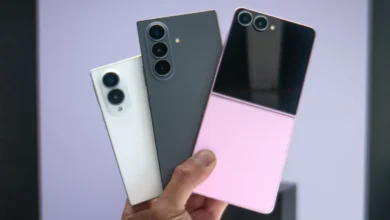
Foldable Showdown: Readers Reveal Their Preference Between the Apple iPhone Duo and the Samsung Galaxy Z Fold 8

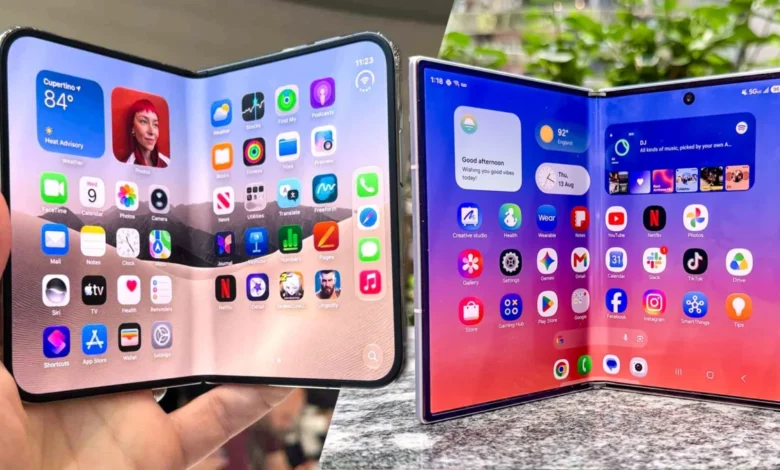
The landscape of the premium smartphone market has undergone a seismic shift with the introduction of Apple’s long-anticipated entry into the foldable category, the iPhone Duo. As manufacturers race to capture the high-end consumer segment, a recent reader survey conducted by Tom’s Guide has provided a compelling look at consumer sentiment, pitting the newcomer against the industry-standard-bearer, the Samsung Galaxy Z Fold 8. With 2,761 participants weighing in on which device they would prioritize for their next purchase, the results offer a clear window into how brand loyalty, technical maturity, and ecosystem considerations drive modern hardware adoption.
The survey results highlight a significant disparity in market preference. A commanding 62% of respondents, totaling 1,705 individuals, identified the Samsung Galaxy Z Fold 8 as their preferred device. In contrast, Apple’s debut foldable, the iPhone Duo, garnered 632 votes, representing 23% of the total pool. A remaining 15%, or 424 respondents, indicated that they were not interested in either device, suggesting that the current iteration of foldable technology—characterized by premium pricing and niche utility—may still face hurdles in achieving mass-market saturation.
A Chronology of the Foldable Evolution
To understand the weight of these results, one must look at the timeline of the foldable smartphone category. Samsung initiated the modern foldable era in 2019 with the launch of the original Galaxy Fold. Over the subsequent eight years, the company has refined the form factor, addressing mechanical concerns regarding hinge durability, internal screen crease visibility, and software optimization for large-format displays. By the time the Galaxy Z Fold 8 reached the market, it represented the culmination of nearly a decade of research, development, and iterative user feedback.
Apple, conversely, has maintained a notoriously conservative strategy regarding hardware form factors. While the industry moved toward flexible displays, Apple focused on optimizing the standard slab-style smartphone experience, refining the internal silicon, camera arrays, and iOS integration. The announcement of the iPhone Duo marked the end of years of speculation and supply-chain rumors. By entering the market in late 2024, Apple is attempting to leverage its massive, highly integrated ecosystem to convince existing users to bridge the gap into the foldable category. The device is slated for an official release on October 23, positioning it as a late-year flagship contender.
Comparative Technical Analysis and Pricing
The disparity in polling results can be attributed to several core factors, including price sensitivity and feature implementation. The pricing structure for both devices places them firmly in the "ultra-premium" category. The iPhone Duo enters the market with a base price of $1,999 for the 256GB storage configuration, with top-tier 2TB models exceeding the $3,000 threshold. Samsung’s Galaxy Z Fold 8, while also expensive, starts at $1,899. Although the $100 price difference may seem nominal in the context of a two-thousand-dollar purchase, it reflects the broader economic pressures consumers are facing, where every marginal increase in cost is scrutinized.
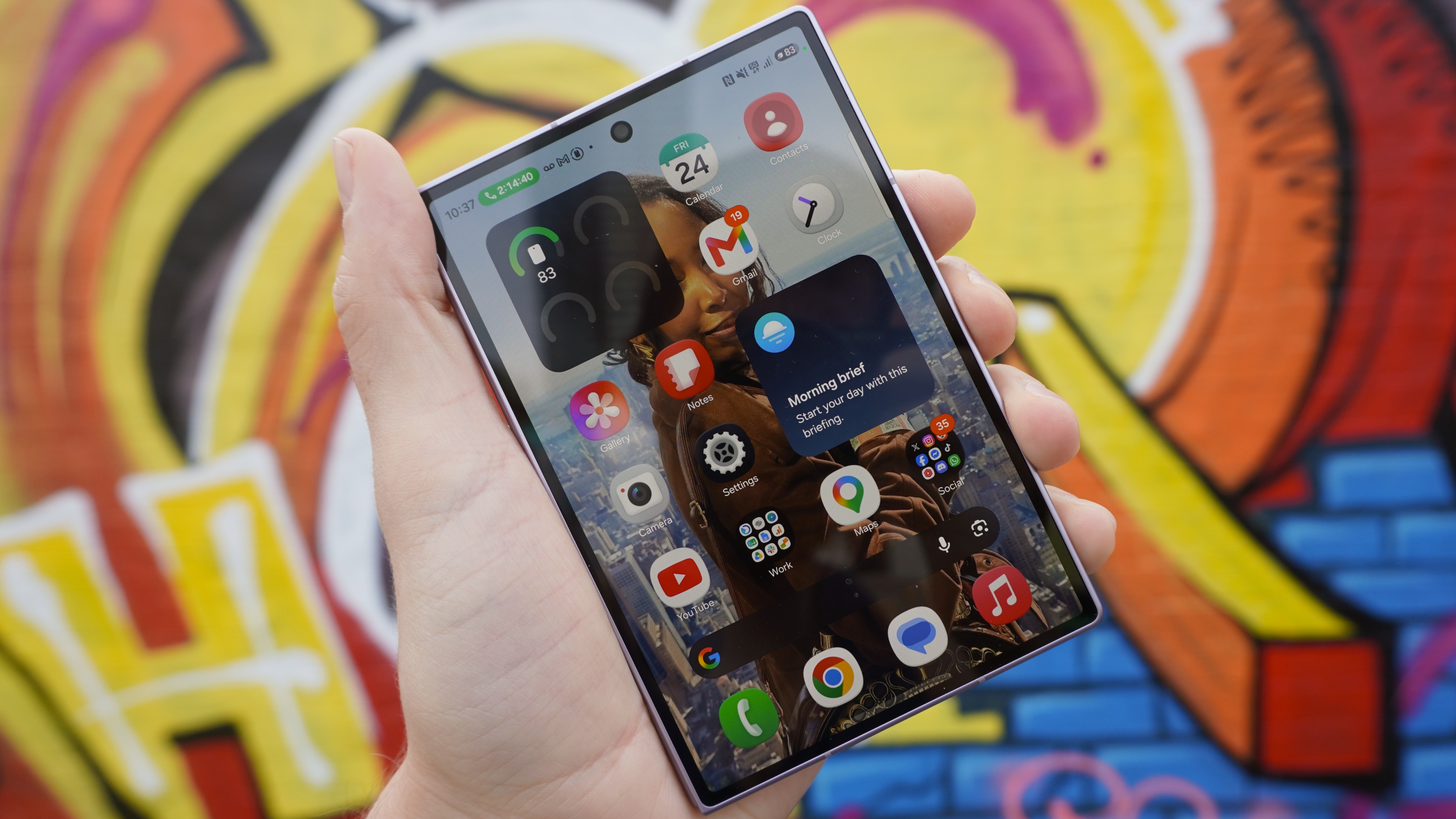
Beyond pricing, design philosophy serves as a primary differentiator. The Samsung Galaxy Z Fold 8 benefits from years of structural refinement, offering a thinner and lighter chassis that many users find more ergonomic for daily use. Furthermore, Samsung’s One UI software has been specifically optimized for the unique multi-window multitasking demands of a folding screen, allowing for the simultaneous operation of more than two applications—a feature that remains a cornerstone of its productivity appeal.
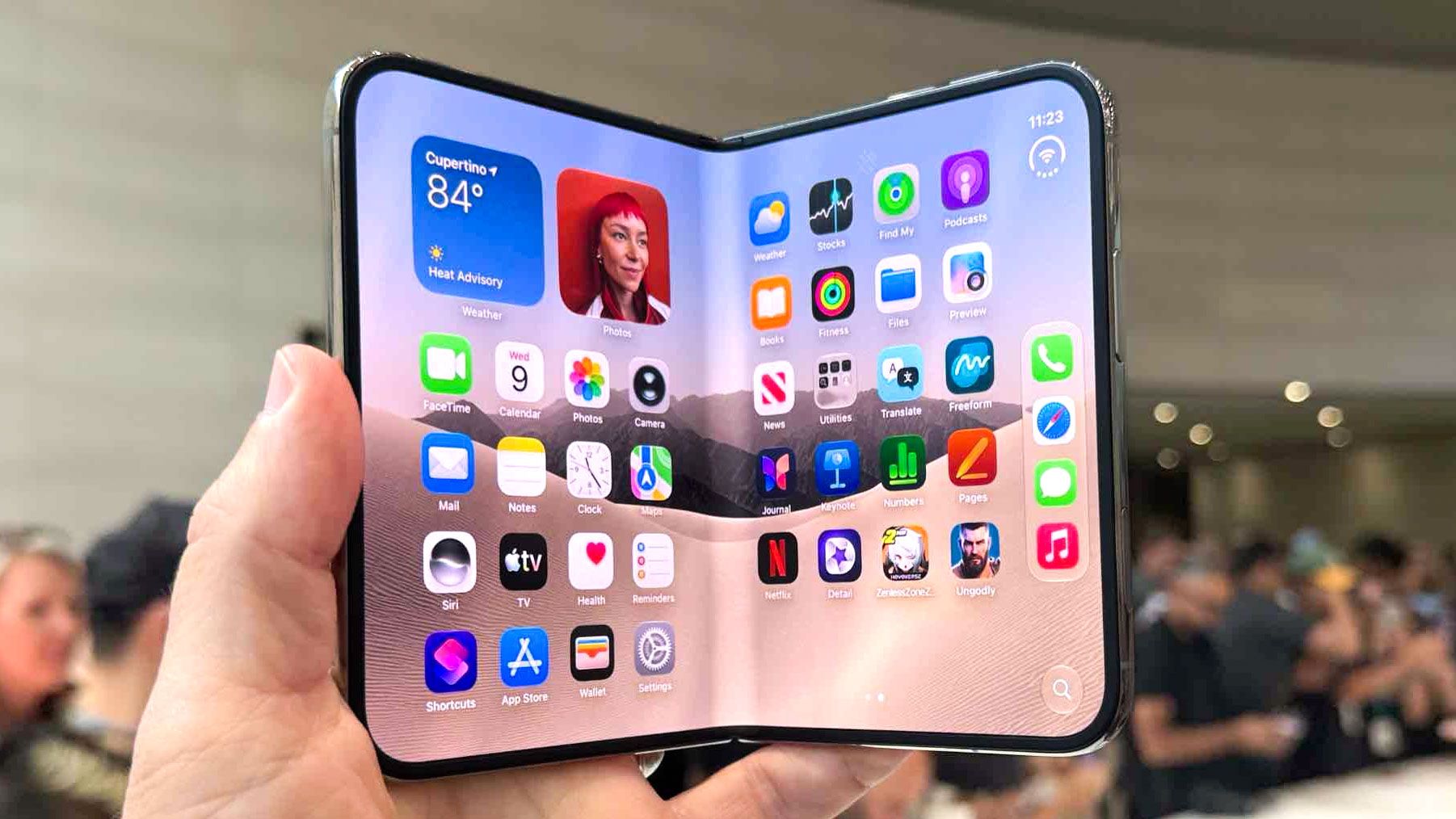
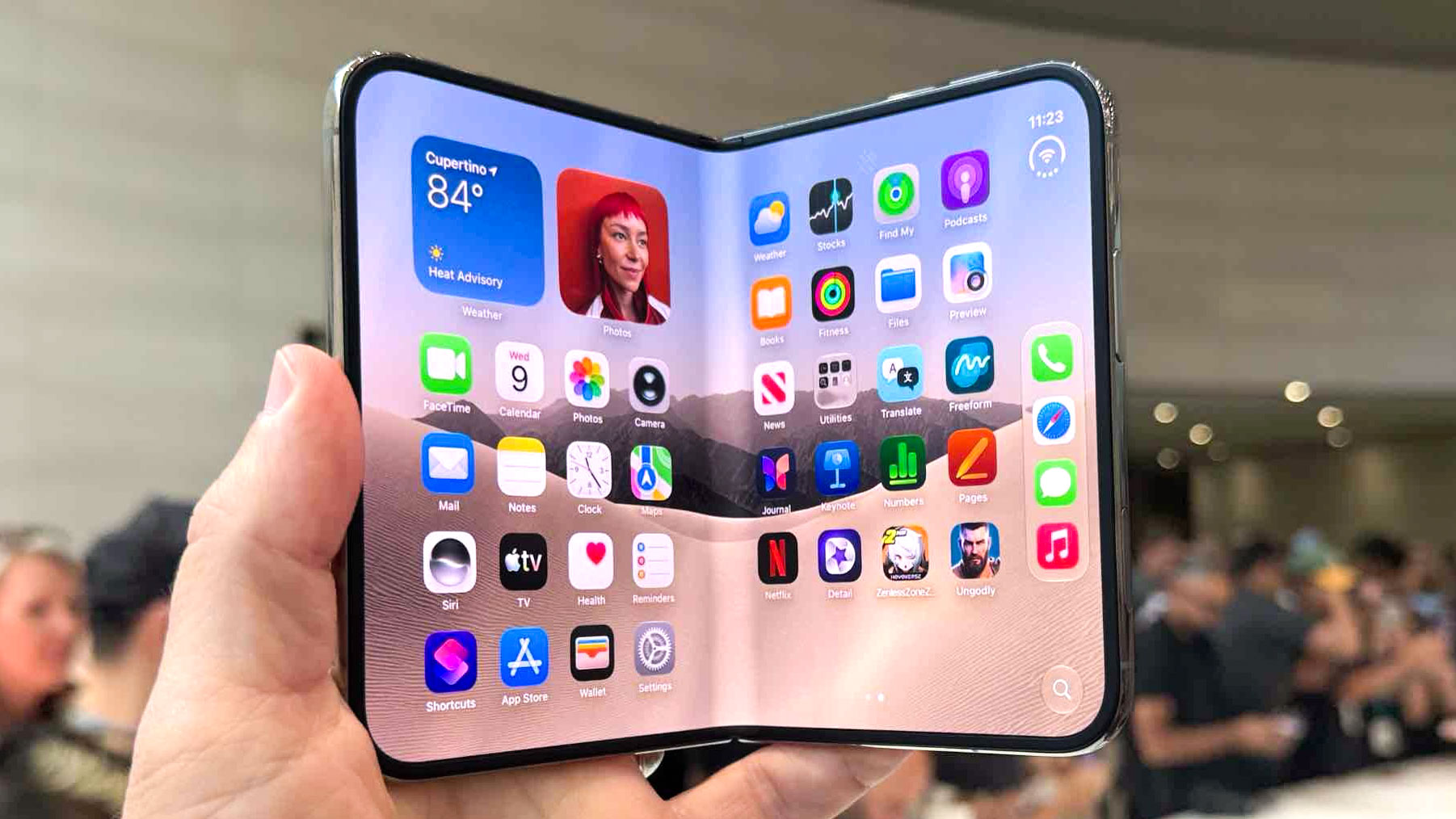
Apple’s iPhone Duo, however, emphasizes a distinct set of priorities. In early hands-on assessments, the device has been noted for its robust hardware, including IP68 water and dust resistance, integrated stylus support, and an advanced vapor chamber cooling system that allows for sustained performance during intensive tasks. One notable area of public discourse has been the matte finish on the display, which was engineered to mitigate the appearance of the central screen crease. While some observers have expressed concerns regarding display brightness and visibility due to this coating, initial testing suggests that the screen maintains high levels of clarity in standard ambient lighting.
Consumer Motivations: Ecosystems vs. Service
The qualitative feedback from the survey participants reveals a complex interplay between corporate philosophy and user experience. A recurring theme among those who favor the Samsung ecosystem is a desire for hardware freedom and a preference for the established multitasking capabilities of the Z Fold series. One respondent noted, "I have the Samsung 8 Ultra, and I am impressed with it," citing an aversion to becoming further entrenched in the "walled garden" of the Apple ecosystem.
Conversely, the argument for the iPhone Duo often centers on the "after-purchase service experience." Proponents of Apple’s model argue that the company’s investment in customer support infrastructure, retail availability, and long-term software update cycles provides a level of security that justifies the higher price point. This perspective suggests that for many consumers, a device is more than just a collection of specifications; it is an investment in a support system.
Implications for the Market
The dominance of the Samsung Galaxy Z Fold 8 in this survey does not necessarily portend a failure for the iPhone Duo, but rather highlights the challenges of entering an established category. When a brand as influential as Apple enters a market, it often acts as a catalyst for growth, bringing foldable technology to a broader audience that may have previously been hesitant to switch to competitors like Samsung.
Furthermore, the "non-interested" segment of the survey—representing 15% of respondents—points to an ongoing challenge for the entire smartphone industry. With flagship prices trending upward, there is a visible segment of the population that remains unconvinced that the current generation of foldables offers a significant enough improvement over traditional, more affordable handsets. This "value gap" will likely be the next battleground for manufacturers.

As the October 23 launch date for the iPhone Duo approaches, the industry will be watching closely to see if Apple can convert its brand loyalty into market share. The success of the iPhone Duo will depend not only on its technical performance in real-world scenarios—such as battery life, long-term hinge reliability, and app compatibility—but also on whether Apple can demonstrate that its first-generation foldable provides a unique value proposition that justifies the premium over a mature, eighth-generation competitor.
Ultimately, the rivalry between the iPhone Duo and the Galaxy Z Fold 8 represents a maturing of the foldable market. What was once a experimental niche is now a battle of titans, with two distinct philosophies vying for dominance. Samsung’s head start provides it with a functional and ergonomic lead, while Apple’s entry brings the weight of its ecosystem and service reputation to the table. As consumers weigh these factors, the primary beneficiary is the market itself, which is now seeing accelerated innovation as both companies push to define the future of the mobile experience. Whether users choose the proven path of Samsung’s refined hardware or the high-touch, integrated approach of Apple, the competition signals that the era of the foldable device has firmly arrived.