Sony Bravia TV Software Update Offers Potential Fix for Persistent eARC Audio Issues Following Weeks of User Frustration

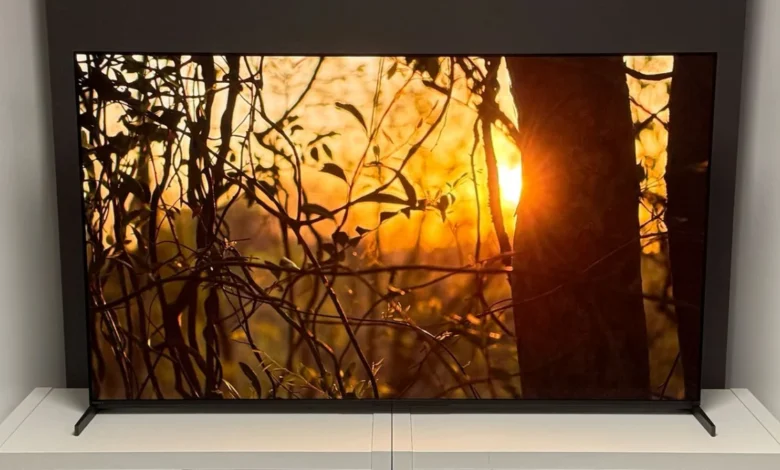
The recent software rollout for Sony’s current Bravia television lineup has been marked by significant technical instability, leaving many owners grappling with compromised home cinema experiences. Since a major firmware update was deployed in June, users have reported a cascade of malfunctions centered on HDMI eARC (Enhanced Audio Return Channel) connectivity. These issues—ranging from intermittent audio dropouts to persistent lip-sync discrepancies—have effectively crippled the functionality of external sound systems when paired with external media sources like the Apple TV 4K. While Sony has remained largely silent on the global scale, a recent update surfacing in North American markets suggests that a resolution is finally beginning to reach affected households.
A Chronology of the Bravia Technical Crisis
The technical challenges began in June, shortly after Sony initiated an over-the-air (OTA) update intended to improve system performance. Instead, the update introduced instability for users routing audio from external sources through their televisions to soundbars or AV receivers via eARC.
The impact of this update was not uniform. Reports across enthusiast forums and support channels indicated a tiered spectrum of issues. A significant portion of the user base noted that Dolby Vision content—a premium HDR format—would frequently fail to trigger or play correctly. Simultaneously, others reported that audio signals would drift out of sync with the on-screen video, creating a jarring "lip-sync" effect that rendered dialogue difficult to follow. The most severe reports involved complete audio dropouts, where the connection between the TV and the sound system would periodically sever, requiring a power cycle or a manual reset of the HDMI handshake to restore functionality.
In July, Sony pushed a subsequent minor update that successfully addressed the Dolby Vision playback failures for the majority of users. However, the underlying audio-processing defects persisted, leading to growing discontent among owners of premium models, including the Bravia 8 II series.
Sony’s Official Response and Regional Discrepancies
For weeks, Sony’s communication strategy was characterized by a lack of public acknowledgement. The silence was finally broken in mid-August when Sony Japan issued a support bulletin. The translated advisory acknowledged a "lip-sync discrepancy" and projected that a fix would be included in a software update scheduled for September 2026.
This announcement drew immediate criticism from the global consumer base. The date, which appeared to be a significant delay for a critical functionality issue, was perceived by many as an admission that the hardware-software handshake protocols had been fundamentally disrupted. Furthermore, the official communication from the Japanese division did not explicitly address the broader issue of audio dropouts, leaving owners of high-end home cinema setups in a state of uncertainty regarding whether the upcoming fix would be comprehensive.
The Emergence of Firmware Version 114.603.100.1
The narrative surrounding the update took a turn on August 20, when a new firmware version, 114.603.100.1, was released in the United States. Early adopters and power users, who had been vocal about their grievances, began documenting the performance of this update immediately upon installation.
Preliminary reports indicate that this firmware may serve as the global solution to the issues reported since June. Users in the US have noted a restoration of consistent audio synchronization and a cessation of the intermittent dropouts that had plagued their setups for nearly two months. While these reports are encouraging, they remain anecdotal. Professional diagnostic testing and a broader, worldwide release are required to determine if the patch resolves the issue across all Sony Bravia models currently affected by the bug.
As of this writing, the update has not been pushed to the UK or European markets. Consequently, users in these regions remain in a holding pattern, unable to utilize their home cinema hardware to its full capacity.
Broader Implications for the AV Industry
The Sony Bravia incident highlights the growing complexity of modern home cinema ecosystems. As televisions become increasingly integrated with smart platforms, complex streaming standards, and multi-device HDMI handshakes, the margin for error in firmware updates has narrowed.
When a television is the central hub for an entertainment system, a failure in the eARC protocol—which carries high-bitrate audio signals like Dolby Atmos—is not merely a minor inconvenience; it is a breakdown of the primary value proposition of a high-end display. For manufacturers, the challenge lies in balancing the rapid deployment of new software features with the rigorous testing required to ensure that foundational hardware protocols remain intact.
The frustration expressed by the Sony user base underscores a shift in consumer expectations. Owners of premium displays, such as the Bravia 8 II, expect a "plug-and-play" experience. When that experience is interrupted by a mandatory update that cannot be easily rolled back, the brand’s reputation for reliability is placed at risk. This event serves as a case study in the necessity of transparent, proactive communication. Had Sony provided clearer timelines and acknowledged the broader scope of the audio issues earlier, the brand sentiment might have remained more resilient despite the technical failure.
Analyzing the Technical Root Cause
While the official technical specifications of the fix are not public, experts in the AV field suggest that the root cause likely involves a misconfiguration in how the TV’s processor handles the audio return signal during the EDID (Extended Display Identification Data) exchange.
When a user connects an external media player (like an Apple TV or a gaming console) to a television, the TV acts as a traffic controller, stripping the audio from the HDMI stream and passing it to the soundbar. If the firmware update introduced a latency or a format-negotiation error during this process, it would naturally result in both the timing issues (lip-sync) and the data packet loss (dropouts). The success of version 114.603.100.1 in the US suggests that engineers have successfully recalibrated these timing parameters, restoring the stability of the digital handshake.
Looking Ahead: The Path to Resolution
For affected owners in the UK and other international territories, the path forward remains focused on the imminent arrival of the new firmware. Sony’s regional offices have been contacted for comment, though they have yet to provide a definitive release schedule for the European market.
For those still experiencing issues, industry experts recommend several interim troubleshooting steps, though none are a substitute for the forthcoming software patch:
- Direct Audio Routing: If possible, connect the media source directly to the soundbar or AV receiver, bypassing the TV’s HDMI input, though this may limit the availability of certain video features like VRR (Variable Refresh Rate) or ALLM (Auto Low Latency Mode).
- HDMI Handshake Resets: Disconnecting all HDMI cables and power-cycling the TV and audio system simultaneously can sometimes clear lingering cache issues.
- Firmware Monitoring: Regularly checking the "Software Update" menu in the TV’s settings remains the only way to ensure the fix is applied the moment it becomes available in a specific region.
The situation with the Sony Bravia 8 II and its counterparts serves as a reminder of the fragility of modern digital home setups. As consumers continue to integrate more devices into their entertainment chains, the reliability of the software governing these connections becomes just as important as the quality of the hardware itself. The focus now turns to whether the latest firmware update will hold up under long-term usage and whether Sony will take steps to improve its software validation processes to prevent a recurrence of this widespread disruption.
Ultimately, the goal for owners is a return to normalcy—the ability to enjoy high-fidelity audio and video without the interference of system-level errors. With early indicators from the US market showing promise, there is a strong expectation that the global resolution is finally within reach, potentially closing a difficult chapter for one of the most prominent names in consumer television technology.
Related posts: