The pursuit of high-fidelity audio reproduction often leads enthusiasts toward complex, multi-layered orchestral arrangements or electronic soundscapes characterized by vast dynamic ranges. While these dense recordings serve as excellent stress tests for the limits of a soundstage, the true mettle of an audio system is often found in its ability to reproduce the nuanced, unadorned textures of acoustic performance. When the production "bells and whistles" are stripped away, the system’s capacity for detail retrieval, tonal accuracy, and micro-dynamic expression is laid bare. By isolating the voice and the instrument, listeners can determine whether their equipment is merely playing back audio or truly articulating the subtle mechanics of a performance—the slide of a finger across a fretboard, the decay of a piano note, or the precise spatial positioning of a vocalist.
The Methodology of Acoustic Auditioning
The utility of acoustic tracks in a testing environment stems from the lack of masking elements. In a heavily produced pop track, high-frequency transients or deep bass extensions can hide mid-range deficiencies. In contrast, acoustic recordings demand that a loudspeaker or headphone driver handle the "natural" frequency response of instruments with total transparency. Expert reviewers frequently turn to these recordings to identify coloration, phase issues, or a lack of resolution in the mid-range.

For a system to pass the "acoustic test," it must demonstrate three core competencies:
- Resolution of Low-Level Detail: The ability to reveal breath, room ambience, and the mechanical noise of instruments.
- Dynamic Versatility: The capability to shift from a whisper-quiet passage to a sudden, energetic burst of sound without distortion.
- Natural Tonality: The reproduction of instruments—such as acoustic guitars or upright pianos—without adding metallic or plastic-like artifacts to the sound.
The Canonical Standard: Tracy Chapman – Fast Car (1988)
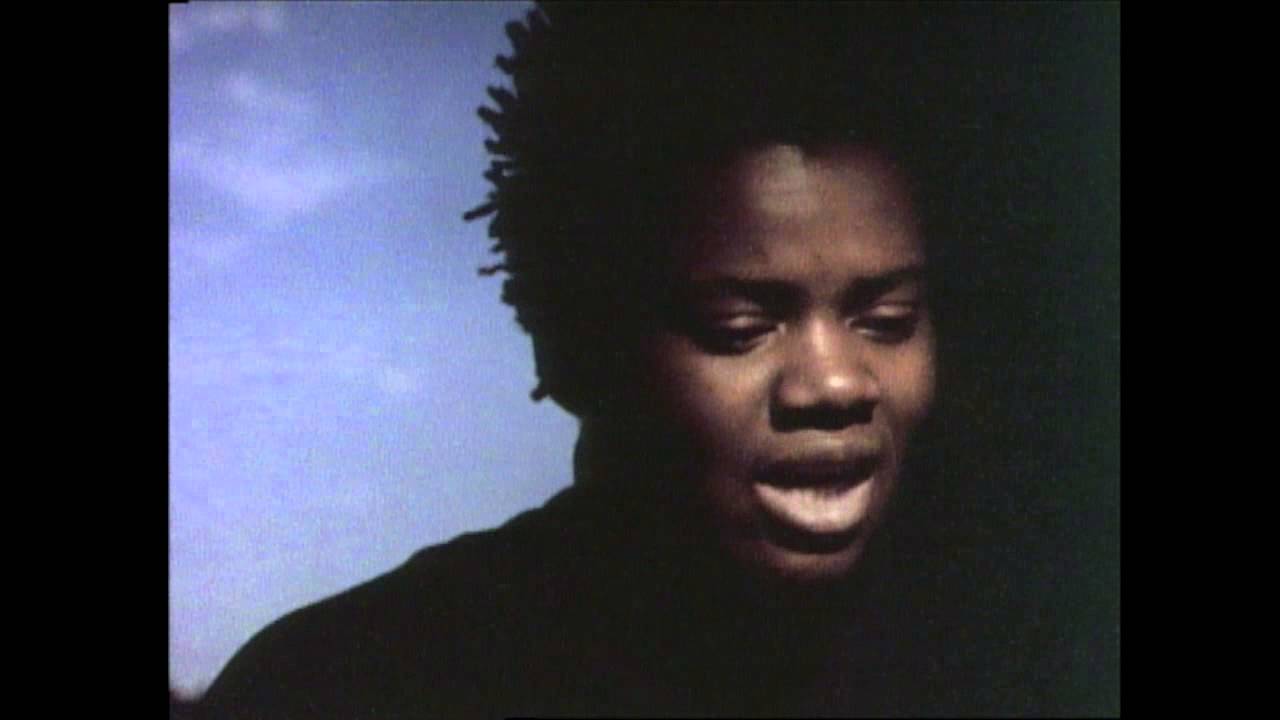
Since its release in 1988, Tracy Chapman’s self-titled debut album has served as a benchmark for high-end audio demonstration. "Fast Car" remains the quintessential acoustic test track because it balances folk sensibilities with a pop-oriented production that hides significant complexity.
The track functions as an emotional narrative, requiring the playback system to convey not just the frequency spectrum, but the yearning in Chapman’s vocal performance. The primary test for any speaker system here is the interplay between the delicate, rhythmic guitar picking and the sudden, expansive entrance of the drums in the chorus. A system that cannot handle the transient speed of the drums will cause the track to sound "muddy" or "slow." Conversely, a high-performing system will distinguish the distinct metallic resonance of the guitar strings against the warmth of the vocal, providing a sense of space that elevates the song from a recording to a living performance.

Reinventing the Classic: A-ha – Take On Me (MTV Unplugged, 2017)
The 2017 MTV Unplugged rendition of "Take On Me" provides a fascinating case study in how stripping away an iconic, synth-heavy production can reveal the underlying composition’s true depth. By reducing the track to a piano-led arrangement, A-ha forces the listener to focus on Morten Harket’s vocal control.
From an engineering perspective, this track is a test of "texture." The piano’s harmonic richness must be captured in its entirety, and Harket’s falsetto must remain clear and stable. For reviewers, this track is a definitive test of how a system handles intimate soundscapes. It effectively tests whether a system can prevent the piano from overwhelming the vocals, maintaining a separation that preserves the emotional gravity of the piece.
The Modern Minimalist: Bon Iver – S P E Y S I D E (2025)
Released as part of the SABLE, fABLE project, "S P E Y S I D E" represents a modern approach to minimalist production. Bon Iver’s Justin Vernon utilizes sparse instrumentation—mostly acoustic guitar and a faint, underlying viola—to support a highly processed yet delicate falsetto.
The track is an excellent tool for testing the "noise floor" of a system. Because the song contains long periods of near-silence, any distortion or internal noise in an amplifier or digital-to-analog converter (DAC) becomes immediately audible. This track specifically highlights whether a system can maintain a "black background," allowing the micro-dynamics of Vernon’s voice to float in a defined, three-dimensional space.
The Intimacy of Folk: The Wailin’ Jennys – Old Churchyard (2017)
The Wailin’ Jennys’ performance of "Old Churchyard" is a masterclass in vocal layering and harmonic complexity. As a trio, the group relies on natural, room-filling harmonies that place extreme demands on a system’s ability to render a wide, cohesive soundstage.
When played on a high-quality system, the listener should be able to pinpoint the location of each singer within the soundstage. If the system is inferior, the three distinct voices will collapse into a single, congested sound. The subtle drone of the accordion provides a steady foundation that must be present without masking the clarity of the vocal harmonies, requiring a high degree of tonal balance across the mid-range.

Emotional Intensity: Robyn – Dancing On My Own (Radio 1 Live Lounge, 2010)
Though arguably difficult to source, the live lounge version of "Dancing On My Own" is a critical test for "emotional truth." By removing the electro-pop beats of the original, the track exposes the raw pain in the lyrics. This is not a test of bass response or treble extension; it is a test of mid-range "honesty."
The piano’s decay must be natural, and the vocal must possess the subtle tremors and breaths that signify a human performance. A system that can make this track feel "heartbreaking" is usually one that has successfully eliminated coloration in its mid-frequency range, allowing the emotional nuance of the recording to reach the listener unimpeded.
The Definitive Cover: Johnny Cash – Hurt (2002)
Johnny Cash’s interpretation of Nine Inch Nails’ "Hurt" is arguably the most famous acoustic cover in modern music history. It is a stark, unforgiving recording that leaves nowhere for a poor-quality system to hide. The track is defined by the "death-knell" piano stroke and the weathered, gravelly texture of Cash’s voice.

For audio engineers and audiophiles, this track tests the "weight" of a system. Cash’s voice contains low-frequency resonance that must be captured with authority. If the system is too bright, the track loses its gravitas; if it is too boomy, the clarity of the lyrics is sacrificed. It is a benchmark for assessing whether a system can handle the "presence" of a performer in the room.
Technical Virtuosity: Michael Hedges – All Along the Watchtower (1985)
Michael Hedges revolutionized acoustic guitar playing through the use of non-standard tunings and percussive techniques. His live version of "All Along the Watchtower" is a rigorous test for transient response. Because Hedges strikes the body of the guitar to create a percussive beat while simultaneously plucking strings, the playback system must be capable of near-instantaneous response times.
If a speaker or headphone driver is too slow, the "snap" of the percussion will blur into the notes, resulting in a smeary, imprecise sound. High-fidelity systems that excel with this track provide a startlingly realistic sense of the physical action taking place, as if the guitar were being played directly in front of the listener.
Broader Implications for Audio Engineering
The shift toward these acoustic test tracks reflects a growing preference for transparency over impact in the high-end audio market. As streaming services and high-resolution digital audio files become the standard, the ability to discern the "grain" of a recording—the subtle, high-frequency textures that distinguish a master recording from a compressed file—is increasingly important.
The common thread among these selections is their reliance on the mid-range, where the human ear is most sensitive. By selecting tracks that emphasize this frequency band, listeners and reviewers can more accurately assess the performance of their hardware. Whether it is the rhythmic precision of Big Thief’s "Change" or the expansive, melancholic atmosphere of Green Day’s "Good Riddance (Time Of Your Life)," these tracks provide a reliable, repeatable framework for evaluating the fidelity of any audio system.
Ultimately, the goal of these test tracks is not to make a system sound "good" in a subjective sense, but to reveal the truth of the recording. When a system can render the subtle, intimate details of these acoustic performances, it demonstrates the engineering integrity required to handle the complexity of any musical genre.
Related posts: