Apple CEO John Ternus Doubles Down on the iPhone as the Ultimate AI Hub in Historic First Keynote

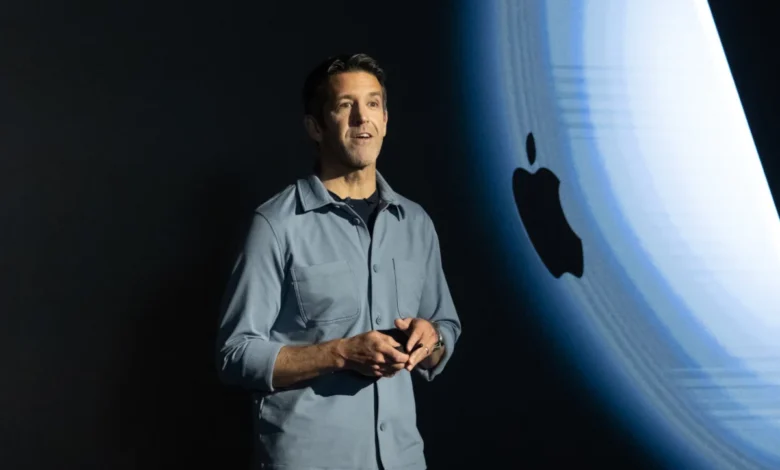
The enduring dominance of the smartphone took center stage on Wednesday as Apple Chief Executive Officer John Ternus delivered his inaugural keynote address, forcefully positioning the iPhone as the undisputed anchor of the company’s product strategy for the artificial intelligence era. Facing mounting industry speculation over the longevity of traditional mobile hardware, Ternus offered a definitive rebuttal, declaring the device indispensable to modern computing.
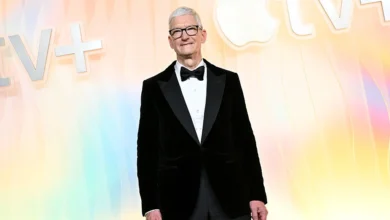
"There’s no product in the world better designed to be your intelligent personal hub than iPhone," Ternus told the audience, signaling a strategic continuity that stands in contrast to the frequent pivot attempts of his predecessor, former CEO Tim Cook.
For years, Cook worked to reassure Wall Street that Apple’s long-term financial health extended well beyond its flagship smartphone, emphasizing services, wearables, and augmented reality. Ternus’s approach, however, embraces the iPhone’s entrenched consumer utility, embedding it at the core of Apple’s sweeping "intelligent personal assistant" vision. This calculated bet arrives as the iPhone approaches its historic 20th anniversary, forcing the tech giant to address persistent questions regarding whether the smartphone era is reaching its twilight.
Echoes of 2001: The Mac, the Digital Hub, and the iPod Precedent
To contextualize his vision, Ternus’s strategy draws a clear parallel to a pivotal moment in Apple history orchestrated by co-founder Steve Jobs more than two decades ago. In July 2001, during a Macworld New York keynote, Jobs confronted pervasive industry skepticism suggesting that the personal computer was a dying medium eclipsed by emerging digital consumer electronics.
At the time, industry analysts and executives from competing firms like Compaq and Gateway openly questioned the long-term viability of the desktop computer. Jobs famously addressed these bearish prognostications by projecting an image of a tombstone bearing the epitaph "Beloved PC" onto the stage screen.
Rejecting the premise entirely, Jobs asserted that the personal computer was merely entering its "third great age." Rather than rendering the PC obsolete, the proliferation of digital accessories—such as camcorders, standalone digital cameras, and DVD players—created a demand for a central processing anchor. Jobs framed the Mac as the ultimate "digital hub" capable of connecting, organizing, and adding profound value to these disparate peripheral devices.
Less than ten months after outlining this digital hub strategy, Jobs pulled the first iPod from his pocket. The pocket-sized music player was ostensibly engineered to solve a fundamental consumer friction point, functioning seamlessly alongside the Mac while driving unprecedented hardware sales and corporate profits. Ultimately, the engineering and design ethos cultivated during the iPod development paved the direct path toward the creation of the iPhone in 2007.
Today, Ternus faces a modern variation of the exact existential question Jobs tackled in 2001. While industry observers continue to debate whether Ternus is quietly incubating a revolutionary wearable device designed to eventually succeed the smartphone, his recent statements firmly reject the narrative that the iPhone has passed its operational prime.
Evaluating the Technical Architecture of Modern Mobile AI
Rather than viewing the smartphone as a legacy form factor ripe for disruption, Ternus challenged critics to analyze the hardware engineering required to build an ideal personal intelligence hub from scratch.
"If you were designing the ideal version of this hub from scratch, how would you do it?" Ternus asked the audience, systematically outlining the essential technological components: a high-performance system-on-chip processor, advanced high-resolution camera arrays, persistent global networking capabilities, and robust on-device neural processing engines capable of executing complex AI computations locally.
From an engineering perspective, contemporary smartphones occupy a unique tier of consumer electronics. Modern silicon architectures, such as Apple’s proprietary A-series Pro processors, deliver raw computational performance that rivals traditional laptop hardware while operating within a pocket-sized thermal envelope. This exceptional computing density grants the iPhone a distinct strategic advantage in an industry increasingly dominated by compute-hungry large language models and real-time machine learning inference.
Furthermore, the smartphone boasts unmatched user integration. While consumers frequently leave laptop computers, tablets, and dedicated smart home displays behind when exiting their residences, the smartphone maintains an omnipresent status. Its unique combination of absolute portability, cellular connectivity, and tactile adaptability makes it the singular computing appliance that the vast majority of consumers refuse to leave home without.
The Failure of Alternative Wearable Form Factors
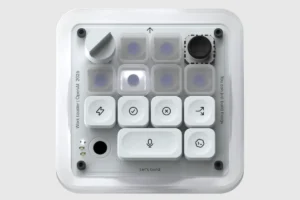
Ternus’s explicit focus on the iPhone as the definitive AI hub also serves as a subtle acknowledgment of the broader tech industry’s recent missteps. Over the past several years, numerous hardware startups and established technology conglomerates have attempted to unseat the smartphone, introducing a wave of dedicated AI wearable devices.
These alternative form factors—ranging from standalone smart pendants and AI-enabled lapel pins to augmented reality glasses and specialized audio wearables—sought to bypass traditional screen-based interaction in favor of ambient, voice-driven interfaces. However, these products have largely struggled to achieve mainstream consumer adoption, hindered by technical limitations, restrictive battery life, high latency, and a lack of versatile utility compared to multi-purpose mobile displays.
By doubling down on the iPhone, Apple is leveraging its massive, active installed base of over two billion active devices worldwide. Rather than asking consumers to adopt an entirely unproven, standalone hardware category to access ambient intelligence, Apple is integrating advanced AI capabilities directly into the device consumers already rely on for daily communication, commerce, and media consumption.
Industry Analysis and Market Implications
Financial analysts and technology strategists view Ternus’s opening keynote as a stabilizing declaration for Apple’s hardware roadmap. By anchoring the company’s aggressive artificial intelligence initiatives—collectively marketed under the Apple Intelligence umbrella—to the iPhone, the company guarantees immediate distribution to a massive, monetization-ready audience.
The implications of this strategy extend across the broader consumer electronics landscape:
- Software and Ecosystem Synergy: By focusing on on-device AI processing via powerful A-series and M-series chips, Apple reinforces its hardware-software integration moat, discouraging users from migrating to competing Android ecosystems.
- Carrier and Retail Partner Confidence: Mobile network operators and global retail partners benefit from continued high-value upgrade cycles centered around premium smartphone hardware rather than niche accessories.
- R&D Resource Allocation: Concentrating engineering resources on optimizing AI performance within the smartphone form factor allows Apple to maximize return on investment, bypassing the high consumer friction associated with establishing entirely new product categories from scratch.
Looking Forward: The Next Decade of Mobile Computing
As the iPhone draws closer to marking two decades since its initial unveiling by Steve Jobs in January 2007, the device faces the ultimate test of evolution. Critics who predicted the imminent demise of the smartphone underestimated the adaptability of the underlying architecture.
John Ternus’s inaugural keynote makes it abundantly clear that Apple does not view the iPhone as a finished chapter in computing history, but rather as a living platform capable of absorbing the most advanced technological paradigm shifts of the 21st century. Whether the smartphone will eventually share the stage with a revolutionary new companion device remains to be seen, but for now, Apple’s leadership is betting that the best device to carry humanity into the AI future is the one already resting in our hands.