Samsung’s Latest Foldables Under Fire for Persistent Lack of Dust Resistance

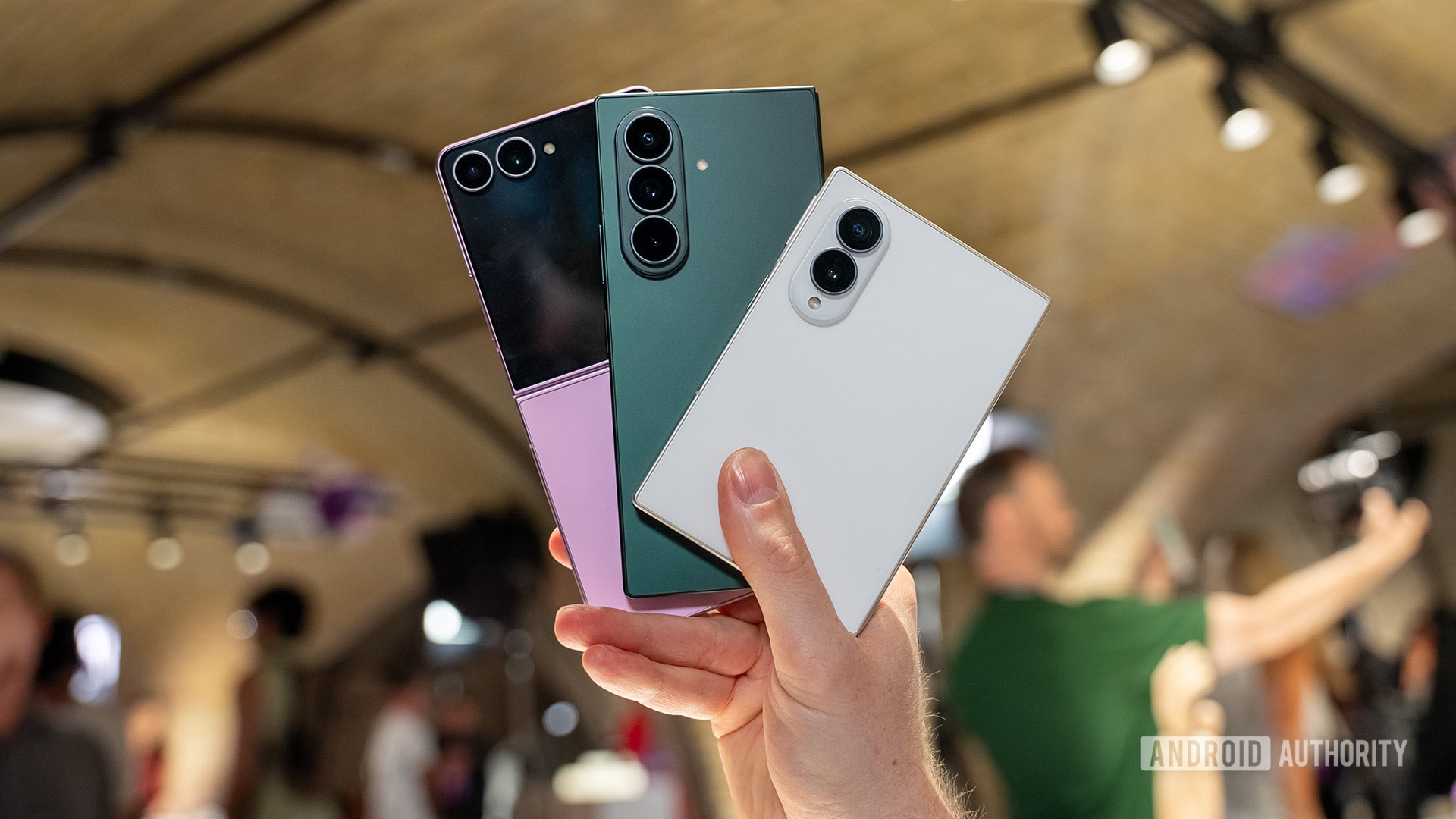
Samsung has officially unveiled its highly anticipated lineup of foldable smartphones at its recent Unpacked event, introducing the Galaxy Z Fold 8, Galaxy Z Fold 8 Ultra, and Galaxy Z Flip 8. These new devices showcase Samsung’s continued commitment to the foldable form factor, boasting impressive specifications such as sleeker designs, powerful chipsets, and innovative silicon-carbon batteries. While these advancements are notable, a significant point of contention has emerged regarding the durability rating of these premium devices: Samsung has once again opted for an IP48 rating, a decision that places its flagships behind a growing number of competitors in terms of robust protection against environmental elements, particularly dust.
Understanding Ingress Protection (IP) Ratings
To fully grasp the implications of Samsung’s IP48 rating, it is crucial to understand the standardized Ingress Protection (IP) system. An IP rating consists of two digits, each denoting a different level of protection. The first digit indicates protection against solid objects and dust, while the second digit specifies resistance to liquids, primarily water.
-
First Digit (Solid Particle Protection):
- 0: No protection.
- 1: Protection against solid objects over 50mm (e.g., accidental touch by hands).
- 2: Protection against solid objects over 12.5mm (e.g., fingers).
- 3: Protection against solid objects over 2.5mm (e.g., tools, thick wires).
- 4: Protection against solid objects over 1mm (e.g., wires, small screws).
- 5: Dust protected. Ingress of dust is not entirely prevented, but it will not interfere with the satisfactory operation of the equipment.
- 6: Dust tight. No ingress of dust. Complete protection against contact.
-
Second Digit (Liquid Ingress Protection):
- 0: No protection.
- 1: Protection against vertically falling drops of water.
- 2: Protection against vertically falling drops of water when enclosure is tilted up to 15°.
- 3: Protection against spraying water.
- 4: Protection against splashing water.
- 5: Protection against water jets.
- 6: Protection against powerful water jets.
- 7: Protection against immersion in water up to 1 meter for 30 minutes.
- 8: Protection against continuous immersion in water beyond 1 meter (manufacturer specifies exact conditions).
- 9K: Protection against close-range high-pressure, high-temperature spray downs.
Therefore, an IP48 rating means the device is protected against solid objects 1mm in size or larger and is capable of continuous immersion in water under conditions specified by the manufacturer. Critically, the "4" in IP48 signifies protection only against small solid objects, not against fine dust particles. Dust is considerably smaller than 1mm, rendering the IP48 rating effectively useless for safeguarding against common environmental dust, lint, or sand.
Samsung’s Durability Journey and Current Shortcomings
For years, foldable smartphones faced significant challenges in achieving robust durability due to their intricate hinge mechanisms and flexible displays. Early generations of foldables, including Samsung’s own, often carried an IPX8 rating, indicating water resistance but no certified protection against solids or dust. This meant that while the devices could withstand submersion in water, they remained vulnerable to dust ingress, a common concern for users given the moving parts of the hinge.
In 2024, Samsung made a step forward with the Galaxy Z Fold 6 and Galaxy Z Flip 6, introducing the IP48 rating. At the time, this was seen as a modest improvement, offering some basic protection against larger particles alongside water resistance. However, the industry has rapidly evolved since then, and what was once "pretty good" is now increasingly perceived as inadequate.
The current IP48 rating on the Z Fold 8, Z Fold 8 Ultra, and Z Flip 8 implies that these high-end devices, costing anywhere from approximately $1,200 to $2,100, are not certified to withstand everyday scenarios like a lint-filled pocket, exposure to sand at a beach, or even a particularly dusty environment. While Samsung’s hinge designs have previously incorporated mechanisms to eject some debris, this is not a substitute for proper, certified dust protection. The absence of a "5" or "6" in the IP rating’s first digit means users still lack the peace of mind that their expensive foldable is sealed against microscopic particles that could potentially compromise the hinge or display over time.
Competitors Forging Ahead in Durability
The competitive landscape for foldable phones has intensified dramatically, and many of Samsung’s rivals have made significant strides in durability, often surpassing what Samsung currently offers. This trend highlights Samsung’s conservative approach as an outlier rather than a leader in this specific aspect of foldable design.
-
2025 Advancements: Last year, several major players introduced foldables with superior IP ratings. The HONOR Magic V5 and vivo X Fold 5, for instance, launched with an IP58 rating. This signifies "dust protected" status (first digit ‘5’), meaning while dust ingress isn’t entirely prevented, it won’t harm the device’s operation, alongside impressive water resistance (second digit ‘8’). This marked a clear step up from the rudimentary IP4X protection.
-
The IP68 Benchmark: Google made a significant splash with the Pixel 10 Pro Fold, becoming the first foldable smartphone to achieve an impressive IP68 rating. An IP68 rating means the device is "dust tight" (first digit ‘6’) – completely sealed against dust ingress – in addition to its robust water immersion capabilities. While the Pixel 10 Pro Fold was noted for its somewhat thicker design, it demonstrated that full dust sealing was achievable in a foldable form factor.
-
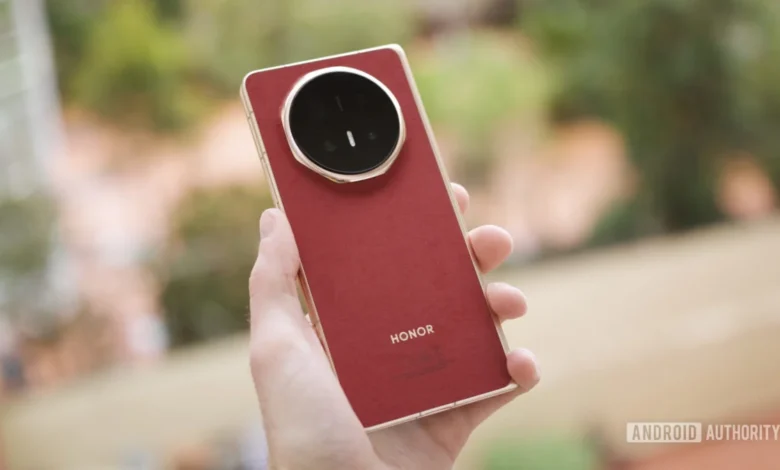
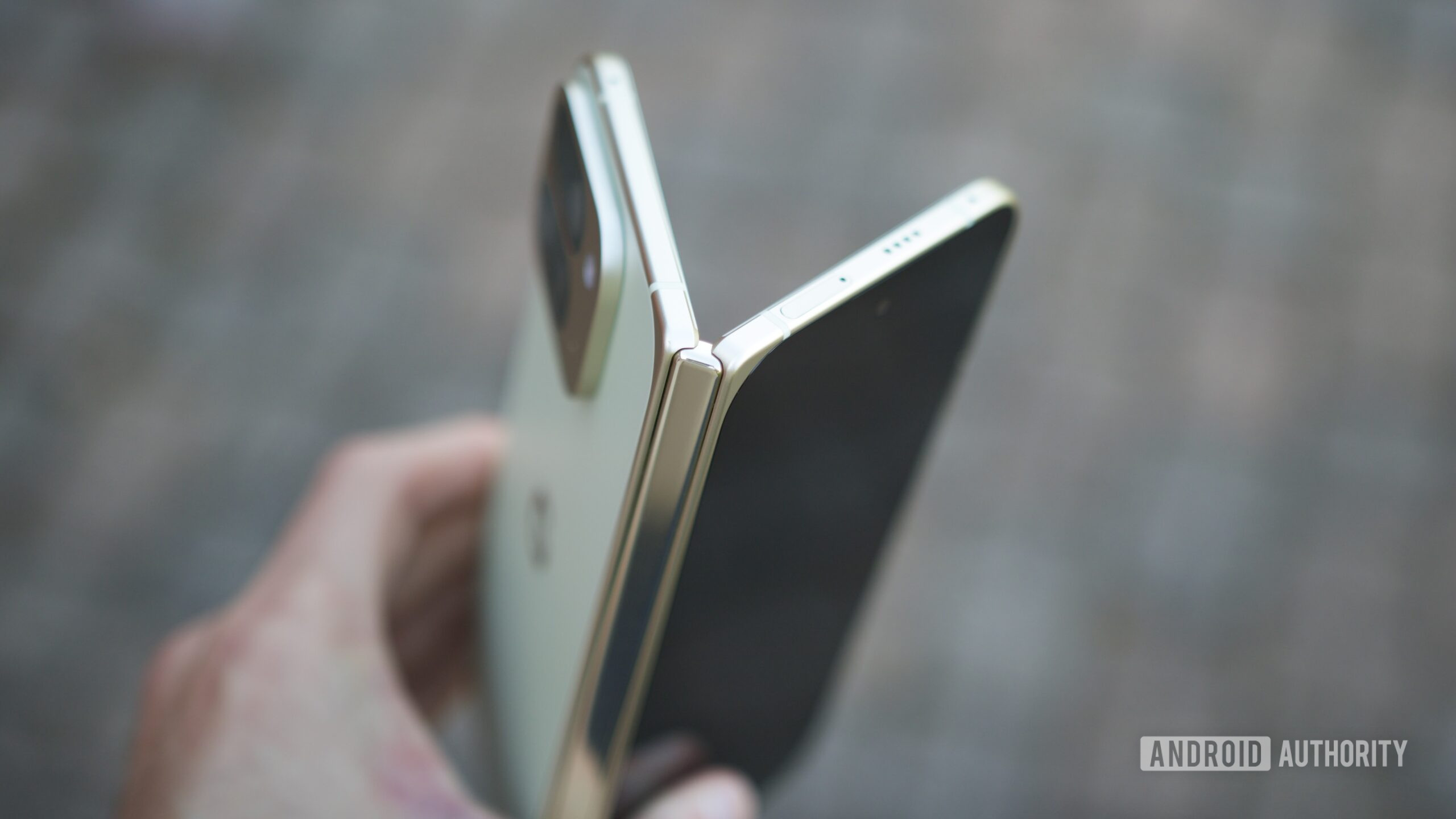
2026: Thinness Meets Durability: The year 2026 has further pushed the boundaries, proving that a comprehensive IP rating doesn’t necessitate a bulky design. HONOR’s Magic V6, released earlier this year, is a prime example. It boasts not only an IP68 rating but also an IP69 rating, offering protection against close-range high-pressure, high-temperature spray downs. Remarkably, the Magic V6 achieves this while maintaining a slim profile, measuring roughly 9mm thick when folded. This directly challenges the notion that advanced durability must compromise sleek aesthetics.
-
Widespread Adoption of Enhanced Protection: Other brands are also consistently delivering foldables with at least an IP58 rating in 2026. This includes the OPPO Find N6, vivo X Fold 6, and HUAWEI Pura X Max. These devices often combine their enhanced durability with other competitive features such as thin designs, larger batteries, and more refined camera systems, presenting a formidable challenge to Samsung’s offerings.
In this evolving market, Samsung and Motorola (with its Razr 2026 phones, also featuring IP48 ratings) appear to be the exceptions rather than the rule. For consumers in markets like the United States, where these brands are prominent, the choice for a foldable phone with certified dust resistance is effectively narrowed down to Google’s Pixel Fold line.
Engineering Complexities Versus Consumer Demands
The engineering of foldable smartphones is undeniably complex. Integrating a flexible display, a sophisticated hinge mechanism, and all the internal components while maintaining a thin profile and robust ingress protection presents formidable challenges. Samsung, as a pioneer in the foldable space, has invested heavily in these areas. It is plausible that the company prioritizes design thinness, hinge longevity (through mechanisms that might involve slight gaps for debris ejection), or perhaps production cost efficiencies, over achieving a higher dust resistance rating. The internal mechanics of a completely sealed, yet smoothly operating, foldable hinge are intricate.
However, consumer expectations for premium smartphones, especially those commanding a flagship price, have shifted significantly. Users are no longer willing to "baby" their expensive devices. The market has demonstrated that dust resistance is not merely a niche feature but a critical aspect of overall device longevity and user experience. A "crunchy hinge" due to trapped dust or fine grit can be a frustrating and potentially damaging issue, undermining the premium feel and functionality of the device. The advancements made by competitors, particularly HONOR and Google, indicate that the technical barriers to achieving comprehensive dust protection in foldables are being overcome.
Market Implications and Strategic Outlook
Samsung’s decision to stick with IP48 for its latest foldables carries several market implications.
- Competitive Disadvantage: In a crowded and increasingly competitive foldable market, the lack of superior dust resistance could become a differentiating factor for rivals. When consumers are comparing high-end devices, durability is a tangible metric that can sway purchasing decisions, especially for a product category that has historically been scrutinized for its fragility.
- Consumer Trust and Perception: While Samsung has largely ironed out major durability issues from early foldable generations, the perception of robustness remains crucial. An IP48 rating, when contrasted with IP58 or IP68, may foster a perception that Samsung’s foldables are less resilient or durable than those of its competitors, potentially eroding consumer trust in the long run.
- Target Market Influence: For users who frequently use their phones outdoors, at construction sites, or in other dusty environments, the absence of certified dust protection could be a deal-breaker. This might push a segment of the market towards Google’s Pixel Fold or other brands that offer superior protection.
- Future Innovation Pressure: The ongoing progress from other manufacturers will undoubtedly place increased pressure on Samsung to innovate further in future generations. If the market continues to embrace and demand IP68-rated foldables, Samsung will likely be compelled to adapt its design and engineering strategies to meet these evolving consumer expectations.
In conclusion, while Samsung’s Galaxy Z Fold 8, Z Fold 8 Ultra, and Z Flip 8 represent significant advancements in foldable technology with their slim designs, powerful chipsets, and innovative batteries, the continued reliance on an IP48 rating for dust protection stands as a notable limitation. The industry has demonstrated that achieving robust dust resistance, even an IP68 rating, is increasingly feasible without sacrificing form factor or other premium features. As consumers grow accustomed to enhanced durability across all smartphone segments, including budget models that often boast better dust resistance, Samsung faces a critical challenge to align its flagship foldable offerings with the evolving standards and expectations of the global market. The time has come for Samsung to integrate comprehensive dust protection, ensuring its innovative foldables are as robust as they are technologically advanced.