The Dual-Lens Xtra Muse 2 Pro Undercuts Insta360 with Sub-$700 Price

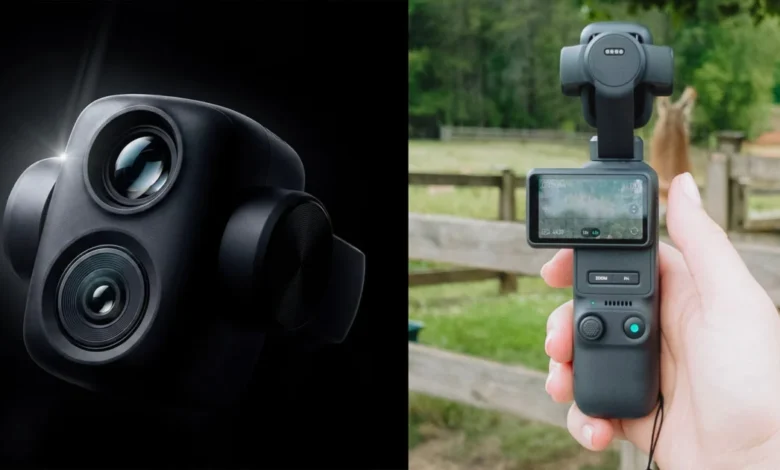
Just days after the Federal Communications Commission (FCC) intensified its scrutiny of companies allegedly circumventing import restrictions on DJI products, Xtra has abruptly removed its Muse 2 Pro camera from its website and halted all preorders. The company has also initiated a process to refund customers who had placed deposits for the device, signaling a significant retreat in the face of mounting regulatory pressure. This move follows a series of actions by the FCC, including fines and proposed bans, aimed at preventing the unauthorized reintroduction of technology that has been subject to U.S. import restrictions.
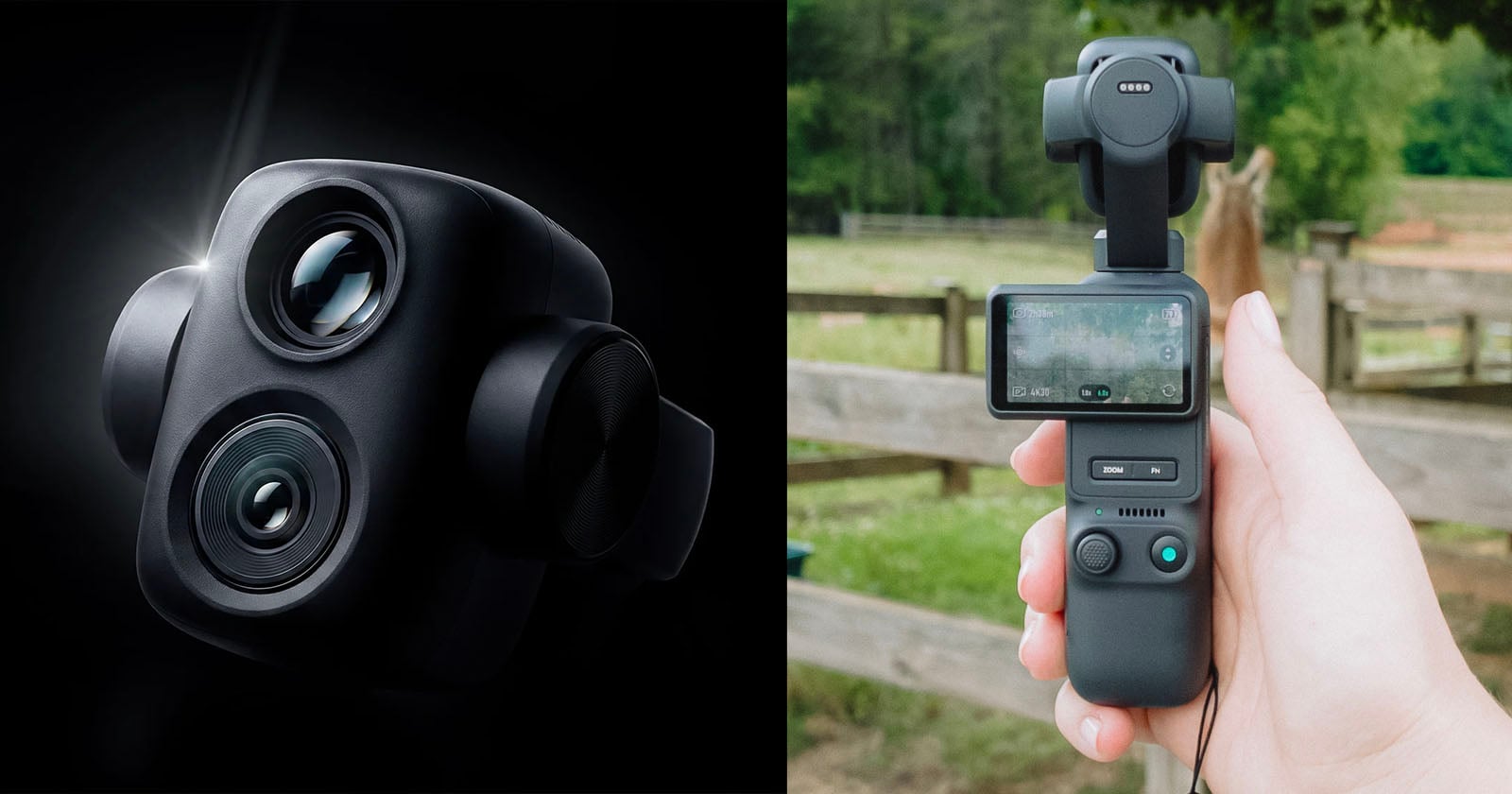
The Xtra Muse 2 and Muse 2 Pro have been widely recognized for their striking resemblance to DJI’s Osmo Pocket 4 and Osmo Pocket 4P models. While Xtra has implemented minor design modifications, the core functionality and aesthetic have led many observers to characterize them as direct clones. This strategy has previously allowed Xtra to bring similar, DJI-inspired products to the American market, potentially bypassing tariffs and import restrictions that have kept DJI’s latest Osmo Pocket cameras from official U.S. availability. However, the FCC’s recent crackdown appears to have significantly altered this landscape.
Escalating FCC Action Against DJI Clones
The FCC’s intensified enforcement began earlier this month with the imposition of fines on several companies, including Xtra, which the commission identified as being involved in the importation of technology that infringes upon existing restrictions. This was followed by the announcement of proposed bans on specific products and companies. While these new bans are not immediately enforceable, pending a 30-day public comment period, Xtra’s swift response suggests the company is unwilling to risk further regulatory entanglement or potential future penalties.
The FCC’s actions stem from a broader effort to ensure compliance with U.S. trade policies and intellectual property laws. Companies accused of acting as intermediaries for banned technologies are being held accountable for failing to disclose the origin of the components and technologies used in their products. In the case of Xtra and similar entities, the FCC has alleged a pattern of importing products that are functionally identical to DJI’s restricted devices without proper authorization or transparency regarding their supply chain. This lack of disclosure has been a key factor in the FCC’s decision to levy fines and propose bans.
Xtra’s Response and Customer Communication
Photographer Francis Alvarez shared on Threads that he had received an email from Xtra detailing the suspension of the Early Bird program for the Muse 2 Pro. The company’s communication stated that the program was being paused due to an "unable to confirm a reliable launch timeline at this stage." This wording leaves a sliver of possibility for a future U.S. launch, but the immediate action of refunding customer deposits underscores the significant uncertainty surrounding the product’s availability.
Xtra’s official statement, as reported, indicates that "We have not announced a new product launch timeline at this time. Further information will be shared separately once the relevant plans are confirmed." This measured response avoids definitive pronouncements but clearly communicates the current impasse. The company’s decision to proactively refund customers, even before a formal ban takes effect, suggests a strategic move to mitigate potential backlash and demonstrate a degree of good faith in the face of regulatory headwinds.
The Underlying Issue: Alleged DJI Technology Infringement
The core of the FCC’s investigation into companies like Xtra revolves around the alleged use of banned DJI technology. When the FCC issued fines earlier this month, a significant reason cited was the companies’ inability to satisfactorily explain the provenance of the technology embedded in their devices. The prevailing assumption, and indeed the basis for the FCC’s actions, is that these companies are importing and rebranding DJI technology that is subject to U.S. import restrictions.
DJI, a global leader in drone and camera technology, has faced various trade-related challenges in the U.S. market. These challenges have often involved national security concerns or intellectual property disputes, leading to restrictions on certain products. Companies that then seek to sell functionally equivalent products, often at lower price points, by allegedly using DJI’s own components or designs without authorization, draw the attention of regulatory bodies like the FCC.
Chronology of Events
The recent actions by Xtra and the FCC can be placed within a developing timeline:
- Earlier this month (July 2026): The FCC begins taking action against companies suspected of importing banned DJI technology. This includes issuing fines to Xtra and other similar entities.
- Days before Xtra’s announcement (July 2026): The FCC formally announces proposed bans targeting specific companies and products, including those allegedly associated with Xtra. These proposed bans are subject to a 30-day public comment period.
- Current week (July 2026): Xtra removes the Muse 2 Pro from its website, halts preorders, and initiates customer refunds. Photographer Francis Alvarez reports receiving an email from Xtra confirming the pause of the Early Bird program.
- Ongoing: Xtra has reportedly ceased responding to inquiries from publications like PetaPixel regarding the FCC issues, indicating a reluctance to engage publicly on the matter.
This timeline highlights the rapid escalation of regulatory action and Xtra’s swift, albeit indirect, response to it. The company’s decision to pause operations for the Muse 2 Pro suggests a strategic assessment of the risks involved in continuing to market the product under the current regulatory climate.
Broader Implications for the Market
The FCC’s actions have significant implications for both consumers and companies operating in the rapidly evolving market for compact gimbal cameras and 360-degree cameras.
For consumers, the situation underscores the risks associated with purchasing products from companies that operate in regulatory grey areas. While lower prices can be attractive, the potential for products to be banned or become unavailable due to regulatory action can lead to financial loss and product obsolescence. The unavailability of official DJI products in the U.S. has created a vacuum that companies like Xtra have sought to fill, but this approach is proving to be unsustainable in the long term.
For companies like Xtra, the future appears increasingly challenging. The FCC’s firm stance and its willingness to impose fines and bans suggest a sustained effort to enforce import regulations. This could force companies to either:
- Develop genuinely original products: Investing in R&D to create unique designs and technologies that do not infringe on existing patents or intellectual property.
- Seek proper licensing and authorization: Engaging with manufacturers like DJI to obtain legitimate channels for distributing products, which would likely involve higher costs and adherence to specific terms.
- Exit the U.S. market: For companies heavily reliant on replicating restricted technologies, withdrawing from the U.S. market might be the only viable option.
The continued unavailability of DJI’s Osmo Pocket 4 and 4P in the United States, coupled with the FCC’s aggressive stance, suggests that the market for direct DJI clones is under severe threat. This regulatory pressure could ultimately lead to a more transparent and compliant market, even if it means higher prices for consumers or a reduced selection of budget-friendly alternatives in the short to medium term.
The ongoing silence from Xtra on direct commentary about the FCC issues, beyond the customer-facing email, suggests a cautious strategy. The company is likely assessing its legal options and future product development pipeline. However, the precedent set by the FCC’s recent actions indicates that the era of easily circumventing import restrictions through product replication may be drawing to a close in the United States. The long-term impact will depend on the FCC’s sustained enforcement and the ability of companies to adapt to a more regulated marketplace.
Background Context: The DJI Import Landscape
DJI’s dominance in the drone and gimbal camera markets has been undeniable for years. However, the company has also been subject to geopolitical and trade tensions, particularly concerning data security and intellectual property. These tensions have, at times, led to restrictions on DJI products in various markets, including the United States.
The FCC’s involvement often stems from the Communications Act of 1934, which grants the agency authority over interstate and international communications by radio, television, wire, satellite, and cable. When products are imported into the U.S., they must comply with FCC regulations, including those related to radio frequency emissions and consumer safety. Furthermore, the FCC plays a role in enforcing trade policies when they intersect with its regulatory purview, especially concerning the importation of electronic devices.
Companies that operate by importing "lookalike" or functionally identical products to those facing import bans or restrictions are often accused of violating these regulations. The FCC’s process typically involves investigations, issuing notices of inquiry, levying fines for violations, and, in more severe cases, proposing or enacting bans on the importation or sale of specific products or by specific companies. The 30-day public comment period for new bans is a standard procedural step that allows for public input before a final decision is made.
The specific technology in question for the Osmo Pocket series involves advanced stabilization, high-resolution imaging, and integrated software features. Replicating these capabilities without direct access to DJI’s proprietary technology or intellectual property is a complex and often legally precarious endeavor. The FCC’s focus on the origin of the technology suggests a concern that these "clone" products are, in fact, either directly manufactured using components or designs sourced from DJI without authorization, or that they are attempting to circumvent export/import controls by misrepresenting their origin.
Analysis of Xtra’s Position
Xtra’s rapid removal of the Muse 2 Pro and initiation of refunds suggests a pragmatic, albeit potentially costly, decision to de-escalate. By pausing operations and offering refunds, Xtra avoids being caught directly in the crosshairs of a potential FCC ban that could have more severe long-term consequences, such as being added to an FCC blacklist or facing more substantial legal penalties.
The company’s statement about an "unable to confirm a reliable launch timeline" is a carefully worded acknowledgment of the current regulatory uncertainty. It implies that Xtra may be exploring alternative strategies, such as redesigning the product to be less derivative, seeking legitimate supply chain partnerships, or potentially refocusing its efforts on markets with less stringent regulatory oversight.
The fact that Xtra has stopped replying to media inquiries further indicates a desire to control the narrative and avoid further public scrutiny while they reassess their market strategy. This is a common tactic for companies facing regulatory challenges, aiming to minimize public attention until a clearer path forward is established.
Future Outlook
The precedent set by the FCC’s actions against companies like Xtra could lead to a significant shift in how companies import and market consumer electronics that bear a strong resemblance to products facing trade restrictions. It signals a more proactive approach by U.S. regulators to protect domestic industries, enforce intellectual property rights, and ensure compliance with international trade agreements.
For consumers, this might mean a period of reduced choice or higher prices for certain types of innovative electronics. However, it could also foster a more sustainable and ethical market environment where companies compete based on genuine innovation rather than on the replication of existing, restricted technologies. The long-term impact will depend on the sustained commitment of regulatory bodies like the FCC to enforce these policies and the ability of the industry to adapt to these evolving market dynamics.
The specific fate of Xtra and other similar companies remains to be seen. However, their current predicament serves as a clear warning about the risks associated with operating on the fringes of regulatory compliance in the global consumer electronics market.