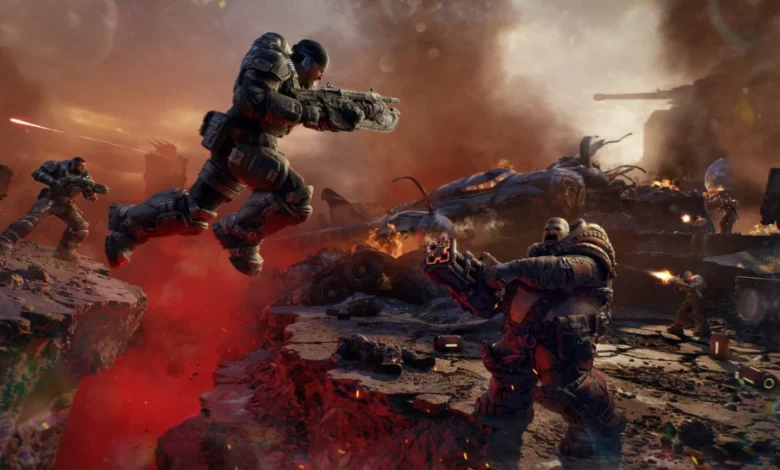
Following a recent Xbox Games Showcase that unveiled a slate of anticipated titles, and in the wake of significant industry shifts including substantial layoffs and studio divestments, Xbox is attempting to clarify its evolving strategy regarding console exclusives. The messaging, however, remains a complex tapestry woven with past pronouncements and present ambiguities, leaving stakeholders and players alike seeking a definitive roadmap.
A Renewed Focus on Exclusivity, But What Does It Mean?
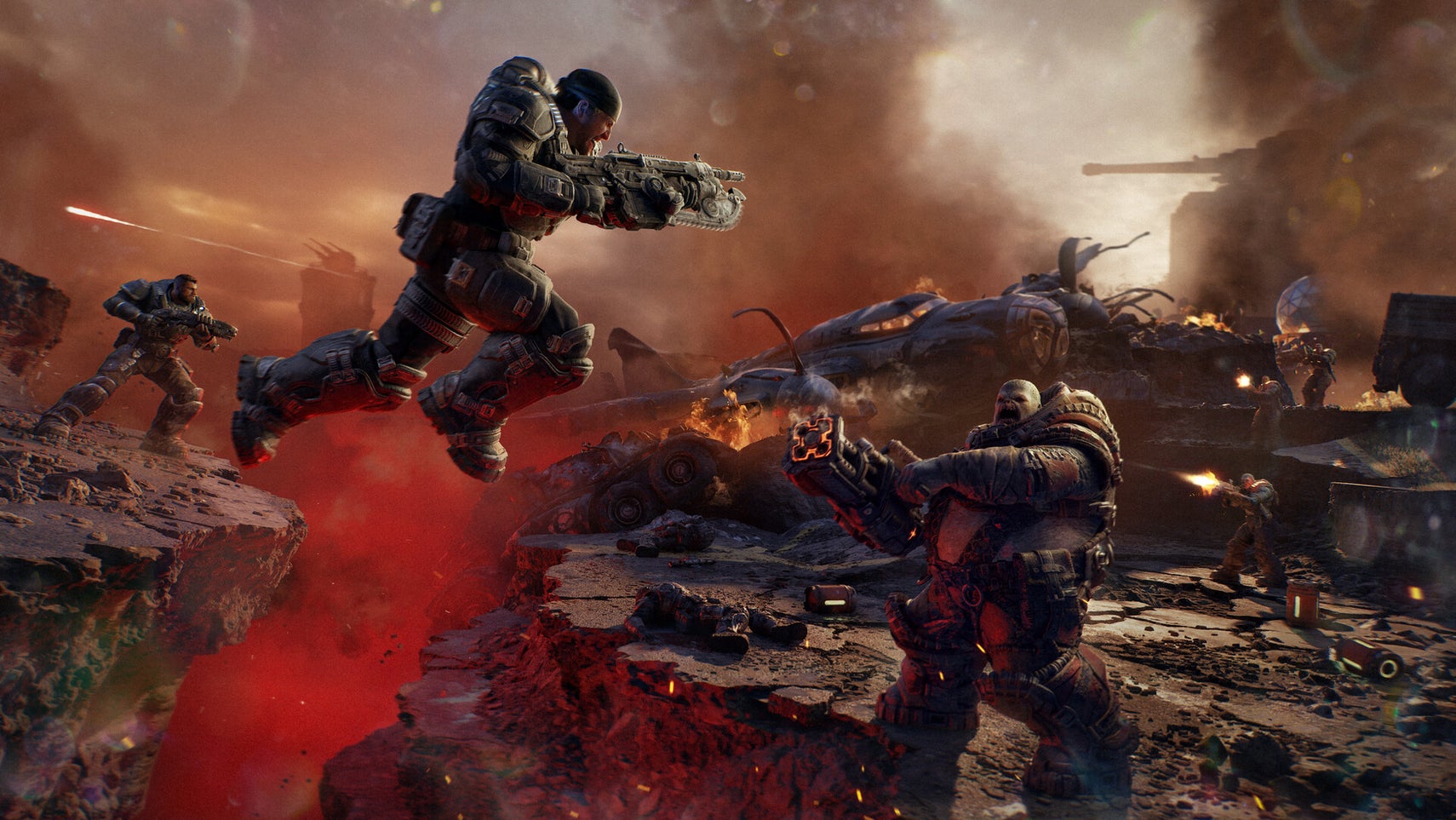
In a recent discussion with GamesRadar, Xbox’s leadership, including Chief Strategy Officer Matthew Ball and Chief Content Officer Matt Booty, addressed the persistent questions surrounding the platform’s exclusivity commitments. Ball asserted that upcoming titles such as Gears of War: E-Day and Clockwork Revolution are far from being the sole pillars of their exclusive content strategy. "I can assure you," Ball stated, "Gears of War: E-Day and Clockwork Revolution are not the only titles we’re planning. To grow a platform like ours, you have to have exclusive games and services. These are not going to be the only two titles." This statement echoes a sentiment previously expressed by Xbox leadership, suggesting a potential recalibration of their approach to securing platform appeal through exclusive offerings.
The strategic imperative for exclusive content is well-documented in the console market. Historically, platform holders have leveraged unique software to drive hardware sales and cultivate a loyal player base. For instance, Sony’s PlayStation brand has long been synonymous with critically acclaimed exclusive titles like The Last of Us, God of War, and Marvel’s Spider-Man, which have been instrumental in its market dominance. Microsoft, while having a strong portfolio of first-party studios, has, at various points, adopted a more open approach, releasing many of its flagship titles on PC simultaneously and, more recently, exploring multi-platform releases for some of its established franchises. This latest emphasis on console exclusives, therefore, signals a potential return to a more traditional competitive strategy.
The Gears of War: E-Day Conundrum
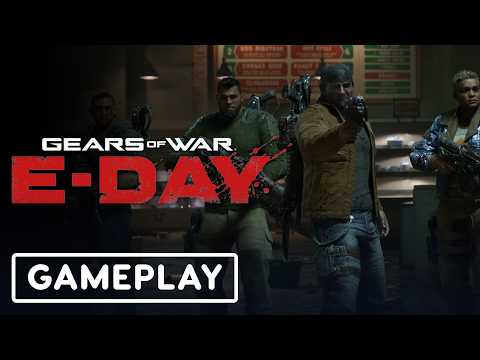
The exclusivity status of Gears of War: E-Day has been a particularly contentious point of discussion since its reveal. Despite initial developer statements suggesting no PlayStation 5 version was planned, a subsequent gameplay trailer briefly featured a PlayStation logo, fueling speculation and confusion. This ambiguity is not merely an academic debate; it has tangible implications for the game’s potential reach and, consequently, its long-term viability, especially concerning its online multiplayer components.
The franchise’s recent history adds another layer of complexity. The surprise release of Gears of War: Reloaded on PlayStation 5 last year, alongside the impending debut of Halo’s campaign on a Sony console, blurs the lines of what was once considered sacred ground for Xbox exclusivity. These moves suggest a pragmatic approach, potentially prioritizing audience size and revenue generation over strict platform adherence for certain titles.
Deciphering the "Single-Player vs. Live-Service" Dichotomy
Industry observers have posited that Xbox might be adopting a model where single-player, narrative-driven games remain Xbox console exclusives, while live-service multiplayer titles are released on multiple platforms to maximize their player base and revenue streams. This strategy mirrors, to some extent, what has been observed with Sony’s recent output, where major single-player experiences like Horizon Forbidden West and God of War Ragnarök have eventually found their way to PC, while live-service initiatives are often designed for broader accessibility.
However, Matt Booty cautioned against a rigid interpretation of this framework. He indicated that players should "wouldn’t overly fixate on single-player" as the sole determinant of exclusivity. Furthermore, he emphasized that this assumed approach "isn’t something that’s carved in stone," suggesting that the company’s strategy is fluid and subject to change. This lack of definitive categorization leaves room for interpretation and potential surprises, as the criteria for exclusivity may extend beyond the traditional single-player versus multiplayer distinction.
A Climate of Uncertainty and Evolving Priorities
The overarching message from Xbox regarding its exclusivity strategy remains a work in progress, a fact even acknowledged by Matthew Ball, who admitted that the current direction may not be "obvious to all our players." This desire for greater clarity comes at a time when the gaming industry, and particularly Microsoft’s gaming division, is navigating a period of significant upheaval.
The recent layoffs, which saw approximately 3,200 employees impacted across various Xbox studios, including Bethesda, Double Fine, and Ninja Theory, have cast a long shadow. These reductions, coupled with the announced plan for an additional 1,600 layoffs between now and next summer, indicate a strategic reevaluation and consolidation within the company. In such a climate, announcements like Bethesda’s recent roadmap revelation for its franchises, including Fallout, while exciting for fans, are viewed by some with a degree of caution, given the ongoing organizational restructuring and the potential impact on future development pipelines.
The strategic decisions made by Xbox in the coming months will be closely scrutinized. The balance between fostering a strong, exclusive console ecosystem and capitalizing on the broader market reach of multi-platform releases will be key. As the company seeks to solidify its position in an increasingly competitive landscape, the clarity and consistency of its exclusivity strategy will be paramount in rebuilding player confidence and setting expectations for the future of its gaming platforms. The journey from the initial Xbox Games Showcase to the current discourse on exclusivity reveals a company in flux, attempting to define its identity and competitive edge in a rapidly evolving industry.
Broader Industry Implications and Future Outlook
The ongoing recalibration of Xbox’s exclusivity strategy has wider implications for the console market as a whole. A stronger emphasis on console exclusives by Xbox could reignite a more pronounced competition with Sony, potentially leading to a more diverse range of exclusive titles across both platforms. Conversely, if Xbox leans heavily into multi-platform releases for its major franchises, it could further blur the lines between console ecosystems and PC gaming, a trend that has already been accelerated by many developers.

The industry’s financial pressures, as evidenced by the widespread layoffs, also play a crucial role. Companies are increasingly seeking to maximize revenue streams, and a multi-platform approach for certain genres, particularly live-service games, can be seen as a prudent financial decision. However, the long-term impact of such decisions on the perceived value of console ownership remains a subject of debate.
For players, the uncertainty surrounding exclusivity can be frustrating. The expectation of playing certain titles on a specific console is a significant factor in purchasing decisions. As Xbox attempts to articulate its vision, a clear and consistent communication strategy will be essential to manage player expectations and foster continued engagement with the Xbox ecosystem. The coming months will likely reveal more about the concrete manifestations of this evolving strategy, offering a clearer picture of Xbox’s path forward in the complex world of console gaming. The success of titles like Gears of War: E-Day and Clockwork Revolution, and how they are positioned within the exclusivity landscape, will be critical indicators of Xbox’s direction.
Related posts: