Nikon Shifts Lens Manufacturing from China to Vietnam Amidst Shifting Global Trade Dynamics

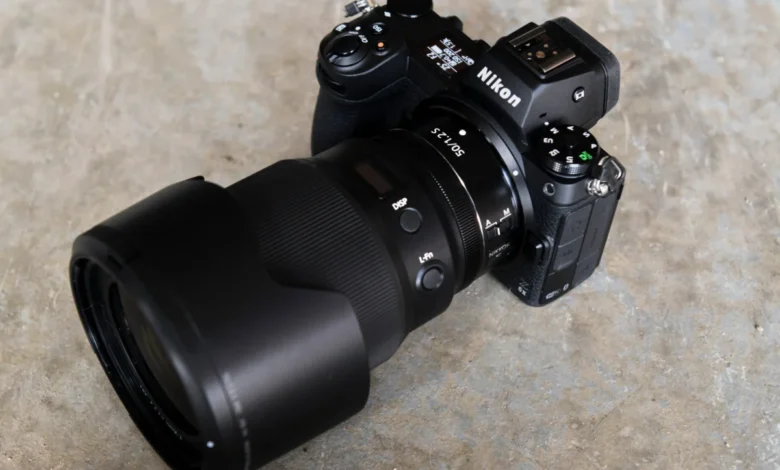
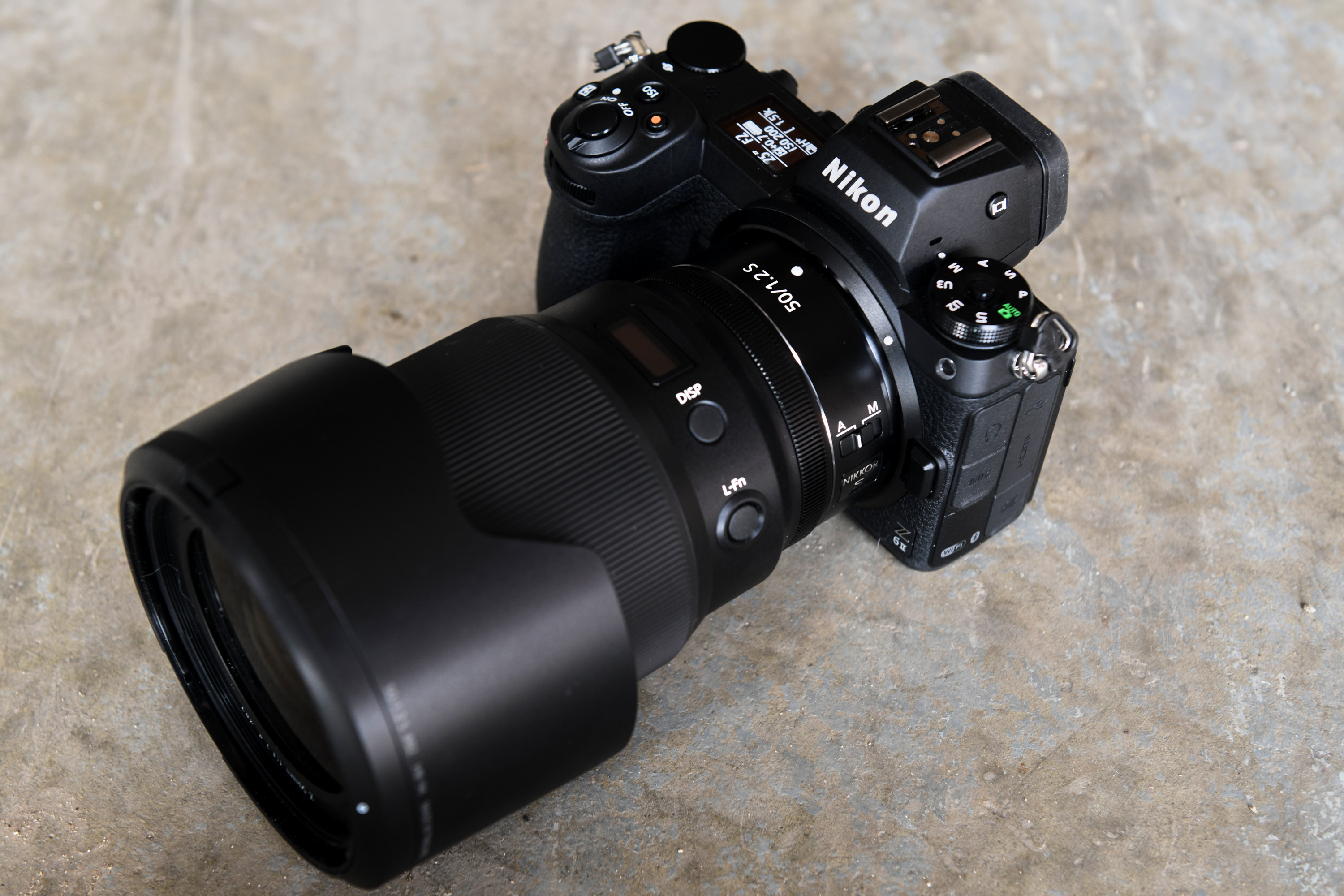
Nikon, a titan in the photographic industry renowned for its exceptional lenses such as the acclaimed 50mm f1.2, the robust 800mm f6.3 VR S, and the versatile 70-200mm f2.8 VR S, is reportedly undertaking a significant strategic adjustment in its manufacturing operations. Recent indications suggest a deliberate migration of some lens production facilities from China to Vietnam, a move driven by a complex interplay of global trade policies, economic pressures, and supply chain diversification efforts. This strategic pivot, while not yet accompanied by a formal, broad-scale announcement from Nikon, is being closely observed by industry analysts and photographers alike, signaling a potential recalibration of global manufacturing landscapes for high-end optical equipment.
The genesis of this shift can be traced back to meticulous analysis of manufacturing origins and serial number tracking. Reports from specialized industry sources, including Nikon Rumors, which cite insights from Roland and cross-referenced with data from the Nikon serial-number tracking site Photosynthesis, have brought this development to light. A concrete example illustrating this transition is the Nikon Z 28-75mm f2.8 lens. Initially manufactured in China, subsequent batches of this popular lens have begun appearing with "Made in Vietnam" markings on both the product itself and its retail packaging. This subtle yet significant change indicates a phased relocation of production lines rather than an immediate, wholesale transfer. Further evidence emerges from Nikon’s official website, which now lists the Z DX MC 35mm f1.7 as a lens manufactured in Vietnam. This suggests that while the physical relocation of production may be well underway, the official documentation and public-facing information are still catching up, or that Nikon is opting for a more gradual approach to formalizing these changes.
The Geopolitical and Economic Underpinnings of the Manufacturing Shift
The primary impetus behind Nikon’s manufacturing relocation appears to be the escalating trade tensions and associated tariff structures between the United States and China. For several years, tariffs imposed under Section 301 of the US Trade Act have significantly increased the cost of goods manufactured in China and imported into the United States. These tariffs, which can amount to as much as a 25% surcharge, have created substantial financial burdens for companies reliant on Chinese manufacturing. Compounding this, an additional 10% surcharge under Section 122, applied globally, further elevates the landed cost of Chinese-made products.
This combined tariff structure means that products manufactured in China can face a substantial price increase, potentially reaching 35% or more, when factoring in import duties. In contrast, lenses produced in Vietnam, while not entirely immune to global trade adjustments, generally incur significantly lower tariffs, often around 10%. This disparity creates a considerable cost advantage for manufacturing in Vietnam. For Nikon, and indeed many other global manufacturers, this differential directly impacts product pricing and competitiveness. The prospect of significantly higher costs for Chinese-made lenses could deter photographers, particularly those operating on tighter budgets, from purchasing Nikon’s offerings, potentially driving them towards third-party lens manufacturers who may have more flexible or diversified production bases.
Adding another layer of complexity to this situation is the recent unconstitutionality ruling regarding certain trade tariffs, which has led to approximately $81 billion in government refunds being issued to companies that had overpaid. Nikon, like many other international brands, had been navigating these financial obligations for an extended period, paying higher rates for policies that were subsequently deemed illegal. This situation underscores the volatile and unpredictable nature of international trade policy, further incentivizing companies to seek more stable and predictable manufacturing environments. The move to Vietnam, in this context, represents not only a response to current tariff structures but also a proactive strategy to mitigate future risks associated with geopolitical trade disputes.
The Cost of Relocation and Its Absorption
It is crucial to acknowledge that relocating manufacturing operations is not a cost-neutral undertaking. Establishing new production lines, retooling machinery, training new workforces, and managing the logistical complexities of shifting an entire supply chain involve substantial upfront investment. These considerable costs, incurred by Nikon in the process of moving its lens production, are likely to be absorbed over time. This absorption will, in all probability, be reflected in the future pricing of the affected lenses. While the immediate goal of moving production might be to mitigate existing tariff costs, the long-term financial implications of the relocation itself will need to be factored into the company’s financial strategy. This could mean that while the tariff burden might decrease, the overall price point for certain lenses might still see an adjustment due to the investment in establishing Vietnamese manufacturing capabilities.
Impact on Photographers: Quality and Cost Considerations
For photographers, the news of Nikon shifting its manufacturing base raises natural questions about product quality and potential cost implications. Historically, there has often been a perception that products manufactured in Japan, the traditional hub for high-end optical engineering, possess a superior quality standard compared to those made elsewhere. However, this notion requires nuanced consideration in the current global manufacturing landscape.

The quality of a lens is not solely determined by its country of origin but rather by the stringent quality control processes, the expertise of the engineering teams, and the precision of the manufacturing machinery employed. Nikon has a long-standing reputation for excellence in optical design and manufacturing, regardless of the specific geographical location of its factories. The company’s commitment to maintaining high standards is likely to extend to its Vietnamese production facilities, which will be subject to the same rigorous quality assurance protocols that have defined Nikon’s products for decades.
Furthermore, the article subtly hints at a potential collaborative element in Nikon’s manufacturing strategy. The mention of Tamron producing lenses in Vietnam raises an interesting possibility: that Nikon might be leveraging Tamron’s existing manufacturing infrastructure or expertise in Vietnam for some of its own lens production. If this is indeed the case, it would further bolster confidence in the quality of Nikon’s Vietnamese-made lenses, as Tamron itself is a highly respected lens manufacturer with a strong track record. This suggests that the "Made in Vietnam" label does not inherently signify a compromise in quality, but rather a strategic decision to optimize production in response to global economic realities.
The primary impact for photographers, therefore, is likely to be felt in the cost of acquiring new Nikon lenses. While the move to Vietnam aims to circumvent higher tariffs on Chinese imports, the inherent costs of establishing new manufacturing facilities will eventually need to be factored into pricing. Photographers may see a stabilization or even a potential decrease in the prices of certain lenses compared to what they might have cost with higher tariffs in place. However, the investment in the relocation itself could lead to modest price adjustments. The key takeaway for consumers is to assess individual lenses based on their optical performance, build quality, and overall value proposition, rather than solely on their country of manufacture. The evolving global supply chain means that high-quality photographic equipment can increasingly originate from a variety of advanced manufacturing hubs, with Vietnam emerging as a significant player.
Broader Implications for the Photography Industry
Nikon’s strategic shift is emblematic of a broader trend within the consumer electronics and high-tech manufacturing sectors. Companies across various industries are re-evaluating their reliance on single-country manufacturing bases, particularly in light of geopolitical uncertainties and fluctuating trade policies. Vietnam has emerged as an increasingly attractive alternative for manufacturers seeking to diversify their supply chains, benefiting from favorable trade agreements, a growing skilled labor force, and a government supportive of foreign investment.

This move by Nikon could serve as a catalyst for other camera and lens manufacturers to explore similar diversification strategies. The increased presence of major optical manufacturers in Vietnam could lead to the development of a more robust local supply chain for components, specialized tooling, and skilled labor, further enhancing the country’s manufacturing capabilities. This could, in turn, foster greater competition and innovation within the industry.
The long-term implications of this manufacturing diversification are multifaceted. It could lead to a more resilient global supply chain for photographic equipment, less susceptible to single-point disruptions. It may also contribute to a more balanced global distribution of manufacturing expertise and economic benefits. For photographers, this evolving landscape promises continued access to cutting-edge optical technology, potentially with a wider range of pricing structures as manufacturers adapt to new production paradigms. The narrative of "Made in Japan" being the sole arbiter of quality is gradually being replaced by a more nuanced understanding that exceptional craftsmanship and technological advancement can be achieved in various global manufacturing centers, driven by strategic investment, rigorous quality control, and a commitment to innovation.