Kenshi Surpasses Three Million Sales Milestone as Lo-Fi Games Celebrates the Enduring Success of Its Unforgiving Sandbox RPG

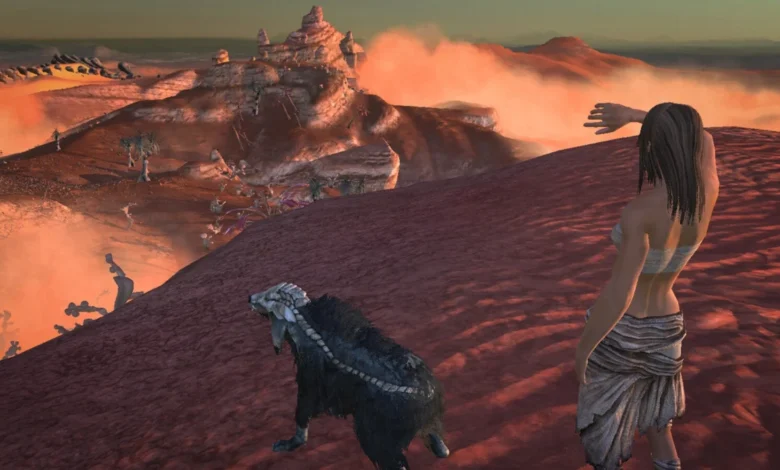
The landscape of the modern gaming industry is often dominated by high-budget blockbusters and meticulously polished cinematic experiences designed to appeal to the widest possible audience. However, the recent announcement from Lo-Fi Games, an independent developer based in Bristol, United Kingdom, serves as a potent reminder that there is a massive, dedicated market for experiences that are unapologetically difficult, visually unconventional, and systemically complex. This week, the studio officially confirmed that its flagship title, Kenshi, has surpassed three million copies sold worldwide since its initial debut.
This milestone represents a significant achievement for a project that began as the solitary vision of a single developer and evolved over more than a decade into a cult phenomenon. To put the three million figure into perspective, it rivals or exceeds the sales performance of several high-profile "Triple-A" releases within the same genre space. The accomplishment is particularly noteworthy given Kenshi’s reputation as one of the most demanding and "stubborn" role-playing games (RPGs) on the market—a game that offers no tutorials, no "chosen one" narrative, and no mercy to the uninitiated.
A Decadelong Journey: The Evolution of Kenshi
The story of Kenshi is inextricably linked to its creator, Chris Hunt, who began working on the title in 2006. For the first several years of development, Hunt worked largely in isolation, often taking jobs as a security guard to fund the project. His goal was to create a "swords-punk" sandbox where the player was not the center of the universe, but rather a vulnerable inhabitant of a vast, indifferent world.
Kenshi was among the earliest titles to find success through the Steam Early Access program, launching there in 2013. This period was critical for the game’s development, as it allowed a growing community of players to provide feedback and financial support while Hunt expanded his team at Lo-Fi Games. The game remained in development for twelve years before its official "1.0" release in December 2018. During that time, the scope of the game expanded from a simple survival simulation into a massive, multi-faceted RPG featuring base building, faction warfare, and a complex economy.
The transition from a one-man project to a full studio in Bristol allowed for the refinement of the game’s 870-square-kilometer map—one of the largest hand-crafted environments in gaming history. Despite the long development cycle and the technical hurdles of using the aging OGRE engine, the game maintained a steady upward trajectory in both player count and critical recognition.
Systemic Depth and the "Anti-Power Fantasy"
Kenshi’s success is often attributed to its refusal to follow traditional RPG conventions. In most modern titles, the player character is granted immediate importance and power. In Kenshi, the player typically begins as a nameless, weak individual with no skills and no money. It is entirely possible—and frequently expected—for a new player to be beaten by starving bandits, sold into slavery, or eaten by local wildlife within the first hour of gameplay.
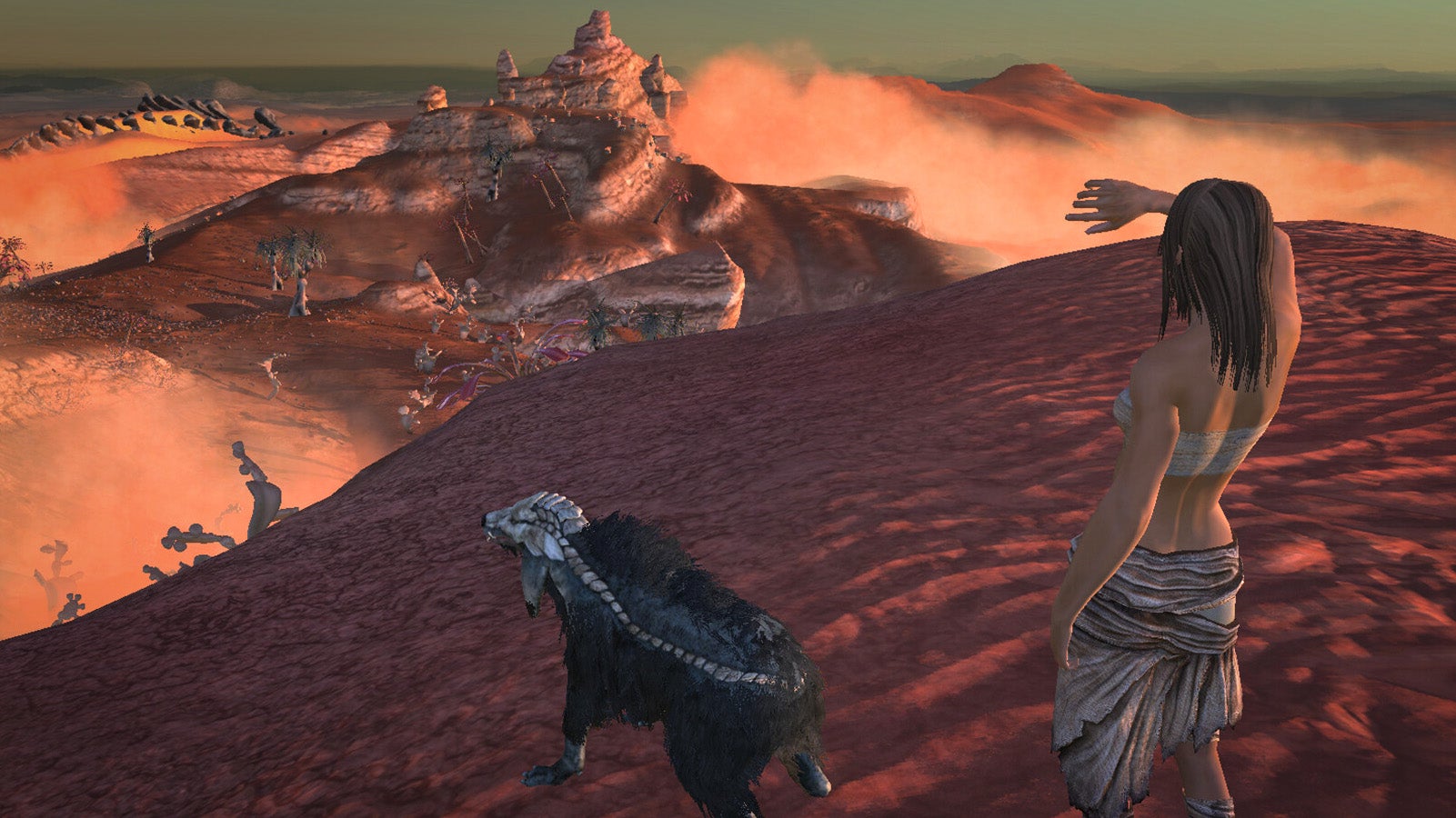
This "anti-power fantasy" creates a unique sense of progression. Every small victory, such as successfully mining enough copper to buy a loaf of bread or surviving a desert trek without losing a limb, feels earned. The game utilizes a "learn by doing" skill system; to become better at taking a hit, a character must literally be beaten up. To become a better runner, one must spend hours traversing the dunes.
The game’s world is governed by a series of interconnected systems rather than scripted events. Factions will go to war, trade caravans will move between cities, and predators will hunt prey regardless of whether the player is present. This emergent gameplay allows for "organic" storytelling where players create their own narratives through their struggles. This depth has earned the game high praise from critics, including those at Rock, Paper, Shotgun, who described the game as "eternal, unknowable, and remarkable."
Comparative Market Analysis
The three million sales milestone places Kenshi in an elite category of independent "long-tail" successes. While many games see the bulk of their sales in the first month of release, Kenshi has demonstrated remarkable "stickiness," with sales remains consistent years after its 2018 launch.
Industry analysts point out that reaching three million units is an extraordinary feat for a game with "low-fidelity" graphics and a premium price tag. For comparison, recent reports suggest that high-budget titles like Dragon Age: The Veilguard face immense pressure to reach similar numbers just to break even on their massive marketing and development budgets. Kenshi, produced with a fraction of those resources, represents a far more profitable model for its creators.
The game’s performance is comparable to other "system-heavy" indie hits such as RimWorld or Project Zomboid. These titles share a common thread: they provide players with a "forever game" experience where the depth of the simulation provides hundreds, if not thousands, of hours of replayability. On Steam, Kenshi maintains a "Very Positive" rating with over 70,000 reviews, a testament to its enduring appeal and the quality of its simulation.
The Role of the Community and Modding
A vital component of Kenshi’s longevity is its robust modding community. Lo-Fi Games designed the title to be highly modular, and the Steam Workshop currently hosts over 10,000 user-created mods. these range from simple graphical "reshades" to massive overhauls that add new factions, weapons, and entire gameplay mechanics.
The community has also embraced the game’s lore and its "weirdness." Characters like "Beep," a Hive worker with aspirations of becoming a great warrior, have become internet memes, further driving the game’s visibility on social media and streaming platforms. Lo-Fi Games specifically acknowledged this community in their milestone announcement, thanking the "modders, fan artists, storytellers, and Beep enthusiasts" who helped the game reach its current heights.
The studio’s statement emphasized the grassroots nature of their success: "To the people who picked Kenshi up on a whim… to everyone who’s ever pointed a friend toward Kenshi, posted a screenshot, or clocked more hours than they’d care to admit. Thank you. We wouldn’t be here without you."
Official Response and Future Implications
The celebration of three million sales is not just a look back at past achievements but also a signal of the studio’s future. Lo-Fi Games is currently in the midst of developing Kenshi 2, which is set to be a prequel taking place 1,000 years before the events of the first game.
The success of the original Kenshi has allowed the studio to scale up the development of the sequel significantly. Kenshi 2 is being built using Unreal Engine 4, a move intended to address many of the technical limitations and performance issues that plagued the first game’s custom engine. The financial stability provided by three million sales ensures that the studio can maintain its independence and creative control, avoiding the need for external publishers or investors who might demand the game be "watered down" for a casual audience.
The implications for the wider indie scene are also clear. Kenshi’s success validates the "slow-cooker" approach to game development. By focusing on a specific niche and refusing to compromise on its core vision of a harsh, systemic world, Lo-Fi Games has built a brand that is more resilient than many of its more polished competitors.
Conclusion: The Legacy of a Desert Wanderer
Kenshi stands as a landmark title in the survival and RPG genres. It proved that players are not afraid of difficulty or unconventional aesthetics if the underlying systems are deep enough to support meaningful player agency. Its journey from a security guard’s passion project to a three-million-selling powerhouse is one of the most remarkable success stories in the history of the UK games industry.
As Lo-Fi Games continues work on Kenshi 2, the original game remains a fixture of the PC gaming landscape. Its world of cannibals, robotic skeletons, and acid rain continues to attract new "drifters" every day, all of whom are eager to see if they have what it takes to survive in a world that truly does not care if they live or die. The milestone reached this week is more than just a number; it is a validation of the idea that in a world of increasingly homogenized entertainment, there is still a massive appetite for something truly unique.