Tesla Cybertruck Emerges As America’s Fastest-Selling Used Pickup In New iSeeCars Study Despite Impending Production Halt

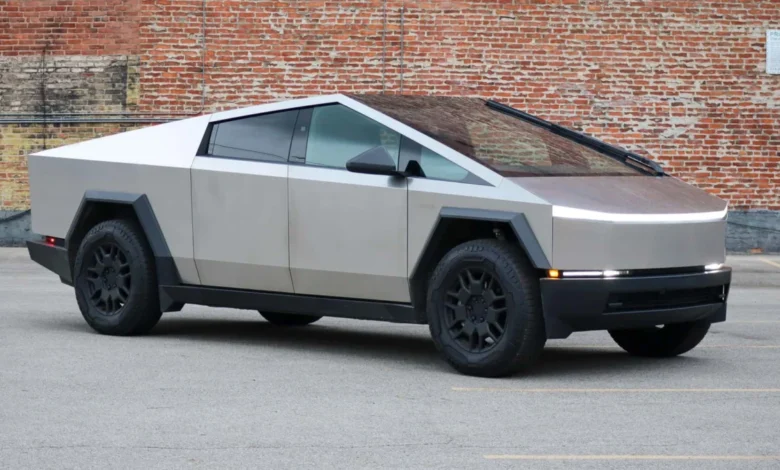
The automotive marketplace often defies conventional wisdom, particularly in the rapidly evolving sector of electric vehicles. When automotive analysts attempt to predict consumer behavior regarding used pickup trucks, traditional favorites immediately come to mind. Vehicles such as the Toyota Tacoma, renowned for its stellar residual values and status as America’s top-selling midsize truck, or the exceptionally efficient Ford Maverick Hybrid typically dominate expectations for high-demand, quick-turnaround pre-owned inventory. However, comprehensive market data compiled by automotive research firm iSeeCars reveals a surprising industry leader: the polarizing, stainless-steel-clad Tesla Cybertruck.
According to the extensive data study—which analyzed approximately 1.1 million used vehicles changing hands across the United States during the month of October—the Tesla Cybertruck surged past all traditional and electric rivals to capture the title of the fastest-selling used pickup truck on the market. This remarkable consumer demand materialized prior to Tesla’s official corporate announcement that it plans to sunset Cybertruck production entirely at the conclusion of the summer in 2027. By examining pre-owned passenger vehicles aged one to five years old, the iSeeCars study provides a critical lens into how secondary markets value avant-garde automotive engineering, brand cachet, and shifting consumer preferences amidst fluctuating economic realities.
Decoding the Data: How the Cybertruck Outpaced the Competition
In the intricate ecosystem of automotive remarketing, days-on-market metrics serve as a primary indicator of consumer demand and liquidity. The comprehensive iSeeCars findings established a baseline average of 65.5 days for a used pickup truck to find a new owner across the broader American market. Against this benchmark, the Tesla Cybertruck shattered expectations, lingering on dealer lots and private sale listings for an average of just 39.1 days.
The Cybertruck’s closest competitor in this specific metric was another fuel-conscious American favorite, the Ford Maverick Hybrid, which averaged 43.3 days on the market. Hot on its heels were other battery-electric pickup alternatives, including the Rivian R1T at 45.2 days and the Ford F-150 Lightning at 47.4 days. Interestingly, the perennially popular Toyota Tacoma—widely celebrated for its ability to retain purchase value—found itself trailing behind these electric contenders, securing fifth position in the overall rankings.
Yet, a closer examination of the broader electric truck landscape reveals a stark polarization in consumer appetite. While the Tesla Cybertruck commanded the top spot with a rapid 39.1-day turnover, the opposite end of the spectrum highlighted significant struggles for other domestic EV offerings. A used Chevrolet Silverado EV languished on dealership lots for an average of 107.5 days before securing a buyer, placing it firmly at the bottom of the 24 trucks evaluated in the study. This staggering 68-day discrepancy between two prominent American electric pickups underscores a fragmented secondary market where brand prestige, software ecosystems, and styling vastly influence liquidity.
To put these figures into a broader macroeconomic perspective, the wider used electric vehicle market averaged roughly 46 days to complete a transaction during the same period. This efficiency placed used EVs approximately nine days faster than used hybrid vehicles and roughly 15 days faster than traditional internal combustion engine (ICE) gas-powered vehicles, signaling a maturing and increasingly receptive pre-owned EV consumer base.
A Volatile Timeline: The Wild Ride of Cybertruck Resale Values
The rapid turnover rate observed in the October data represents a fascinating evolution from the tumultuous financial trajectory the Cybertruck has experienced since its initial customer deliveries began. The journey of the vehicle’s secondary market value serves as a case study in automotive hype cycles, speculative investing, and subsequent market corrections.
In the early months following the vehicle’s commercial rollout in late 2023 and early 2024, the secondary market was characterized by intense speculative fervor. In May 2024, early adopters who managed to secure initial units—frequently high-priced, fully-loaded Foundation Series models—attempted to capitalize on extreme scarcity. Some private sellers listed their trucks for close to $200,000, prompting an immediate backlash and swift reality check from the open market. Sellers quickly realized that the initial wave of hype had crested, forcing aggressive price adjustments. Within weeks, prominent listings saw price cuts slashing as much as $30,000 from asking prices as sellers scrambled to offload their novelty assets.
By December 2024, the market narrative had shifted dramatically. Industry reports highlighted that used Cybertrucks were beginning to accumulate significantly on dealership lots. Data from that period indicated that the average days-on-market for a pre-owned Cybertruck had ballooned to 75 days—a sharp increase from the brisk 27-day turnaround observed back in May. Dealerships that had accepted high-value trade-ins suddenly found themselves holding inventory that was depreciating faster than anticipated.
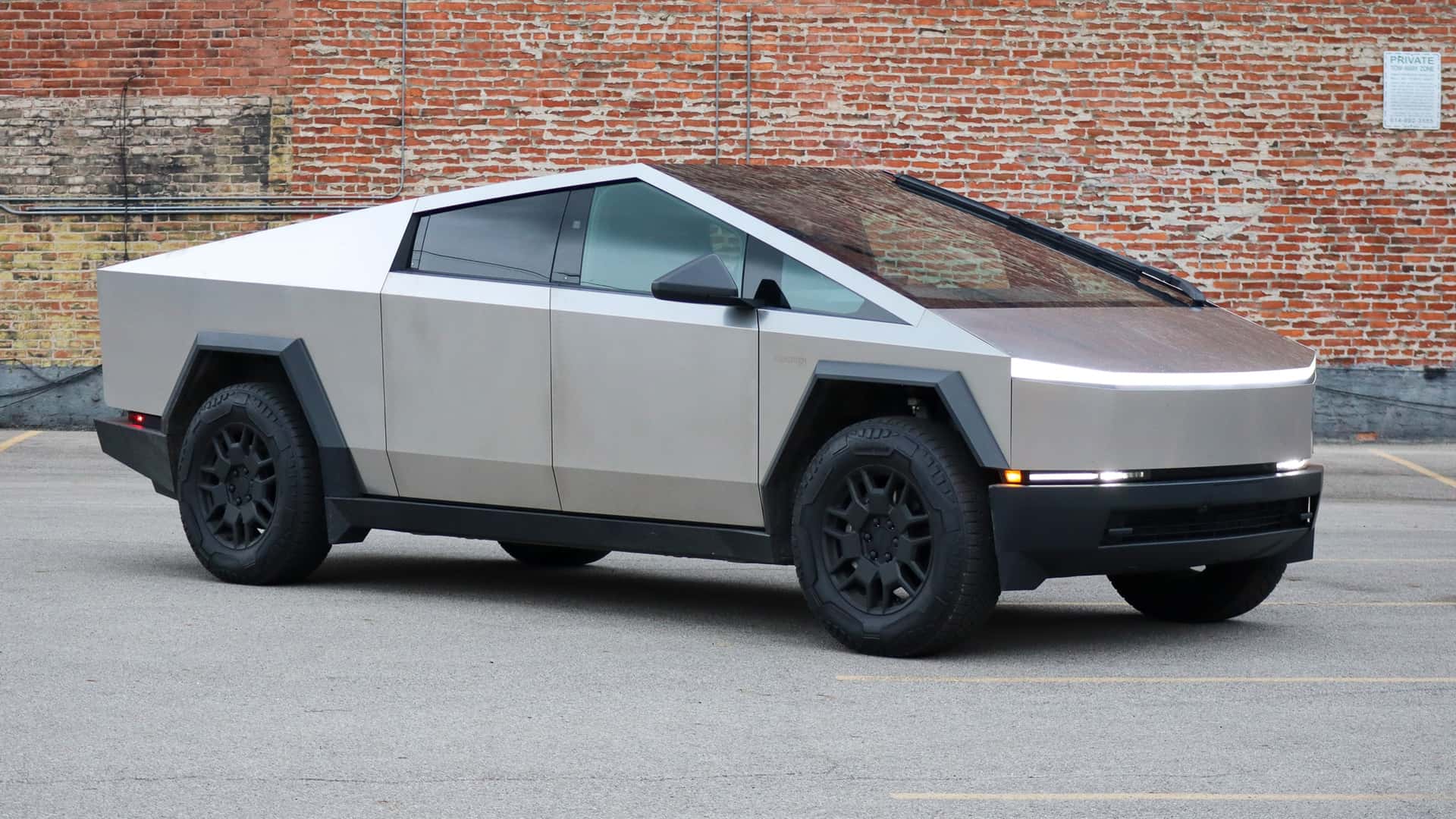
The reality of aggressive depreciation hit home hardest when owners attempted to trade their vehicles back to the manufacturer. By May 2025—roughly one year after the peak speculative frenzy—trade-in valuations provided by Tesla shocked early adopters. Official corporate trade-in estimates revealed that an owner of a dual-motor Foundation Series truck originally retailed at $99,990 was offered a paltry $65,400 after driving the vehicle a mere 6,211 miles. This sudden loss of nearly 35% of the vehicle’s value in a relatively short ownership window signaled that the initial collector bubble had definitively burst.
Crucially, while the recent iSeeCars study highlights that the Cybertruck is currently the fastest-selling used pickup, the research did not disclose the actual transaction prices paid by buyers. Consequently, industry analysts remain cautious, unable to definitively confirm whether sellers achieved their desired asking prices or were forced to accept deep discounts to achieve that rapid 39.1-day sales velocity.
The Looming Deadline: Production Extension and Its Market Impact
Compounding the complex valuation dynamics of the Tesla Cybertruck is the manufacturer’s strategic pivot regarding the vehicle’s long-term manufacturing lifecycle. Corporate communications have established a definitive endpoint for the vehicle’s assembly line, fundamentally altering how future collectors and utility buyers view the asset.
Initially, Tesla Chief Executive Officer Elon Musk indicated that Cybertruck manufacturing operations at Gigafactory Texas would conclude around the middle of 2027. However, high backlog demand and ongoing adjustments to production lines prompted corporate leadership to extend the manufacturing run, pushing the final assembly of the last new Cybertrucks to the end of the summer in 2027. This decision provides a definitive terminal date for the vehicle’s first-generation production run, injecting a sense of artificial scarcity into both the new and pre-owned vehicle markets.
This upcoming production halt directly influences consumer choice on Tesla’s official configurator. Customers attempting to purchase a brand-new Cybertruck are currently restricted to the high-end, tri-motor Cyberbeast variant, which commands a starting price of approximately $110,000. For consumers seeking a more affordable point of entry—specifically the dual-motor configuration—the secondary market remains the exclusive avenue for acquisition once current dealer inventories of new mid-tier units are fully depleted.
Future Implications for the Used Electric Truck Market
As the automotive industry looks toward the eventual cessation of Cybertruck production in late 2027, analysts are projecting a profound transformation in how the vehicle is categorized by the purchasing public.
Once the final brand-new Cybertruck rolls off the Texas assembly line, the psychological barrier separating the vehicle from traditional utility trucks is expected to solidify. On one hand, automotive collectors and brand enthusiasts are anticipated to view late-model, low-mileage Foundation Series examples through a distinctly historical lens. Buyers seeking a pristine, highly-optioned example of Tesla’s controversial stainless-steel experiment will likely be willing to pay a premium, particularly if regional inventory is scarce and the alternative requires waiting months or traveling significant geographic distances to secure a clean specimen.
Conversely, everyday truck consumers whose primary motivations center on utility, towing capability, and daily operational efficiency are expected to approach the pre-owned Cybertruck with pragmatic indifference to its production status. If a used dual-motor Cybertruck is competitively priced alongside contemporary competitors like the Ford F-150 Lightning or the Rivian R1T, rational buyers will prioritize standard operational metrics. Factors such as verified battery health, remaining powertrain warranty coverage, odometer readings, and overall structural condition will supersede historical novelty.
Ultimately, the revelation that the Tesla Cybertruck leads the pre-owned market in sales velocity demonstrates that consumer appetite for bold automotive design and advanced EV technology remains remarkably resilient, even in the face of steep depreciation curves and impending corporate production phase-outs. As the secondary market matures toward the 2027 manufacturing deadline, the Cybertruck will continue to serve as a fascinating barometer for the viability, volatility, and eventual stabilization of electric utility vehicles in America.
Related posts: