Xiaomi 18 Fold Review: Unmatched Hardware Brilliance Stifled by Regional Software Boundaries


The ongoing evolution of the foldable smartphone market has consistently forced manufacturers to balance physical engineering against software capability. Xiaomi’s release of the passport-style Xiaomi 18 Fold highlights this ongoing industry tension, offering groundbreaking hardware specifications that outclass prominent competitors while remaining restricted by a mainland-China-exclusive software ecosystem. Priced starting at 10,999 yuan (approximately $1,640), the device undercuts western market alternatives such as the Samsung Galaxy Z Fold 8 and the Apple iPhone Duo, yet presents distinct logistical hurdles for international consumers.
Chronology and Market Positioning
Xiaomi’s journey into the foldable sector began in 2021 with experimental book-style and flip designs, gradually refining its hardware approach to match consumer demand for wider, more ergonomic outer displays. The introduction of the Xiaomi 18 Fold follows closely on the heels of competitor announcements in the passport-style foldable category, arriving just days after Apple revealed its wide foldable equivalent.
Despite an official global launch event held earlier in the week for the Xiaomi 18 Pro and 18 Pro Max series, Xiaomi opted to omit the 18 Fold from international markets, designating it a mainland-China-exclusive release. This decision mirrors historical industry trends where regional firmware strategies precede broader distribution, though company representatives have not confirmed a timeline for a global ROM adaptation. Consequently, consumers outside of China must rely on grey-market importation, incurring additional costs and accepting significant software compromises.
Design, Ergonomics, and Hardware Engineering
The primary engineering achievement of the Xiaomi 18 Fold lies in its physical dimensions and weight management. Weighing 219 grams, the device is 35 grams lighter than the Apple iPhone Duo and only 18 grams heavier than the Samsung Galaxy Z Fold 8, despite housing a significantly larger energy storage system. When calculating total folded volume, the 18 Fold measures 105.37 cubic centimeters, occupying roughly 6 percent less physical space than the iPhone Duo and competing closely with ultra-thin alternatives like the Oppo Find N6.
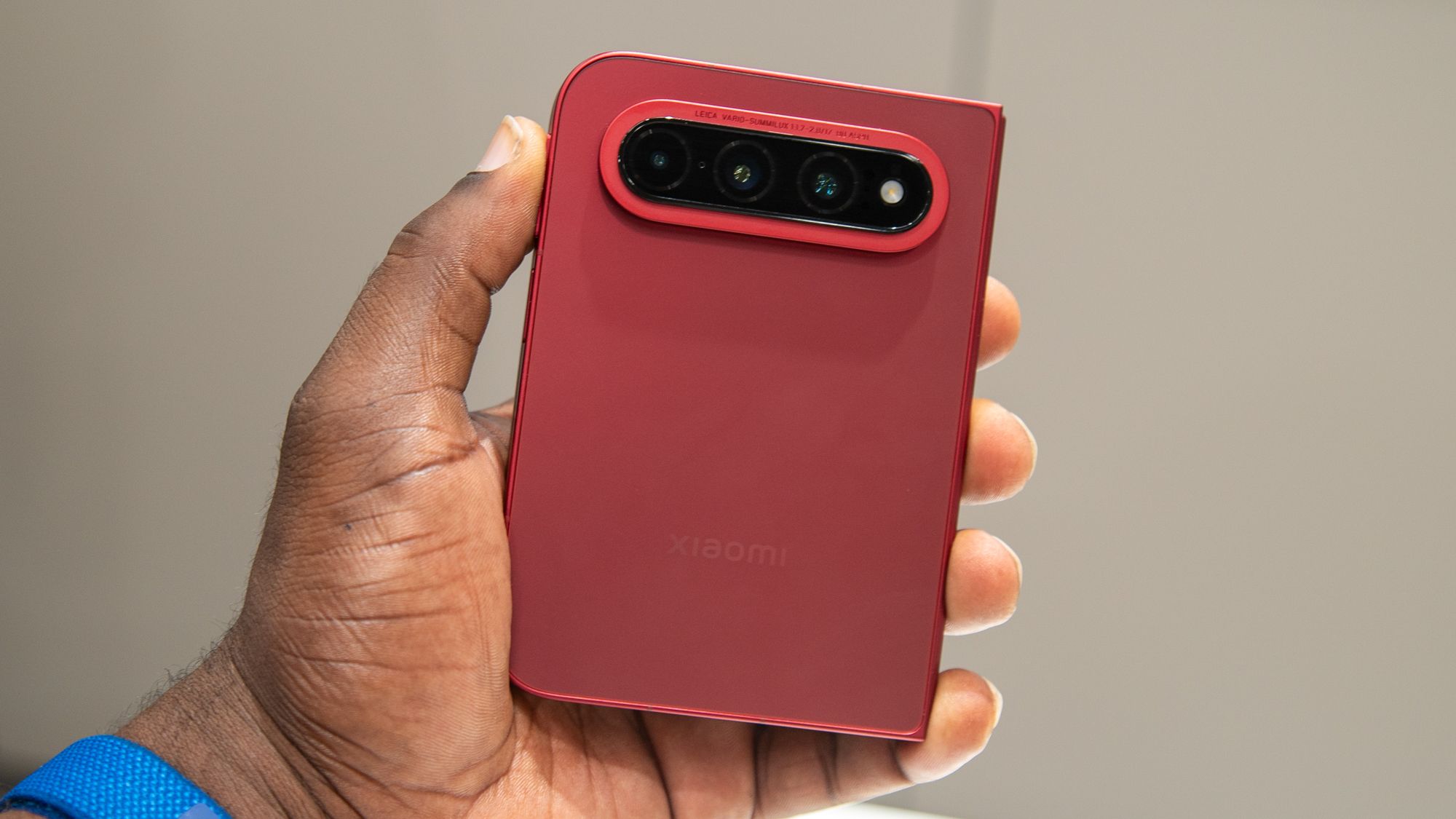
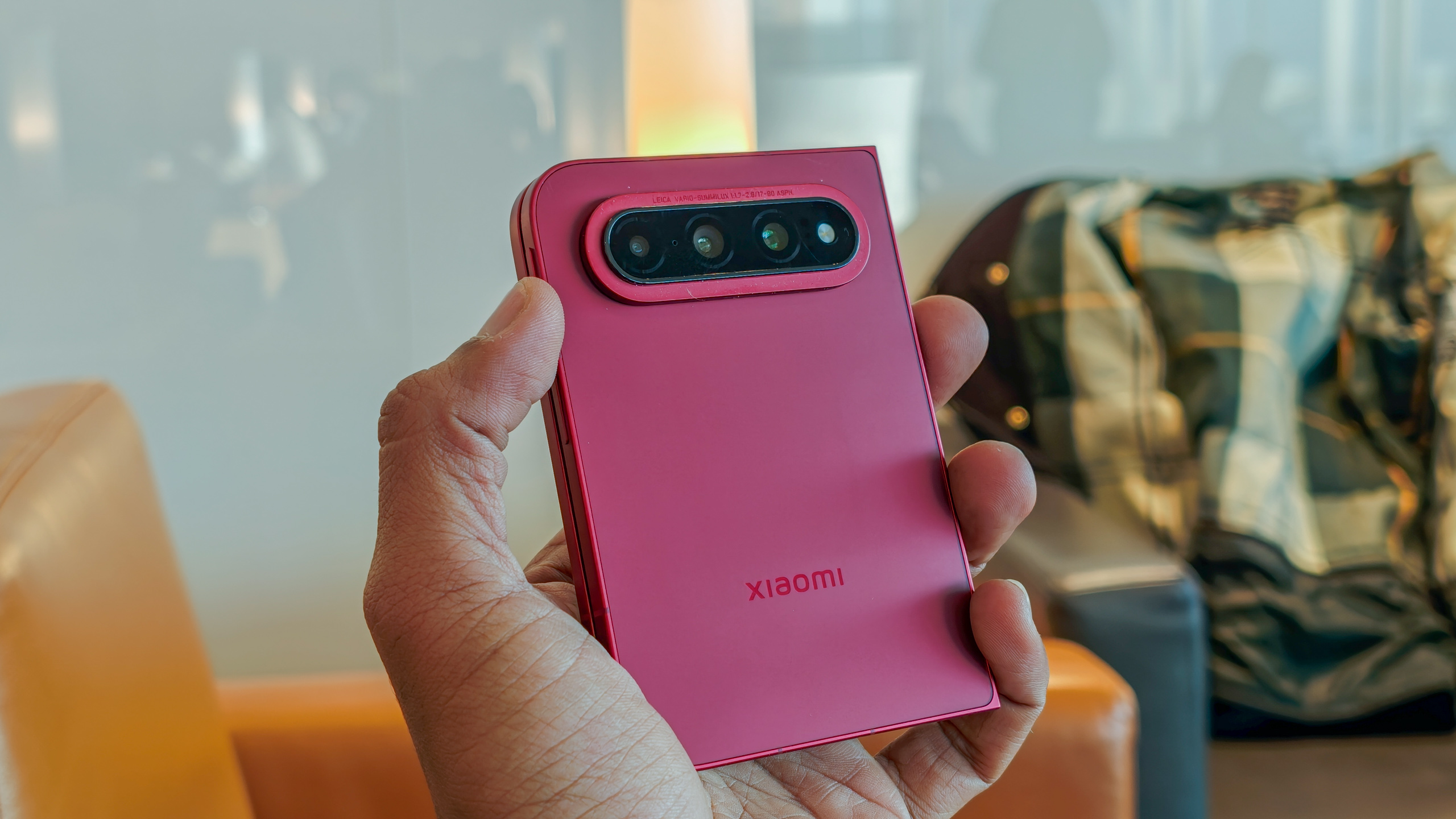
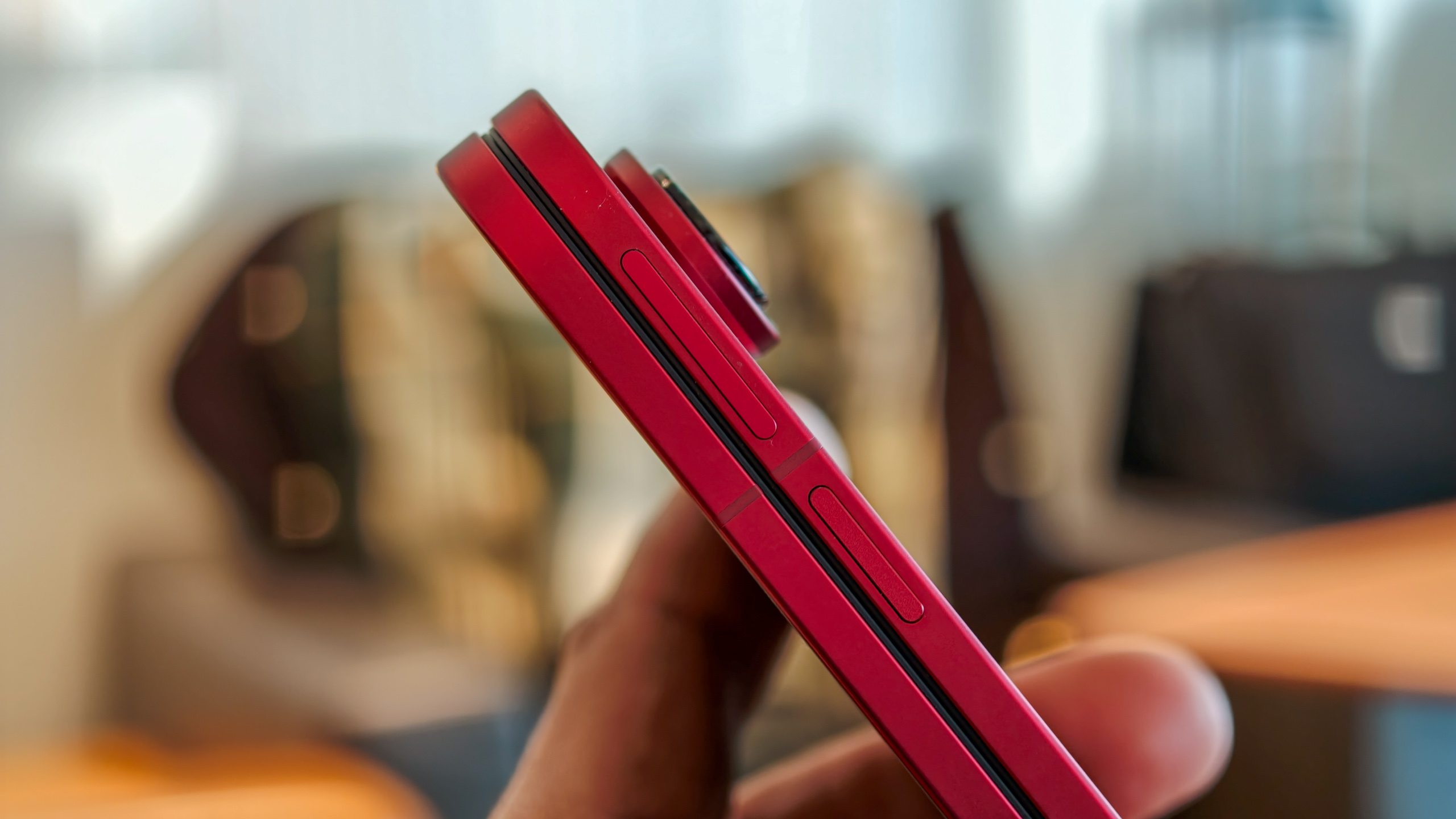
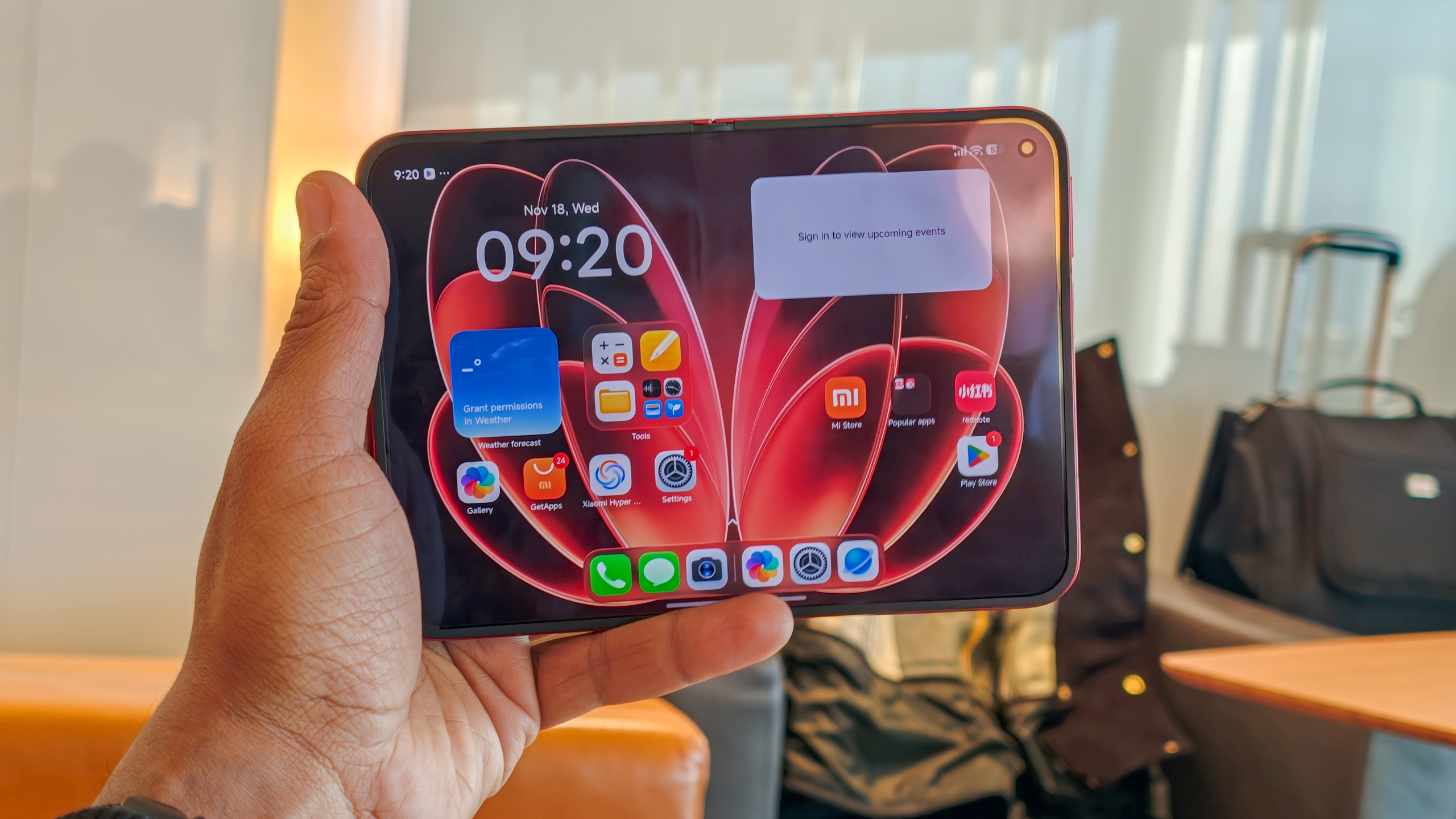
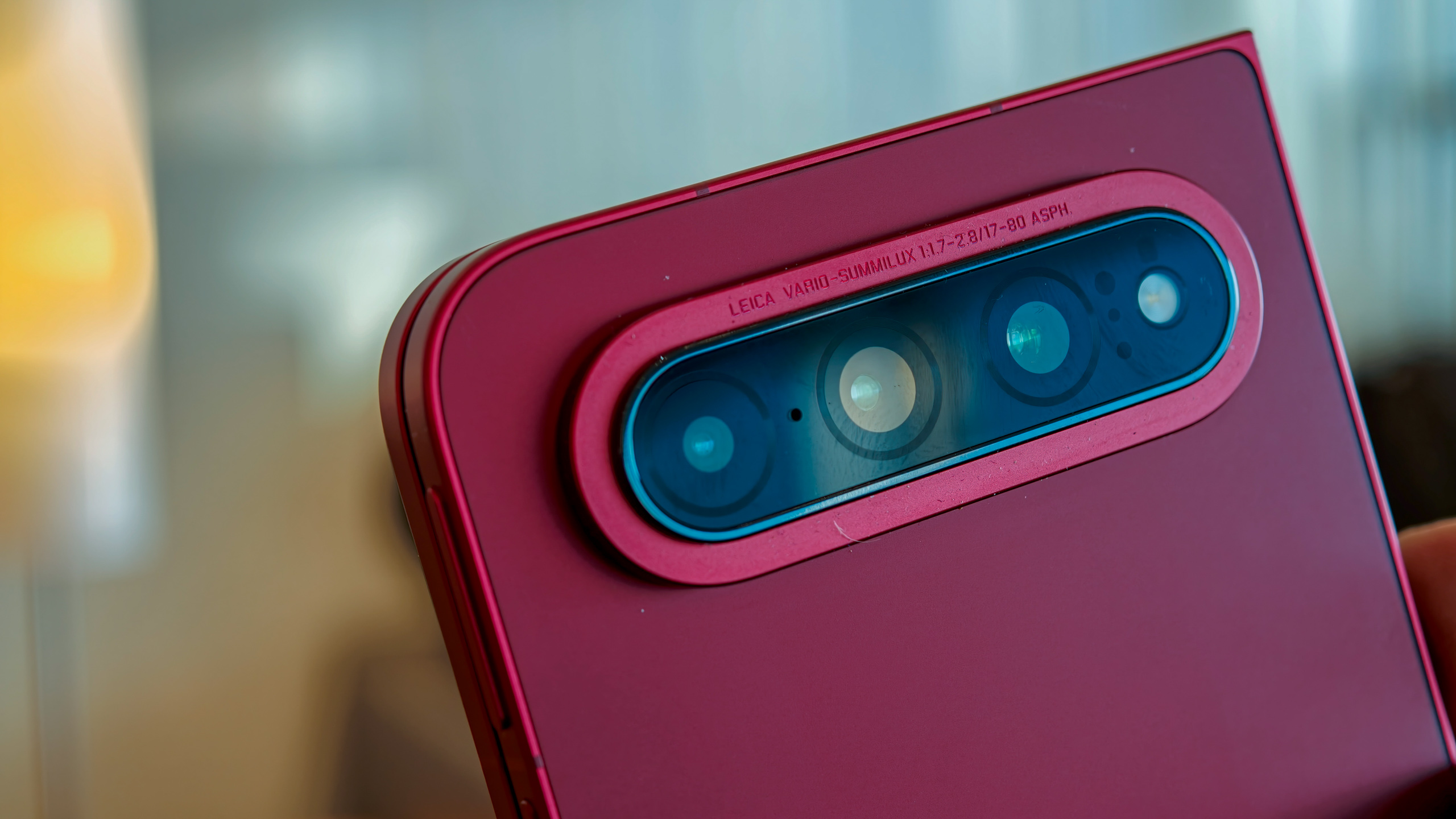
Constructed with a matte Nishino Red glass finish over a dark metal frame, the device features a 5.02mm thin profile when unfolded. The horizontal camera bar serves a dual purpose, functioning both as an optical housing and a natural finger rest for vertical, two-handed usage. Biometric security is managed via a reliable side-mounted fingerprint scanner and 2D facial recognition. However, the pursuit of extreme thinness requires concessions: the stereo audio output lacks low-end acoustic warmth, stylus support is absent, and the IP58 water-resistance rating falls short of complete dust ingress protection.
Display Technology and Visual Performance
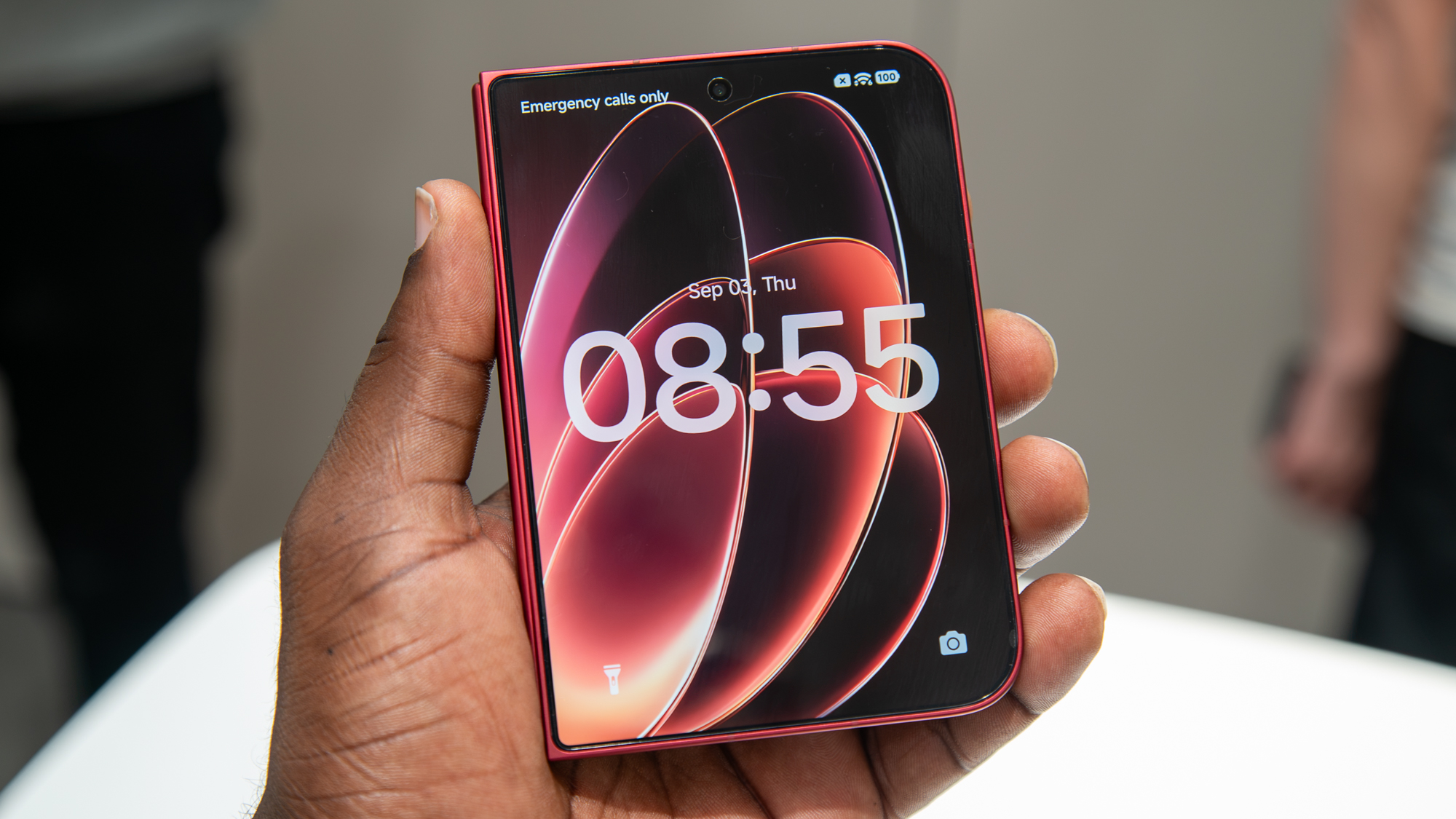
The external cover display measures 5.38 inches, providing an aspect ratio optimized for dual-thumb text input without requiring awkward one-handed stretching. While the heavily rounded corners consume minor screen real estate compared to squared-off competitors, the outer panel remains highly functional for daily tasks.
Unfolding the device reveals a 7.58-inch primary OLED panel capable of reaching HDR peak brightness levels exceeding 3,700 nits, ensuring legibility under direct sunlight. Unlike competing designs that utilize optical illusions to mask internal folding lines, the Xiaomi 18 Fold features a visible crease at acute viewing angles, though it remains imperceptible during direct front-facing usage. Users sensitive to pulse-width modulation (PWM) dimming may observe flicker during late-night, low-brightness operation.
Processing Power and Battery Longevity
Internally, the Xiaomi 18 Fold marks the commercial debut of Xiaomi’s proprietary 3nm XRing O3 processor, paired with 16GB of LPDDR6 RAM. The chipset handles intensive multi-window workflows and rapid camera processing without noticeable latency, though sustained 3D gaming generates discernible warmth along the upper chassis.
The most notable hardware inclusion is the 6,000mAh silicon-carbon battery—the largest capacity currently implemented in a passport-style foldable chassis. Combined with the energy-efficient display footprint, the device achieves class-leading battery endurance capable of sustaining intensive professional use cycles. Power restoration is facilitated by 67W wired charging, achieving a 50 percent charge in 19 minutes and a full recharge in 50 minutes using the included power brick. Additionally, 50W wireless charging is supported.
Advanced Optical Capabilities
Xiaomi’s hardware-first research and development strategy culminates in the device’s rear camera array. Eschewing the optical zoom omissions found in rival passport foldables, the 18 Fold integrates a 200-megapixel primary sensor, a 50-megapixel ultrawide lens, and a dedicated 50-megapixel 3.5x optical periscope telephoto lens tuned in partnership with Leica.
Comparative evaluations demonstrate that the periscope telephoto lens maintains structural detail and color accuracy across zoom ranges extending from 3x to 30x, outperforming the digital cropping limitations of competing models. Low-light metering and Leica Vibrant color profiles establish the device as an exceptionally consistent photographic tool within its form factor, tempered only by a relatively narrow 17mm ultrawide crop and minor lens flare on the cover selfie camera.

Software Architecture and Regional Limitations
Operating on HyperOS 4, built upon Android 17, the software interface delivers fluid animations and a robust multitasking engine capable of displaying three full-height application panes simultaneously alongside a six-app horizontal tray. Out-of-the-box support allows users to manually install Google Play Services and ancillary applications like Gemini.
However, the mainland-China-exclusive ROM introduces critical compatibility barriers for international users. System-level integrations, such as assigning default assistants or replacing system browsers with third-party alternatives, are restricted. Essential Western ecosystem features malfunction or fail entirely: Google Find Hub is unable to pinpoint the device location despite active permissions, and Google two-factor authentication (2FA) verification prompts frequently fail to populate. Furthermore, Android Auto and native eSIM functionality are absent, and support for 6 GHz Wi-Fi networks is omitted.
Industry Implications and Consumer Guidance
The Xiaomi 18 Fold exemplifies a profound dichotomy in modern consumer electronics. From a pure hardware perspective, it establishes a benchmark for battery capacity, optical zoom performance, and physical ergonomics within the passport-style foldable category.
For technology enthusiasts residing in mainland China—or international users willing to bypass missing features like Android Auto and eSIM connectivity—the device represents a premier engineering achievement. For the broader global consumer base, however, the lack of a Westernized ROM limits its viability as a primary daily driver compared to more cohesively integrated alternatives from Samsung and Apple. Until Xiaomi bridges this regional divide, the 18 Fold remains an ambitious blueprint for what foldable hardware can achieve, restricted by the software borders of its origin.