Google Pixel 11 Pro Review: A Productivity Powerhouse That Struggles to Hit the High Notes in AV Performance

The Google Pixel 11 Pro stands as the latest flagship entry in Google’s hardware ecosystem, representing a strategic pivot toward heavy artificial intelligence integration. As the company continues its aggressive push to position itself as the industry leader in AI-driven mobile computing, the Pixel 11 Pro serves as the primary vessel for this vision. While the device excels as a tool for professional productivity and computational photography, its performance as a dedicated media consumption device remains a point of contention for audiophiles and cinephiles alike.
The Evolution of the Pixel Lineup
Since the inception of the Pixel brand, Google has maintained a distinct philosophy: hardware that is merely a conduit for superior software. Early iterations, such as the Nexus series and the first generation of Pixels, were marketed as developer-focused devices. However, the Pixel 11 Pro signals a definitive shift toward premium, mass-market luxury.
The current release cycle follows a period of rapid hardware iteration. Over the past five years, Google has transitioned from being a secondary player in the smartphone space to a formidable competitor against Apple and Samsung. The Pixel 11 Pro, released in late 2026, arrives on the heels of the successful Tensor G5 platform, introducing the new Tensor G6 chipset. This processor is the backbone of the device’s "AI-first" identity, powering everything from real-time image processing to complex on-device automation.
Pricing and Market Positioning
The Pixel 11 Pro enters a crowded flagship market, demanding a premium price point that reflects its high-end specifications. The entry-level model, featuring 256GB of storage and 12GB of RAM, retails at £1079 / $1099 / AU$1849. Scaling up to the 512GB configuration increases the price to £1199 / $1219 / AU$2049, while the top-tier 1TB variant with 16GB of RAM reaches £1429 / $1449 / AU$2399.
This pricing strategy places the device in direct competition with the Apple iPhone 18 Pro, which retails for £1199 / $1199 / AU$2099 for the 256GB model, and the Samsung Galaxy S26 Ultra, priced at £1279 / $1300 / AU$1799. By aligning itself with these heavyweights, Google is clearly signaling that the Pixel 11 Pro is no longer a "budget-friendly" alternative but a direct rival in the top-tier segment. However, consumers looking for more extreme form factors must look toward foldables like the Galaxy Z Fold 8 (£1699) or the Apple iPhone Duo (£1999), which occupy the ultra-premium price bracket.
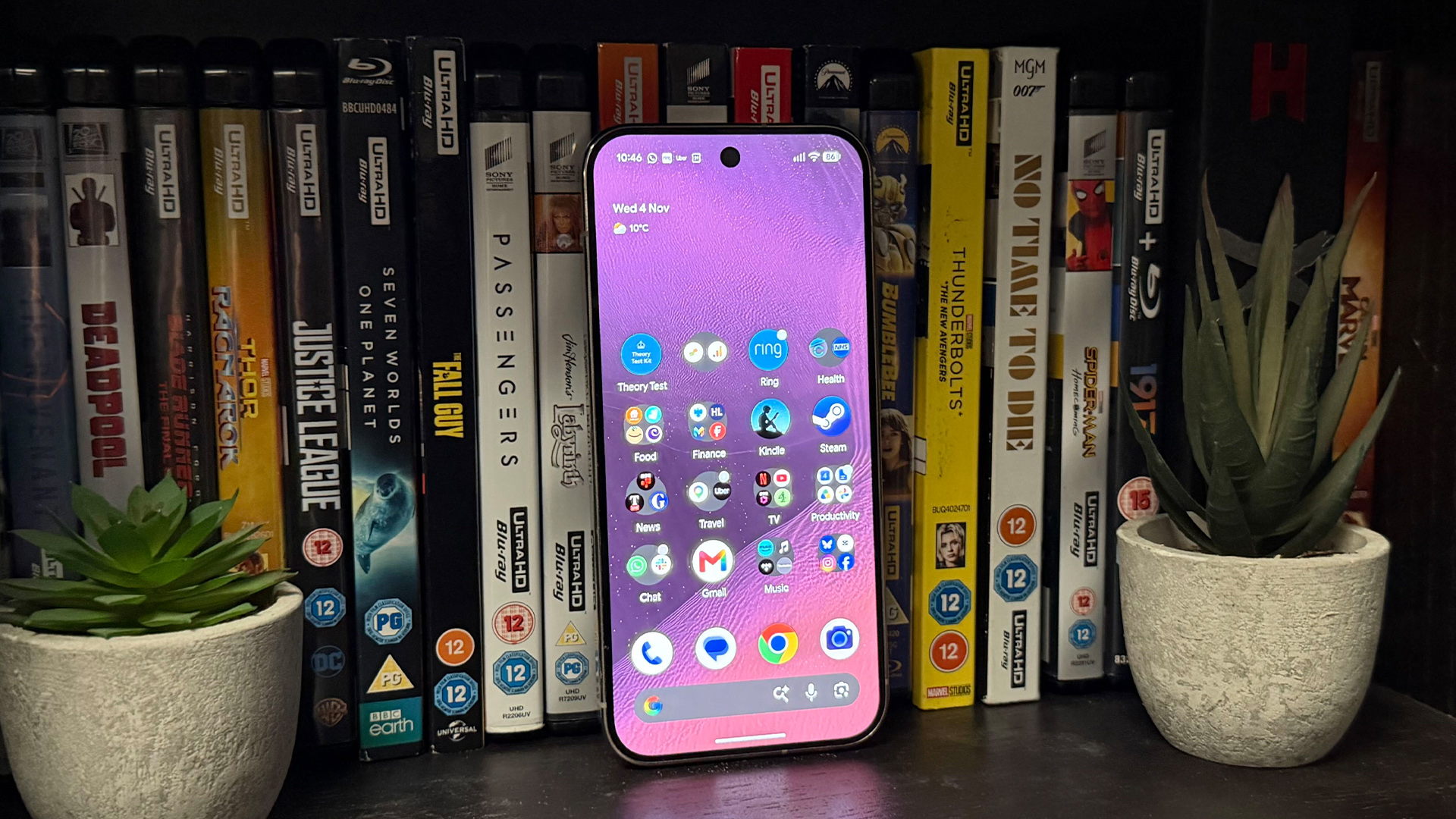
Design Philosophy and Hardware Build
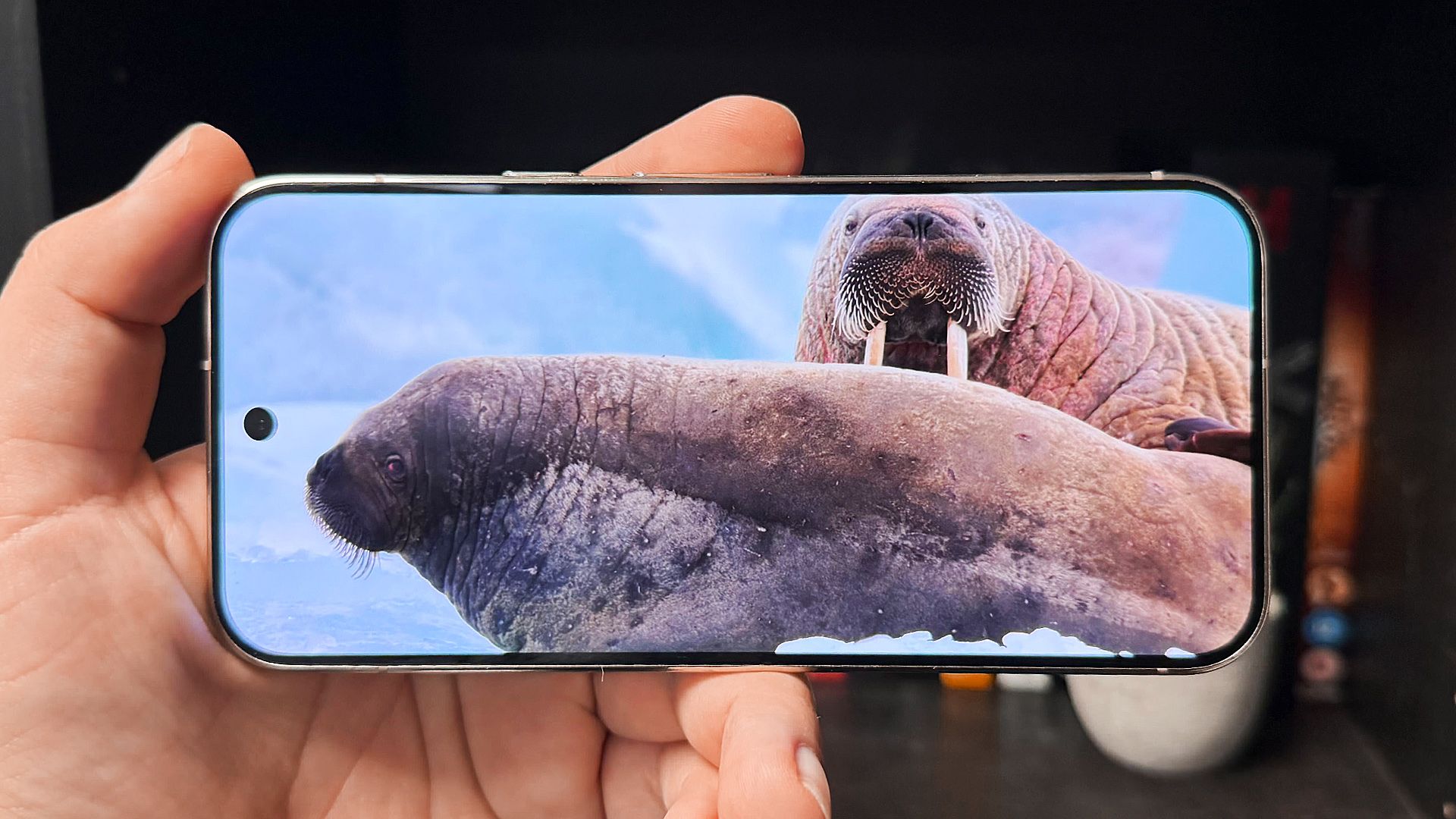
The design of the Pixel 11 Pro is a study in restrained aesthetics. It eschews the experimental folding mechanisms of its siblings in favor of a traditional, robust rectangular chassis. Measuring 153 x 72 x 8.4mm and weighing 204g, the device is notably more compact than the S26 Ultra, offering a balanced feel in the hand. The build quality utilizes a rugged metal frame with an IP68 rating, ensuring resistance to both dust and water submersion.
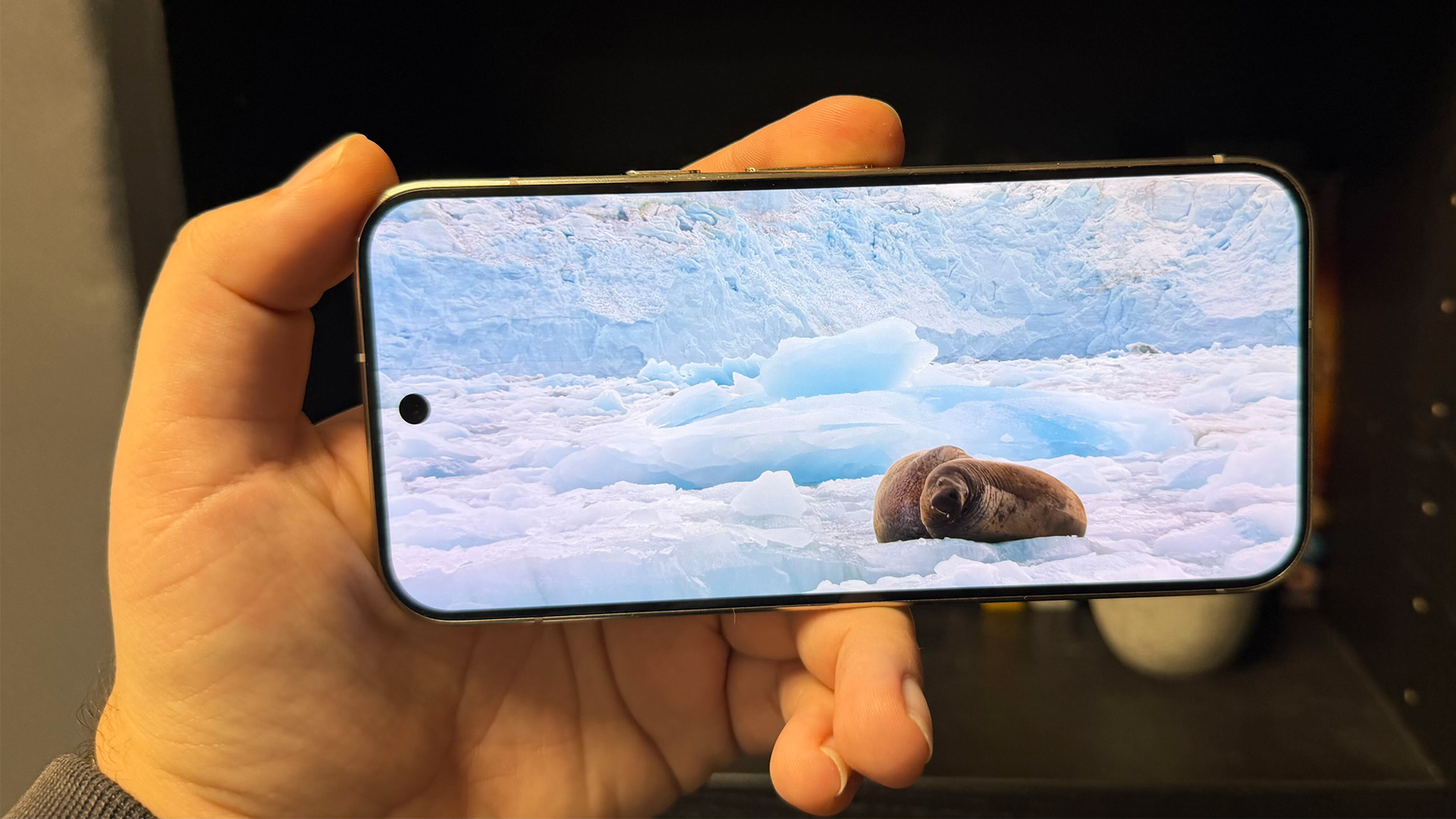
The display is a 6.3-inch Super Actua OLED panel with a 120Hz refresh rate and a resolution of 2856 x 1280. While the display is bright—reaching a peak of 2400 nits—the external physical design is relatively standard. The integration of an under-screen fingerprint sensor provides a seamless user experience, though the placement of the stereo speakers at the bottom edge remains a potential frustration for users who hold the device in landscape mode during media playback, as the speakers are easily obscured by a natural grip.
The AI-Centric Software Suite
The core identity of the Pixel 11 Pro is its "unskinned" version of Android 17. By avoiding the heavy overlays found on competitor devices, Google ensures that the Pixel 11 Pro remains at the forefront of software updates and security patches. This is a critical advantage for users concerned with long-term device support.
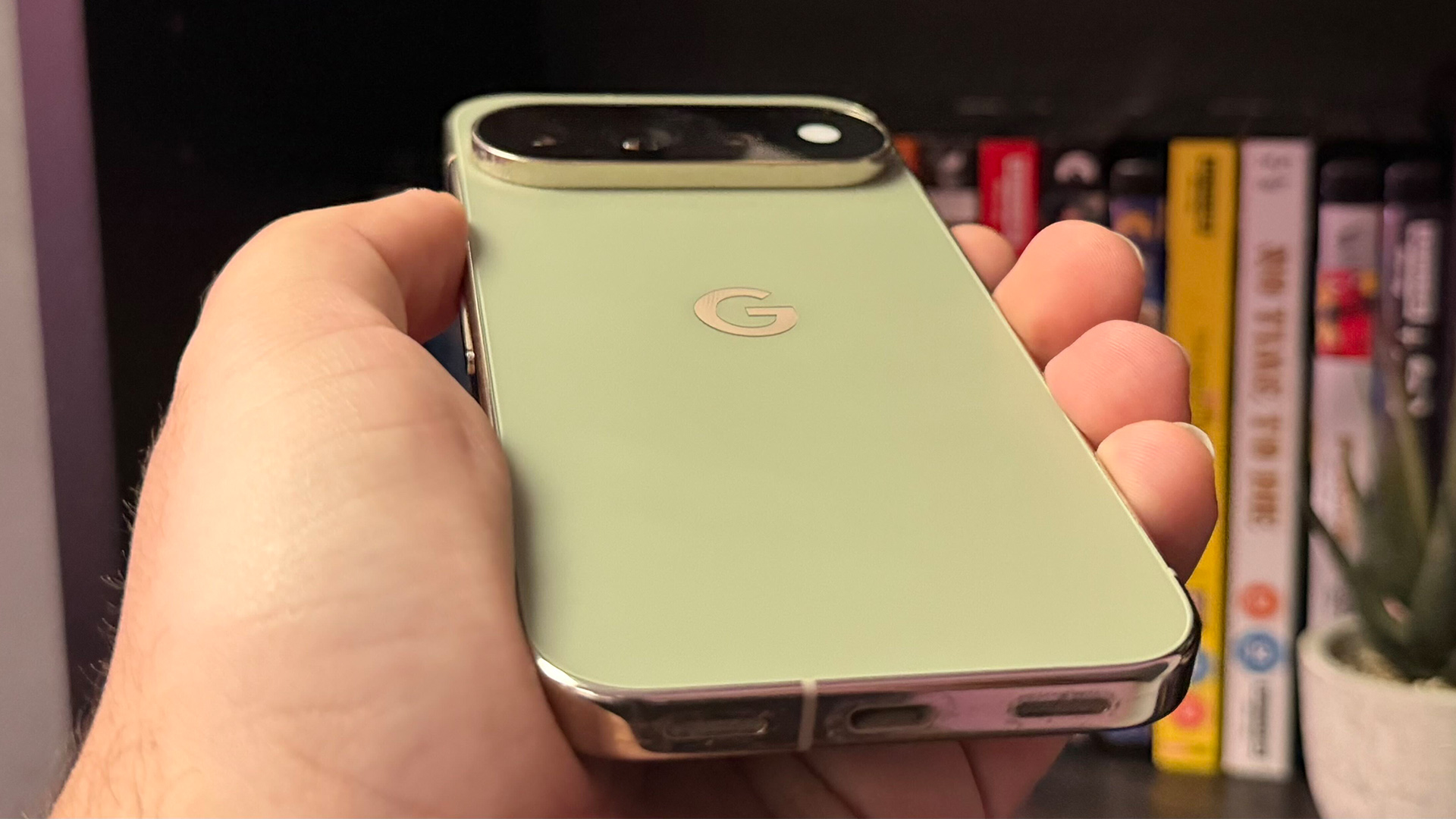
The Tensor G6 chipset enables a suite of features that define the user experience. Among these is "Rambler," an advanced dictation tool that adapts to individual speaking patterns to improve accuracy. Furthermore, "Cross-App Continuity" allows the device to use Gemini AI to suggest actionable tasks in the taskbar based on user habits. While these features are undoubtedly beneficial for office work and content creation, they do little to enhance the device’s capabilities as a portable music player or home cinema, which remain the primary concerns for AV enthusiasts.
Camera Performance and Computational Photography
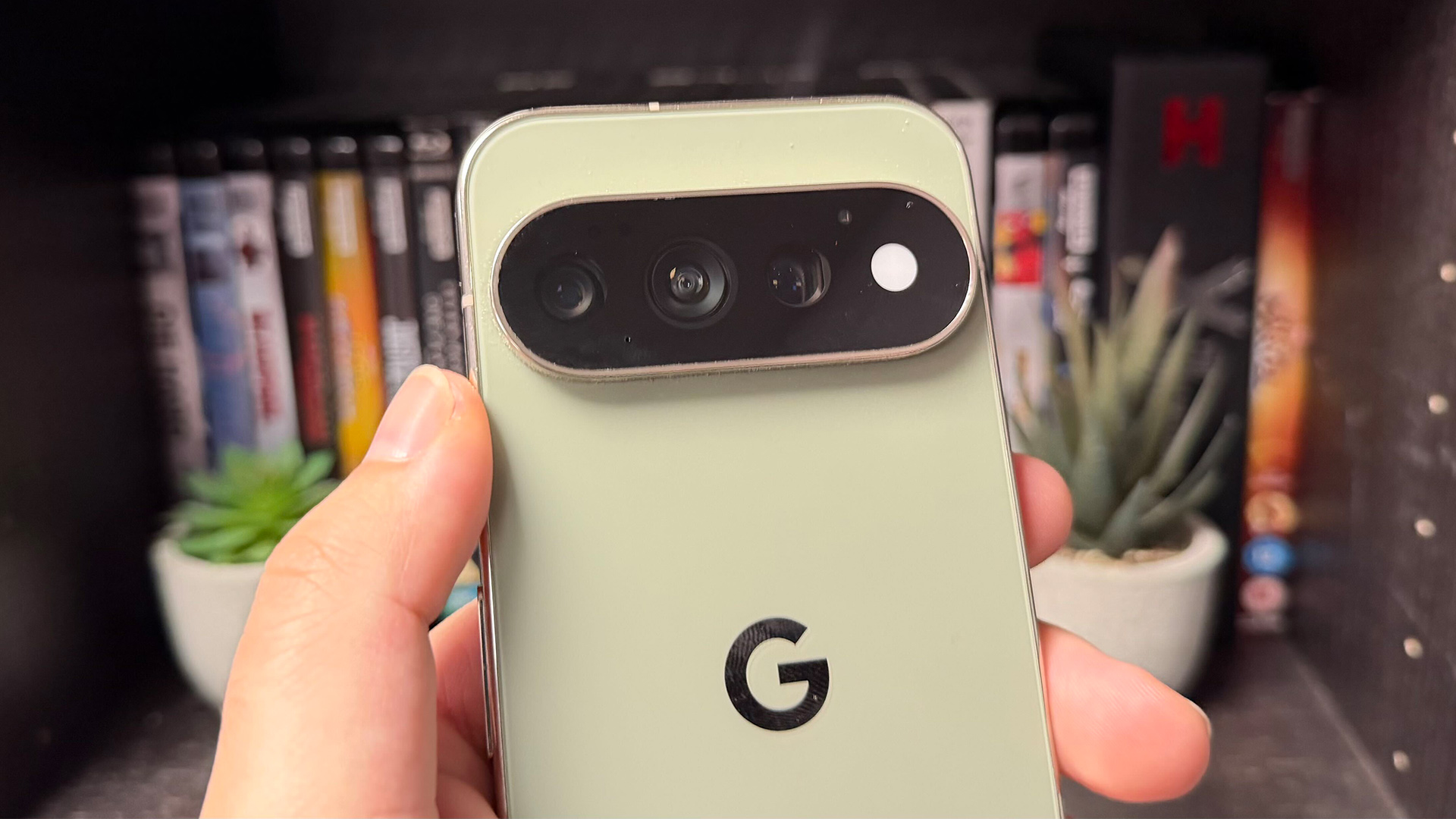
The camera array is perhaps the most significant achievement of the Pixel 11 Pro. It features a triple-sensor rear setup: a 50MP main lens, a 48MP telephoto lens, and a 48MP ultrawide sensor. The front-facing 42MP selfie camera is housed within a small hole-punch cutout.
In testing, the camera system demonstrated exceptional prowess in auto mode. Computational photography allows for crisp detail and sophisticated bokeh effects without manual intervention. Low-light performance is particularly noteworthy; the software manages to suppress noise while avoiding the over-saturation or unnatural brightening that plagues many competitors. The AI editing suite is equally impressive, allowing for advanced image manipulation that can render complex edits simple for the average user.
Media Consumption: A Mixed Bag
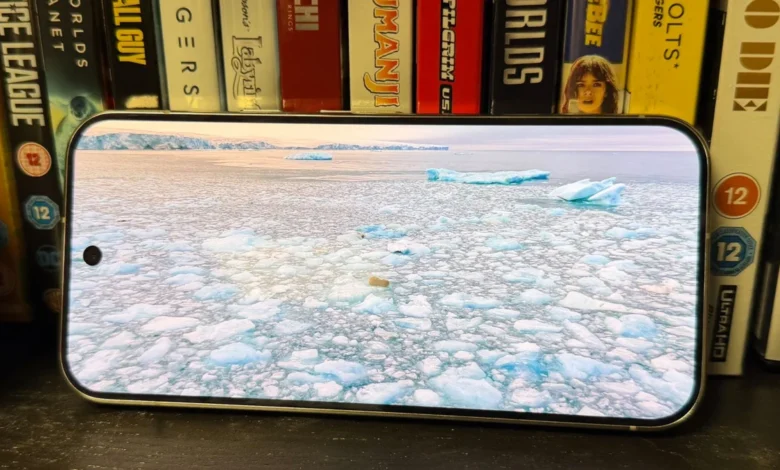
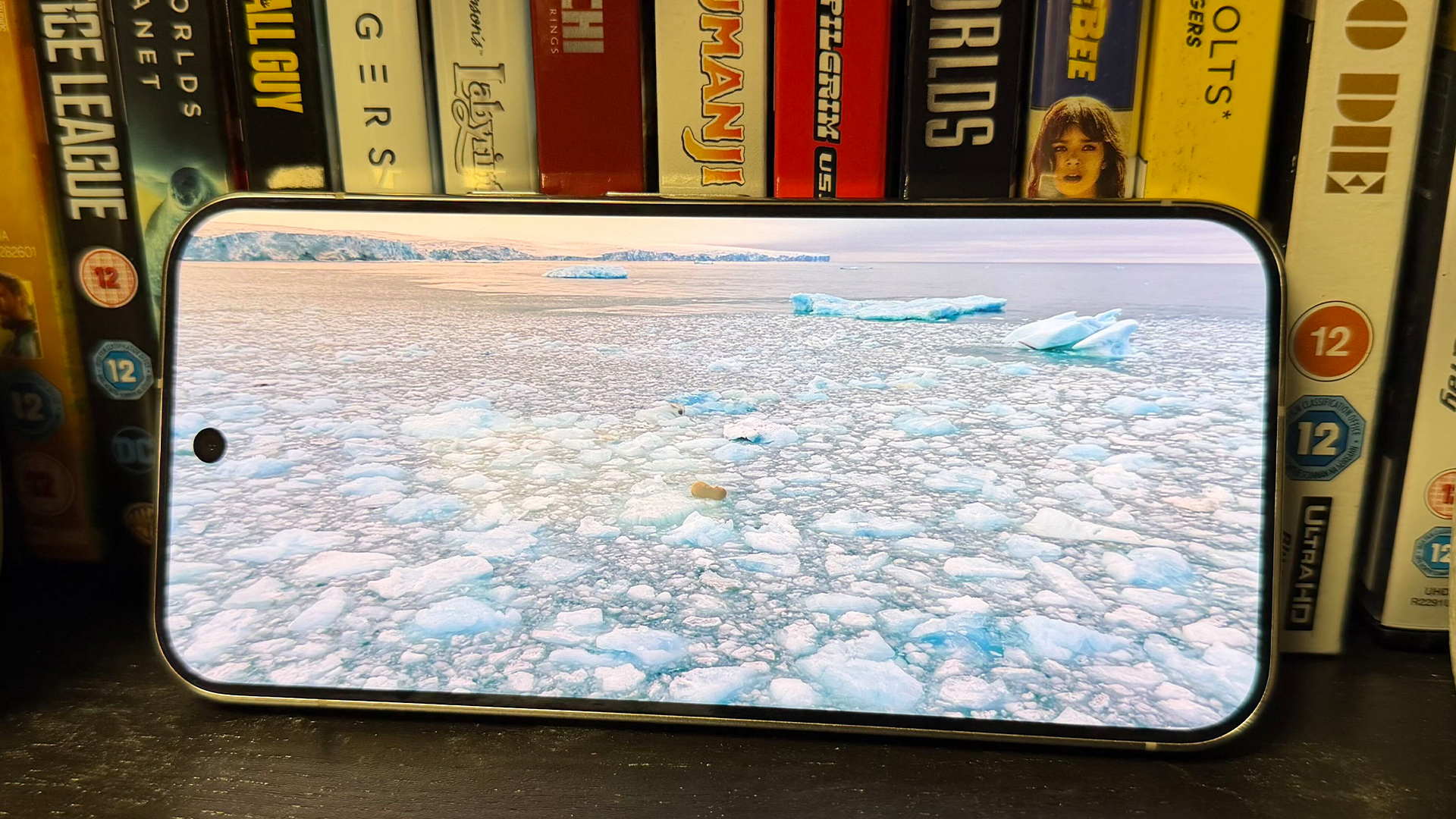
For the AV-focused user, the Pixel 11 Pro presents a complex profile. In terms of video, the Super Actua display is highly capable. When viewing Dune: Part 2 via Netflix using the "Natural" color preset, the device delivers a balanced, three-dimensional image with impressive color depth. The 2400-nit HDR brightness allows for a level of punch and highlight detail that occasionally outperforms the iPhone 18 Pro.
However, limitations emerge when the content is more demanding or relies on specific standards. The lack of Dolby Vision support—a standard supported by Apple and many Android competitors—is a notable omission. While the device defaults to HDR10 or HDR10+, the absence of Dolby Vision means that the contrast and dynamic range often feel flatter compared to premium devices that fully support the format. Furthermore, testing on Amazon Prime Video revealed issues with bitrate handling; during dark scenes, such as the farmhouse sequence in Blade Runner 2049, the display struggled with noise and pixelation, suggesting that the display calibration or software decoding may require further refinement.
The Audio Experience
Audio performance remains the most significant hurdle for the Pixel 11 Pro. Despite the hardware’s general competence, the sound quality is best described as "safe" rather than "immersive."
When testing with high-quality streaming from Tidal via USB-C connected headphones, the device struggles to achieve the dynamism required for high-fidelity playback. While it handles complex arrangements—such as those found in SMV’s Thunder—with decent instrument separation, the low end lacks the weight and punch expected at this price point. Furthermore, tracks like Prince’s Get On The Boat highlight a lack of soundstage width, leading to a congested, "mushy" mix that fails to deliver the intended funk-driven energy. The inability to produce a convincing stereo image or maintain the necessary emotional depth in vocal-heavy tracks, such as Taylor Swift’s the1, suggests that the onboard DAC and amplification are not yet on par with the class-leading performance of the iPhone 18 Pro.
Broader Implications and Market Outlook
The Pixel 11 Pro highlights the growing divide in the smartphone industry between "productivity devices" and "media devices." Google has clearly prioritized the former, betting that the vast majority of consumers value smart AI assistance, high-quality photography, and seamless software integration over the nuances of high-fidelity audio or cinematic display calibration.
From an industry perspective, this reflects a broader trend where mobile hardware is increasingly defined by its software intelligence rather than its raw AV capability. For the average consumer, this trade-off is likely acceptable, if not preferable. However, for those who use their smartphone as their primary source for high-quality music streaming or portable film viewing, the Pixel 11 Pro remains a secondary option.
The occasional software bugs, particularly regarding gaming performance and stuttering, indicate that while the Tensor G6 is powerful, the integration between hardware and software is still a work in progress. Future updates may resolve these issues, but as it stands, the device occupies a specific niche. It is a triumphant tool for the professional and the creator, yet it remains a work in progress for the discerning AV enthusiast.
Summary of Findings
The Google Pixel 11 Pro is an ambitious device that succeeds in its mission to make AI an indispensable part of the mobile experience. Its camera system is among the best in the industry, and its commitment to unskinned software makes it a reliable choice for long-term users. However, by ignoring the niche but vocal requirements of the high-end audio and video community, Google has opted for a balanced, mainstream approach that prioritizes utility over pure performance.
For the power user, the Pixel 11 Pro is a compelling purchase. For the user seeking a handheld home cinema or a high-resolution music player, the competition—specifically from Apple—currently offers a more polished and emotionally engaging experience. As the market continues to evolve, Google’s future challenge will be to match its software intelligence with the hardware refinement required to satisfy the most demanding media consumers.
Related posts: