Canon EOS R8 Mark II dominates October 2026 sales charts as the market shifts toward portable full-frame innovation

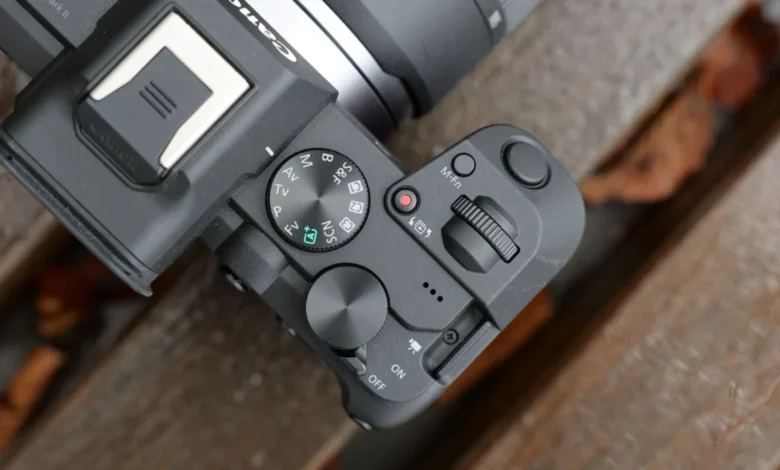
The Japanese camera retail landscape experienced a significant shift in October 2026, as data released by Map Camera—one of the nation’s most prominent photography equipment retailers—reveals a major disruption in the long-standing sales hierarchy. The newly released Canon EOS R8 Mark II has surged to the number one position in the retailer’s monthly sales rankings, effectively unseating the Sony A7 V, which had previously held the top spot for nine consecutive months. This development marks a pivotal moment for Canon, signaling a successful revitalization of its entry-level full-frame strategy as it captures the interest of photographers seeking a balance between high-end performance and compact portability.
The Rise of the Canon EOS R8 Mark II
Announced in mid-September 2026 and arriving on retail shelves toward the end of October, the Canon EOS R8 Mark II’s immediate ascent to the top of the sales charts is an anomaly in the current market. Typically, flagship or newly released enthusiast cameras undergo a period of steady growth before claiming the top position; however, the R8 Mark II’s rapid adoption suggests a pent-up demand for a lightweight, full-frame body that does not compromise on modern technological requirements.
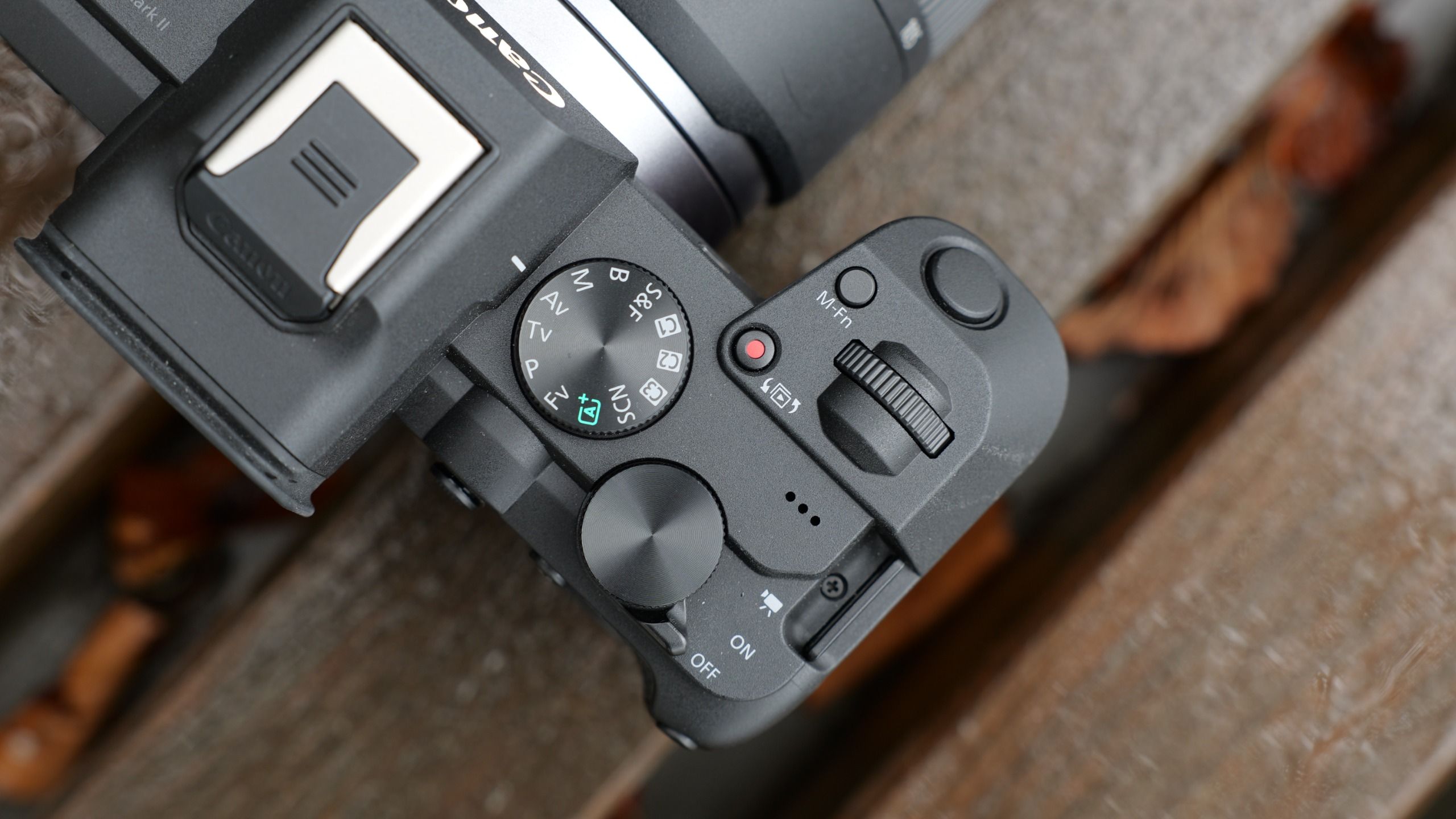
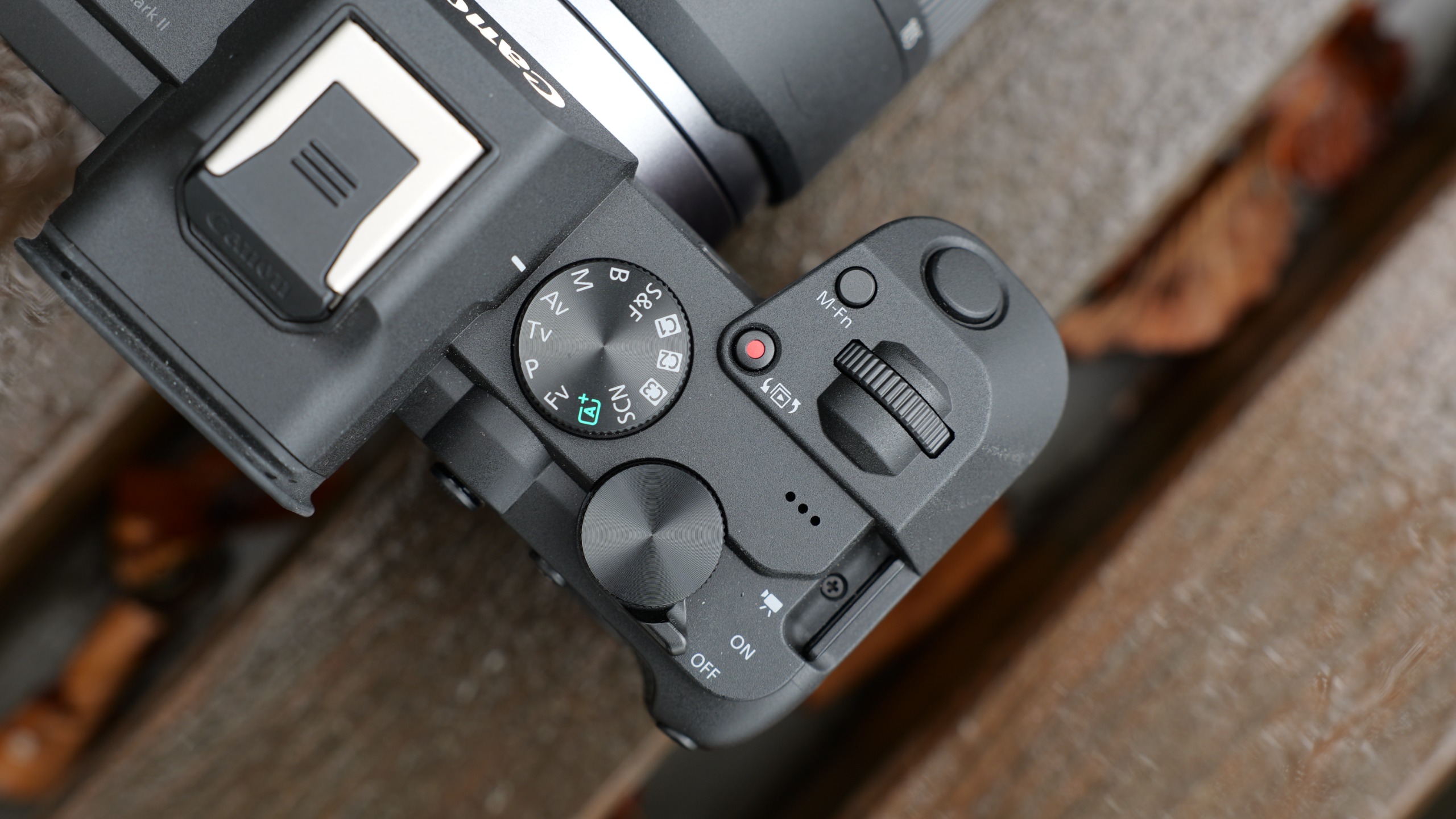
Retail analysis suggests that the camera’s appeal is twofold: its technical specifications and its ecosystem integration. While it shares the core sensor and processor architecture with its predecessor, the R8 Mark II introduces critical refinements that users had long requested. Among these are the inclusion of in-body image stabilization (IBIS)—a significant upgrade over the original model—and a dedicated joystick for autofocus control. These additions have transitioned the camera from a "budget" offering to a highly capable tool for professionals and serious hobbyists alike.
Market Dynamics and Retail Trends
The October 2026 sales data provides a window into broader consumer behavior. Map Camera’s report highlights that the R8 Mark II was frequently purchased in a kit configuration paired with the RF 45mm f/1.2 STM lens. This specific combination indicates that the current consumer demographic is prioritizing "travel-friendly" gear. As the autumn season in Japan encourages outdoor photography, the market appears to be moving away from bulky, heavy systems in favor of slim, high-performance setups that allow for spontaneous street photography without the fatigue associated with larger DSLR or mirrorless kits.
The displacement of the Sony A7 V, a camera that has been a dominant force in the industry since its release, is particularly notable. For most of 2026, the A7 V served as the benchmark for full-frame mirrorless performance. Its decline to the second position in the October rankings does not necessarily reflect a loss of capability for the Sony unit, but rather highlights the volatility of a market that reacts sharply to fresh hardware releases and competitive pricing strategies.
Comprehensive Sales Rankings: October 2026
The following list represents the top-selling cameras at Map Camera for the month of October 2026, reflecting the current preferences of the Japanese photography market:
- Canon EOS R8 Mark II
- Sony A7 V
- Sony A7C II
- Ricoh GR IV
- Canon PowerShot SX740 HS / Lite
- Sony A6700
- Canon PowerShot G7 X Mark III
- Fujifilm X-M5
- Fujifilm X-T30 III
- Canon EOS R6 Mark II
The presence of the Ricoh GR IV in fourth place continues to underscore the enduring "cult" status of the GR series, which remains a staple for enthusiasts who prioritize pocketability and a specific aesthetic workflow. Meanwhile, the inclusion of several older or niche models, such as the PowerShot series, demonstrates that consumers are still seeking reliable tools for vlogging and casual content creation, areas where Canon maintains a strong foothold.
Technical Evolution: Why the R8 Mark II Resonates
The transition from the original Canon EOS R8 to the Mark II model serves as a case study in responsive product engineering. When the original R8 was launched, it was praised for its sensor performance but criticized for its lack of physical controls and the absence of mechanical in-body image stabilization. By addressing these pain points while maintaining a competitive price point—approximately $1,899 / £1,729—Canon has effectively minimized the barrier to entry for the full-frame format.
The inclusion of a 24.2MP full-frame CMOS sensor, paired with the capability to shoot 40fps bursts, positions the R8 Mark II as a formidable contender for sports and wildlife photographers who previously had to invest in much more expensive professional bodies. Furthermore, the ability to record uncropped 4K video at 60p, oversampled from 6K, positions the camera as a dual-purpose tool for both stills photographers and hybrid videographers.
Broader Industry Implications
The competitive landscape for full-frame mirrorless cameras has reached a point of maturation where minor refinements can result in major market shifts. The rivalry between Canon and Sony has been the primary driver of this innovation. For years, Sony held the advantage in autofocus tracking and compact body designs; however, Canon’s recent aggressive development of its RF-mount lens ecosystem and the rapid iteration of its R-series bodies have narrowed that gap significantly.
Industry analysts observe that the "game-changer" label attributed to the R8 Mark II by retail staff reflects a internal sentiment at Canon. After a period of stagnation in the mid-range market, the company has clearly identified a "sweet spot" for its engineering resources: high-performance sensors housed in bodies that feel premium but remain accessible.
Furthermore, the performance of Fujifilm’s X-M5 and X-T30 III in the rankings suggests that the APS-C sensor market remains vibrant. Despite the focus on full-frame cameras in the top three positions, the presence of these Fujifilm models highlights that many users still prefer the unique color science and retro-inspired ergonomics of the X-series, even when full-frame options are becoming increasingly affordable.
The Path Forward: What to Expect
As we look toward the remainder of 2026 and into 2027, the success of the Canon EOS R8 Mark II will likely force competitors to re-evaluate their pricing and feature-set for entry-level full-frame models. If the trend of prioritizing portability alongside high-speed performance continues, manufacturers may shift their research and development budgets toward further miniaturization of high-performance internal components.
For consumers, this is a period of high-quality options. Whether one chooses the reigning leader in the Canon EOS R8 Mark II, the seasoned veteran of the Sony A7 V, or the compact precision of the Ricoh GR IV, the current market offers a level of technical capability that would have been unimaginable just a decade ago.
Retailers like Map Camera will continue to be the primary barometer for these trends. As the industry moves into the holiday season, it remains to be seen if the R8 Mark II can sustain its momentum or if Sony and other manufacturers will introduce promotional campaigns or hardware revisions to reclaim the top spot. For now, however, Canon has secured a major victory, proving that listening to user feedback and refining existing platforms is a winning strategy in an increasingly competitive global camera market.
Ultimately, the October 2026 rankings serve as a testament to the fact that photography is as much about the tools as it is about the vision. The shift toward the R8 Mark II is not merely a data point; it is a clear indicator that the market is ready for a new generation of cameras that offer professional-grade power in a package that fits the modern, mobile lifestyle of the 21st-century photographer.
Related posts: