Elon Musk Highlights Starlink Vital Role in Dramatic Mountain Rescue in Eastern Kazakhstan


The reliance on space-based communication infrastructure reached a critical milestone in October 2026 when a group of five individuals stranded in the remote, snow-covered mountains of eastern Kazakhstan were successfully rescued, thanks to a Starlink satellite internet connection. The incident, which recently drew public attention after Elon Musk remarked on the platform X that "Starlink saves lives," underscores the growing utility of low-Earth orbit (LEO) satellite networks in providing life-saving connectivity in regions where traditional telecommunications infrastructure is either non-existent or incapacitated by extreme weather.
The rescue operation centered on a group of hunters whose SUV became immobilized approximately 15 kilometers from the village of Kystau Kurchum in the Kurchum district of the East Kazakhstan region. The area, characterized by its harsh terrain and susceptibility to sudden, severe weather, lacked any reliable mobile network coverage, leaving the stranded party isolated. According to local reports, the group utilized a Starlink terminal to establish a stable internet connection, which served as their sole lifeline to the outside world. This digital tether allowed them to transmit their precise coordinates and maintain continuous communication with the Ministry of Emergency Situations.
Chronology of the Rescue Operation
The incident began in mid-October 2026, a period during which the region was under a severe storm warning. The East Kazakhstan emergency department reported that the hunters were trapped in a "snow trap," a common hazard in the region during the transition into winter. By October 22, local news outlet YK.kz confirmed the successful evacuation of the five individuals.

The rescue team utilized a Trekol—a specialized, high-clearance vehicle equipped with low-pressure tires designed specifically for traversing deep snow and marshland—to navigate the rugged, unpaved terrain. The rescuers traveled roughly 100 kilometers to reach the stranded party. Once contact was established via Starlink, the rescuers were able to pinpoint the group’s location with high accuracy, minimizing the time spent searching in dangerous conditions. After a successful extraction, the team escorted the disabled SUV back to the safety of the village. Fortunately, none of the individuals required medical intervention, a testament to the speed at which the rescue was initiated once the distress signal was received.
The Role of Starlink in Global Emergency Response
The Kazakhstan rescue is part of an emerging trend where Starlink has become a primary tool for disaster management and search-and-rescue (SAR) missions. Unlike traditional cellular towers, which require physical infrastructure and consistent power grids—both of which are vulnerable to destruction during natural disasters—Starlink’s LEO constellation provides a decentralized, rapid-deployable solution.

The impact of this technology was recently highlighted during the 2024 Atlantic hurricane season. In Florida, state officials, including Chief Financial Officer Jimmy Patronis, described Starlink as a "game changer" during the recovery efforts following Hurricane Milton. Similarly, in the aftermath of Hurricane Helene, SpaceX collaborated with T-Mobile to deploy Starlink’s "Direct to Cell" technology, which allowed for the transmission of emergency alerts directly to mobile devices in areas where terrestrial network towers had been leveled by storm surges and high winds.
In the context of Central Asia, Kazakhstan has emerged as a significant market for SpaceX. Reports from 2024 indicated that the country’s education sector had integrated Starlink into its infrastructure, with 1,731 out of 1,879 schools utilizing the service. The Kazakh government has lauded the project for setting a new standard for connectivity in rural, underserved areas, effectively bridging the digital divide that has historically isolated remote villages from national resources.

Technical Implications and the Future of Mobile Connectivity
The success of the rescue operation in Kurchum is particularly significant because it illustrates the utility of mobile satellite hardware in environments where "dead zones" are a standard occurrence. As SpaceX continues to expand its satellite constellation, the company is moving toward a model of near-universal coverage. Earlier in November 2026, SpaceX announced a strategic partnership with Qualcomm to supply core infrastructure for a terrestrial 5G network in the United States. This initiative aims to pair existing mobile infrastructure with the next generation of Starlink satellites, effectively creating a hybrid network capable of handling voice and data traffic in locations that currently have no coverage.
From an analytical standpoint, the ability to maintain communication in remote regions is shifting the operational expectations for search and rescue teams. Historically, teams relied on satellite phones, which are often expensive and limited in functionality. The transition toward high-speed satellite internet allows for the transmission of real-time maps, video, and high-fidelity communication, which significantly reduces the risk to both the rescued and the rescuers.

A Period of High-Stakes Innovation for SpaceX
The acknowledgment of this rescue by Elon Musk coincides with a period of intense activity for SpaceX as it prepares for Starship Flight 15. The upcoming mission, currently targeted for November 13, 2026, represents a pivotal moment in the company’s efforts to achieve full, rapid reusability of orbital-class rockets.
SpaceX has confirmed that it intends to attempt the simultaneous catch of both the Super Heavy booster and the Starship upper stage using the launch tower at Starbase, Texas. While the tower-catch maneuver for the Super Heavy booster has been successfully demonstrated on previous flights, the recovery of the Starship upper stage from orbital velocity is a significantly more complex engineering challenge. The vehicle must survive the intense thermal loads of atmospheric reentry, perform a precise "belly-flop" maneuver, and execute a landing burn to settle into the tower’s "chopstick" arms.
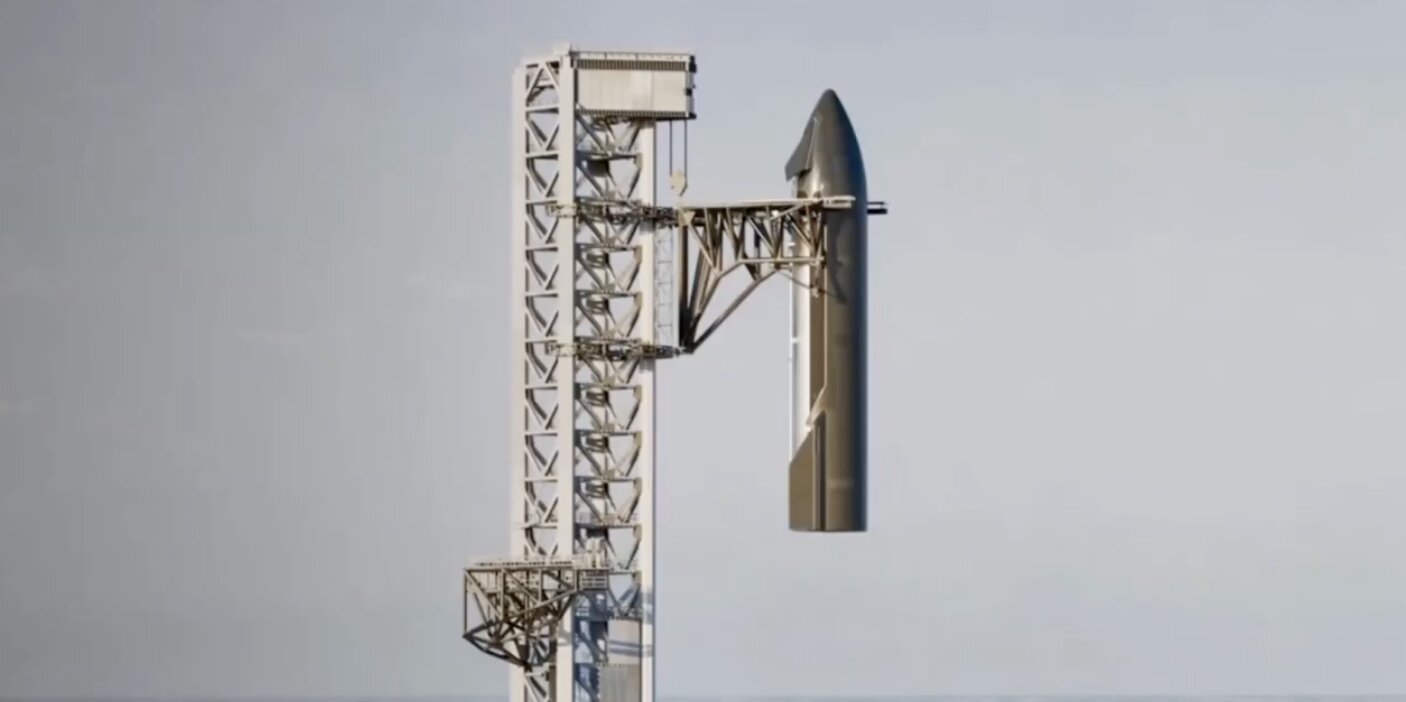
Musk has described this dual-catch attempt as the "critical breakthrough" necessary to make life multiplanetary. If successful, the reduction in cost and turnaround time for launch hardware would be unprecedented. This acceleration in launch cadence is expected to further support the expansion of the Starlink network, enabling the deployment of more advanced, high-capacity satellites at a lower price point per kilogram.
Broader Societal and Business Impacts
Beyond the headlines of space exploration, the business decisions made by companies like SpaceX and Tesla are increasingly viewed through the lens of resource allocation. Tesla’s decision to prioritize production capacity for the "Cybercab" autonomous vehicle over the Cybertruck has drawn both criticism and praise. Musk has argued that the limited pool of specialized engineering talent and manufacturing space necessitates a focus on the technology that will have the most "profound impact" on terrestrial transport.

The move to refine the Cybercab—including plans for a more efficient 40kWh battery pack and the introduction of new exterior finishes like "liquid silver"—indicates a strategic pivot toward high-volume, autonomous, and energy-efficient transit. While the consumer vehicle market may be disappointed by the potential sunsetting of the Cybertruck, the shift reflects a broader corporate philosophy: prioritizing systems that offer the highest degree of societal utility or revolutionary potential.
Conclusion: The Convergence of Space and Safety
The rescue in Kazakhstan serves as a clear case study in how space-based technology is transcending its original purpose. What began as a satellite broadband service for residential and commercial use has evolved into a essential utility for public safety. As SpaceX continues to push the boundaries of rocket reusability and global connectivity, the integration of these services into the daily lives of people in the most remote corners of the world is likely to accelerate.

Whether it is through the deployment of Starlink to bridge the digital divide in Kazakhstan or the potential for low-cost, high-cadence launches of Starship, the convergence of these technologies is reshaping the relationship between infrastructure and human safety. The "Starlink saves lives" narrative is no longer just a promotional slogan; it is becoming a documented reality of the modern era, where the satellites overhead provide a level of security that was once impossible to achieve in the world’s most challenging environments.