Skyrim Lead Designer Bruce Nesmith Reflects on Baldur’s Gate 3 and the Evolution of Player Choice in RPGs

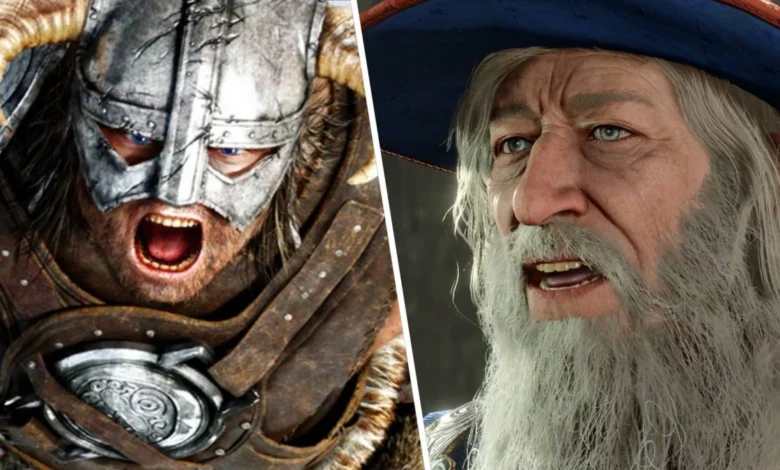
The landscape of modern computer role-playing games (CRPGs) has long been defined by a fundamental philosophical divide: the pursuit of absolute player freedom versus the creation of high-stakes, consequence-driven narratives. This enduring debate was recently thrust back into the spotlight when Bruce Nesmith, the lead designer of Bethesda Game Studios’ monumental 2011 hit The Elder Scrolls V: Skyrim, shared his insights on Larian Studios’ critically acclaimed Baldur’s Gate 3. Speaking on an episode of the discussion series The Examined Game, Nesmith explored how differing design paradigms shape the modern gaming experience, offering a nuanced perspective on what contemporary developers can learn from crossing traditional genre boundaries.
For decades, Bethesda Game Studios has championed a design philosophy centered on open-ended fantasy fulfillment. In titles such as Skyrim, Fallout 4, and Starfield, players are traditionally given the agency to master every faction, acquire every skill, and experience the entirety of a game’s content within a single playthrough. Conversely, traditional isometric CRPGs—culminating in the massive success of Baldur’s Gate 3 in 2023—frequently implement hard narrative branching. In Larian’s masterpiece, committing to one faction, alliance, or ideological path often permanently locks the player out of alternative storylines, forcing meaningful sacrifices and encouraging multiple playthroughs to witness the full scope of the game.
The Philosophy of Total Freedom Versus Definitive Consequences
During his appearance on The Examined Game, Nesmith acknowledged his long-standing history with both tabletop role-playing games like Dungeons & Dragons and open-world digital development. He expressed genuine delight in seeing the rules and expressions of Dungeons & Dragons brought to life with such technical fidelity and creative flair by Larian Studios. However, his most striking observation focused on the psychological impact of narrative restriction.

"The surprises come with the little things, not the big things," Nesmith noted during the discussion. Reflecting on Bethesda’s foundational philosophy of letting players experience everything—from leading the Thieves’ Guild to mastering the arcane arts in the Mages’ Guild—he admitted a surprising appreciation for the alternative approach. "I was pleasantly surprised to see how positive it felt to me to make consequential decisions that closed off gameplay in Baldur’s Gate. That also felt good, because it was done well. I felt like the decisions I made had more meaning in certain ways, because there were actual consequences."
This realization highlights a central tension in game design: while removing barriers maximizes immediate player gratification and replayability within a single save file, introducing hard narrative walls can dramatically elevate the perceived weight and emotional resonance of individual choices. Nesmith concluded that these two seemingly contradictory design frameworks are not mutually exclusive, noting that players can derive profound enjoyment from both total sandbox autonomy and rigid, consequence-heavy storytelling.
Historical Context Within Bethesda’s Own Catalog
While modern open-world titles from Bethesda have leaned heavily into universal accessibility—allowing single characters to become masters of all trades—the studio’s distant and recent history reveals precedent for mutually exclusive choices and faction rivalries. Examining the evolution of Bethesda’s design lineage demonstrates that hard narrative friction is not entirely alien to the studio, even if it has taken a back seat in recent releases.
The most frequently cited example of structured narrative opposition within Bethesda’s catalog is 2002’s The Elder Scrolls III: Morrowind. In Vvardenfell, faction allegiance carried genuine diplomatic and social weight. The Fighters’ Guild and the Thieves’ Guild eventually enter a state of direct conflict, with specific questlines requiring players to actively sabotage rival organizations. Similarly, the Mages’ Guild and House Telvanni maintain ideological and political opposition, forcing players to carefully navigate their allegiances across the province’s complex socio-political landscape.
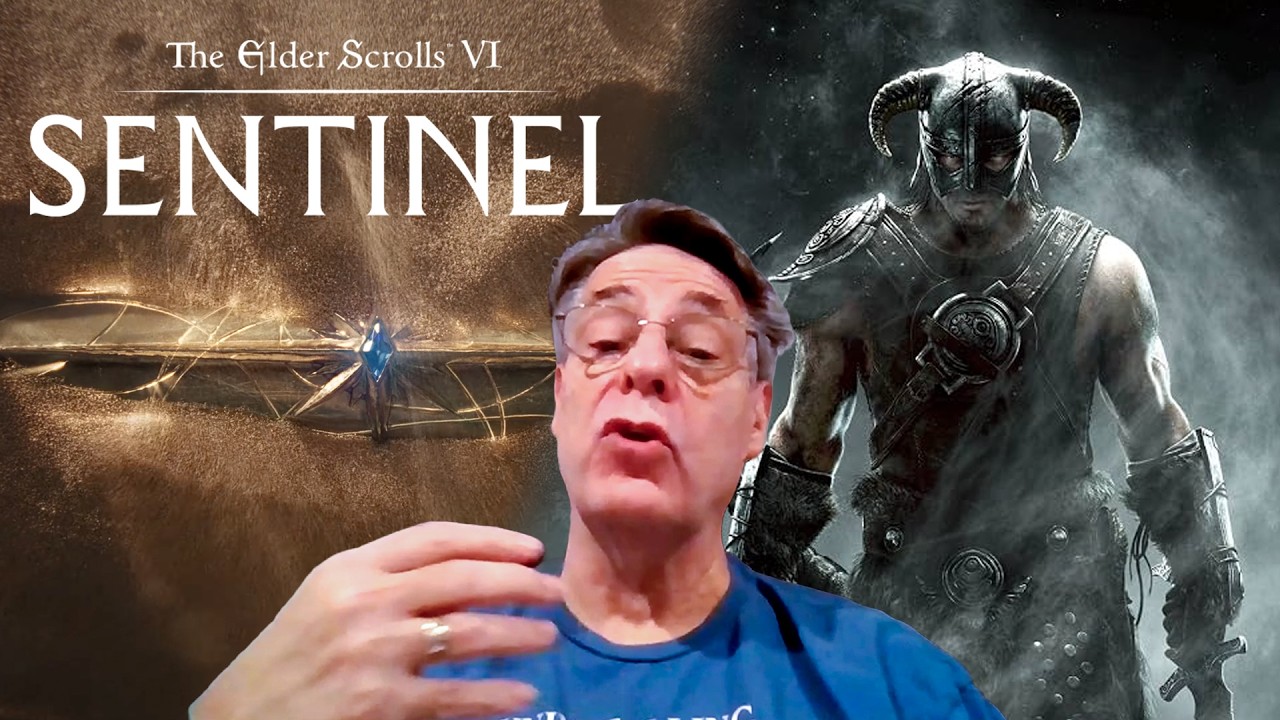
Even in Skyrim, subtle instances of mutually exclusive pathing exist. The choice between joining the Imperial Legion or the Stormcloaks in the civil war campaign permanently alters the political geography and leadership of the province. Likewise, the Dawnguard expansion forces a definitive choice between hunting vampires as a member of the Dawnguard or embracing vampirism alongside Lord Harkon. Furthermore, the alternative ending of the Dark Brotherhood questline—where players can choose to eradicate the assassins alongside the Penitus Oculatus rather than join them—provides a compelling, albeit mechanically leaner, alternative that injects necessary moral stakes into the narrative.
The Pitfalls of Artificial Restrictions
Industry critics and veterans alike caution, however, that implementing narrative roadblocks requires meticulous execution. Content-blocking choices that feel arbitrary, punitive, or poorly communicated can alienate players rather than enhance their engagement. A frequently discussed misstep in contemporary game design involves mutually exclusive second acts that abruptly wall off massive chunks of content without adequate narrative justification or player preparation. When executed poorly, locked content feels less like a natural consequence of a complex world and more like an artificial barrier designed to stretch playtime through forced repetition.
In contrast, successful implementation relies on organic storytelling where the player fully understands the ideological friction underlying their decisions. When a game clearly communicates that an alliance with faction A makes an alliance with faction B impossible, the resulting exclusion feels earned, reinforcing the reality of the game’s simulated world.
Implications for Future Role-Playing Games
As the industry looks toward future flagships—most notably Bethesda’s upcoming The Elder Scrolls VI—the discourse surrounding player agency and narrative consequences remains intensely relevant. While Bethesda’s core audience largely expects the studio to continue prioritizing unhindered exploration and sandbox freedom, the massive cultural and commercial triumph of Baldur’s Gate 3 has proven that modern players have a voracious appetite for deep reactivity and meaningful sacrifice.

The synthesis of these two design philosophies represents the next frontier for western role-playing games. By integrating structurally significant choices—such as expanded faction rivalries, mutually exclusive quest chains, and reactive political environments—into large-scale open worlds, developers may find a way to bridge the gap between sandbox autonomy and cinematic consequence. As veteran designers like Bruce Nesmith continue to evaluate the evolving genre landscape, the willingness to learn from competing design methodologies ensures that future RPGs will continue to push the boundaries of interactive storytelling.