UK Electric Vehicle Sales Surge in October 2024 Amid Surging European Demand and Shifting Market Dynamics

The global automotive landscape continues to experience a profound divergence in consumer adoption rates for battery-electric vehicles (BEVs), with the United Kingdom emerging as a primary growth engine while other regions navigate regulatory shifts and fluctuating policy incentives. In October, the UK new car market witnessed a dramatic acceleration in electric vehicle uptake, fundamentally reshaping the country’s automotive hierarchy. According to preliminary registration data released by the prominent UK automotive lobby group New AutoMotive, a total of 49,155 new fully battery-electric vehicles were registered during the month. This figure represents an extraordinary 54% increase compared to the same period in the previous year, underscoring a rapid shift in consumer preferences toward zero-emission mobility.
Beyond raw volume growth, the market share captured by BEVs reached a significant milestone. Fully electric models accounted for 32% of all new car registrations in the UK throughout October. This achievement propelled BEVs past traditional internal combustion engine vehicles—including pure gasoline and diesel models—as well as conventional and plug-in hybrids, securing the largest market share of any single powertrain type in the country. This milestone highlights a structural transition in British transportation, moving rapidly from niche alternative to mainstream dominance.
Market Dynamics and Consumer Sentiment
The robust performance of the UK electric vehicle sector in October reflects a broader economic calculation by British motorists. Amid persistent fluctuations in traditional energy markets and volatile geopolitical impacts on fossil fuel pricing, consumers are increasingly viewing electric vehicles as a financially advantageous alternative for long-term household budgeting.
Ben Nelmes, Chief Executive Officer at New AutoMotive, emphasized the consumer-driven nature of this trend following the release of the October data. "Almost one in three new cars sold in October was fully electric, more than any other fuel type, and electric car sales are up by more than half on last year," Nelmes noted. "Drivers are voting with their wallets. Every one of those new electric cars means a household spending less on running costs, and a country less exposed to the oil price shock."
The shifting economics of vehicle ownership have become a critical driver of adoption. While the initial purchase price of many new BEVs can remain higher than comparable internal combustion models, lower per-mile electricity costs, reduced maintenance requirements, and exemption from certain urban congestion charges continue to lower the total cost of ownership over the vehicle’s lifecycle. This value proposition has resonated strongly with private buyers and corporate fleet managers alike, despite the gradual tapering or complete elimination of direct government purchase subsidies in various European jurisdictions.
Comparative Brand Performance and Product Availability
One of the most notable characteristics of the UK automotive market—contrasting sharply with the North American landscape—is the sheer breadth of vehicle choice available to consumers. While American buyers face a more limited selection primarily anchored by domestic manufacturers, Tesla, and a handful of legacy international brands, the British market hosts a dense ecosystem of automotive groups. UK consumers enjoy access to a diverse portfolio of BEVs produced by European legacy marques such as Renault, Peugeot, Fiat, Volkswagen, and Skoda, alongside an increasingly aggressive influx of competitively priced models from Chinese manufacturers, including BYD and Jaecoo.
The October registration figures illustrated a shifting competitive balance among major manufacturers. Kia, BMW, Volkswagen, and BYD emerged as the dominant volume leaders for the month, capturing significant consumer attention with compelling crossover, SUV, and hatchback offerings. Conversely, Tesla experienced a temporary slowdown in monthly registrations following an exceptionally strong performance in September, a pattern often associated with the brand’s quarterly delivery logistics and shipping cadences.
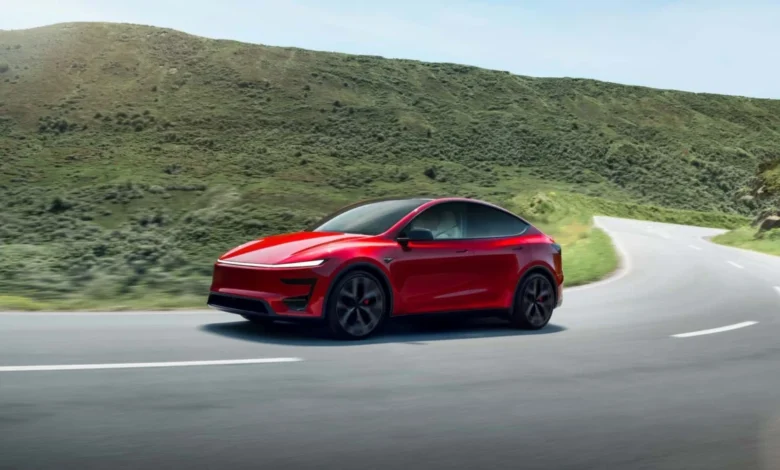
Looking at the year-to-date performance figures, however, Tesla maintained its overall market leadership position within the UK electric segment, commanding a 9.53% market share—representing a 25.4% expansion compared to the same timeframe in the preceding year. Kia secured the second position year-to-date with a 6.9% market share, closely followed by Chinese automotive giant BYD in third place with 6.8%. Industry analysts have observed the notable absence of European domestic brands from the absolute top tier of year-to-date volume leaders, despite the continent-wide emphasis on electrification and stringent fleet emission standards enforced by regulatory bodies. Innovative compact models, such as the widely praised Renault 5 E-Tech, have generated substantial critical acclaim and consumer interest, yet high-volume dominance currently skews toward global conglomerates and established Asian exporters capable of scaling production rapidly.
The Parallel Boom in the Used Electric Vehicle Market
The momentum in the electric vehicle sector is not confined exclusively to the showroom floor for brand-new models. Parallel to the surge in new vehicle registrations, the United Kingdom is experiencing a pronounced expansion in the secondary market for pre-owned battery-electric vehicles. Market intelligence compiled by specialized automotive publications, including EV Powered, indicates a steady upward trajectory in transaction volumes for used EVs.
This trend mirrors developments in other major markets, where early-generation electric vehicles are maturing into accessible price brackets for budget-conscious consumers. The depreciation curve of early BEVs, combined with increased buyer familiarity regarding battery longevity, charging infrastructure, and maintenance protocols, has unlocked a robust pool of demand. Pre-owned electric vehicles are increasingly moving off dealer lots at accelerated rates, providing a crucial mechanism for democratizing zero-emission mobility beyond the new-car demographic.
Continental European Parallels and Macroeconomic Drivers
The rapid acceleration of electric vehicle adoption observed in the United Kingdom is part of a broader continental phenomenon driven largely by macroeconomic pressures. Across Western Europe, renewed volatility in global oil markets and climbing fossil fuel prices have acted as a powerful catalyst for powertrain transition.
Data released by Germany’s Federal Motor Transport Authority (Kraftfahrt-Bundesamt, or KBA) illustrates the magnitude of this shift. In recent reporting, battery-electric vehicles accounted for a remarkable 37% share of the total new car market in Germany, with monthly registrations surpassing 94,000 units. This figure translates to an extraordinary year-over-year increase of nearly 80%, demonstrating that consumer migration toward electrification is accelerating simultaneously across multiple major European economies.
These developments underscore the vulnerability of traditional internal combustion transport to macroeconomic shocks. As energy security and household expenditure remain central concerns for European consumers, policymakers and automotive executives alike view the transition to electric mobility not merely as an environmental imperative, but as an essential component of macroeconomic resilience.
Industry Implications and Future Outlook
The exceptional sales data from October 2024 carries significant implications for automakers, infrastructure providers, and regulatory authorities. For manufacturers, the strong performance of brands like BYD and Kia alongside established European and American players indicates that product mix, pricing strategy, and technological accessibility are paramount in capturing market share. As regulatory frameworks such as the UK’s Zero Emission Mandate compel manufacturers to increase the proportion of zero-emission vehicles in their annual sales mix, achieving consumer buy-in without relying on heavy government subsidies will remain a critical test of market maturity.
At the same time, the rapid influx of new electric vehicles onto British and European roads places renewed urgency on the expansion and reliability of public charging infrastructure. Maintaining consumer confidence requires continuous investment in ultra-rapid charging corridors, destination charging facilities, and grid capacity to support the burgeoning fleet.
Ultimately, the October sales surge demonstrates that when vehicle variety aligns with consumer financial interests and pressing macroeconomic realities, electric vehicle adoption can achieve self-sustaining momentum. As the automotive industry navigates the remainder of the decade, the UK market serves as a bellwether for how consumer preference, international competition, and economic necessity intersect in the global transition toward sustainable transportation.