Ferrari Luce EV Sold Out Through 2027 Despite Polarizing Design Reception

Ferrari’s first foray into the fully electric vehicle market, the Luce, has reached a significant commercial milestone: the entire production allocation for 2027 is already sold out. CEO Benedetto Vigna confirmed the status of the vehicle during the company’s third-quarter earnings call, emphasizing that demand remains robust despite the high-profile aesthetic controversy that surrounded the model’s debut earlier this year. With client test drives slated to begin in the coming months, the manufacturer expects interest to intensify even further, signaling that the brand’s transition to electrification has not dampened the fervor of its ultra-high-net-worth customer base.
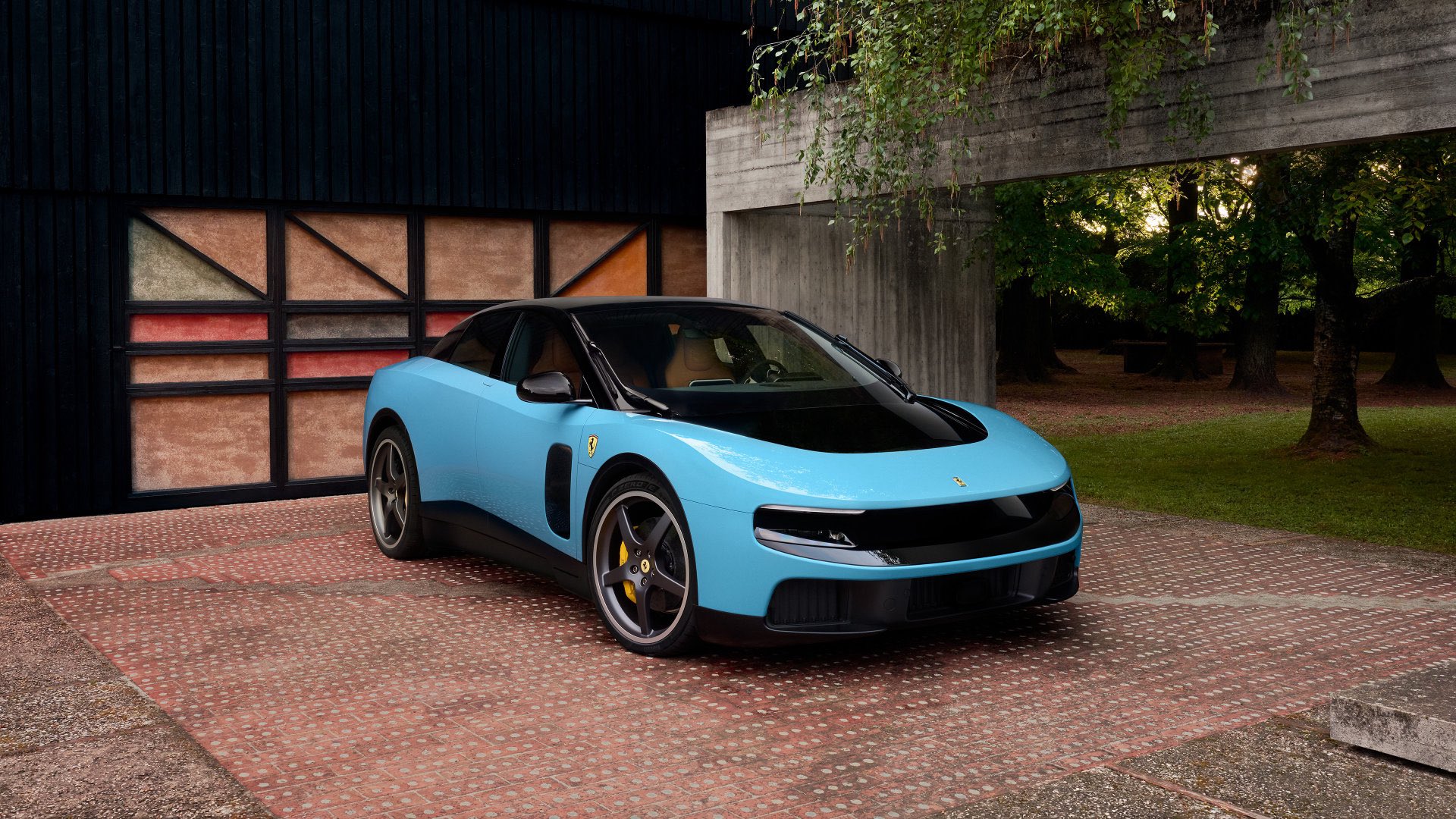
The Luce, a five-seat, four-door liftback saloon, represents a fundamental shift in Ferrari’s design language and engineering philosophy. As the longest vehicle ever produced by the Maranello-based automaker, it departs from the traditional mid-engine sports car architecture that has defined the brand for decades. Instead, the Luce leans into a grand-touring format, prioritizing cabin space and technological integration without sacrificing the performance metrics expected of the "Prancing Horse."
Engineering Specifications and Technical Ambition
The Luce is built upon a sophisticated 800-volt electrical architecture, designed to facilitate rapid charging and high-performance output. Power is derived from a quad-motor electric powertrain capable of producing approximately 1,035 horsepower. This allows the vehicle to achieve a 0-62 mph sprint in just 2.5 seconds, placing it squarely in the realm of high-end supercars.
The vehicle is equipped with a 122-kWh battery pack, providing an estimated WLTP range of approximately 329 miles. With a starting price point in Europe of roughly €550,000—and significantly higher in the U.S. market depending on bespoke configurations—the Luce is positioned as an elite offering. Its development was a collaborative effort between Ferrari’s internal Centro Stile and the LoveFrom design studio, co-founded by former Apple design chief Jony Ive and Marc Newson. This partnership was intended to infuse the vehicle with a minimalist, forward-thinking aesthetic, though it has become the primary source of the model’s polarizing reception.
A Turbulent Debut and Public Backlash
The public unveiling of the Luce in Rome in May 2026 was met with immediate, vocal criticism. Observers pointed to the vehicle’s smooth, sweeping surfaces and restrained detailing, with many claiming the design lacked the hallmark "aggression" and emotional volatility typical of a Ferrari. Comparisons to mass-market electric vehicles from manufacturers like Polestar or even the Nissan Leaf proliferated across social media, leading to a temporary 8% drop in Ferrari’s share price in the days following the reveal.

The criticism was not limited to online commentators. Former Ferrari chairman Luca di Montezemolo issued a scathing public critique, characterizing the design as a "destruction of a myth" and suggesting that the brand should distance its iconic logo from the project. This sentiment was echoed by a segment of the brand’s most loyal collectors, who felt the move toward a luxury liftback alienated the company’s heritage. Despite this, Vigna maintained during the earnings call that the company has faced no critical manufacturing or demand-side issues, suggesting that the initial shock of the design has not deterred those with the capital to purchase the vehicle.
Production Constraints and Market Exclusivity
Ferrari’s strategy for the Luce centers on scarcity. By capping production at fewer than 500 units for the current year and projecting an annual output of roughly 600 units through 2030, the company is effectively insulating the model from the risks of mass-market volatility. This strategy of extreme exclusivity has historically been the cornerstone of Ferrari’s business model, ensuring that supply never outstrips the demand of its most affluent clients.
The effectiveness of this strategy was highlighted by the sale of an early production chassis at auction for $40 million. Such figures suggest that the Luce is being treated more as a collectible asset than a standard luxury vehicle. By limiting production, Ferrari ensures that the Luce remains a rare commodity, regardless of the aesthetic discourse.

Strategic Shift Toward Electrification
The Luce is a linchpin in Ferrari’s broader electrification roadmap. The company has set a target for fully electric vehicles to comprise 20 percent of its total lineup by 2030. While the debut of the Luce encountered friction, the firm remains committed to its long-term goals, although it has opted to delay the launch of a second electric model to 2028 to focus on the stabilization of its current supply chain and production technologies.
The complexity of the Luce, as noted by Vigna, lies in the integration of entirely new technologies and components. Unlike previous internal combustion models, the Luce requires a complete overhaul of the assembly process, from battery cell management to software-defined vehicle architecture. The "complexity" mentioned by the CEO is a significant factor in the company’s decision to keep volumes low, ensuring that the build quality meets the rigorous standards expected of the brand.
Broader Implications for the Luxury Auto Sector
The success of the Luce in terms of pre-orders serves as a case study for the luxury automotive industry. It demonstrates that for high-end consumers, brand equity and the promise of elite status can often outweigh design-related controversies. While the broader automotive market is currently navigating a period of uncertainty regarding electric vehicle adoption rates and regulatory pressure, Ferrari’s experience suggests that the ultra-luxury segment remains insulated.
Furthermore, the integration of technology from designers like Jony Ive indicates a trend toward "tech-forward" luxury, where the distinction between a high-end consumer electronics product and a high-performance vehicle begins to blur. This shift is likely to continue as more legacy manufacturers attempt to capture the younger, tech-savvy demographic that now occupies the upper echelons of wealth.
Conclusion: The Road Ahead
As Ferrari prepares for the first customer deliveries of the Luce by the end of 2026, the company is moving from a phase of public speculation to one of performance validation. The upcoming client test drives will be the final test for the model; if the driving experience can match the technical specifications—and if the vehicle’s "on-the-road" presence can overcome the static images that caused the initial backlash—the Luce will likely be remembered as a successful, if radical, pivot for the brand.
For now, the fact that the 2027 order book is closed suggests that the "Prancing Horse" has successfully navigated the most difficult phase of its electric transition. Despite the memes, the public hand-wringing, and the loss of market value in May, the fundamental demand for the Ferrari nameplate remains, as ever, unshakable. The Luce may be a departure from tradition, but it appears to be a commercially viable one, proving that in the world of high-end automotive manufacturing, exclusivity remains the ultimate currency.
Related posts: