Uber Expands Safety Protocols by Piloting In-App Video Recording for Passenger Rides

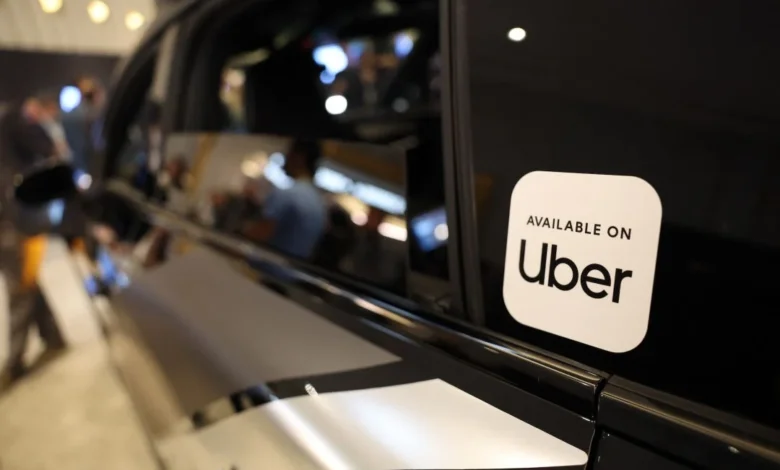
Uber is piloting a new feature in the United States that offers rides in which drivers have enabled the company’s recording feature, "Record My Ride," marking a significant evolution in the platform’s approach to safety and accountability. This new option, which utilizes the front-facing camera of an Uber driver’s smartphone to capture the entirety of a trip, will appear within the user interface as "Recorded Rides." The initiative is currently rolling out in Baltimore, Raleigh, Indianapolis, and St. Louis, with plans for a broader expansion as the company gathers data on efficacy and user adoption.
The Mechanics of Recorded Rides
The "Record My Ride" feature is designed to be a transparent security layer. When a driver opts into the program, their device acts as a dashcam of sorts, utilizing the front-facing camera to monitor the interior of the vehicle. For riders, the experience is intended to be frictionless yet informative. When a user requests a ride in a participating market, the application will indicate whether the driver is utilizing the recording feature.
The process is governed by strict privacy controls. Drivers maintain the ability to opt out of the recording program at any time through the driver-side settings panel. Conversely, riders are provided with the autonomy to decline participation. Upon being matched with a driver who has recording enabled, the rider receives an in-app notification; if they prefer not to be recorded, they have the option to cancel or decline, ensuring that the feature remains a consensual safety measure rather than a mandatory surveillance requirement.
A Chronology of Uber’s Safety Evolution
The introduction of "Recorded Rides" is the latest development in a long-standing effort by Uber to address persistent safety concerns that have plagued the ride-hailing industry since its inception. The company’s trajectory toward high-tech monitoring began in earnest following years of public pressure regarding passenger and driver safety.
- 2018: Uber introduced the "Safety Toolkit," which included an emergency assistance button and the ability for riders to share their trip status in real-time with trusted contacts.
- 2021: The company began rolling out audio recording features in various U.S. cities, allowing both drivers and riders to record audio of their trip, which could then be submitted to Uber’s safety team in the event of an incident.
- August 2026: Uber launched live video streaming capabilities specifically for "Teen Accounts," allowing parents to view a live feed of their child’s ride, providing an added layer of peace of mind for guardians.
- November 2026: The current expansion into "Recorded Rides" for general users, coupled with intelligent triggers that automatically enable recording when the app detects an off-course route or a potential collision.
Intelligent Triggering and Incident Detection
Beyond the static option to record, Uber is testing sophisticated automation within the app. By leveraging internal telematics—including GPS data, accelerometer readings, and gyroscope sensors—the platform can now identify anomalies in a ride. If a vehicle deviates significantly from the suggested navigation route or if the sensors detect a sudden, violent deceleration indicative of a traffic collision, the "Record My Ride" feature can trigger automatically.
This proactive approach is designed to capture evidence during high-stress scenarios where a driver or rider might be physically unable to manually initiate a recording. By storing this data, Uber aims to provide law enforcement and internal safety investigators with a clearer picture of events, moving away from "he-said, she-said" disputes that have historically been difficult to adjudicate.
Contextualizing the Need for Enhanced Safety
The ride-hailing industry faces a unique set of challenges that differ significantly from traditional taxi services. Because drivers are independent contractors and riders are transient, the lack of a centralized, continuous monitoring system has often led to gaps in accountability.
According to data released in previous safety reports by the company, the vast majority of rides occur without incident. However, when incidents do occur—ranging from verbal harassment and physical altercations to navigation disputes—the lack of corroborating evidence has frequently left victims and the platform in a difficult position. By digitizing the interior environment of the vehicle, Uber is attempting to mitigate liability and provide a deterrent against misconduct.

Industry analysts suggest that this move is also a response to increased regulatory scrutiny. State and local governments have, in recent years, demanded higher standards for ride-sharing platforms. By implementing these measures voluntarily, Uber is signaling to regulators that it is taking an active role in self-policing, potentially avoiding more restrictive mandates that could be imposed by legislative bodies.
Privacy Implications and Public Perception
The implementation of "Record My Ride" is not without its complexities. The collection of video data raises inevitable questions regarding data privacy and the duration for which footage is stored. Uber has maintained that the footage is encrypted and that access is strictly controlled, typically only being decrypted and reviewed by authorized personnel when a formal safety report is filed.
Privacy advocates often argue that such measures, while beneficial for safety, contribute to a "surveillance culture." However, in the context of the gig economy, the sentiment among users is often split. Many passengers report feeling safer when they know their ride is being monitored, particularly during late-night hours or in unfamiliar environments. For drivers, the existence of video evidence can be a crucial defense against false accusations of misconduct, which can lead to the permanent deactivation of their accounts.
Analysis of Broader Industry Impact
The pilot program in Baltimore, Raleigh, Indianapolis, and St. Louis serves as a testing ground for what could eventually become a standard feature globally. If the integration of "Recorded Rides" succeeds in reducing the frequency of reported incidents or improving the resolution time for support tickets, it is highly likely that competitors will follow suit.
From a technical perspective, the challenge for Uber lies in the strain on device battery life and data storage. Constant video recording is resource-intensive. Uber’s engineering teams have likely optimized the application to minimize the footprint of these recordings, perhaps utilizing local, temporary storage that is overwritten unless a "save" command is triggered by an event.
Furthermore, the legal landscape regarding two-party consent for recording remains a patchwork in the United States. While some states require both parties to consent to being recorded, others only require the consent of one party. By building the "opt-in/opt-out" mechanism directly into the app, Uber is effectively managing the legal compliance of these recordings on behalf of both the driver and the rider, provided the app’s terms of service are clearly communicated.
The Path Forward
As the pilot progresses, the company will likely focus on three primary metrics: user adoption rates, the reduction in reported safety incidents, and the utility of the footage in resolving disputes. If the data proves that the presence of a camera acts as a successful deterrent—a phenomenon known in criminology as the "observer effect"—Uber may accelerate the deployment of the feature to larger metropolitan areas.
The integration of advanced sensor technology, such as collision detection, further elevates the platform from a simple transportation utility to an integrated safety network. For the millions of users who rely on Uber daily, these incremental updates represent a fundamental shift in the relationship between the service provider, the driver, and the passenger.
While no technology can entirely eliminate the human element of risk in transit, the move toward "Recorded Rides" reflects a clear strategic direction for Uber: one where transparency and digital record-keeping are the cornerstones of the passenger experience. As the company continues to refine its safety stack, the reliance on smartphones as comprehensive security hubs is set to become the industry standard, fundamentally altering the way millions of people move through their cities.