Tesla pivots referral program to center on Full Self-Driving subscriptions to accelerate AI training and user adoption

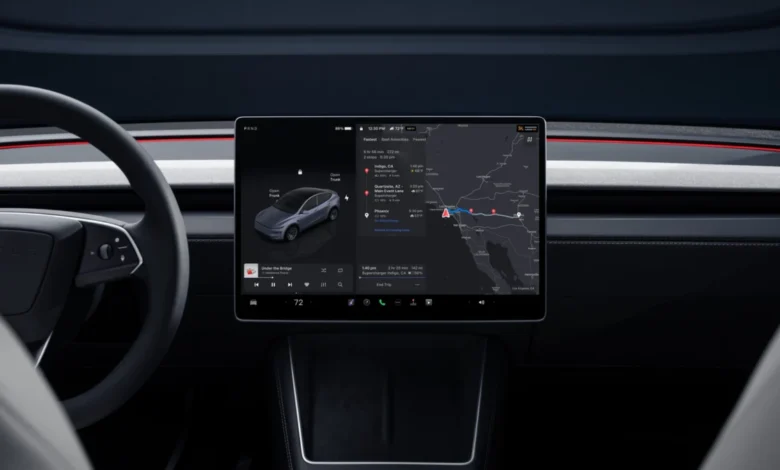
Tesla has officially overhauled its long-standing referral program, marking a strategic shift that prioritizes the adoption of its Full Self-Driving (Supervised) technology over vehicle sales. Launched on October 29, 2026, the new incentive structure moves away from the previous model—which offered direct financial credits—toward a subscription-based reward system. This change signals a concerted effort by the automaker to normalize recurring software revenue and significantly broaden the dataset available for its autonomous driving neural networks.
Under the revised guidelines, current Tesla owners who refer new users to the FSD (Supervised) subscription service receive a complimentary month of the software. The program is designed for scalability: an owner can utilize their unique referral link up to 12 times per calendar year, with the counter resetting annually on January 1. Consequently, active participants who successfully convert 12 referrals have the potential to earn a full year of FSD at no cost.
From Financial Credit to Software Integration
The previous iteration of the Tesla referral program was primarily transactional. Referrers were typically rewarded with $250 in Tesla Credit, a versatile currency that could be applied toward vehicle service, Supercharging costs, or merchandise from the official Tesla Shop. While highly popular—with many users utilizing the credit for recurring maintenance or essential vehicle accessories—the program faced criticism for being exclusionary. The high barrier to entry, requiring a potential buyer to commit to a full vehicle purchase, limited the program’s reach to those with significant social influence or large existing networks.
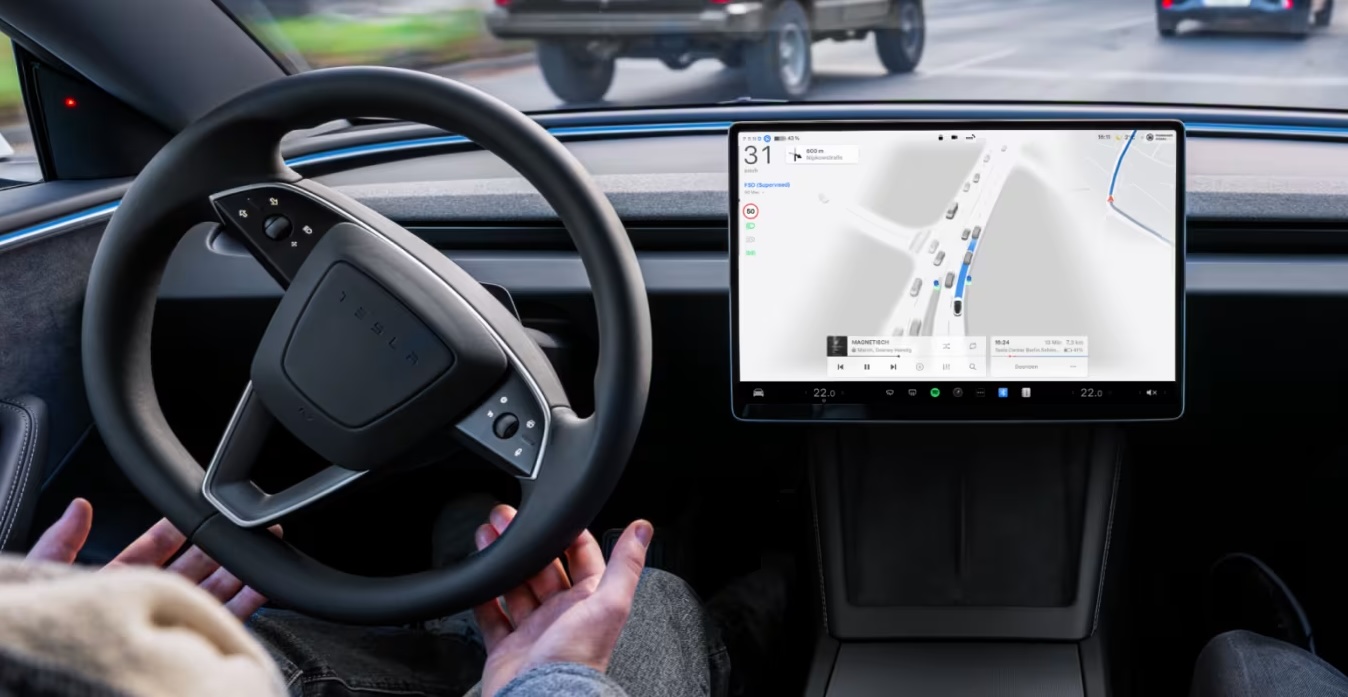
By shifting the focus to FSD subscriptions, Tesla has lowered the entry threshold for participants. A prospective user is far more likely to commit to a monthly software subscription than a six-figure vehicle purchase. This shift effectively democratizes the referral process, allowing the average owner to participate in the company’s growth ecosystem. The move also serves a secondary, more technical purpose: it drives a surge in active FSD users, which in turn generates a higher volume of real-world driving data—the lifeblood of Tesla’s end-to-end AI training pipeline.
Strategic Implications for Tesla’s AI Roadmap
The timing of this pivot follows a period of robust growth for Tesla’s software division. During the third quarter of 2026, the company reported that 75 percent of all vehicle deliveries were accompanied by an FSD subscription, a figure that highlights the increasing market penetration of its driver-assistance suite. By incentivizing existing owners to bring new users into the FSD fold, Tesla is essentially crowdsourcing the expansion of its data-gathering fleet.

Data remains the primary currency in the race for autonomy. Every mile driven under the supervision of the FSD suite provides Tesla’s neural networks with edge-case scenarios, weather-related data, and human intervention patterns. Expanding the user base via the new referral program ensures that the diversity of driving conditions captured by the fleet remains high, which is essential for refining the software’s performance in diverse geographic regions.
Historical Context and Evolution of the Referral Program
Tesla’s referral programs have historically served as a barometer for the company’s current business priorities. In the early years, the program was used to stimulate brand awareness and reward early adopters who helped navigate the "production hell" periods of the Model 3 and Model Y. As the company scaled, the program evolved, periodically being paused and reinstated to manage delivery demand and supply chain constraints.
The transition to an FSD-centric model represents the latest stage in Tesla’s evolution toward a software-defined business model. By moving away from one-time purchase incentives and toward recurring subscription rewards, Tesla aligns its marketing efforts with its long-term financial objectives. The focus on software also mirrors the company’s broader pivot toward the Robotaxi era, where the ability to manage and monetize autonomous fleets will likely outweigh the margin generated from a single hardware sale.

Market Reaction and User Engagement
Initial reactions from the Tesla community, particularly on platforms like X (formerly Twitter), have been largely positive. Many users noted that the ability to "max out" the referrals—securing a year of free FSD—is a tangible and highly desirable reward that feels more aligned with the brand experience than a flat monetary credit.
The ease with which these referrals can be distributed on social media has led to a flurry of activity, with long-term owners and influencers sharing their codes to help others onboard into the ecosystem. This organic, community-driven marketing reduces the cost of customer acquisition for Tesla while simultaneously strengthening brand loyalty.
Broader Impact on the Autonomous Industry
While the referral program focuses on the user experience, its implications for the broader autonomous driving industry are significant. As legacy automakers struggle to balance hardware manufacturing with software development, Tesla is leveraging its massive installed base to stay ahead in the data race. The strategy is clear: by turning its customer base into an extension of its sales and engineering department, Tesla is effectively insulating itself from the high costs of traditional advertising.

Furthermore, this program complements other recent initiatives, such as the implementation of "Quiet Mode" in its Robotaxi fleet and the ongoing development of the next-generation Roadster. These features, while appearing distinct, are all part of a cohesive vision where the car is a node in a massive, AI-driven transport network. Whether it is a passenger taking a nap in a Robotaxi in Dallas or an enthusiast sharing a referral code for FSD, the goal remains the same: accelerating the transition to a world where human driving is the exception rather than the rule.
Analytical Outlook: Sustainability and Growth
The scalability of the current referral program is robust, though it remains to be seen how Tesla will adjust the rewards if the adoption rate of FSD continues to accelerate at the current pace. If the conversion rate hits a ceiling, the company may opt to introduce tiered rewards or expand the referral benefits to include other services, such as enhanced connectivity or priority service scheduling.
From an analytical standpoint, the success of this program will likely be measured by the "stickiness" of the new FSD subscribers. If the referral program brings in users who maintain their subscriptions long-term, it will be considered a triumph of both marketing and product strategy. Conversely, if the referrals lead to high churn rates, Tesla may need to reconsider the balance between the free trial period and the long-term value proposition of the FSD suite.
Ultimately, Tesla’s decision to center its referral program on FSD reflects a profound confidence in its software. By betting its primary marketing tool on the performance and appeal of its autonomous suite, the company is signaling that it believes the product is now mature enough to sell itself through peer-to-peer advocacy. As the program continues through the end of the year, all eyes will be on whether this strategy successfully drives the next wave of FSD adoption and whether it provides the necessary data boost to push the company toward its goal of fully unsupervised autonomy.
Related posts: